

Roses are the undisputed queens of the garden, gracing us with their exquisite beauty, intoxicating fragrance, and timeless elegance. However, these horticultural jewels are also notoriously susceptible to a range of fungal diseases that can quickly diminish their vigor and spoil their appearance. For many home gardeners, the question isn’t if their roses will get sick, but when and how to effectively combat these persistent problems. This comprehensive guide will walk you through everything you need to know about using fungicide for roses to keep your prized plants healthy, vibrant, and blooming beautifully.
Understanding Common Rose Diseases
Before reaching for a fungicide, it’s crucial to understand what you’re up against. Rose diseases are primarily caused by fungi, and they thrive in specific environmental conditions. Here are the most common culprits you’ll encounter:
Black Spot (Diplocarpon rosae)
This is arguably the most prevalent and damaging rose disease. It’s caused by a fungus that thrives in warm, humid conditions.
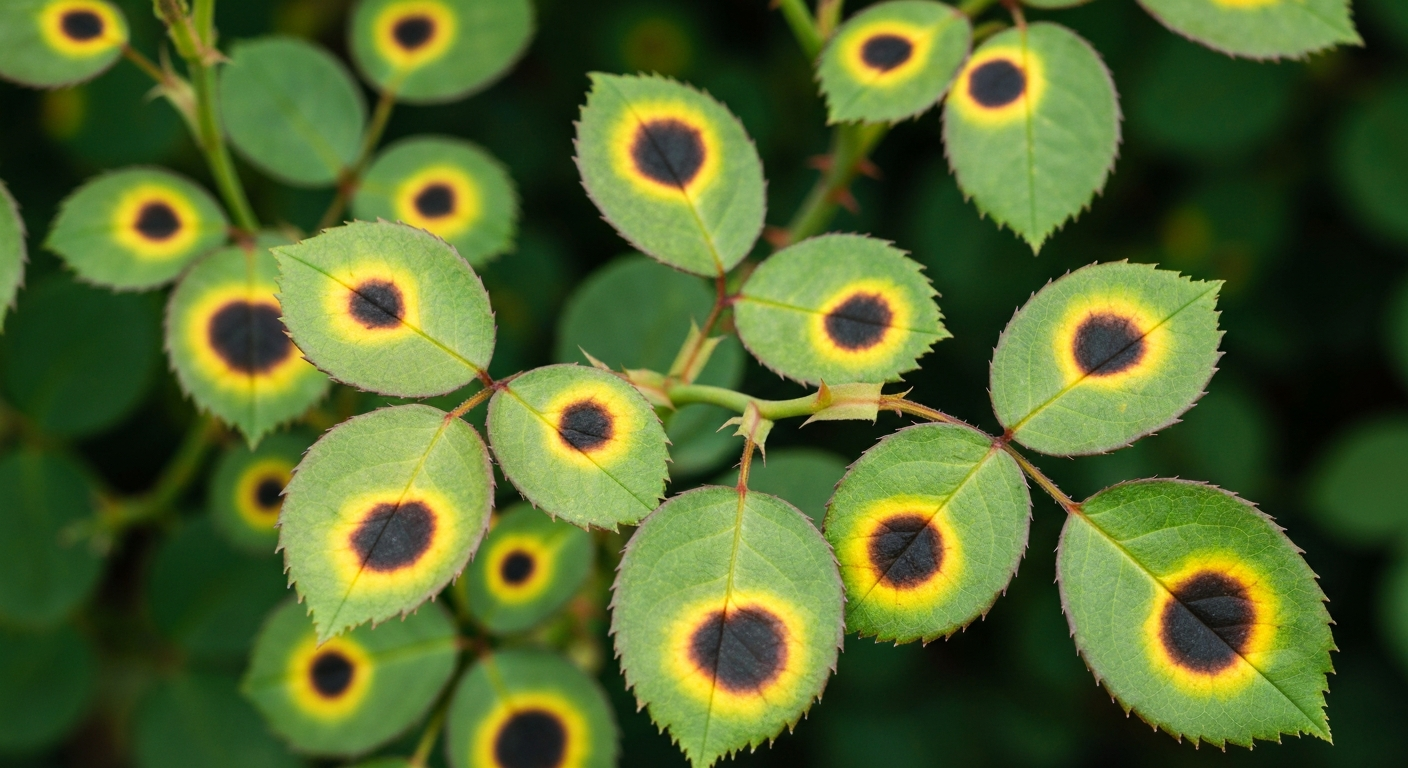
- Symptoms: Distinctive black spots with fringed or feathery margins appear on the upper surface of leaves, often surrounded by a yellow halo. Infected leaves turn yellow and drop prematurely, weakening the plant and reducing flowering. Severely infected plants can defoliate entirely. You can learn more about managing this specific issue in our detailed article on [/blog/black-spot-on-roses/].
Powdery Mildew (Podosphaera pannosa)
Another very common and unsightly disease, powdery mildew is often seen during periods of high humidity but relatively dry leaves, or when temperatures fluctuate significantly between day and night.
- Symptoms: White, powdery patches appear on leaves, stems, and flower buds. Infected leaves may curl, distort, and turn purplish-red. Flower buds might fail to open or produce malformed blooms. This disease can affect many plants, not just roses; check out our general guide to [/blog/powdery-mildew-on-plants/].
Rose Rust (Phragmidium mucronatum)
Rust is less common than black spot or powdery mildew but can be equally devastating. It prefers cool, moist conditions.
- Symptoms: Small, orange-red pustules (spore masses) appear on the undersides of leaves, often accompanied by yellow or orange spots on the upper leaf surface. As the disease progresses, these pustules may turn black. Severely infected leaves drop prematurely.
Downy Mildew (Peronospora sparsa)
While similar in name to powdery mildew, downy mildew is caused by a different type of organism (an oomycete, or water mold) and prefers cool, wet conditions.
- Symptoms: Irregular, purplish-red spots appear on the upper leaf surface, often with a fuzzy, grayish growth on the underside. Leaves can quickly yellow and drop.
Canker Diseases (Various fungi)
These diseases affect the canes (stems) of roses.
- Symptoms: Discolored, sunken lesions or cankers appear on canes, often starting at pruning wounds or points of injury. Cankers can girdle the stem, causing the cane above the infection point to die back.
Why Do Roses Get Sick? Unpacking the Causes
Understanding the “why” behind rose diseases is crucial for effective prevention and treatment. It’s rarely just one factor but often a combination.
Environmental Conditions
- Humidity and Moisture: Most fungal spores require moisture to germinate and infect plant tissue. High humidity, frequent rain, or overhead watering creates ideal conditions for diseases like black spot and downy mildew.
- Temperature: Different fungi thrive at different temperatures. Black spot prefers warm temperatures (60-75°F / 15-24°C), while powdery mildew can flourish in a wider range, often exacerbated by cool nights and warm days.
- Air Circulation: Poor air circulation around rose bushes keeps leaves wet for longer, providing a hospitable environment for fungal growth.
Cultural Practices
- Improper Watering: Overhead watering wets the foliage, encouraging fungal diseases. Watering at the base of the plant in the morning allows leaves to dry quickly.
- Crowding: Planting roses too close together or allowing them to become overgrown restricts airflow, leading to humid microclimates within the canopy.
- Poor Sanitation: Leaving infected fallen leaves or pruning debris around the base of plants allows fungal spores to overwinter and reinfect new growth.
- Nutrient Deficiencies/Excesses: Stressed plants are more susceptible to disease. Imbalanced fertilization can weaken a rose’s natural defenses.
Rose Variety Susceptibility
Some rose varieties are naturally more resistant to certain diseases than others. Hybrid Teas and Grandifloras are often more susceptible to black spot, while many shrub roses, Kordes roses, and modern shrub roses have been bred for increased disease resistance.
Diagnosing the Problem: Your First Step to Recovery
Effective treatment begins with accurate diagnosis. Mistaking one disease for another can lead to ineffective fungicide application or unnecessary chemical use.
- Observe Carefully: Take a close look at all parts of your rose. Are the spots black, white, orange, or purplish? Are they on the top or bottom of leaves? Are stems affected?
- Use a Plant Disease Identifier: If you’re unsure, snap a clear photo of the symptoms with your iPhone and use a plant disease identifier app like ours. The AI can help suggest potential diseases, providing a starting point for your research and treatment plan. You can find out more about how this works at [/blog/plant-disease-identifier/].
- Cross-Reference: Compare the symptoms you see with reliable gardening resources or our detailed guides on various plant ailments, such as our general advice on how to identify a [/blog/sick-plant/] or how to [/blog/diagnose-plant-problems/].
- Consider Environmental Factors: Think about recent weather patterns. Has it been unusually wet, humid, or hot? This can provide clues.
As Senior Plant Care Editor, I provide general information and guidance based on horticultural science. While the Plant Disease Identifier app uses advanced AI, it offers informational support and is not a substitute for professional agricultural or horticultural consultation. Always consider local conditions and consult with a local extension office if you have persistent or severe issues.
The Role of Fungicides: When and How They Help
Fungicides are chemical or biological agents designed to kill or inhibit the growth of fungi. They are a powerful tool in your rose care arsenal but should be used judiciously and as part of an integrated pest management (IPM) strategy.
When to Use Fungicides
- Prevention is Key: Many fungicides work best when applied preventatively, before symptoms appear, especially if your roses have a history of disease or if conditions are ripe for an outbreak (e.g., prolonged wet weather).
- Early Intervention: At the very first sign of disease, applying a fungicide can help halt its progression and prevent widespread infection.
- Severe Infections: For established, severe infections, fungicides may be necessary to bring the disease under control, although they cannot cure already damaged tissue.
Limitations of Fungicides
- Not a Cure-All: Fungicides do not fix existing damage. They protect healthy tissue from infection or stop the spread on already infected plants.
- Resistance: Over-reliance on a single type of fungicide can lead to fungicide-resistant strains of fungi. It’s important to rotate different active ingredients.
- Environmental Impact: While modern fungicides are generally safer than older formulations, they still have an environmental impact. Always follow label instructions precisely to minimize risks to beneficial insects, wildlife, and water sources.
Types of Fungicides for Roses: Organic vs. Synthetic
The market offers a wide array of fungicides, broadly categorized into organic/natural and synthetic/conventional options.
Organic Fungicides for Roses
These options are often preferred by gardeners looking for environmentally friendly solutions. They typically work best as preventatives or for very early-stage infections.
- Neem Oil: A botanical oil derived from the neem tree. It works as a fungicide, insecticide, and miticide. It interferes with fungal growth and spore germination. Apply every 7-14 days.
- Pros: Broad-spectrum, relatively safe for beneficials when dry, biodegradable.
- Cons: Can burn foliage if applied in direct sun or high temperatures, must be applied frequently, less effective on established diseases.
- Baking Soda Solution: A simple homemade remedy (1 teaspoon baking soda per quart of water, with a few drops of horticultural oil or insecticidal soap as a spreader).
- Pros: Inexpensive, readily available, non-toxic.
- Cons: Very short residual effect, must be applied very frequently (every 3-5 days), not highly effective on established infections, can cause leaf burn in high concentrations.
- Copper-Based Fungicides: Often derived from copper salts, these are contact fungicides that prevent spore germination. Look for OMRI-listed (Organic Materials Review Institute) products for certified organic use.
- Pros: Effective against a broad range of fungal and bacterial diseases, good residual action.
- Cons: Can accumulate in soil with overuse, may cause phytotoxicity (plant damage) if applied incorrectly, less effective once disease is established.
- Sulfur-Based Fungicides: Similar to copper, sulfur is a contact fungicide that inhibits fungal growth. Also available in OMRI-listed forms.
- Pros: Effective against powdery mildew, black spot, and rust.
- Cons: Can burn foliage at high temperatures (above 85°F / 29°C), should not be used within a few weeks of oil sprays.
- Bacillus subtilis (Biological Fungicides): These contain beneficial bacteria that colonize plant surfaces, outcompeting and inhibiting disease-causing fungi.
- Pros: Environmentally friendly, safe for beneficials, can offer systemic protection.
- Cons: Requires consistent application, often more expensive.
Synthetic/Conventional Fungicides for Roses
These fungicides often offer stronger, longer-lasting protection and can be more effective on established diseases. They typically contain active ingredients like myclobutanil, propiconazole, chlorothalonil, or azoxystrobin.
- Contact Fungicides: These form a protective barrier on the plant surface, preventing spores from germinating and penetrating. They must be applied thoroughly to all surfaces and reapplied after rain or new growth.
- Examples: Chlorothalonil.
- Pros: Broad-spectrum, good for prevention.
- Cons: No systemic action, washes off, requires frequent application.
- Systemic Fungicides: These are absorbed by the plant and move through its vascular system, protecting new growth and offering some curative action within the plant.
- Examples: Myclobutanil (e.g., Immunox), Propiconazole (e.g., Banner Maxx), Azoxystrobin (e.g., Heritage).
- Pros: Longer-lasting protection, some curative properties, protects new growth, less prone to washing off.
- Cons: Risk of resistance development, generally higher cost, some may pose risks to pollinators if applied during bloom (always check label).
Choosing the Right Fungicide for Your Roses
Selecting the best fungicide depends on the specific disease, its severity, your gardening philosophy (organic vs. conventional), and local regulations.
- Identify the Disease: As discussed, this is paramount. A product effective against black spot might not work for powdery mildew.
- Consider Disease Pressure: If you live in a very humid area where black spot is rampant, you’ll likely need a more robust, possibly systemic, solution. For occasional outbreaks, organic options might suffice.
- Check the Label: Always, always read the product label carefully. This is your most important resource. It will tell you:
- Which diseases the product controls.
- The active ingredient.
- Application rates and frequency.
- Safety precautions (PPE, re-entry intervals).
- Environmental warnings (e.g., toxic to fish, bees).
- Whether it can be used on roses.
- Rotate Active Ingredients: To prevent fungicide resistance, alternate between products with different active ingredients, especially if you’re spraying regularly. For example, use a product with myclobutanil for a few applications, then switch to one with chlorothalonil or a copper-based product.
Application Best Practices: Maximizing Effectiveness and Safety
Proper application is just as important as choosing the right product.
Timing is Everything
- Preventative: Begin spraying in early spring as new leaves emerge, especially if you anticipate disease. Continue applications every 7-14 days, particularly during wet or humid periods.
- Curative: Apply immediately at the first sign of disease symptoms to halt its spread.
- Weather Conditions: Apply on a calm, windless day. Avoid applying in direct hot sun, which can cause leaf burn, especially with oil-based products. Late afternoon or early morning is often ideal, allowing foliage to dry before nightfall.
Thorough Coverage
- Top and Bottom: Ensure you spray both the upper and lower surfaces of all leaves, as well as stems. Many fungi, like rust, reside on the undersides of leaves.
- New Growth: Pay special attention to new, tender growth, as this is often the most susceptible.
- Run-off, Not Drench: Spray until the leaves are thoroughly wetted, but avoid excessive run-off.
Safety First
- Personal Protective Equipment (PPE): Wear gloves, long sleeves, long pants, eye protection, and a mask/respirator as recommended on the product label.
- Children and Pets: Keep children and pets away from treated areas until the spray has dried completely, or for the re-entry interval specified on the label.
- Beneficial Insects: Be mindful of beneficial insects, especially pollinators. If possible, avoid spraying during peak bloom or spray in the late evening when bees are less active. Choose products that are less harmful to beneficials if available.
- Storage and Disposal: Store fungicides in their original containers, out of reach of children and pets. Dispose of empty containers according to local regulations.
Beyond Fungicides: Holistic Disease Prevention
While fungicides are valuable tools, they are not a standalone solution. An integrated approach that prioritizes cultural practices and resistant varieties will yield the healthiest roses.
Cultural Practices
- Pruning for Air Circulation: Prune your roses regularly to remove dead, diseased, or crossing canes. Open up the center of the bush to improve airflow, which helps leaves dry faster and reduces humidity within the canopy.
- Proper Watering: Water deeply at the base of the plant in the morning. Avoid overhead watering, especially in the evening. Drip irrigation or soaker hoses are ideal.
- Sanitation: Regularly clean up fallen leaves and other plant debris from around the base of your roses. These can harbor fungal spores over winter, leading to reinfection in spring.
- Fertilization: Provide balanced nutrition. Over-fertilizing with nitrogen can promote lush, soft growth that is more susceptible to disease. A soil test can guide your fertilization program.
- Sunlight: Plant roses in a location that receives at least 6 hours of direct sunlight daily. Sun helps dry foliage and promotes robust growth.
Choose Disease-Resistant Varieties
When purchasing new roses, look for varieties specifically bred for disease resistance. Many modern shrub roses, Kordes roses, and some David Austin varieties offer excellent natural resistance to common diseases like black spot and powdery mildew. This is the easiest and most sustainable way to reduce your reliance on fungicides.
Mulch
Apply a 2-3 inch layer of organic mulch (like shredded bark or compost) around the base of your roses. This helps suppress weeds, conserves soil moisture, and prevents fungal spores from splashing up from the soil onto the lower leaves during rain or watering.
Common Mistakes to Avoid When Using Fungicide for Roses
Even experienced gardeners can make mistakes. Be aware of these pitfalls:
- Misdiagnosis: Applying the wrong fungicide for the wrong disease is a waste of time and money, and won’t solve your problem. Always confirm the disease first. If you see [/blog/brown-spots-on-plant-leaves/], for example, it could be a number of issues, not just a fungal one requiring fungicide.
- Inconsistent Application: Skipping applications or not applying frequently enough, especially contact fungicides, will render them ineffective. Fungi are persistent!
- Poor Coverage: Only spraying the top of the leaves leaves the undersides vulnerable, allowing the disease to continue spreading.
- Incorrect Dilution: Too weak, and it won’t work; too strong, and you risk burning your plants. Always measure precisely.
- Ignoring Cultural Practices: Relying solely on fungicides without improving air circulation, watering habits, or sanitation is like putting a band-aid on a gushing wound.
- Spraying in Direct Sun or High Heat: This can lead to phytotoxicity, causing leaves to burn or scorch.
- Not Rotating Fungicides: This quickly leads to fungicide-resistant strains, making future control much harder.
- Disregarding Safety Warnings: Neglecting PPE or re-entry intervals can pose health risks to you, your family, and pets.
Conclusion: A Balanced Approach to Rose Health
Achieving a garden full of healthy, vibrant roses doesn’t have to be a constant battle. By understanding the common diseases, implementing sound cultural practices, choosing disease-resistant varieties, and using fungicide for roses strategically and responsibly, you can minimize disease pressure and enjoy the magnificent beauty your roses have to offer. Remember, prevention is always easier than cure, and a vigilant eye combined with the right tools will keep your rose garden thriving for years to come.