

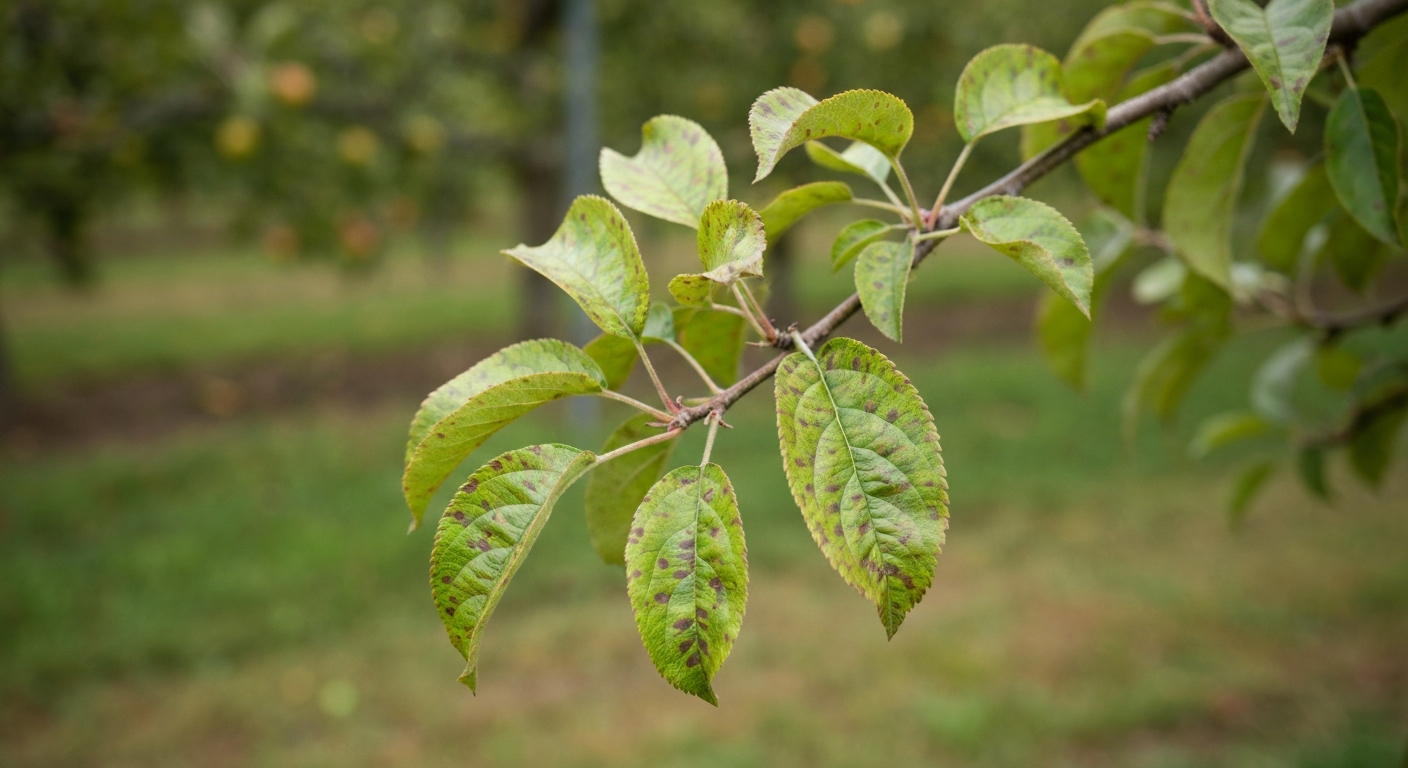
For many home gardeners, the dream of a bountiful harvest of crisp, homegrown apples is a powerful one. But this dream can quickly turn into a nightmare when your beloved trees fall victim to apple tree diseases. Understanding how to identify, treat, and prevent these common ailments is crucial for maintaining a healthy orchard and enjoying a successful yield. As Senior Plant Care Editor, I’m here to guide you through the complexities of keeping your apple trees thriving.
Understanding Apple Tree Diseases
Apple trees, like all plants, are susceptible to a variety of pathogens, including fungi, bacteria, and viruses. These diseases can attack leaves, fruit, branches, and even the roots, leading to reduced vigor, poor fruit quality, and, in severe cases, the death of the tree. The susceptibility of an apple tree to disease is influenced by several factors, including the specific apple cultivar, local environmental conditions (like humidity and temperature), and overall tree health. A tree under stress from improper watering, poor nutrition, or pest infestations is often more vulnerable to disease.
Early detection is paramount. Regular inspection of your apple trees throughout the growing season can help you spot problems before they become widespread. Familiarizing yourself with the common symptoms of prevalent apple tree diseases will empower you to take swift action and protect your harvest.
Common Apple Tree Diseases and Their Symptoms
Let’s dive into the most common diseases that plague apple trees, detailing their telltale signs.
1. Apple Scab (Venturia inaequalis)
Apple scab is arguably the most common and damaging fungal disease of apple trees, especially in regions with cool, wet springs.
- Symptoms:
- Leaves: Small, olive-green to brown velvety spots appear on the undersides of young leaves, often along the veins. As spots mature, they become darker, more defined, and may cause leaf distortion or puckering. Severely infected leaves may yellow and drop prematurely.
- Fruit: Similar spots develop on the fruit, initially small and olive-green, later becoming dark, rough, and corky. These lesions can cause the fruit to crack, making it unmarketable and susceptible to secondary rots.
- Twigs: Less common but can occur, forming small, dark lesions.
- Causes: The fungus overwinters in fallen leaves and infected twigs. Spores are released in spring during wet periods, infecting new growth.
2. Powdery Mildew (Podosphaera leucotricha)
This fungal disease is easily recognizable and can affect leaves, shoots, and blossoms.
- Symptoms:
- Leaves: White, powdery patches appear on young leaves, often causing them to curl upwards, become distorted, and feel stiff or brittle. Infected leaves may turn yellow or reddish-brown and drop prematurely.
- Shoots: New shoots become stunted, covered in a white, powdery coating, and may have a silvery appearance.
- Blossoms: Infected blossoms may be dwarfed, turn brownish, and fail to set fruit.
- Causes: The fungus overwinters in infected buds. Spores are spread by wind, favoring warm, humid conditions (though not necessarily rain) for infection. You can learn more about this ubiquitous plant problem in our article on powdery mildew on plants or our dedicated topic page on /topics/powdery-mildew/.
3. Fire Blight (Erwinia amylovora)
A serious bacterial disease that can rapidly spread and destroy entire branches or even young trees.
- Symptoms:
- Blossoms & Twigs: Blossoms and young shoots suddenly wilt, turn dark brown or black, and appear scorched, as if burned by fire.
- Leaves: Infected leaves on affected branches shrivel and turn black but often remain attached to the branch, forming a distinctive “shepherd’s crook” at the tips of new growth.
- Branches & Trunks: Cankers (sunken, discolored areas) may form on branches, often with oozing, milky or amber-colored liquid. The inner bark beneath cankers will be reddish-brown.
- Causes: Caused by bacteria that enter through blossoms or wounds. It is spread by rain, wind, insects (especially bees), and pruning tools. High humidity and warm temperatures promote its rapid spread.
4. Cedar Apple Rust (Gymnosporangium juniperi-virginianae)
This fascinating fungal disease requires two different host plants to complete its life cycle: an apple or crabapple tree and a cedar or juniper tree.
- Symptoms:
- Leaves (Apple): Bright orange-red spots with yellow borders appear on apple leaves in late spring. Small, tube-like structures (aecia) develop on the undersides of these spots in summer.
- Fruit (Apple): Similar orange-red lesions can develop on the fruit, sometimes causing malformation.
- Cedars/Junipers: In spring, distinctive orange, jelly-like galls appear on cedar branches after rain. These galls release spores that infect apple trees.
- Causes: Spores are released from cedar galls and carried by wind to apple trees. The fungus then produces spores on apple trees that infect cedars.
5. Black Rot / Frogeye Leaf Spot (Botryosphaeria obtusa)
This fungal disease affects leaves, fruit, and branches, often showing up in mid-to-late summer.
- Symptoms:
- Leaves (Frogeye Leaf Spot): Small, purple spots appear on leaves, expanding into circular lesions with tan centers, purple borders, and often a dark outer ring, resembling a frog’s eye. Severely infected leaves may drop. You can compare these to other leaf issues in our article on leaf spot disease.
- Fruit (Black Rot): Small, red spots appear on fruit, expanding into dark, sunken lesions. The fruit eventually rots and turns black, often shriveling into mummified fruit that remains on the tree.
- Branches (Cankers): Sunken, dark cankers can form on branches, sometimes girdling them and causing dieback.
- Causes: The fungus overwinters in mummified fruit, bark cankers, and fallen leaves. Spores are spread by rain and wind.
6. Flyspeck and Sooty Blotch (Schizothyrium pomi and Gloeodes pomigena)
These are two distinct fungal diseases that often occur together, primarily affecting the appearance of the fruit.
- Symptoms:
- Fruit: Flyspeck appears as clusters of tiny, discrete black dots, resembling fly excrement. Sooty blotch creates irregular, smudgy, olive-green to black patches on the fruit surface, looking like a layer of soot.
- Leaves/Twigs: Rarely affects leaves or twigs.
- Causes: Both fungi thrive in high humidity and poor air circulation. They are superficial and do not typically cause fruit rot, but they make the fruit unappealing.
Diagnosing Apple Tree Problems
Accurate diagnosis is the first step toward effective treatment. Here’s a systematic approach:
- Observe Closely: Walk around your tree regularly. Look at leaves (top and bottom), fruit, branches, bark, and the base of the trunk. Note the location, color, size, and pattern of any abnormalities. Are the spots uniform or irregular? Is the damage symmetrical or one-sided?
- Consider the Timing: When did the symptoms first appear? Some diseases are prevalent in spring, others in summer or fall. This can help narrow down possibilities.
- Check Environmental Conditions: Has there been recent rain, drought, or extreme temperatures? High humidity, prolonged wetness, or sudden temperature changes can trigger or exacerbate certain diseases.
- Inspect for Pests: Sometimes, pest damage can mimic disease symptoms. Look for insects, webbing, or chewed areas.
- Use a Plant Disease Identifier: If you’re unsure, take clear photos of the symptoms with your iPhone and use a plant disease identifier app. These apps can provide instant preliminary diagnoses based on visual patterns, offering a valuable starting point. Remember, AI is a tool for information, not a substitute for professional agricultural advice. For more general guidance, check our article on how to diagnose plant problems.
- Compare with Reliable Resources: Cross-reference your observations with trusted gardening guides, university extension services, or our blog. For example, if you see brown spots, compare them to descriptions in our article on brown spots on plant leaves.
- Seek Expert Advice (If Necessary): If symptoms persist or worsen despite your efforts, consider taking a sample (leaves, affected fruit, or a small branch) to a local agricultural extension office for professional diagnosis.
Causes and Risk Factors
Understanding why diseases occur helps in prevention.
- Environmental Factors:
- Moisture: Prolonged leaf wetness from rain, dew, or overhead irrigation creates ideal conditions for many fungal and bacterial diseases (e.g., Apple Scab, Fire Blight, Flyspeck/Sooty Blotch).
- Humidity: High humidity, even without direct rain, can also contribute to fungal growth (e.g., Powdery Mildew).
- Temperature: Specific temperature ranges favor different pathogens. Fire Blight thrives in warm, humid conditions, while Apple Scab prefers cooler, wet springs.
- Poor Air Circulation: Dense canopy growth prevents leaves from drying quickly, trapping moisture and encouraging disease.
- Cultural Practices:
- Poor Sanitation: Leaving fallen leaves, mummified fruit, or diseased branches in the orchard allows pathogens to overwinter and re-infect the following season.
- Improper Pruning: Over-pruning can stress a tree, while under-pruning leads to poor air circulation. Pruning during wet conditions can also spread diseases like Fire Blight.
- Nutrient Imbalances: Weak or over-fertilized trees can be more susceptible to certain diseases.
- Wounding: Pruning cuts, insect damage, or mechanical injuries provide entry points for pathogens.
- Variety Susceptibility: Some apple cultivars are naturally more resistant to certain diseases than others. Choosing resistant varieties is a cornerstone of disease prevention.
Treatment Strategies
Once you’ve identified a disease, treatment varies depending on the pathogen.
Organic Approaches
For home gardeners, organic and cultural controls are often the first line of defense.
- Sanitation: This is paramount.
- Fallen Leaves: Rake and destroy all fallen leaves, especially in autumn, to reduce overwintering fungal spores (critical for Apple Scab, Black Rot).
- Mummified Fruit: Remove any shriveled, mummified fruit from the tree and the ground.
- Diseased Branches: Prune out affected branches promptly. For Fire Blight, prune at least 8-12 inches below the visible canker into healthy wood. Disinfect pruning tools between each cut with a 10% bleach solution or rubbing alcohol to prevent spreading the disease.
- Pruning for Air Circulation: Proper annual pruning opens up the tree canopy, allowing sunlight and air to penetrate, which helps leaves dry faster and reduces humidity, discouraging fungal growth. This is crucial for diseases like Powdery Mildew, Flyspeck, and Sooty Blotch.
- Watering Practices: Water at the base of the tree, avoiding overhead irrigation that wets foliage. Water in the morning so leaves have time to dry during the day.
- Organic Fungicides:
- Sulfur-based fungicides: Effective against many fungal diseases like Apple Scab and Powdery Mildew. Apply according to label instructions, usually during critical periods like bud break and petal fall.
- Copper-based fungicides: Can be used for some fungal and bacterial diseases, including Fire Blight (as a preventative spray during bloom) and Apple Scab. Be cautious with copper as overuse can accumulate in soil.
- Neem Oil: Has some fungicidal properties and can help with Powdery Mildew.
- Baking Soda Sprays: A homemade solution of baking soda (1 teaspoon per quart of water with a few drops of horticultural oil or insecticidal soap) can be used as a mild fungicide for powdery mildew, but its efficacy is limited compared to commercial products.
Chemical Controls (When Fungicides Help)
For severe or persistent disease issues, especially in commercial settings or for highly susceptible varieties, targeted chemical fungicides may be necessary.
- Timing is Crucial: Fungicides are most effective when applied preventatively or at the very first sign of disease. They often work by preventing spore germination or inhibiting fungal growth.
- Targeted Sprays: Different fungicides are effective against specific diseases. For example, some are specifically formulated for Apple Scab, while others target Powdery Mildew.
- Rotate Fungicides: To prevent resistance, it’s important to rotate fungicides with different active ingredients.
- Read Labels Carefully: Always follow label instructions precisely regarding dosage, application timing, safety precautions, and pre-harvest intervals.
- Dormant Sprays: Some diseases benefit from dormant oil sprays in late winter to smother overwintering spores or insect eggs.
Important Note: Always confirm the disease before applying chemical treatments. Misapplication can be ineffective, harmful to the tree, or detrimental to the environment.
Prevention is Key
The best offense is a good defense when it comes to apple tree diseases.
- Choose Disease-Resistant Varieties: This is the single most effective preventative measure. When purchasing apple trees, look for cultivars known for resistance to common local diseases like Apple Scab, Powdery Mildew, and Fire Blight. Examples include ‘Liberty’, ‘Freedom’, ‘GoldRush’, and ‘Enterprise’.
- Proper Site Selection and Spacing:
- Sunlight: Plant apple trees in a location that receives full sun (at least 6-8 hours daily).
- Air Circulation: Ensure adequate spacing between trees and other plants to promote good air movement. This helps dry foliage quickly after rain or dew.
- Orchard Sanitation: As mentioned in treatment, rigorously remove and destroy fallen leaves, mummified fruit, and diseased branches. This breaks the disease cycle.
- Strategic Pruning:
- Annual Pruning: Prune annually in late winter while the tree is dormant to remove dead, damaged, or crossing branches and to open up the canopy.
- Summer Pruning: Light summer pruning can help manage growth and further improve air circulation.
- Tool Sterilization: Always sterilize pruning tools, especially when pruning different trees or after removing diseased wood, to prevent disease spread.
- Appropriate Watering: Water deeply and infrequently at the base of the tree. Avoid overhead irrigation, which wets foliage and creates ideal conditions for fungal growth.
- Maintain Tree Vigor: A healthy, well-nourished tree is more resistant to disease. Ensure proper soil nutrition and address any pest issues promptly.
- Manage Alternate Hosts: If you have Cedar Apple Rust, consider removing nearby cedar or juniper trees if feasible. If not, focus on resistant apple varieties and preventative sprays.
Common Mistakes to Avoid
- Ignoring Early Symptoms: Small spots can quickly become widespread infections. Early intervention is crucial.
- Improper Identification: Treating the wrong disease is ineffective and can waste time and resources. Take the time to properly identify the problem.
- Over-watering or Overhead Watering: Both contribute significantly to fungal and bacterial diseases.
- Neglecting Sanitation: Leaving diseased plant material in the orchard provides a perfect breeding ground for pathogens.
- Pruning During Wet Weather: This can spread diseases like Fire Blight. Always prune during dry conditions.
- Not Sterilizing Tools: A common way to spread diseases from one plant to another.
- Applying Fungicides Incorrectly: Too little won’t work; too much can harm the tree or environment. Always follow label directions.
Final Thoughts
Managing apple tree diseases can feel like a daunting task, but with knowledge and consistent effort, you can significantly reduce their impact. Remember that your goal is not necessarily to eradicate every single pathogen but to manage them to a level where your apple trees can remain healthy and productive. By understanding the symptoms, implementing good cultural practices, and intervening promptly when needed, you’ll be well on your way to enjoying a delicious apple harvest for years to come.
For ongoing support in identifying and managing issues in your orchard, remember to utilize resources like the Plant Disease Identifier app. It’s a powerful tool to keep your fruit trees, and indeed all your plants, in top condition. Happy gardening!