

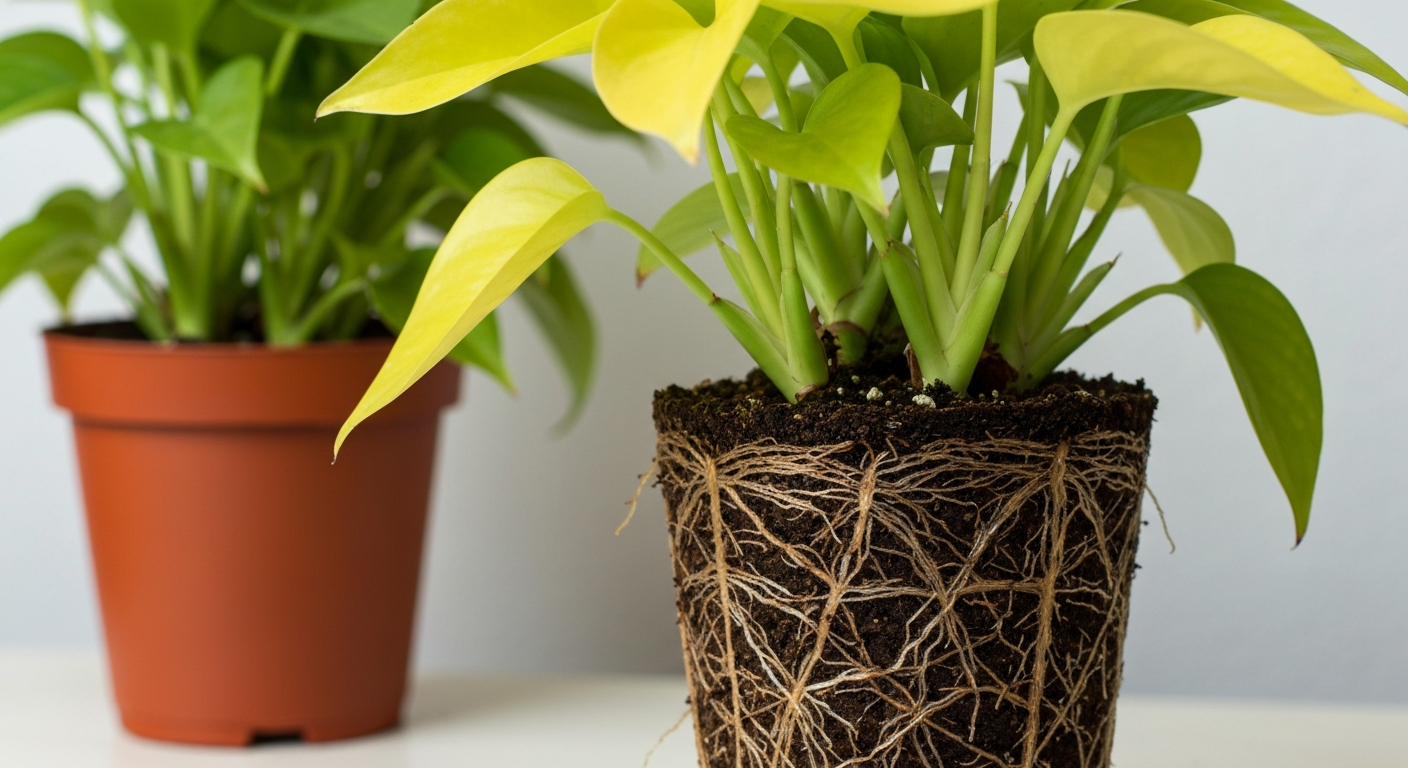
Root rot is arguably one of the most frustrating and devastating plant diseases a home gardener can encounter. It’s a silent killer, often progressing unnoticed beneath the soil line until your once-thriving plant begins to wilt, yellow, and eventually collapse. When faced with this dire situation, many gardeners immediately wonder about the most potent weapon in their arsenal: a fungicide for root rot. But is it always the right solution? When should you use it, and more importantly, how can you prevent root rot from taking hold in the first place?
As a Senior Plant Care Editor, I’ve seen countless cases of root rot, and I’m here to tell you that while fungicides can be a valuable tool, they are not a magic bullet. Understanding the causes, symptoms, and a holistic approach to treatment and prevention is crucial for saving your beloved plants. This comprehensive guide will walk you through everything you need to know about tackling root rot, with a specific focus on when and how fungicides fit into the picture.
Recognizing the Silent Killer: Symptoms of Root Rot
Root rot often presents confusing symptoms because the damage is initially hidden below the soil. By the time you notice issues above ground, the problem can be quite advanced. Early detection significantly increases your chances of saving the plant.
Above-Ground Symptoms:
- Wilting: This is often the first and most misleading symptom. Your plant wilts even though the soil is moist, or even wet. This happens because the damaged roots can no longer absorb water effectively, mimicking drought stress.
- Yellowing or Browning Leaves: Leaves may turn yellow, then brown, starting from the tips or margins and progressing inward. They might also become soft or mushy.
- Stunted Growth: The plant stops growing or shows very little new growth.
- Leaf Drop: Leaves may drop prematurely, often starting with the lower leaves.
- Soft or Mushy Stems/Trunks: In severe cases, the base of the stem or trunk may feel soft and mushy to the touch. This indicates the rot has spread upwards.
- Lack of Vigor: The plant simply looks unhealthy and lacks its usual vibrancy.
Below-Ground Symptoms (The Definitive Signs):
To confirm root rot, you usually need to inspect the roots directly. Gently unpot your plant and examine the root ball.
- Discolored Roots: Healthy roots are typically white or light tan and firm. Roots affected by rot will appear brown, black, or dark gray.
- Mushy or Slimy Texture: Diseased roots will feel soft, mushy, or slimy to the touch, and may easily slough off when gently tugged.
- Foul Odor: A strong, putrid, or sulfur-like smell emanating from the roots or soil is a tell-tale sign of advanced root rot, often indicating bacterial activity alongside fungal issues.
- Sparse Root System: The plant may have very few healthy roots left, with most having rotted away.
Symptoms at a Glance
| Symptom Category | Healthy Plant | Root Rot Affected Plant |
|---|---|---|
| Leaves | Green, firm, vibrant | Wilting (despite moist soil), yellowing, browning, soft |
| Stems | Firm, upright | Soft, mushy at the base, easily bent/broken |
| Growth | Active, new shoots | Stunted, no new growth |
| Roots | White/tan, firm, abundant, earthy smell | Brown/black, mushy, slimy, foul odor, sparse |
| Soil | Drains well, moist but not waterlogged | Stays wet for too long, often compacted |
If you’re unsure about the specific plant disease affecting your plant, you can always use a tool like the Plant Disease Identifier app on your iPhone to photograph the symptoms. While it won’t diagnose root rot definitively without seeing the roots, it can help rule out other issues like nutrient deficiencies or specific leaf diseases. For a broader look at common plant ailments, check out our guide on how to diagnose plant problems.
The Root of the Problem: Common Causes of Root Rot
Understanding what causes root rot is paramount for both treatment and prevention. It’s not just one thing; rather, it’s a combination of environmental factors and pathogenic organisms.
Key Contributors to Root Rot:
- Overwatering (The #1 Culprit): This is by far the most common cause. When soil stays saturated for too long, air pockets are eliminated, depriving roots of essential oxygen. Roots need oxygen to respire and absorb water and nutrients. Without it, they essentially drown and begin to die.
- Poor Drainage:
- Heavy, Compacted Soil: Clay-heavy soils or potting mixes that are too dense retain excessive moisture.
- Pots without Drainage Holes: A pot without drainage holes is a death sentence for most plants, as water accumulates at the bottom, creating a stagnant, anaerobic environment.
- Potting Mix Degradation: Over time, even good quality potting mix can break down and become compacted, reducing aeration and drainage.
- Oversized Pots: A plant in a pot that is too large for its root system will have excessive soil volume around its roots. This extra soil holds more moisture than the plant can use, leading to prolonged wetness.
- Contaminated Soil or Tools: Root rot pathogens can persist in contaminated soil or on unsterilized gardening tools, spreading to healthy plants.
- Specific Pathogens: While often triggered by environmental factors, root rot is ultimately caused by various fungi and sometimes bacteria that thrive in anaerobic, wet conditions. Common culprits include:
- Pythium spp.
- Phytophthora spp. (especially notorious for ornamental plants and trees)
- Fusarium spp.
- Rhizoctonia spp. These pathogens attack weakened roots, accelerating their decay.
It’s important to remember that root rot isn’t always a “disease” in the traditional sense, but rather a syndrome caused by environmental stress (lack of oxygen) that then allows opportunistic pathogens to take over.
Diagnosing Root Rot: Early Detection is Key
Accurate and early diagnosis is your plant’s best chance. Don’t just assume it’s root rot based on wilting; many issues can cause similar symptoms. If you suspect your plant is sick, follow these steps:
- Observe Above-Ground Symptoms: Look for wilting, yellowing, stunted growth, or unusual leaf drop. Note if the soil feels wet even when it shouldn’t.
- Check Soil Moisture: Stick your finger about 2-3 inches into the soil. If it feels soggy, even after several days, that’s a red flag.
- Perform the Root Inspection: This is the most critical step.
- Gently slide the plant out of its pot, trying to keep the root ball intact. For larger plants, you might need assistance.
- Shake off some of the loose soil to expose the roots.
- Examine the roots:
- Color: Are they brown, black, or grey instead of white or light tan?
- Texture: Do they feel mushy, slimy, or do they easily pull apart when you gently tug them? Healthy roots are firm and resilient.
- Smell: Does the root ball or surrounding soil have a foul, rotten egg, or ammonia-like odor?
- Compare to Healthy Roots: If possible, compare them to a healthy plant’s roots or images online to help confirm your suspicions.
If you observe dark, mushy, foul-smelling roots, your plant almost certainly has root rot. For more general guidance on identifying plant issues, our article on diagnose plant problems offers a good starting point.
First Line of Defense: Organic and Cultural Treatments
Before reaching for a chemical fungicide, especially if the root rot is caught early, there are several effective organic and cultural methods you should try. These methods address the underlying causes of root rot and provide a healthier environment for your plant.
-
Immediate Repotting (The Most Crucial Step):
- Unpot the Plant: Carefully remove the plant from its pot.
- Inspect and Prune Roots: Gently rinse the old soil off the roots under lukewarm running water. Use clean, sharp pruners (sterilized with rubbing alcohol) to cut away all affected roots. Look for any that are brown, black, mushy, or smelly. Cut back to healthy, firm, white root tissue.
- Prune Foliage: To compensate for the reduced root system, prune back about 1/3 of the plant’s foliage. Focus on yellowing, wilting, or otherwise damaged leaves. This reduces the water demand on the compromised roots.
- Sterilize the Pot: If reusing the same pot, scrub it thoroughly with a 10% bleach solution (1 part bleach to 9 parts water) and rinse well to kill any remaining pathogens.
- Use Fresh, Well-Draining Potting Mix: Repot the plant into a new, sterile potting mix specifically formulated for good drainage. Amend with perlite, coarse sand, or bark chips if necessary to improve aeration. Ensure the pot has adequate drainage holes.
- Avoid Overwatering: After repotting, water lightly. Allow the top few inches of soil to dry out before watering again.
-
Improve Drainage and Aeration:
- Choose the Right Pot: Always use pots with drainage holes. If your favorite decorative pot lacks them, use it as a cachepot and place the plant in a nursery pot inside it.
- Amend Soil: For outdoor plants or raised beds, incorporate organic matter like compost, perlite, or grit to improve soil structure and drainage.
- Avoid Compaction: Don’t pack soil too tightly around roots when potting.
-
Adjust Watering Habits:
- Water Only When Needed: Don’t water on a schedule. Instead, check the soil moisture regularly. Use a moisture meter or the finger test.
- Water Deeply, Less Frequently: When you do water, water thoroughly until it drains from the bottom. This encourages deeper root growth.
- Empty Saucers: Never let your plant sit in standing water in its saucer.
-
Beneficial Microbes:
- Trichoderma Fungi: These are naturally occurring fungi that can colonize plant roots, protecting them from pathogenic fungi and promoting healthier growth. They can be applied as a soil drench.
- Mycorrhizal Fungi: These fungi form a symbiotic relationship with plant roots, enhancing nutrient and water uptake. While not directly a root rot cure, they promote overall root health, making plants more resilient.
- These can be found in various horticultural products and added to the soil during repotting or as a drench.
By diligently applying these organic and cultural methods, many plants can make a full recovery, often without the need for chemical intervention.
Understanding Fungicides: A Targeted Approach
When organic and cultural methods aren’t enough, or if the infection is severe and confirmed to be fungal, a fungicide might be necessary. However, it’s crucial to understand what fungicides are and how they work before applying them.
What are Fungicides?
Fungicides are chemical compounds designed to kill or inhibit the growth of fungi and fungal-like organisms (like oomycetes, which cause many forms of root rot). They come in various formulations (liquid concentrates, granular, dusts) and are applied as soil drenches, foliar sprays, or seed treatments.
Types of Fungicides Relevant to Root Rot:
- Contact Fungicides: These fungicides remain on the surface of the plant or soil and kill fungi upon contact. They offer protective barriers but don’t move within the plant. Their effectiveness against root rot is limited once the pathogen is inside the roots.
- Systemic Fungicides: These are absorbed by the plant’s roots or leaves and translocated throughout the plant’s vascular system. This offers internal protection and can cure existing infections within the plant tissue. Many effective root rot fungicides are systemic.
- Broad-Spectrum vs. Specific:
- Broad-spectrum fungicides target a wide range of fungi.
- Specific fungicides are designed to target particular types of pathogens. For root rot, you’ll often look for products effective against oomycetes (like Pythium and Phytophthora) and other common soil-borne fungi (Fusarium, Rhizoctonia).
Common Active Ingredients for Root Rot:
When looking for a fungicide for root rot, you might encounter products containing active ingredients such as:
- Propamocarb: Effective against oomycetes (Pythium, Phytophthora). Often used as a preventative or early curative.
- Etridiazole: Targets oomycetes, particularly Pythium.
- Fosetyl-Al: A systemic fungicide effective against Phytophthora and Pythium. It works by stimulating the plant’s natural defenses.
- Thiophanate-methyl: A systemic fungicide effective against a broad range of fungi, including Fusarium and Rhizoctonia, but less effective against oomycetes.
- Mefenoxam: Specifically targets oomycetes (Pythium, Phytophthora).
Important Note: Not all root rot is fungal. Some can be bacterial, and fungicides will be ineffective against bacterial infections. Furthermore, if the primary cause (like overwatering) isn’t addressed, fungicides will only offer temporary relief. A proper diagnosis, possibly with lab testing for high-value plants, can help determine the specific pathogen and guide fungicide choice.
When to Consider a Fungicide for Root Rot
Deciding when to use a fungicide for root rot is a critical decision. It should not be your first resort, but rather a carefully considered step in an integrated pest management plan.
Scenarios Where Fungicide Might Be Appropriate:
- Severe Infection: If a significant portion of the root system is already compromised, and cultural methods (like repotting and pruning) haven’t halted the progression, a fungicide may be necessary to save the plant.
- Confirmed Fungal Pathogen: If you’ve had the pathogen identified (e.g., through a university extension lab) as one treatable by fungicides, and specifically by the type of fungicide you intend to use.
- High-Value Plants: For rare, expensive, or emotionally significant plants, the risk of loss might justify the use of fungicides earlier in the treatment process.
- Preventative Measure in High-Risk Situations: In certain commercial settings, or for highly susceptible plant species grown in conditions prone to root rot (e.g., consistently wet soil, poor drainage), a preventative fungicide application might be considered, especially during propagation or transplanting. For home gardeners, this is less common, and good cultural practices are usually sufficient prevention.
- When Other Methods Have Failed: If you’ve diligently applied organic treatments, adjusted watering, and improved drainage, but the plant continues to decline, a targeted fungicide could be a last attempt to save it.
When to Hesitate or Avoid Fungicides:
- Early-Stage Root Rot: For mild cases, cultural practices are often sufficient and less impactful on the environment.
- Unconfirmed Diagnosis: If you’re not sure it’s fungal root rot, or if it might be bacterial, a fungicide could be ineffective and a waste of resources.
- Underlying Environmental Issues Unaddressed: If you continue to overwater or use poorly draining soil, a fungicide will provide only temporary relief, as the conditions for root rot will quickly return.
- Edible Plants (with caution): Always check the label for restrictions on use with edible crops and observe pre-harvest intervals.
Disclaimer: While AI-powered apps like the Plant Disease Identifier can assist in recognizing symptoms, they provide informational guidance, not professional agricultural or medical diagnoses. Always consult local agricultural extension services or certified arborists for definitive diagnoses and specific treatment recommendations, especially for high-value plants or widespread issues.
How to Safely and Effectively Apply Fungicides
If you’ve determined that a fungicide for root rot is the right course of action, proper application is crucial for effectiveness and safety.
Before Application:
- Read the Label Thoroughly: This is the most important step. The label contains all the vital information:
- Target Pathogens: Ensure the fungicide is effective against the specific root rot pathogens you suspect.
- Dosage: Precisely measure the recommended amount. Over-application can harm your plant; under-application can be ineffective.
- Application Method: Is it a soil drench, foliar spray, or granular application?
- Frequency and Timing: How often should it be applied? Are there specific conditions (e.g., dry soil, wet soil) for application?
- Safety Precautions: What protective gear is needed? What are the first aid instructions?
- Pre-Harvest Interval (PHI): If using on edible plants, how long must you wait after application before harvesting?
- Gather Protective Gear: Always wear appropriate personal protective equipment (PPE) as recommended on the label. This typically includes:
- Gloves (chemical-resistant)
- Eye protection (goggles or safety glasses)
- Long-sleeved shirt and long pants
- Sometimes a respirator or mask, especially for dusty formulations or in poorly ventilated areas.
- Prepare the Plant and Area:
- Ensure the plant is not under severe water stress. A slightly moist soil is often recommended for soil drenches to ensure even distribution.
- Work in a well-ventilated area, preferably outdoors.
- Protect surrounding plants or surfaces from overspray or runoff if applying indoors.
During Application:
- Soil Drench: This is the most common and effective method for root rot.
- Mix the fungicide concentrate according to label instructions.
- Slowly pour the diluted solution directly onto the soil around the base of the plant until it begins to drain from the bottom of the pot. Ensure the entire root zone is saturated.
- For outdoor plants, apply evenly over the root zone.
- Foliar Spray (less common for root rot, but some systemic products may be applied this way):
- Mix according to instructions.
- Spray all leaf surfaces (top and bottom) until thoroughly wet, but not to the point of runoff.
- Granular Application:
- Sprinkle the granules evenly over the soil surface according to the label.
- Gently work them into the top layer of soil.
- Water thoroughly after application to activate the granules and move the fungicide into the root zone.
After Application:
- Clean Up: Thoroughly clean your sprayer and any tools used. Dispose of leftover solution and containers according to local regulations. Never pour chemicals down drains.
- Monitor: Observe your plant closely for signs of improvement or adverse reactions.
- Follow-Up: Adhere to the recommended reapplication schedule on the label. Often, multiple applications are necessary to fully control the disease.
Remember, fungicides are chemicals. Use them responsibly and only when necessary, prioritizing the safety of yourself, your plants, and the environment.
Prevention is the Best Medicine: Avoiding Root Rot
The best way to deal with root rot is to prevent it from ever happening. Proactive measures are far more effective and less stressful than trying to cure an established infection.
Prevention Checklist:
| Prevention Category | Action | Details |
|---|---|---|
| Watering Practices | Water only when needed: Check soil moisture before watering. | Use a finger test (2-3 inches deep) or a moisture meter. The top layer of soil should be dry for most plants before watering again. For succulents, allow soil to dry out almost completely. |
| Water thoroughly: When you do water, saturate the soil until water drains from the bottom of the pot. | This encourages deep root growth and flushes out salts. | |
| Empty saucers: Never let plants sit in standing water. | Discard excess water from saucers promptly. | |
| Soil & Drainage | Use well-draining potting mix: Choose a high-quality mix appropriate for your specific plant type. | Amend with perlite, coarse sand, or bark chips for extra drainage if needed. Avoid heavy, dense mixes. |
| Ensure adequate drainage holes: Always use pots with drainage holes. | If using a decorative pot without holes, place the plant in a nursery pot inside it (cachepot system). | |
| Avoid oversized pots: Pot your plant in a container appropriate for its current root size. | Too large a pot holds excess soil and moisture, leading to root rot. | |
| Plant Environment | Provide good air circulation: Space plants adequately to allow air to move around foliage and soil. | Good airflow helps dry out the soil surface and reduces humidity around the plant, discouraging fungal growth. |
| Choose appropriate light: Ensure your plant receives the correct amount of light for its species. | Plants in insufficient light use less water, making them more susceptible to overwatering. | |
| Hygiene & Care | Sterilize tools: Clean and sterilize pruning shears and other tools, especially after working with a diseased plant. | Use rubbing alcohol or a bleach solution. This prevents the spread of pathogens. |
| Quarantine new plants: Isolate new additions for a few weeks to monitor for diseases and pests. | This is a good general practice to prevent introducing issues to your existing collection. | |
| Avoid reusing contaminated soil: Always use fresh, sterile potting mix when repotting, especially if the previous plant had root rot. | Pathogens can persist in old soil. | |
| Choose resistant varieties: When possible, select plant varieties known to be resistant to common root rot pathogens. | This is more applicable for outdoor gardening or specific crops, but can be a valuable strategy. For example, some tomato varieties have resistance to Fusarium or Phytophthora root rot, which is important for preventing tomato plant diseases. You can find more information on specific varieties in our topics/tomato-diseases/ section. |
By consistently applying these preventative measures, you drastically reduce the risk of your plants falling victim to root rot.
Common Mistakes to Avoid When Dealing with Root Rot
Even with the best intentions, gardeners can make mistakes that exacerbate root rot or hinder recovery. Being aware of these pitfalls can save your plants.
- Over-reacting with Fungicides Without Proper Diagnosis: The most common mistake is assuming every wilting plant has fungal root rot and immediately applying a broad-spectrum fungicide. Without confirming it’s fungal, you might be wasting time and money, and potentially harming the plant or beneficial soil microbes. Always try cultural methods first.
- Not Addressing the Underlying Cause (Overwatering): A fungicide might kill the existing fungal pathogens, but if you continue to overwater or use poorly draining soil, the conditions that caused the root rot will return, and the problem will recur. Fungicides are a treatment, not a substitute for good plant care.
- Using the Wrong Type of Fungicide: Not all fungicides are effective against all root rot pathogens. For example, a fungicide effective against powdery mildew (see our article on powdery mildew on plants or topics/powdery-mildew/) might do nothing for Pythium root rot. Always check the label for the specific pathogens it targets.
- Reusing Contaminated Soil or Pots: Root rot pathogens can survive in old soil and on unsterilized pots. Repotting a diseased plant into the same contaminated environment is an invitation for the disease to return.
- **Ignoring Symptoms