

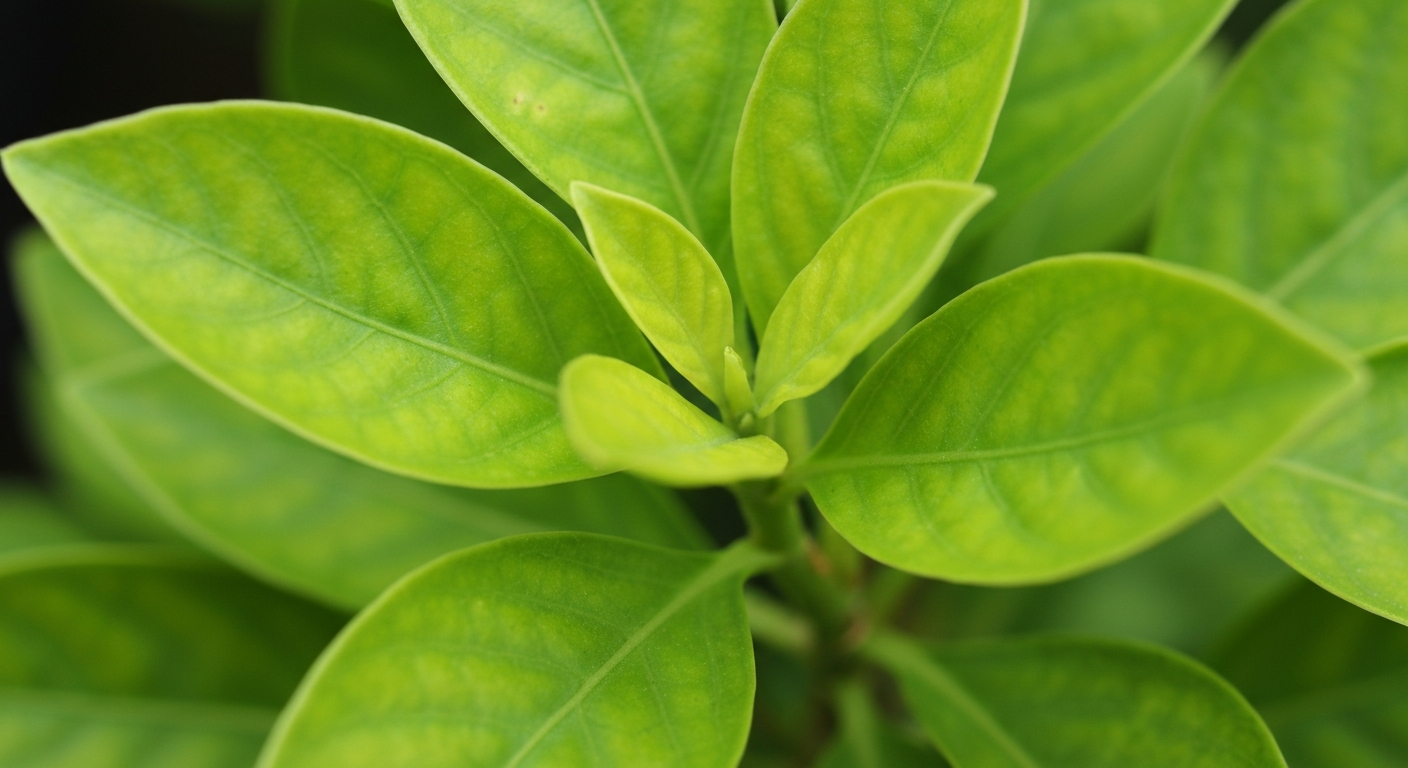
A sick plant triggers an immediate emotional response: yellow leaves, drooping stems, brown margins, or sudden leaf drop. The hard part is that those same visuals appear for fungus, insects, root decay, and plain old watering mistakes. Treating every sick plant with fungicide wastes money; ignoring a spreading fungal spot wastes the whole collection. This guide teaches US gardeners to separate disease from pests and cultural stress, walk through diagnosis in order, choose organic and chemical responses only when justified, and build habits that keep the next purchase healthy.
Pair this decision tree with photo tools from our plant disease identifier article and deep watering guidance in root rot when soil stays soggy.
Why “sick plant” is such a confusing search
People type sick plant when they lack vocabulary for the underlying issue. Houseplant parents see one yellow leaf on a monstera; tomato growers see wilting in July heat; rose lovers see bare lower canes after rain. Each scenario could be:
- Infectious plant disease
- Sap-feeding pests
- Root failure from overwatering
- Light or temperature shock
- Nutrient imbalance
Speed matters because infectious problems move through shared trays, greenhouse benches, and apartment plant shelves. Care stress usually stays on one pot unless you replicate the mistake everywhere.
Symptoms that point toward disease
Disease signs often show patterns and progression:
- Spots with yellow halos that enlarge over one to two weeks
- Powdery white patches that return after wiping
- Target rings on lower tomato foliage
- Dark rose lesions with surrounding yellow tissue
- Mosaic or mottling that spreads to new leaves without pest presence
When spots appear on multiple unrelated species after cool wet weather, think airborne fungal spores. When only one cultivar in a genus fails, consider variety susceptibility and local microclimate.
Symptoms that point toward pests
Check undersides and stem joints before assuming fungus:
- Fine webbing and stippling → spider mites
- Clusters of soft-bodied insects → aphids
- Brown shields and honeydew → scale
- Notched edges and frass → caterpillars or beetles
- Tiny flies from soil → fungus gnats (often linked to overwatering)
Pest damage can look like brown spots on plant leaves from stippling or honeydew mold. Treat the insect first; secondary sooty mold clears when pests die.
Symptoms that point toward care stress
| Sign | Likely stress | First fix |
|---|---|---|
| Wilting + wet soil | Root rot / low oxygen | Stop watering; inspect roots |
| Wilting + dry soil | Drought | Water thoroughly; adjust schedule |
| Crispy brown tips | Low humidity or salt | Flush; pebble tray or humidifier |
| Pale new growth | Low light or nitrogen | Adjust light/feed per label |
| Sudden drop after move | Transplant shock | Stable light; no feed 2 weeks |
A sick plant from culture recovers when environment matches species needs—often faster than fungicide recovery.
Causes behind a sick plant: ranked by setting
Indoors: Overwatering, poor drainage, low light with high water, stagnant humidity, new plant quarantine skipped, overhead mist without airflow.
Vegetable gardens: Splash irrigation, crowded beds, infected debris, warm nights with wet foliage.
Ornamentals: Overhead sprinklers on roses, fallen leaf inoculum, susceptible cultivars in humid regions.
Document which room or bed, which pot size, and last repot date—context solves many “mystery” sick plant cases.
Diagnosis steps: decision tree in order
Step 1 — Soil moisture. Stick a finger two inches deep. Soggy plus wilting → root rot pathway. Bone dry plus crispy → drought pathway.
Step 2 — Leaf undersides. Webbing or moving specks → pests. Static lesions with fuzzy or powdery growth → fungus.
Step 3 — Timeline. Symptoms right after repot → stress or damaged roots. Slow spread over weeks → infectious disease more likely.
Step 4 — Pattern on plant. Bottom-up yellowing on tomatoes → foliar disease or nitrogen; whole-plant collapse → roots or stem girdling.
Step 5 — Photo and AI. Sharp images fed to a plant disease identifier narrow hypotheses.
Step 6 — Test one change. Adjust watering OR treat pests OR prune infected leaves—not all three blindly.
Revisit in seven days. Spread implicates disease or active pests; stability implicates prior stress recovering.
Organic treatment paths by diagnosis
For fungal sick plants: Remove worst leaves; improve airflow; water soil mornings; apply labeled organic fungicides if early.
For pests: Insecticidal soap, horticultural oil on appropriate species, neem where label allows; repeat per label for egg cycles.
For root issues: Trim mushy roots, repot into fresh mix, smaller pot if needed, water lightly until new white tips form.
For stress: Fix light and water rhythm before any spray.
Chemical treatment when appropriate
Use conventional fungicides or insecticides when:
- High-value outdoor plants face defoliation in wet weather
- Vegetable harvest depends on remaining canopy
- Organic rotations failed and labels match plant and pest
Never apply indoors without ventilation and label clearance for interior use—many garden products are outdoor-only.
Documenting a sick plant case (template)
Copy into notes when panic hits:
- Plant name and location (south window, bed 3, etc.)
- First symptom date and photo
- Soil moisture today (wet/damp/dry)
- Pest check result (none / mites / other)
- Last repot, feed, move, spray dates
- Hypothesis and action chosen
- Follow-up date seven days out
This template pairs with diagnose plant problems S.C.O.U.T. and makes extension calls efficient.
Children, pets, and sick plant treatments
Read labels for re-entry intervals outdoors and ventilation indoors. Many garden fungicides are not labeled for interior use. When treating a sick plant in a kitchen, move it temporarily or choose products explicitly cleared for enclosed spaces. Wash hands after handling diseased tissue; discard bagged leaves in household trash, not open compost where dogs investigate. If multiple houseplants look sick simultaneously after a cold draft event, suspect environmental shock first—uniform timing across species points to culture, not contagious fungus attacking unrelated genera at once.
Prevention calendar for fewer sick plants
| When | Action |
|---|---|
| At purchase | Quarantine 14 days away from collection |
| Weekly | Scout undersides; feel soil before watering |
| Spring outdoor | Space plants; mulch; drip irrigate where possible |
| After rain | Avoid pruning wet tomatoes and roses |
| Fall | Remove debris; sterilize pots for reuse |
| Winter indoors | Reduce water when growth slows; add fan in humid rooms |
Photograph healthy leaves once per season so the next sick plant has a comparison baseline.
Mistakes to avoid with a sick plant
- Watering wilting plants automatically without checking soil
- Spraying fungicide on mite-stippled leaves
- Repotting into huge pots “to help” waterlogged roots
- Composting infected cuttings in small piles
- Moving a sick plant through every window without acclimation
- Ignoring quarantine for one new supermarket orchid
Using the Plant Disease Identifier app
Install the Plant Disease Identifier app when visual symptoms outpace guesswork:
- Photograph the sickest leaf and a mild one on the same plant.
- Compare AI suggestions to pest and moisture checks above.
- Save results to see if lesions grow after your chosen fix.
- Reshoot if new leaves show different patterns—viral vs. fungal vs. pest.
Apps accelerate naming; your fingers still confirm soil and insects.
Go deeper: learn structured triage in diagnose plant problems, or study foundational plant disease types before you buy sprays.