
As home gardeners, we pour our hearts into cultivating lush landscapes and bountiful harvests. Discovering a disease impacting our cherished trees can be disheartening. Among the most distinctive and often misunderstood fungal issues is cedar apple rust. This intriguing disease, while rarely fatal to mature trees, can significantly mar the appearance of your apple and crabapple trees, reduce fruit quality, and weaken junipers. Understanding its unique life cycle and how to manage it is crucial for maintaining a healthy garden. For more general insights into common tree ailments, explore our comprehensive guide on tree diseases.
What Exactly is Cedar Apple Rust?
Cedar apple rust is a fascinating and somewhat complex fungal disease caused by Gymnosporangium juniperi-virginianae. What makes it unique is its requirement for two completely different types of host plants to complete its life cycle: a juniper (often referred to as a “cedar” in this context, even though true cedars are not hosts) and an apple or crabapple tree. Without both hosts in proximity, the fungus cannot reproduce and spread. This means that if you only have one type of host plant, you won’t experience the full disease cycle in your garden. This type of fungus is known as a heteroecious rust.
Identifying Symptoms on Apple & Crabapple Trees
The symptoms of cedar apple rust on apple and crabapple trees are often the most noticeable and alarming for gardeners. They typically appear in late spring or early summer, usually within a week or two after the galls on nearby junipers have released their spores.
Early Symptoms on Leaves
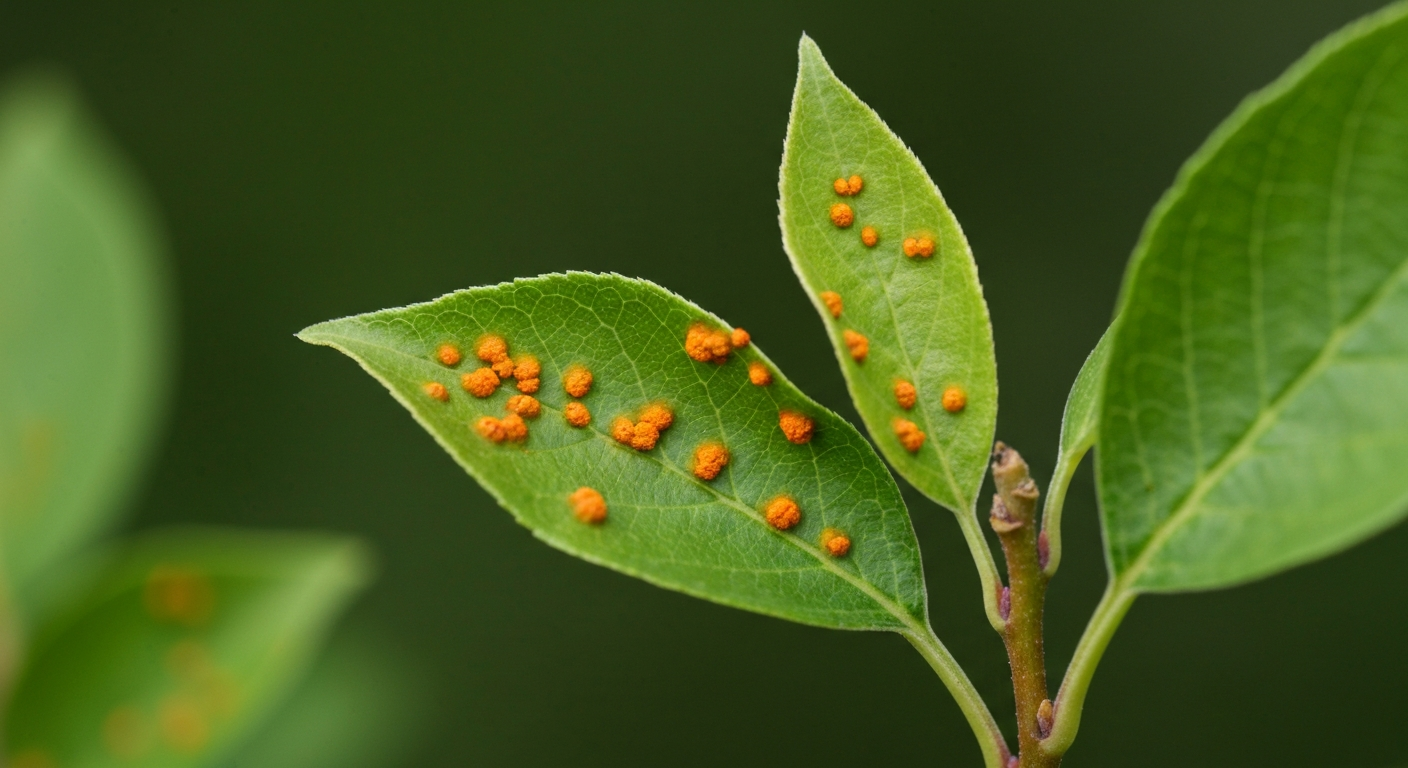
Initially, you’ll observe small, pale yellow spots on the upper surfaces of apple and crabapple leaves. These spots are often circular and may be surrounded by a reddish-orange halo. As the disease progresses, these spots enlarge and intensify in color, becoming bright orange-yellow with tiny black dots (spermogonia) in the center. These can sometimes be confused with other leaf spot diseases, but the distinctive color and eventually the spore-producing structures help differentiate them.
Advanced Symptoms on Leaves
Later in the summer, often on the undersides of the leaves directly beneath the initial spots, peculiar horn-like or tube-like structures emerge. These are called aecia (sometimes referred to as “cluster cups”). They are typically yellowish-orange and release spores that will then infect junipers. Severely infected leaves may turn yellow prematurely and drop, leading to defoliation, especially in susceptible varieties.
Symptoms on Fruit and Twigs
The disease doesn’t stop at the leaves. Fruit can also be affected, developing similar orange-yellow spots, often near the blossom end. These lesions can be sunken, corky, and may lead to deformed or stunted fruit that is unmarketable or unpalatable. On twigs, cankers can form, appearing as orange, swollen areas that can girdle and kill small branches.
Here’s a quick summary of symptoms on apples:
| Symptom Location | Appearance | Timing | Impact |
|---|---|---|---|
| Leaves | Small, pale yellow spots -> bright orange-yellow spots with black dots -> horn-like aecia on underside | Late Spring - Summer | Premature defoliation, reduced photosynthesis |
| Fruit | Orange-yellow spots, often sunken and corky | Early Summer - Harvest | Deformed, stunted, unmarketable fruit |
| Twigs | Orange, swollen cankers | Summer | Twig dieback, weakened branches |
Identifying Symptoms on Juniper & Cedar Trees
The symptoms on junipers and cedars are quite different from those on apples and crabapples, yet equally distinctive. These symptoms typically appear in late fall or early winter and develop throughout the winter months.
Gall Formation
The most prominent symptom on junipers is the formation of woody, brown, spherical galls on twigs and branches. These galls can range in size from a pea to a golf ball or larger. They are initially inconspicuous but become more evident as they mature. Each gall is essentially a fungal growth that houses the spores responsible for infecting apple trees.
Springtime “Jellyfish” Galls
The truly spectacular and unmistakable phase occurs in wet spring weather. After a rain, the galls absorb moisture and dramatically transform. Bright orange, gelatinous, horn-like projections (telial horns) emerge from the galls, making them resemble an alien creature or a vibrant orange jellyfish. These telial horns are packed with teliospores, which germinate and produce basidiospores that are then carried by wind to infect nearby apple and crabapple trees. Once dry, these horns shrivel, but the galls remain on the juniper, ready to produce more horns the following spring if conditions are right.
This unique appearance on junipers is often the first clue for gardeners that cedar apple rust is present in their area, even if they haven’t yet seen symptoms on their apple trees.
The Fascinating Life Cycle of Cedar Apple Rust
Understanding the two-year, two-host life cycle of cedar apple rust is key to effective management.
- Spring (Year 1) - Spore Release from Juniper: In early to mid-spring, after warm rains, the woody galls on juniper trees swell and produce bright orange, gelatinous telial horns. These horns release basidiospores, which are carried by wind (sometimes for miles, but usually within a few hundred feet) to infect young apple and crabapple leaves, twigs, and fruit.
- Late Spring/Early Summer (Year 1) - Apple Infection: Basidiospores land on susceptible apple/crabapple tissue and germinate, causing the characteristic yellow-orange spots on leaves, fruit, and twigs.
- Summer (Year 1) - Spore Production on Apple: Within these spots, tiny black dots (spermogonia) form, followed by the development of horn-like aecia (cluster cups) on the undersides of leaves or on fruit/twigs. These aecia release aeciospores.
- Late Summer/Fall (Year 1) - Juniper Infection: Aeciospores are carried by wind back to susceptible juniper trees. They land on juniper needles or young twigs and infect them.
- Fall/Winter (Year 1) - Gall Formation on Juniper: The fungus grows within the juniper tissue, leading to the development of small, greenish-brown galls that mature over the next 18-20 months.
- Spring (Year 2) - Cycle Repeats: These mature galls on the juniper are now ready to produce telial horns and release basidiospores, restarting the cycle.
This intricate dance between two distinct hosts highlights why simply treating one tree isn’t enough; both must be considered in a management plan.
Diagnosing Cedar Apple Rust
Accurate diagnosis is the first step toward effective treatment. Cedar apple rust has such distinct symptoms that it’s often relatively easy to identify compared to other plant diseases.
- Visual Inspection: Start by carefully examining both your apple/crabapple trees and any nearby junipers (within a quarter-mile radius, if possible). Look for the specific symptoms described above:
- On Apples/Crabapples: Bright orange-yellow spots on leaves (often with black dots), horn-like structures on leaf undersides, and potentially affected fruit or twigs.
- On Junipers: Woody galls, especially the dramatic orange, gelatinous horns that emerge during wet spring weather.
- Timing is Key: Note when the symptoms appear. The timing of gall activity on junipers and subsequent leaf spots on apples is a strong indicator.
- Use a Plant Disease Identifier App: For quick confirmation, especially if you’re unsure, take clear photos of the symptoms. You can photograph the distinctive galls on your juniper or the orange spots on your apple leaves with your iPhone and use the Plant Disease Identifier app. Our AI-powered tool can help you identify the disease and provide initial guidance on treatment. Remember, while AI is a fantastic informational tool, it’s not a substitute for professional agricultural advice. If you’re dealing with a widespread or severe issue, consulting a local extension office or certified arborist is always recommended for a definitive diagnosis and tailored treatment plan. For more general advice on how to diagnose plant problems, check out our guide.
Effective Treatment Strategies
Once cedar apple rust is identified, treatment focuses on managing the infection and preventing its spread. Since it’s a fungal disease, a combination of cultural practices and, if necessary, fungicides, will be most effective.
Cultural Practices
These methods focus on improving plant health and reducing the fungal inoculum.
- Pruning Galls from Junipers: This is one of the most direct and effective ways to reduce the source of infection. In late winter or early spring, before the galls swell and produce spores, prune out all visible galls from your junipers. Make sure to cut several inches below the gall into healthy wood. Dispose of the galls away from your garden – do not compost them.
- Sanitation: Regularly rake up and dispose of infected apple/crabapple leaves and fallen fruit. This reduces the amount of fungal material available to overwinter and potentially spread other diseases.
- Air Circulation: Ensure good air circulation around both your apple and juniper trees through proper pruning. This helps leaves dry faster, making them less hospitable for fungal spore germination.
Organic Approaches
For gardeners preferring organic solutions, several options can help manage cedar apple rust.
- Neem Oil: While primarily an insecticide, neem oil also has some fungicidal properties and can act as a preventative. Apply it according to package directions during periods when spores are likely to be present (e.g., early spring).
- Copper-Based Fungicides: Organic copper fungicides can be effective protectants. They work by preventing spores from germinating on plant surfaces. Apply them to apple/crabapple trees in early spring, just as buds begin to swell, and repeat applications every 7-10 days during periods of wet weather until petal fall. Always follow label instructions carefully.
- Sulfur-Based Fungicides: Similar to copper, sulfur can act as a protective fungicide. Apply it to apple/crabapple trees during the same critical spring period. Be cautious with sulfur applications in very hot weather (above 85°F/29°C), as it can cause leaf burn on some varieties.
Chemical Fungicides (When Necessary)
For severe or recurring infections, especially in commercial orchards or highly susceptible home varieties, chemical fungicides may be considered. These are primarily applied to apple and crabapple trees as a preventative measure.
- Timing is Crucial: Fungicides for cedar apple rust are most effective when applied to apple/crabapple trees from the tight cluster bud stage through bloom and up to two to three weeks after petal fall. This is the period when spores from junipers are most actively infecting the apple trees.
- Active Ingredients: Look for fungicides containing active ingredients like myclobutanil or propiconazole. These are systemic fungicides that can offer curative as well as protective action.
- Rotation: To prevent the development of fungicide resistance, it’s good practice to rotate different types of fungicides if you’re making multiple applications.
- Read the Label: Always, always read and follow the manufacturer’s instructions for mixing, application rates, and safety precautions. Fungicides can be powerful chemicals, and improper use can be harmful to you, your plants, and the environment.
Remember, fungicides are preventatives. They won’t cure existing spots on leaves but will protect new growth from infection. If you’re seeing signs of a sick plant, early intervention is always best.
Prevention: Your Best Defense
Prevention is by far the most effective and sustainable strategy for managing cedar apple rust. By taking proactive steps, you can significantly reduce or even eliminate the disease in your garden.
Choose Resistant Varieties
This is the single most impactful long-term prevention strategy. When purchasing new apple, crabapple, or juniper trees, select varieties known to be resistant to cedar apple rust.
- Resistant Apple/Crabapple Varieties:
- Apples: ‘Liberty’, ‘Freedom’, ‘Prima’, ‘Enterprise’, ‘William’s Pride’, ‘Honeycrisp’ (moderately resistant), ‘Red Delicious’ (moderately resistant).
- Crabapples: ‘Prairifire’, ‘Sugar Tyme’, ‘Harvest Gold’, ‘Adirondack’, ‘Indian Summer’.
- Resistant Juniper Varieties:
- ‘Blue Heaven’, ‘Grey Owl’, ‘Mount Batten’, ‘Spartan’, ‘Wichita Blue’.
- Many Chinese juniper (Juniperus chinensis) and savin juniper (Juniperus sabina) cultivars are highly susceptible, so avoid these if cedar apple rust is a concern.
Always ask your local nursery for advice on resistant varieties that thrive in your specific climate zone.
Strategic Planting and Spacing
The further apart susceptible junipers and apples/crabapples are planted, the less likely the disease will spread.
- Separation Distance: Ideally, susceptible hosts should be separated by at least a few hundred feet, preferably a quarter-mile or more. This significantly reduces the chances of wind-borne spores successfully reaching the alternate host. While this isn’t always feasible in smaller home gardens, even maximizing the distance can help.
- Avoid Mixed Plantings: If you know you have susceptible varieties, avoid planting them in close proximity. Consider what your neighbors might be growing as well.
Ongoing Maintenance
Consistent garden care plays a vital role in disease prevention.
- Regular Pruning: Maintain good air circulation within your apple and juniper trees by pruning out crowded branches. This helps foliage dry quickly, making it less hospitable for fungal growth.
- Sanitation: Continue to remove and dispose of infected plant debris (leaves, fruit, galls) promptly. This reduces the fungal load in your environment.
- Overall Plant Health: Healthy, vigorous plants are more resilient to diseases. Ensure your trees receive adequate water, nutrients, and sunlight. Avoid over-fertilizing with nitrogen, which can promote lush, tender growth that is more susceptible to disease.
By implementing these preventative measures, you can create a garden environment that is less welcoming to cedar apple rust.
Common Mistakes Home Gardeners Make
Even with the best intentions, gardeners can sometimes make mistakes that hinder their efforts to manage cedar apple rust.
- Not Understanding the Life Cycle: The biggest mistake is often failing to grasp that both a juniper and an apple/crabapple tree are required for the disease to complete its cycle. Treating only one host, or not realizing a neighbor’s tree is the other host, will lead to recurring problems.
- Misdiagnosis: While cedar apple rust has distinctive symptoms, especially the galls, early leaf spots on apples can sometimes be mistaken for other issues like brown spots on plant leaves caused by different fungi or even environmental stress. This can lead to ineffective treatment. Utilizing resources like the best plant disease identifier app can help confirm your suspicions.
- Treating Too Late: Fungicides for cedar apple rust are primarily protectants. Applying them after symptoms are widespread on apple leaves will do little to cure the existing damage. They must be applied preventatively during the critical spore release period in spring.
- Inconsistent Pruning of Galls: If you have junipers, diligently pruning off galls before they release spores in spring is crucial. Missing even a few galls can allow the disease to persist.
- Ignoring Resistant Varieties: Opting for highly susceptible apple or juniper varieties when resistant alternatives are available is a missed opportunity for long-term disease control.
- Planting Susceptible Hosts Too Close: In urban or suburban settings, it’s common to find both junipers and apple trees in close proximity. Without adequate separation, even with other management efforts, the disease can be a constant battle.
- Not Disposing of Infected Material Properly: Simply pruning off galls or raking up infected leaves and leaving them nearby or putting them in a compost pile (unless hot composting is assured) can allow spores to continue to spread. Always bag and dispose of infected material.
By being aware of these common pitfalls, you can make more informed decisions and implement a more effective strategy against cedar apple rust. Learning about various plant disease types, from powdery mildew on plants to tomato plant diseases, can broaden your understanding of plant health challenges.
Conclusion
Cedar apple rust, with its dramatic orange galls and distinctive leaf spots, is a formidable adversary for apple and juniper enthusiasts. However, it’s not an unconquerable foe. By understanding its unique two-host life cycle, accurately identifying its symptoms, and implementing a comprehensive strategy of prevention and treatment, you can significantly reduce its impact on your garden. Prioritizing resistant varieties, strategic planting, diligent sanitation, and timely applications of organic or chemical controls will help ensure your apple trees bear abundant, healthy fruit and your junipers remain vibrant. Don’t let this fungal intruder deter your gardening passion; instead, empower yourself with knowledge and proactive care to maintain a thriving, disease-resistant landscape. If you ever find yourself with a sick plant and aren’t sure what’s wrong, remember that resources like plantdiseaseapp.com are here to help you identify and address the issue.