

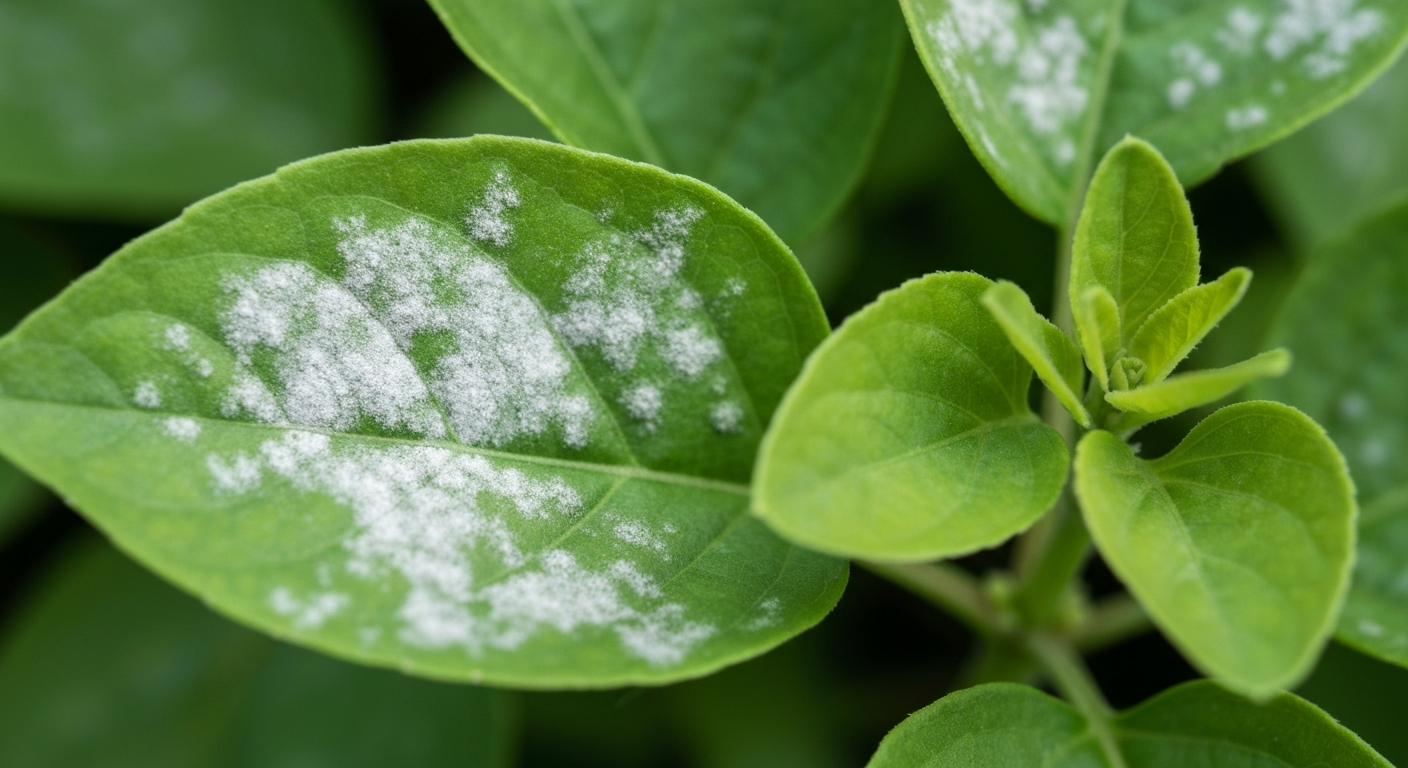
Few things are as disheartening for a gardener as discovering a beloved plant covered in strange spots and fuzzy growth. Among the most common and frustrating culprits is downy mildew, a fast-spreading disease that can devastate vegetables, ornamentals, and even fruit crops if left unchecked. Understanding this sneaky pathogen is your first line of defense in protecting your garden from its destructive potential.
As a Senior Plant Care Editor, I’ve seen countless cases of downy mildew, and the good news is that with knowledge and timely action, you can often manage and prevent its spread. This comprehensive guide will equip you with everything you need to know, from identifying the tell-tale symptoms to implementing effective treatment and prevention strategies.
What is Downy Mildew? The Oomycete Menace
Despite its name, downy mildew isn’t a true fungus in the traditional sense. It’s caused by a group of fungus-like organisms called oomycetes, often referred to as “water molds.” These pathogens thrive in cool, moist conditions and reproduce rapidly, making them particularly challenging to control once established. Unlike true fungi, oomycetes have different cell wall compositions and respond to different types of fungicides. This distinction is crucial when selecting treatments.
Downy mildew pathogens are obligate parasites, meaning they can only survive and reproduce on living plant tissue. They penetrate plant cells, drawing nutrients and eventually causing the characteristic symptoms we see.
Common Plants Affected by Downy Mildew
Downy mildew isn’t picky, but certain plants are particularly susceptible. It’s highly host-specific, meaning the downy mildew affecting your impatiens won’t jump to your tomatoes, but it will readily spread to other impatiens. Here are some of the most common garden plants that fall victim to this disease:
- Vegetables:
- Cucurbits: Cucumbers, melons, squash, pumpkins (a major threat, especially to cucumbers).
- Brassicas: Cabbage, broccoli, cauliflower, kale, collards.
- Spinach and Lettuce: Often devastated by specific downy mildew strains.
- Onions and Leeks: Can develop a purplish downy growth.
- Herbs: Basil
- Fruits:
- Grapes: Grape downy mildew is a major concern in vineyards.
- Strawberries
- Ornamentals:
- Impatiens: A notorious host, leading to widespread impatiens downy mildew in recent years.
- Roses: Although less common than black spot or powdery mildew, roses can get downy mildew.
- Pansies and Violas
- Snapdragons
Knowing which plants are at risk in your garden can help you be proactive with monitoring and prevention.
Identifying Downy Mildew: Symptoms to Watch For
Early detection is paramount when dealing with downy mildew. The symptoms can sometimes be confused with other leaf spot diseases or even nutrient deficiencies, so knowing what to look for is key.
Upper Leaf Symptoms
The first signs of downy mildew often appear on the upper surfaces of older leaves as pale green to yellow spots. These spots are typically angular, meaning they are bounded by the veins of the leaf. This vein-delimited appearance is a key diagnostic clue.
As the disease progresses, these spots may:
- Enlarge and merge.
- Turn brown or purple.
- Develop a water-soaked appearance.
Lower Leaf Symptoms
This is where downy mildew truly distinguishes itself. If you flip over an infected leaf, especially in the morning or after a period of high humidity, you’ll often see a fuzzy, grayish-purple or whitish growth on the underside. This “downy” growth is composed of the pathogen’s spores (sporangiophores) and is how the disease gets its name. This fuzzy growth may not always be present or easily visible, especially in dry conditions.
Progression of the Disease
Left untreated, downy mildew can quickly spread throughout the plant:
- Leaves may become distorted, shrivel, and turn brown.
- Severe infections lead to defoliation (leaf drop), weakening the plant significantly.
- Stems can also be affected, sometimes developing lesions.
- In some crops like grapes, it can affect fruit, causing shriveling and softening.
- For vegetables, it can lead to stunted growth and reduced yields.
Downy Mildew vs. Powdery Mildew
It’s crucial not to confuse downy mildew with its more common cousin, powdery mildew. While both are “mildews,” they are distinct diseases requiring different approaches.
| Feature | Downy Mildew | Powdery Mildew |
|---|---|---|
| Pathogen Type | Oomycete (water mold) | True fungus |
| Primary Location | Underside of leaves (fuzzy growth), angular spots on top | Upper surface of leaves, stems, flowers (powdery patches) |
| Appearance | Fuzzy, grayish-purple/whitish growth on underside; angular yellow spots on top | White, powdery, flour-like patches |
| Conditions Favored | Cool, wet, high humidity (leaf wetness crucial) | Warm, dry days with cool, humid nights (no free water needed) |
| Impact | Leaf yellowing, browning, defoliation, plant death | Stunted growth, distorted leaves, reduced flowering/fruiting |
If you suspect powdery mildew, you can learn more about its specific challenges and solutions in our article on /blog/powdery-mildew-on-plants/ or explore the dedicated /topics/powdery-mildew/ section.
Causes and Conditions Favoring Downy Mildew
Understanding why downy mildew appears is key to preventing it. This pathogen loves specific environmental conditions:
- Cool Temperatures: While specific temperature ranges vary by host and pathogen strain, most downy mildews thrive in cooler temperatures, typically between 50-70°F (10-21°C).
- High Humidity and Leaf Wetness: This is the most critical factor. Prolonged periods of leaf wetness (6-12 hours or more) are essential for the spores to germinate and infect plant tissue. This can be caused by:
- Frequent rain or heavy dew.
- Overhead watering that keeps foliage wet.
- Poor air circulation in dense plantings.
- Poor Air Circulation: Stagnant air traps humidity around plants, creating a microclimate perfect for downy mildew.
- Dense Plantings: Overcrowded plants reduce airflow and increase leaf wetness duration.
- Spore Dispersal: Downy mildew spores are incredibly efficient at spreading:
- Wind: Spores are easily carried long distances by wind.
- Rain Splash: Raindrops can splash spores from infected leaves to healthy ones.
- Contaminated Tools: Pruning shears or other tools used on infected plants can transfer spores.
- Infected Transplants: Introducing diseased plants into your garden is a common way to bring the pathogen in.
Diagnosing Downy Mildew
Accurate diagnosis is the first step toward effective treatment.
- Visual Inspection: Start by carefully examining your plants, paying close attention to both the upper and lower surfaces of leaves, especially older ones. Look for the angular yellow spots on top and the fuzzy growth underneath.
- Environmental Clues: Consider recent weather patterns. Has it been cool and humid? Have you had prolonged periods of rain or heavy dew?
- Use a Plant Disease Identifier App: For quick, initial assessments, tools like the Plant Disease Identifier iPhone app can be incredibly helpful. You can photograph the symptoms on your plant, and the app’s AI can provide a likely diagnosis and recommend next steps. While AI is a fantastic informational tool, remember it’s not a substitute for professional agricultural advice. If you’re struggling to identify a problem, it’s always wise to consult your local extension office. You can learn more about how these apps work at /best-plant-disease-identifier-app/.
- Rule Out Other Issues: Be sure to distinguish downy mildew from other common problems like /blog/leaf-spot-disease/, /blog/brown-spots-on-plant-leaves/, or even nutrient deficiencies. If your plant is generally looking /blog/sick-plant/ but you’re unsure of the cause, our guide on /blog/diagnose-plant-problems/ might help.
Treatment Strategies for Home Gardeners
Once downy mildew is present, complete eradication can be challenging, but management and prevention of spread are achievable.
Cultural Practices (First Line of Defense)
These non-chemical methods are crucial for managing existing infections and preventing future ones.
- Remove Infected Plant Parts: As soon as you spot symptoms, carefully prune away affected leaves, stems, or entire plants. Do this when foliage is dry to minimize spore dispersal. Dispose of infected material in the trash, not your compost pile, to prevent further spread.
- Improve Air Circulation:
- Pruning: Thin out dense foliage within plants to allow air to flow through.
- Spacing: Ensure adequate spacing between plants when planting to prevent overcrowding.
- Optimize Watering Techniques:
- Water at the Base: Use drip irrigation or soaker hoses to deliver water directly to the soil, keeping foliage dry.
- Water in the Morning: If overhead watering is unavoidable, do it early in the day so leaves have time to dry completely before evening.
- Sanitation:
- Clean Tools: Always disinfect pruning shears and other tools with a 10% bleach solution or rubbing alcohol after working with infected plants.
- Remove Debris: Keep your garden beds free of plant debris, which can harbor spores.
Organic Solutions
For gardeners preferring non-synthetic approaches, some organic options can help, primarily as preventative measures or for very early, mild infections.
- Copper-based Fungicides: These are often approved for organic gardening (check for OMRI listing) and can be effective against downy mildew. They work as protectants, forming a barrier on the plant surface. Apply according to label instructions, ensuring thorough coverage. Be mindful that repeated copper applications can accumulate in the soil.
- Neem Oil: While primarily known for its insecticidal properties, neem oil can have some fungicidal effects. It works best as a preventative or early treatment by disrupting spore germination. It’s less effective on established infections. Apply thoroughly to both sides of leaves.
- Potassium Bicarbonate: A close relative of baking soda, potassium bicarbonate can alter the pH on the leaf surface, making it less hospitable for the pathogen. Mix with water and a horticultural soap (as a spreader) and spray. Like neem, it’s best for prevention or very early stages.
- Compost Tea: While not a direct fungicide, regularly applying a well-brewed compost tea can enhance plant vigor and boost natural defenses, making plants more resilient to disease.
When Fungicides Help
For severe outbreaks or in situations where cultural controls aren’t enough, chemical fungicides may be necessary. Remember that fungicides are most effective when applied preventatively or at the very first sign of disease, before the infection becomes widespread.
- Specific Formulations: Look for fungicides explicitly labeled for downy mildew. Active ingredients often include propamocarb, dimethomorph, mandipropamid, or certain copper-based products.
- Read the Label: Always, always read and follow the product label instructions carefully regarding dosage, application frequency, safety precautions, and target plants. Misuse can be ineffective, harmful to your plants, or dangerous to you and the environment.
- Rotation: To prevent the pathogen from developing resistance, rotate between different types of fungicides with different modes of action if you are applying them regularly.
- Protectant vs. Systemic: Some fungicides are protectants (forming a barrier on the plant surface), while others are systemic (absorbed by the plant). Systemic options can offer longer protection but may not be suitable for all crops or organic practices.
Important Note: Neither AI tools nor this article can provide a professional diagnosis or recommend specific agricultural chemical applications. Always consult your local agricultural extension service for tailored advice on severe or persistent plant disease issues. For general information on various plant ailments, our comprehensive guide on /blog/plant-disease/ is a great resource.
Prevention is Key: Stopping Downy Mildew Before It Starts
The most effective way to deal with downy mildew is to prevent it from ever taking hold.
- Choose Resistant Varieties: Whenever possible, select plant varieties that are labeled as resistant or tolerant to downy mildew. This is especially critical for susceptible crops like impatiens, cucumbers, and basil.
- Proper Plant Spacing: Give your plants enough room to breathe! Follow recommended spacing guidelines for each plant type to ensure good air circulation and rapid drying of foliage.
- Strategic Watering: Implement drip irrigation or soaker hoses. If using overhead sprinklers, water early in the morning so leaves can dry quickly in the sun. Avoid evening watering.
- Sanitation and Garden Hygiene:
- Crop Rotation: If downy mildew has been an issue in a particular bed, rotate crops. Don’t plant susceptible species in the same spot year after year.
- Remove Plant Debris: Clear away fallen leaves and plant residues regularly.
- Disinfect Tools: Clean pruning shears and other garden tools regularly.
- Monitor Regularly: Walk through your garden frequently, inspecting plants for any early signs of disease. Early detection drastically improves your chances of successful management. For specific concerns like /blog/tomato-plant-diseases/, regular monitoring is even more critical.
- Avoid Over-Fertilizing with Nitrogen: While nitrogen promotes leafy growth, excessive nitrogen can lead to lush, tender foliage that is more susceptible to disease. Maintain a balanced fertilization program.
Common Mistakes to Avoid
Even experienced gardeners can make mistakes when dealing with downy mildew. Here are some pitfalls to steer clear of:
- Mistaking it for Powdery Mildew: As discussed, these are different diseases with different preferred conditions and sometimes different treatments. Incorrect identification leads to ineffective solutions.
- Ignoring Early Symptoms: Downy mildew spreads quickly. Waiting to see if it “goes away” will only result in a more severe, harder-to-control outbreak.
- Overhead Watering in the Evening: This is an open invitation for downy mildew. Prolonged leaf wetness overnight is ideal for spore germination.
- Overcrowding Plants: Dense plantings create humid microclimates that downy mildew loves. Give your plants space.
- Composting Infected Material: Downy mildew spores can survive in compost and re-infect your garden later. Always dispose of infected plants in the trash.
- Using the Wrong Treatment: Applying a general fungicide or an insecticide won’t work if it’s not specifically formulated for downy mildew or oomycetes. Always check the label.
- Not Addressing Environmental Factors: Simply spraying won’t solve the problem if you don’t also address the underlying conditions (humidity, poor air circulation) that favor the disease.
Conclusion
Downy mildew can be a formidable foe in the garden, but it’s not an unbeatable one. By understanding its symptoms, the conditions it thrives in, and employing a combination of cultural practices, organic solutions, and, when necessary, appropriate fungicides, you can protect your plants. Vigilance, proper garden hygiene, and a proactive approach are your best tools in keeping this “water mold” at bay. Happy gardening!