

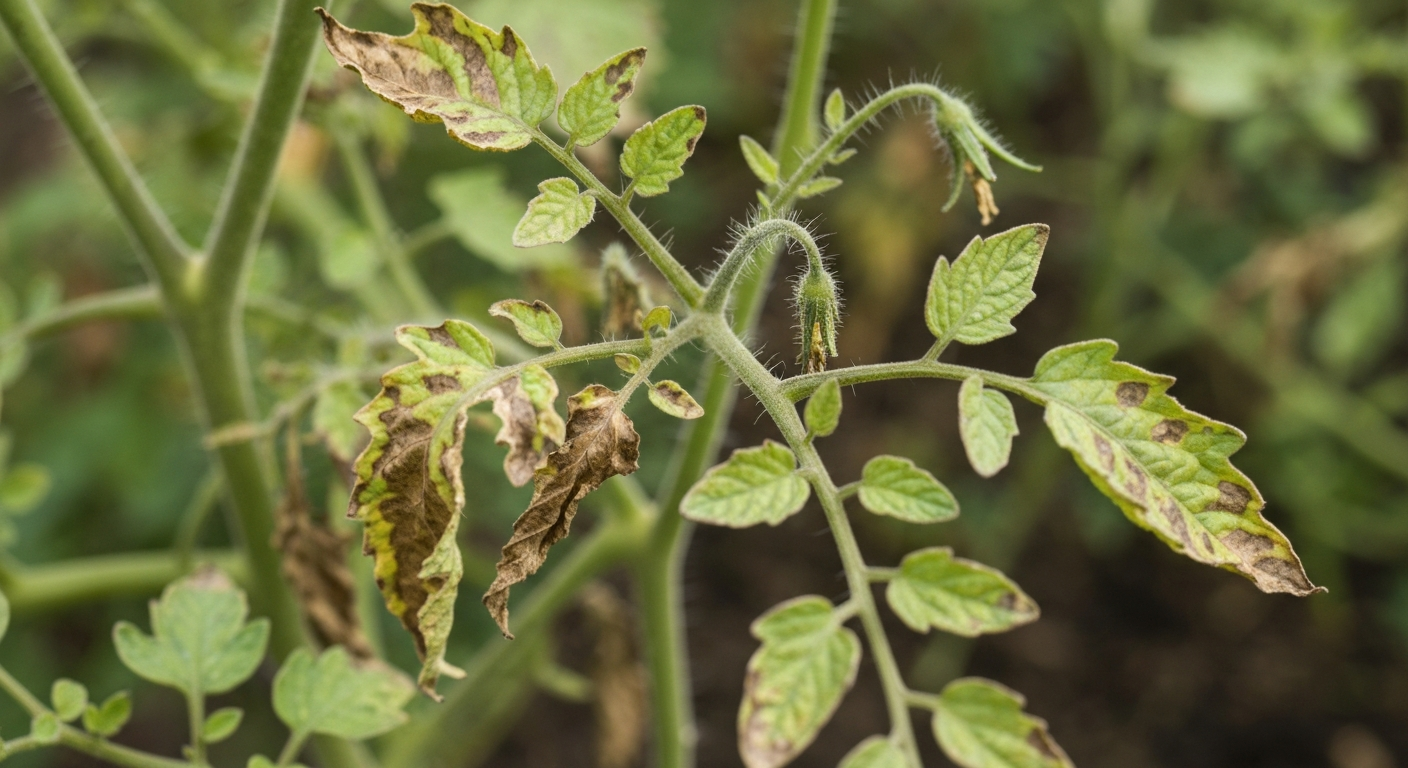
Ah, the joy of a ripening tomato! There’s nothing quite like plucking a sun-warmed, juicy tomato from your own garden. But for many home gardeners, this idyllic scene is often threatened by a common, persistent foe: early blight tomatoes. This fungal disease can quickly turn lush green foliage into a spotted, yellow mess, significantly impacting your harvest. Don’t despair, though! With the right knowledge and proactive strategies, you can effectively manage and prevent early blight, ensuring your tomato plants thrive and yield a bountiful crop.
As Senior Plant Care Editor for plantdiseaseapp.com, I’m here to guide you through everything you need to know about early blight – from identifying its tell-tale symptoms to implementing robust treatment and prevention plans. Let’s dig in!
What is Early Blight on Tomatoes?
Early blight is a common fungal disease of tomatoes (and potatoes) caused by the pathogen Alternaria solani. Despite its name, “early” blight can appear at any stage of the plant’s growth, though it often manifests earlier in the season than “late blight” (a different disease entirely). It’s particularly prevalent in regions with warm, humid conditions, making it a recurring challenge for many gardeners. The fungus primarily targets leaves, but can also affect stems and fruit, leading to defoliation, reduced vigor, and compromised yields.
Recognizing the Signs: Early Blight Symptoms on Tomatoes
Spotting early blight quickly is crucial for effective management. The symptoms are quite distinct, allowing you to differentiate it from other common tomato ailments.
Symptoms on Leaves
This is where early blight usually makes its first appearance, typically on the older, lower leaves of the plant.
- Small, Dark Spots: Initially, you’ll notice small (about 1/4 to 1/2 inch in diameter), circular, dark brown to black spots.
- Target-like Rings: The most characteristic symptom is the development of concentric rings within these spots, resembling a target or bull’s-eye. This distinctive pattern is a key identifier.
- Yellow Halo: Often, a yellow halo surrounds the dark spots.
- Leaf Drop: As the disease progresses, these spots enlarge and merge, causing the affected leaves to turn yellow, then brown, shrivel, and eventually drop off the plant. This defoliation can be severe, exposing fruit to sunscald.
Symptoms on Stems
While less common than leaf symptoms, early blight can also affect stems, particularly near the soil line on seedlings or at branch crotches on mature plants.
- Dark Lesions: You might see dark, sunken lesions with concentric rings similar to those on leaves.
- Collar Rot: On young plants, these lesions can girdle the stem, leading to “collar rot,” which can cause the seedling to wilt and collapse.
Symptoms on Fruit
Fruit infection is less frequent but can occur, especially if plants are severely defoliated and the fruit is exposed.
- Dark, Leathery Spots: Lesions on fruit are typically dark, sunken, and leathery, often appearing near the stem end.
- Concentric Rings: Like the leaf spots, these fruit lesions can also exhibit the characteristic target-like concentric rings.
- Secondary Rots: Infected fruit can become susceptible to secondary infections from other fungi or bacteria, leading to further decay.
The Culprit: What Causes Early Blight?
Understanding the conditions that favor early blight helps in prevention. The fungal pathogen Alternaria solani thrives in specific environments:
- Warm, Wet Conditions: The fungus is most active in temperatures between 75-85°F (24-29°C) and requires periods of leaf wetness (from rain, dew, or overhead irrigation) for spore germination and infection. Prolonged humidity and moisture are its best friends.
- Inoculum Sources: The fungus overwinters in several ways:
- Infected Plant Debris: Spores can survive for years on infected tomato or potato plant residue left in the soil.
- Soil: The fungus can persist in the soil itself.
- Weeds: Certain solanaceous weeds (like nightshade) can host the pathogen.
- Contaminated Seeds: Though less common, the fungus can sometimes be seed-borne.
- Wind and Water Splash: Spores are easily spread by wind, splashing water (rain or irrigation), tools, and even gardeners moving between plants.
- Stressed Plants: Plants that are stressed due to nutrient deficiencies, drought, or other diseases are more susceptible to infection.
Accurate Diagnosis: Is it Early Blight or Something Else?
Identifying early blight correctly is crucial because its treatment differs from other diseases. Several other tomato ailments can cause similar-looking spots or defoliation.
Differentiating Early Blight from Other Diseases
- Septoria Leaf Spot: This disease also causes small, circular spots on leaves, but they are typically smaller than early blight spots and often have a gray or tan center with tiny black dots (pycnidia) – the fungal fruiting bodies – which are absent in early blight. Septoria also typically affects lower leaves first.
- Late Blight: While both are “blights,” late blight (caused by Phytophthora infestans) is far more aggressive and devastating. Late blight causes large, irregular, water-soaked lesions that often appear on younger leaves first and can rapidly spread to stems and fruit. A fuzzy white mold may be visible on the undersides of infected leaves, especially in very humid conditions. Late blight prefers cooler, very wet weather, whereas early blight prefers warmer conditions.
- Bacterial Spot/Speck: These bacterial diseases cause very small, dark, often greasy-looking spots without the concentric rings of early blight.
- Nutrient Deficiencies: Some nutrient deficiencies, particularly potassium or magnesium, can cause yellowing and browning of lower leaves, but they typically lack the distinct spots and concentric rings of early blight.
When in doubt, a clear photograph can be invaluable. If you’re unsure what’s ailing your plant, simply snap a picture with your iPhone and upload it to the Plant Disease Identifier app. Our AI-powered tool can help you pinpoint the problem quickly, offering a preliminary diagnosis and tailored advice. Remember, while AI is a fantastic informational tool, it’s not a substitute for professional agricultural advice. For more general guidance on diagnosing plant issues, check out our article on how to diagnose plant problems. If you’re seeing general brown spots on plant leaves, it could be a range of issues, but the target-like rings are specific to early blight.
Effective Treatment Strategies for Early Blight
Once early blight has set in, eradication is difficult, but management is definitely possible to save your harvest. The key is to act swiftly and consistently.
Organic Approaches for Early Blight
For home gardeners preferring organic methods, cultural practices are your first line of defense.
- Pruning Infected Foliage: Carefully remove and destroy (do not compost) any leaves, stems, or fruit showing symptoms. Use clean, sharp pruners and sanitize them with a bleach solution or rubbing alcohol between cuts to avoid spreading spores. Focus on the lower, older leaves where the disease often starts. This improves air circulation and reduces the fungal load.
- Improve Air Circulation: Pruning lower branches (even healthy ones, up to the first fruit cluster) and ensuring proper plant spacing helps reduce humidity around the foliage, making it less hospitable for fungal growth. Staking or caging plants also lifts them off the ground, further aiding air flow.
- Watering Practices: Always water at the base of the plant, directly at the soil line, using drip irrigation or a soaker hose. Avoid overhead watering, which wets the leaves and provides the perfect environment for spore germination. Water in the morning so any accidental splashing has time to dry before nightfall. Improper watering can also lead to other issues like root rot.
- Mulching: Apply a thick layer of organic mulch (straw, shredded leaves, wood chips) around the base of your tomato plants. This acts as a barrier, preventing fungal spores from splashing up from the soil onto the lower leaves during watering or rain.
- Organic Fungicides: For a more proactive organic approach, consider applying approved organic fungicides like copper-based sprays or neem oil. These act as protectants, creating a barrier on leaf surfaces that prevents spores from germinating. They are most effective when applied before infection or at the very first sign of disease. Follow product instructions carefully for application rates and frequency.
When Fungicides Help: Chemical Treatment
For severe infections or in areas with high disease pressure, conventional fungicides can be an effective tool.
- Timing is Key: Fungicides are primarily protectants, meaning they work best when applied before the disease takes hold or at the very first symptoms to prevent further spread. They are less effective at curing existing infections.
- Types of Fungicides: Look for products labeled for early blight on tomatoes. Common active ingredients include chlorothalonil or mancozeb. Always choose products specifically designed for home garden use and follow the label instructions precisely regarding mixing, application, safety precautions, and pre-harvest intervals (PHI).
- Application: Ensure thorough coverage of all leaf surfaces, including undersides. Repeat applications are usually necessary, especially after rain, according to the product label.
Post-Treatment Care
After implementing treatment, continue to monitor your plants closely. Provide adequate nutrition with balanced fertilizers to help the plant recover from stress. Ensure consistent watering to support new growth.
Prevention is Key: Stopping Early Blight Before It Starts
The best defense against early blight is a strong offense. Implementing preventive measures before symptoms appear can drastically reduce your chances of infection and ensure a healthier, more productive garden.
- Crop Rotation: This is one of the most critical preventive measures. Do not plant tomatoes (or potatoes) in the same spot year after year. Rotate your crops to a different part of the garden for at least 2-3 years. This helps break the disease cycle by moving plants away from overwintering spores in the soil. For more on managing other tomato issues, explore our hub on tomato diseases.
- Choose Resistant Varieties: When purchasing tomato seeds or seedlings, look for varieties labeled as resistant or tolerant to early blight (often indicated by “EB” or “A” in variety descriptions). While no tomato is completely immune, these varieties offer a significant advantage.
- Sanitation, Sanitation, Sanitation:
- Clean Up Debris: At the end of the growing season, meticulously remove all tomato (and potato) plant debris from your garden. Do not leave it to overwinter, as it harbors fungal spores.
- Sterilize Tools: Regularly clean and sterilize your gardening tools, especially pruners, between plants and after each use to prevent accidental spread of spores.
- Weed Control: Keep your garden free of solanaceous weeds, which can act as alternative hosts for the fungus.
- Proper Spacing: Give your tomato plants ample space for good air circulation. Follow recommended spacing guidelines for the variety you’re growing. Overcrowding creates humid microclimates that favor fungal growth.
- Mulch: As mentioned in treatment, mulching is also a powerful preventive tool. It prevents spores from splashing up from the soil onto lower leaves.
- Watering Wisely: Stick to watering at the base of the plant in the morning. Avoid overhead irrigation.
- Balanced Nutrition: Healthy, vigorous plants are more resistant to disease. Provide your tomatoes with balanced nutrients throughout the growing season. Avoid excessive nitrogen, which can promote lush, tender growth that is more susceptible to infection.
- Early Season Protection: In areas with a history of early blight, consider applying an organic fungicide (like copper or neem oil) as a preventative spray early in the season, even before symptoms appear, especially after periods of prolonged rain or humidity.
Common Mistakes to Avoid When Dealing with Early Blight
Even experienced gardeners can make mistakes that exacerbate early blight problems. Here are some common pitfalls to avoid:
- Ignoring Early Symptoms: Many gardeners dismiss initial spots as minor issues. Early blight spreads rapidly, and early intervention is critical. The moment you see those target-like spots, take action!
- Overhead Watering: This is perhaps the most common mistake. Constantly wet foliage is an open invitation for Alternaria solani spores to germinate and infect.
- Poor Garden Sanitation: Leaving infected plant debris in the garden over winter guarantees a fresh batch of spores for the next season. Be diligent with cleanup.
- Planting in the Same Spot: Continuous planting of tomatoes or potatoes in the same location without crop rotation builds up fungal inoculum in the soil, making future infections almost inevitable.
- Over-reliance on Fungicides Alone: Fungicides are tools, not magic bullets. They are most effective when used in conjunction with good cultural practices like sanitation, proper watering, and air circulation.
- Pruning Too Aggressively: While removing infected leaves is good, don’t strip your plant bare. Too much defoliation can stress the plant and reduce its ability to photosynthesize and produce fruit. Aim to remove only the most heavily infected leaves.
- Misdiagnosis: Treating early blight as if it were powdery mildew (a different fungal issue, see powdery mildew on plants) or a nutrient deficiency will not yield results and wastes valuable time. Proper identification, perhaps with the help of a plant disease identifier app, is crucial.
Early Blight Management Calendar for Tomatoes
Here’s a simplified calendar to help you plan your early blight prevention and management throughout the growing season:
| Season | Task | Details