

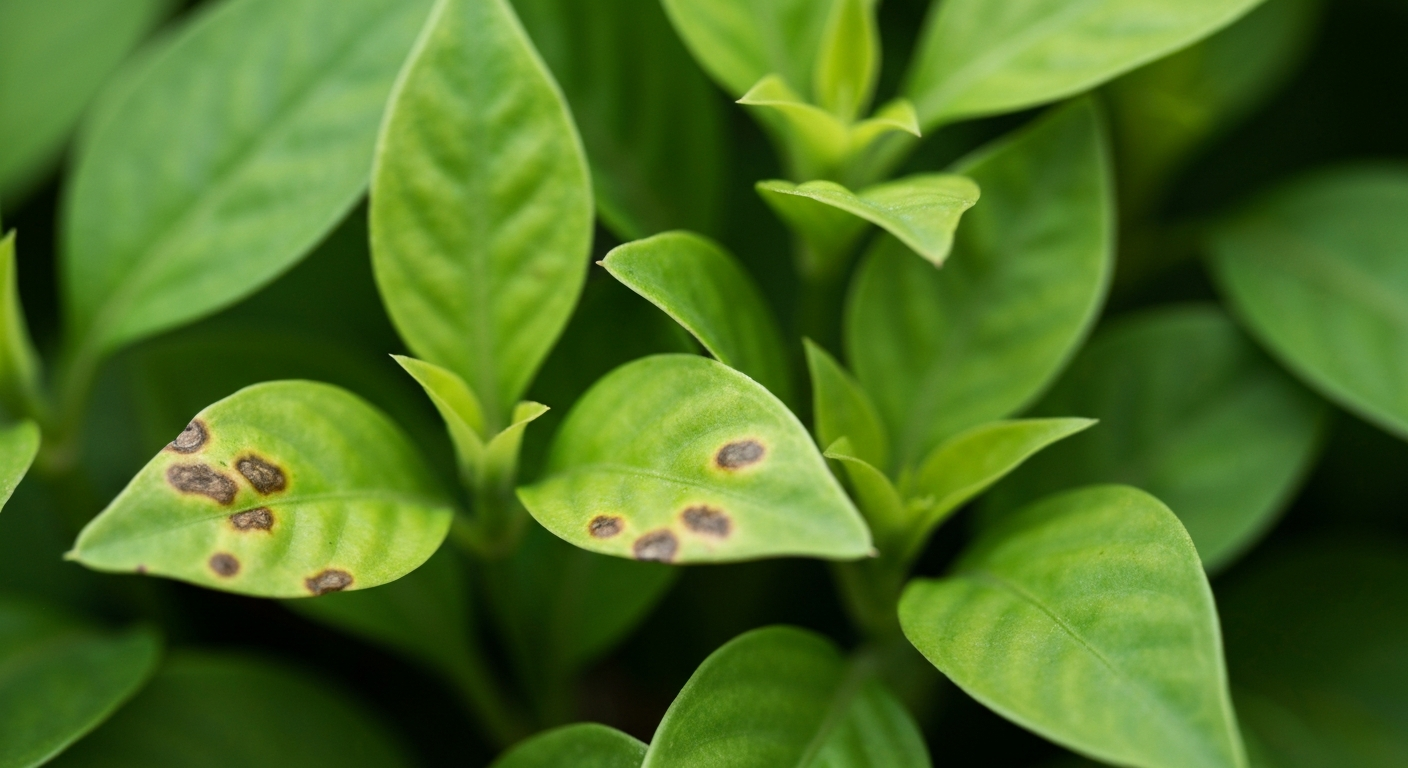
Root rot is one of the highest-volume searches in home horticulture because the symptoms feel cruelly contradictory: leaves wilt and yellow while the soil still feels wet. Roots sitting in oxygen-poor, saturated medium invite water molds (Phytophthora, Pythium) and decay organisms that turn firm white roots into mush. Houseplant collectors, succulent beginners, and vegetable gardeners in heavy clay all meet root rot eventually.
This guide explains early and late symptoms, causes beyond “too much water,” diagnosis by inspecting roots, organic and chemical salvage steps, prevention calendars for pots and beds, mistakes that kill recoverable plants, and when to use photo tools for foliar look-alikes while you fix roots underground. Pair with sick plant triage and brown spots on plant leaves when spots appear on foliage during decline.
Why root rot matters before spots appear on leaves
Roots deliver water and nutrients. When they fail, shoots cannot hydrate even in wet soil—hence wilting. Gardeners often add more water, accelerating death. Fungicides sprayed on leaves do not reach rotting roots unless products are specifically labeled for soil drench—and culture still comes first.
Indoors, root rot is a leading cause of “mystery” decline on pothos, fiddle leaf figs, and peace lilies. Outdoors, poorly drained beds and over-irrigated containers mimic the same physiology. Catching rot when roots are partly firm saves plants that look hopeless above ground.
Symptoms: early warning through late collapse
Early signs:
- Yellowing leaves on an otherwise “well watered” plant
- Slow or stunted new growth
- Musty soil odor
- Leaves soft but not crispy
Progressive signs:
- Wilting that does not recover overnight
- Brown or black mushy roots instead of firm white/tan roots
- Stem base softness on severe cases
- Brown spots or edema on leaves from dysfunctional water uptake
Late signs:
- Sudden collapse of entire stems
- All roots brown and slipping away from touch
- Foul smell when pot is removed
Foliar fungus may coexist—treat roots first; leaves cannot recover without a root system.
Causes: more than overwatering alone
| Factor | How it contributes |
|---|---|
| Overwatering frequency | Keeps soil saturated, excludes oxygen |
| Poor drainage holes | Water pools in pot bottoms |
| Oversized pots | Large soil mass stays wet in center |
| Heavy peat mixes indoors | Stay wet too long for succulents |
| Cool dark rooms | Roots respire slowly; soil dries slowly |
| Reused infected soil | Pathogen carryover |
| Compacted garden beds | Waterlogged clay after rain |
Pathogens exploit stressed roots; fixing water rhythm is non-negotiable even if you drench with labeled products.
Diagnosis steps: confirming root rot
- Compare wilting to soil moisture — wet soil + wilting = suspect roots.
- Slide plant from pot — roots should be visible at drain holes if advanced.
- Gently rinse roots with lukewarm water to see color and firmness.
- Healthy vs. diseased — firm white/tan tips good; brown mush bad.
- Smell and texture — sour odor and slime confirm severe rot.
- Estimate salvageable mass — if more than half roots are mush, consider cuttings from healthy stems.
- Photograph foliage only for AI if you wonder about parallel leaf disease—underground issue still dominates.
Use diagnose plant problems Step U (Underground) every time wilting confuses you.
Organic treatment and salvage protocol
- Unpot and rinse roots gently.
- Trim all mushy, brown, or hollow roots with sterile shears; sterilize between plants.
- Let cut ends dry 1–2 hours on paper for some succulents; most houseplants repot immediately.
- Repot into fresh, well-draining mix matched to species—not the old soggy medium.
- Choose a pot only slightly larger, or same size with fewer roots; excess soil holds water.
- Water lightly until new white root tips appear; may take weeks.
- Increase light modestly if plant was in dark corner slowing soil dry-down—balance species needs.
- Remove some upper leaves if root mass was drastically reduced—reduces water demand.
For garden beds with chronic wet spots, improve drainage with compost incorporation, raised rows, or redirecting downspouts—not repeated foliar fungicide alone.
Chemical treatment when appropriate
Soil drenches with labeled fungicides may help some commercial or high-value cases after removing rotted tissue and fixing drainage. Read labels for crop, drench rate, and interval. Many houseplant rescues succeed without drench if culture is corrected—chemicals are not a substitute for dry-down cycles on succulents.
Do not pour hydrogen peroxide or random home concoctions at full strength without understanding burn risk—root tips are delicate.
Species-specific watering notes to prevent root rot
Succulents and cacti: Soak then dry completely; winter dormancy may mean weeks without water in cool bright rooms.
Pothos and philodendron: Prefer drying slightly between waterings; yellow leaves with wet soil scream roots.
Fiddle leaf fig: Large pots stay wet in center—use well-draining soil and avoid watering on a calendar without checking depth.
Peace lily: Wilts dramatically when dry but also rots when sat in saucers; empty saucers after each water.
Outdoor tomatoes in pots: Clay dries faster than plastic; adjust frequency daily in heat waves.
Matching species to water rhythm prevents most indoor root rot more reliably than any drench fungicide.
Propagation salvage when roots fail
When roots are mostly mush but stems remain firm, take cuttings above rot zone. Sterile knife, few leaves removed to reduce transpiration, rooting hormone optional per label, bright indirect light, humidity dome only if air is not stagnant. Discard contaminated soil and wash pots with dilute bleach before reuse. Never propagate from tissue showing black stem streaks—bacteria may travel with cuttings. After repotting for root rot, resist moving the plant through every room to “find a better spot”—stable bright indirect light and consistent light watering beat repeated environmental shocks that pause root regeneration for weeks.
Prevention calendar
| Setting | Prevention |
|---|---|
| Houseplants | Pot with drainage; water when top 1–2 inches dry for most tropicals |
| Succulents | Gritty mix; bright light; rare deep soaks |
| Outdoor containers | Elevate pots; empty saucers after rain |
| Vegetable beds | Raised beds in clay; drip irrigation |
| Repotting | Spring timing; avoid huge pots “for growth” |
| New plants | Quarantine; inspect roots at pot edge before blending into collection |
Document water dates in a notes app when learning a new species.
Mistakes to avoid with root rot
- Watering wilting plants automatically
- Repotting into oversized decorative pots without drainage
- Leaving rotted roots “to support the plant”
- Applying leaf fungicide while roots dissolve
- Placing rescued plants back in dark humid corners
- Composting infected root balls in small home piles
- Giving heavy fertilizer to root-pruned plants immediately
Saucers, cache pots, and hidden standing water
Decorative cache pots without drainage hide rot until collapse. Either drill drainage with appropriate tools for the material or water only enough that the inner nursery pot never sits in pooled water for more than minutes. Self-watering systems work for some ferns but kill succulents—match system to species, not influencer aesthetics.
Using the Plant Disease Identifier app
Root rot itself is underground, but gardeners often photograph yellow leaves first. The Plant Disease Identifier app helps rule out foliar diseases mimicking decline:
- Photograph yellow or spotted leaves in sharp light.
- If AI suggests mildew or leaf spot strongly, still check roots—dual problems happen.
- Save foliage scans while you track root recovery weekly above pot level.
Technology supports naming leaf issues; your hands confirm root firmness.
Related: triage wilting fast with sick plant and learn when leaf spots are separate in brown spots on plant leaves.