

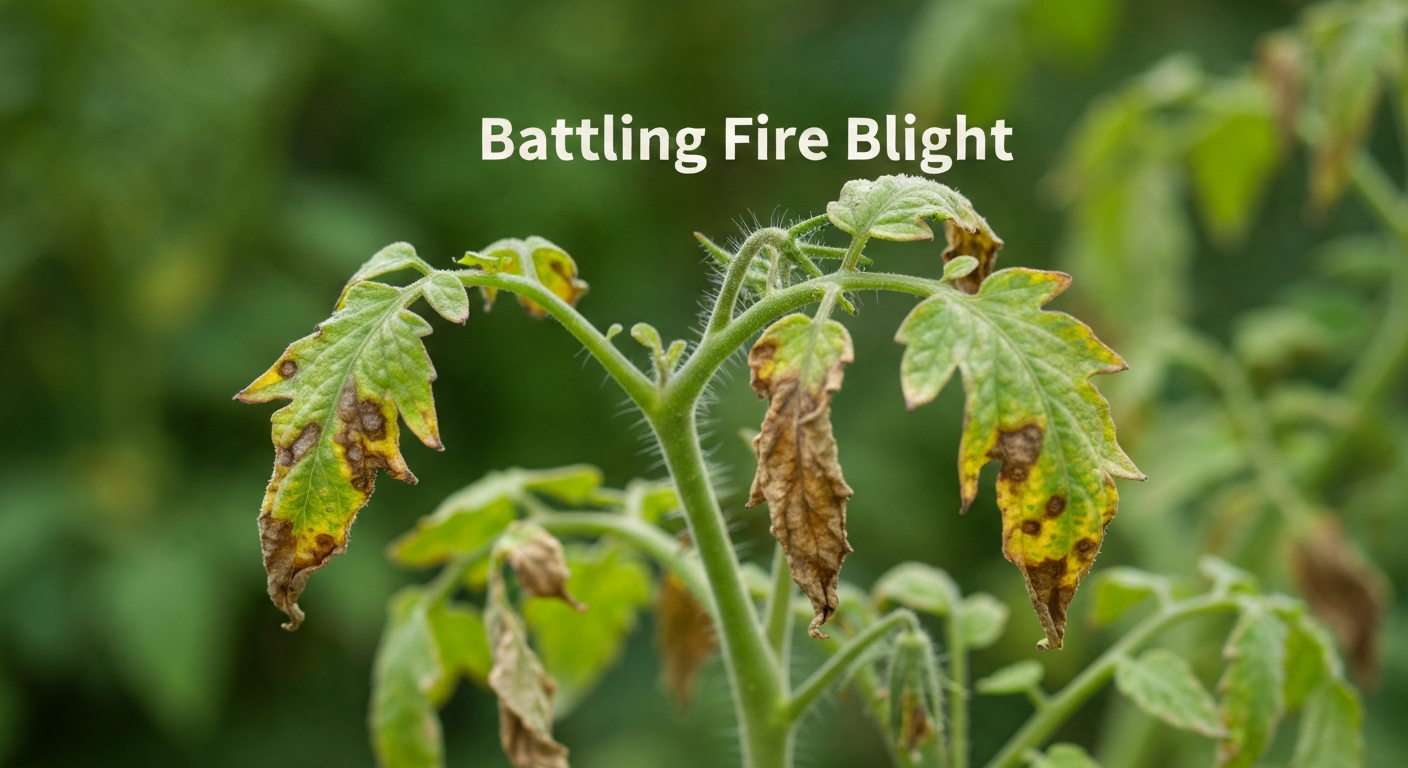
As a Senior Plant Care Editor, few plant diseases strike as much fear into the hearts of home gardeners as fire blight. This aggressive and highly destructive bacterial disease can quickly decimate fruit trees and many popular ornamental shrubs, leaving behind a scorched, blighted appearance that gives it its evocative name. If you’ve ever seen a pear tree with blackened, shriveled branches in mid-spring, you’ve likely witnessed the handiwork of Erwinia amylovora, the bacteria responsible for this devastating affliction. But don’t despair! With timely identification, proper treatment, and diligent prevention, you can protect your cherished plants from its destructive march.
What is Fire Blight? Understanding the Enemy
Fire blight is a bacterial disease caused by Erwinia amylovora, a pathogen that specifically targets plants in the Rosaceae (rose) family. Unlike fungal diseases that often manifest as spots or mildews, fire blight attacks the plant’s vascular system, causing rapid wilting and death of blossoms, shoots, and branches. It can quickly spread throughout an entire plant, leading to significant dieback and, if left unchecked, can kill young trees within a single growing season. Understanding this enemy is the first step in mounting an effective defense.
Recognizing the Red Flags: Symptoms of Fire Blight
Identifying fire blight early is crucial for effective management. The symptoms are quite distinctive, though they can sometimes be confused with other issues like frost damage or fungal infections. Here’s what to look for:
- Blossom Blight: Often the first sign, especially in spring. Flowers appear water-soaked, then rapidly shrivel, turn brown or black, and remain attached to the branch.
- Twig and Shoot Blight: Young, succulent shoots are particularly vulnerable. They wilt rapidly, turn dark brown or black, and often curl downward at the tip, forming a characteristic “shepherd’s crook” shape. The leaves on these blighted shoots also shrivel and turn black but remain attached.
- Cankers: As the disease progresses, sunken, discolored areas (cankers) may form on branches, limbs, and even the main trunk. These cankers typically have dark, slightly sunken centers and often exhibit a reddish-brown margin. During wet or humid conditions, you might see an oozing, milky or amber-colored liquid (bacterial ooze) from these cankers, which is highly infectious.
- Branch Dieback: Infected branches will eventually die back, appearing as if scorched by fire – hence the name. The bark may become cracked and rough.
- Fruit Infection: Developing fruit can also become infected, turning dark and shriveled, often remaining attached to the branch.
Susceptible Plants: Who’s at Risk?
Fire blight primarily targets plants within the Rosaceae family. While apples and pears are the most commonly and severely affected, many other popular garden plants are also susceptible.
Highly Susceptible Plants:
- Apples: Especially Gala, Fuji, Jonathan, Rome Beauty.
- Pears: Most varieties, including Bradford, Bartlett, Bosc.
- Quince
- Hawthorn (Crataegus species)
- Cotoneaster
- Pyracantha (Firethorn)
- Serviceberry (Amelanchier species)
- Spirea (some ornamental varieties)
Less Susceptible (but still at risk) Plants:
- Roses: Can get twig blight, but usually not as severe.
- Raspberries and Blackberries: Can get cane blight.
- Mountain Ash (Sorbus species)
- Loquat
Understanding which plants in your garden are vulnerable helps you prioritize monitoring and preventative care.
The Culprit: What Causes Fire Blight?
The disease is caused by the bacterium Erwinia amylovora. This microscopic pathogen overwinters in cankers on previously infected branches or trunks. In spring, as temperatures rise and plants begin to bloom, the bacteria become active, producing a sticky, sugary ooze from these cankers.
This ooze is a primary source of new infections. The bacteria are spread by:
- Insects: Bees, flies, and other pollinators visiting infected blossoms can carry the bacteria to healthy flowers.
- Rain and Wind: Splashing rain and strong winds can dislodge bacterial ooze and carry it to new plant tissues.
- Contaminated Tools: Pruning shears, saws, or other tools used on an infected plant and then on a healthy one are a common vector for spread.
- Birds: Birds feeding on infected fruit or landing on infected branches can also contribute to spread.
- Hail and Storm Damage: Wounds created by hail or strong winds provide easy entry points for the bacteria.
Seasonal Timing: When Fire Blight Strikes
Fire blight is a disease with a distinct seasonal pattern, largely dictated by weather conditions and plant growth stages. Understanding this timing is critical for effective prevention and intervention.
The bacteria become most active and infectious during periods of warm, wet weather, typically in late spring and early summer.
- Spring Bloom (Most Critical Time): This is the primary infection period. When temperatures are between 65-85°F (18-29°C) and there’s high humidity, rain, or heavy dew, the bacteria multiply rapidly. Open blossoms provide a perfect entry point for Erwinia amylovora carried by insects or splashing water.
- Late Spring/Early Summer (Shoot Growth): As new, succulent shoots emerge, they become highly susceptible. Wounds from insect feeding, hail, or even strong winds can allow bacteria to enter and cause shoot blight.
- Summer: While new infections might slow down if conditions become hot and dry, established cankers continue to harbor the bacteria.
- Fall/Winter (Dormant Season): The bacteria become less active, making this the ideal time for dormant pruning to remove cankers and infected wood without high risk of spread.
Regional Notes: Where Fire Blight is Prevalent
While fire blight can occur wherever susceptible hosts are grown and conditions are favorable, it tends to be more prevalent and severe in certain regions.
- Humid, Temperate Zones: Fire blight thrives in climates characterized by warm, moist springs and moderate summers. This includes much of the eastern and central United States, parts of the Midwest, and regions of the Pacific Northwest.
- Orchard Regions: Areas with a high concentration of apple and pear orchards are particularly susceptible, as the pathogen can easily spread from one tree to another.
- Urban and Suburban Landscapes: Ornamental hawthorns, cotoneasters, and pyracanthas, commonly used in landscaping, can serve as reservoirs for the bacteria, spreading it to nearby fruit trees in home gardens.
Gardeners in these regions should be especially vigilant and proactive in their fire blight management strategies. If you live in an area known for fire blight, choosing resistant varieties becomes even more important.
Diagnosing Fire Blight: Is It Really Fire Blight?
Accurate diagnosis is the cornerstone of effective disease management. While fire blight symptoms are distinct, they can sometimes be confused with other plant problems.
Visual Inspection
Start with a thorough visual inspection of your plant. Look for the classic “shepherd’s crook” on young shoots, the blackened blossoms, and any oozing cankers. Pay attention to the color of the affected tissue – fire blight typically causes a dark brown to black discoloration, not just a yellowing or light brown.
Comparison with Other Diseases
It’s easy to mistake fire blight for other issues. Here’s a brief comparison:
| Symptom | Fire Blight | Frost Damage | Fungal Leaf Spot/Blight |
|---|---|---|---|
| Affected Parts | Blossoms, young shoots, branches, bark | Young leaves, flowers, new growth | Leaves, sometimes stems, flowers |
| Appearance | Blackened, shriveled, “shepherd’s crook,” ooze | Brown/black, crispy, often uniform on new growth | Spots (various colors), fuzzy growth, holes |
| Progression | Rapid, spreads down branches | Sudden, widespread after cold snap | Slower, starts as spots, expands |
| Texture | Often remains firm initially, then dry/brittle | Crispy, dry | May be soft, mushy, or powdery |
| Ooze | Yes, milky/amber from cankers | No | No, but sometimes water-soaked lesions |
For example, if you see only brown spots on plant leaves, it might be a leaf spot disease or another fungal issue, not fire blight. Similarly, general wilting could be a sign of root rot or another problem affecting water uptake. If you’re seeing signs of a sick plant but aren’t sure, it’s always best to investigate thoroughly.
Using Technology for Diagnosis
When in doubt, technology can be a great aid. I highly recommend using a tool like the Plant Disease Identifier app on your iPhone. Simply take a clear photo of the symptoms, and the app’s AI can provide a likely diagnosis and suggest next steps. This can be particularly helpful for quickly identifying problems like fire blight before they spread too far. Remember, while AI is an excellent informational tool, it doesn’t replace professional agricultural advice for critical situations. For more general guidance on how to diagnose plant problems, check out our other resources.
Step-by-Step Treatment for Fire Blight
Once fire blight is confirmed, immediate action is necessary. There is no “cure” that eradicates the bacteria from the entire plant, but management focuses on removing infected tissues and preventing further spread.
1. Pruning: The Most Critical Step
This is your primary weapon against fire blight.
- Timing: The best time for major pruning is during the dormant season (late fall through winter) when the bacteria are least active and visible. However, if you see active infections during the growing season, you must prune immediately to stop the spread.
- Identify the Extent: Look for the cankers and blighted areas. You need to cut well into healthy wood to ensure all bacteria are removed.
- The “12-Inch Rule”: When pruning an infected branch, make your cut at least 8-12 inches (20-30 cm) below any visible symptoms, into healthy, green wood. For larger branches or where cankers are on the main trunk, you might need to remove entire limbs.
- Sterilize, Sterilize, Sterilize! This cannot be stressed enough. After every single cut, sterilize your pruning shears, loppers, or saw with a solution of 10% bleach (1 part bleach to 9 parts water) or 70% rubbing alcohol. Failure to sterilize will spread the disease. Carry a small spray bottle or a container with a rag soaked in disinfectant.
- Dispose Properly: Do not compost infected material. Burn it (if local regulations allow), bury it deeply, or bag it for municipal waste disposal.
2. Chemical Treatments (When They Help)
Chemical treatments are primarily preventative and less effective on established infections.
- Antibiotics: Streptomycin and oxytetracycline are antibiotics effective against Erwinia amylovora.
- Application: These are typically applied as preventative sprays during the bloom period when the risk of infection is highest. They are most effective if applied within 24 hours of a predicted infection event (warm, wet weather during bloom).
- Home Use: Availability for home gardeners can be limited, and their use requires careful timing and adherence to label instructions. Overuse can lead to bacterial resistance.
- Copper-Based Sprays: Products containing copper are broad-spectrum bactericides and fungicides.
- Application: Applied preventatively during dormancy (dormant oil sprays) to reduce overwintering bacteria, or during bloom to protect blossoms.
- Caution: Can cause phytotoxicity (leaf burn) if applied incorrectly or in hot, humid conditions. Always follow label directions.
3. Organic Approaches
For gardeners preferring organic methods, the focus is heavily on cultural practices and prevention.
- Pruning & Sanitation: As described above, this is the most critical organic control.
- Resistant Varieties: Planting fire blight-resistant varieties is the best long-term organic strategy.
- Bordeaux Mixture: A traditional fungicide/bactericide made from copper sulfate and hydrated lime. It’s an organic option for preventative bloom sprays, but again, caution is needed regarding phytotoxicity.
- Biological Controls: Some biological control agents (e.g., Bacillus subtilis or beneficial bacteria that compete with Erwinia amylovora) are available, but their effectiveness can vary.
Prevention is Key: Stopping Fire Blight Before It Starts
An ounce of prevention is truly worth a pound of cure when it comes to fire blight. Proactive measures are your best defense.
- Choose Resistant Varieties: This is the single most important preventative step. When purchasing new apple, pear, or ornamental plants, ask for fire blight-resistant cultivars. Many excellent options are available.
- Proper Pruning Techniques:
- Dormant Pruning: Conduct major pruning during the dormant season (winter) to minimize infection risk.
- Avoid Over-Pruning: Excessive pruning, especially during the growing season, can stimulate vigorous, succulent growth that is highly susceptible to infection.
- Good Air Circulation: Prune to maintain an open canopy, which promotes air circulation and helps foliage dry faster, reducing conditions favorable for bacterial growth.
- Sanitation:
- Sterilize Tools: Always sterilize pruning tools, even when pruning healthy plants, to avoid spreading other pathogens.
- Remove Debris: Promptly remove and dispose of any fallen leaves, fruit, or pruned branches that could harbor bacteria.
- Avoid Excessive Nitrogen Fertilization: High nitrogen levels promote lush, succulent new growth that is highly susceptible to fire blight. Use balanced fertilizers sparingly and only when necessary.
- Monitor Your Plants Regularly: Especially during spring bloom and periods of warm, wet weather. Early detection allows for immediate action, which can save your plant. A quick check of your fruit trees or susceptible ornamentals once a week during critical periods can make all the difference.
- Control Insect Pests: Pests like aphids can create wounds that provide entry points for bacteria. Manage them as part of your overall garden health strategy.
- Watering Practices: Water at the base of plants to keep foliage dry, especially during bloom. Overhead watering can spread bacteria.
Common Mistakes to Avoid
Even experienced gardeners can make mistakes when dealing with fire blight. Avoiding these common pitfalls can significantly improve your success rate:
- Not Sterilizing Pruning Tools: This is arguably the biggest mistake. Using contaminated tools is the fastest way to spread fire blight throughout your garden. Remember: sterilize between every cut.
- Pruning into Diseased Wood: Cutting too close to the visible symptoms means you’re likely leaving bacteria behind, leading to re-infection. Always cut 8-12 inches into healthy wood.
- Pruning During Wet Weather: Pruning when it’s raining or very humid increases the risk of spreading the bacteria to newly exposed tissues. Always prune on a dry day.
- Ignoring Early Symptoms: Fire blight progresses rapidly. Delaying action by even a few days can allow the disease to spread extensively, making control much more difficult, if not impossible.
- Over-Fertilizing with Nitrogen: Encouraging excessive, tender new growth with high-nitrogen fertilizers is like putting out a welcome mat for fire blight.
- Composting Infected Material: The bacteria can survive in compost, allowing the disease to return or spread. Always dispose of infected material properly.
- Assuming All Brown Leaves Are Fire Blight: While fire blight is serious, not every brown leaf or twig is necessarily fire blight. It could be frost damage, drought stress, or another disease like a fungal canker. Always try to confirm your diagnosis, perhaps with the help of a plant disease identifier.
Living with Fire Blight: Long-Term Management
For gardeners in susceptible regions or with highly valued trees, fire blight management becomes an ongoing commitment. It’s not a one-time fix but a continuous process of monitoring, prevention, and timely intervention.
- Annual Dormant Pruning: Make it a habit to inspect your trees during dormancy and remove any suspicious cankers or dead wood.
- Vigilant Spring Monitoring: Be extra attentive during bloom and early shoot growth, especially if conditions are warm and wet.
- Record Keeping: Note when and where you saw fire blight, what treatments you applied, and their effectiveness. This helps refine your strategy for future seasons.
- Community Awareness: If your neighbors also have susceptible plants, encourage them to practice good fire blight management to reduce the overall pathogen load in your area.
For more information on managing various tree ailments, visit our tree diseases hub.
Conclusion
Fire blight is a formidable foe, but with a clear understanding of its symptoms, causes, and effective management strategies, you can protect your valuable fruit trees and ornamental plants. Remember, early detection, precise pruning with sterilized tools, and proactive prevention are your most powerful allies. Don’t let the fear of this disease deter you from enjoying a lush and productive garden. Stay vigilant, stay informed, and your garden will thrive!