

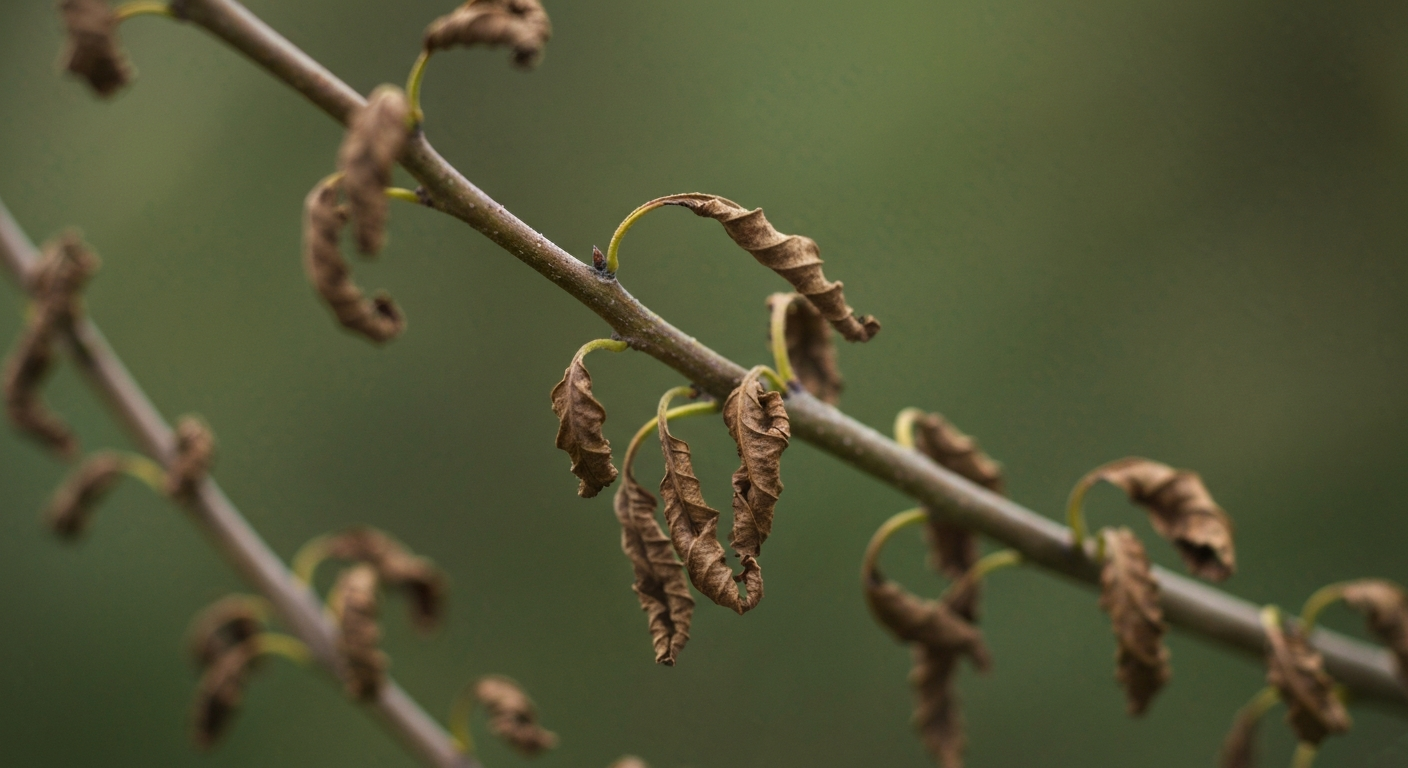
As a Senior Plant Care Editor, I’ve seen countless plant problems, but few are as disheartening to home gardeners as fusarium wilt. This insidious fungal disease, caused by various forms of Fusarium oxysporum, can systematically destroy your beloved plants, often before you even realize what’s happening. It’s a stealthy killer that chokes off a plant’s lifeblood, leaving it to slowly wilt away. Understanding fusarium wilt is the first step in protecting your garden from its devastating effects.
Understanding Fusarium Wilt: A Silent Threat
Fusarium wilt is a common and often devastating vascular disease that affects a wide array of plants, from essential food crops like tomatoes, peppers, and melons to beautiful ornamentals. The pathogen responsible, Fusarium oxysporum, is a soil-borne fungus that invades the plant’s roots and colonizes its xylem vessels—the internal “plumbing” that transports water and nutrients from the roots to the rest of the plant. As the fungus multiplies, it blocks these vessels, effectively starving the plant of water and causing the characteristic wilting symptoms, even when there’s plenty of moisture in the soil.
This disease thrives in warm soil temperatures and can persist in the soil for many years, making it a persistent challenge for gardeners. Unlike some other plant ailments that are visible on the leaf surface, fusarium wilt is primarily an internal battle, making early detection crucial but often difficult.
Recognizing the Symptoms: What to Look For
Identifying fusarium wilt early can be challenging because its initial symptoms can mimic other issues like drought stress or nutrient deficiencies. However, there are key indicators that distinguish it.
Early Symptoms
- Unilateral Wilting: This is a hallmark symptom. Often, only one side of a plant, one branch, or even individual leaves on one side of a stem will begin to wilt. This wilting typically starts with older, lower leaves and progresses upwards.
- Yellowing Leaves: Leaves, especially the lower ones, will turn yellow, often starting from the margins or between the veins (interveinal chlorosis). This yellowing may also be unilateral.
- Stunted Growth: Infected plants may appear stunted compared to healthy neighboring plants, even before significant wilting occurs.
- Leaf Drop: Yellowed or wilted leaves may eventually turn brown and fall off.
Advanced Symptoms
As the disease progresses, the symptoms become more severe and widespread:
- Persistent Wilting: The wilting becomes more pronounced and permanent, even after watering. The plant struggles to recover, often collapsing entirely.
- Vascular Discoloration: This is the most definitive diagnostic sign. If you cut open the stem of an infected plant, especially near the soil line, you will observe dark brown or reddish-brown streaks or discoloration within the vascular tissue (the ring just inside the outer green layer). This staining is the fungus blocking the xylem.
- Browning and Necrosis: Leaves and stems may turn completely brown and necrotic (dead tissue).
- Plant Death: Ultimately, severely infected plants will die.
Specific Plant Examples
The manifestation of fusarium wilt can vary slightly depending on the host plant:
- Tomatoes: A common victim. Look for yellowing and wilting on one side of the plant, often starting from the bottom leaves. The vascular browning is very evident in tomato plant diseases.
- Peppers and Eggplants: Similar to tomatoes, with wilting, yellowing, and vascular discoloration.
- Melons (Watermelons, Cantaloupes): Seedlings may collapse (damping-off), or mature plants show sudden wilting, often in patches in the field.
- Cucumbers: Can also be affected, though often less severely than melons.
- Ornamentals (e.g., Carnations, Chrysanthemums): Wilting, yellowing, and eventual collapse.
- Bananas: A highly destructive form, Panama Disease, is caused by Fusarium oxysporum f. sp. cubense, leading to yellowing of older leaves, wilting, and splitting of pseudostems.
The Culprit: Fusarium oxysporum
The pathogen responsible for fusarium wilt is a species of fungus called Fusarium oxysporum. What makes this fungus particularly challenging is that it exists in numerous specialized forms, called formae speciales (f. sp.), each of which is typically specific to a certain host plant or group of plants. For example, F. oxysporum f. sp. lycopersici attacks tomatoes, while F. oxysporum f. sp. cucumerinum targets cucumbers. This host specificity is important because it means a Fusarium strain that infects your tomatoes won’t necessarily infect your peppers, though both might be susceptible to different Fusarium strains.
This soil-borne fungus produces spores (chlamydospores) that can survive in the soil for many years, even in the absence of a host plant. It can also survive on plant debris, in infected seeds, and on contaminated tools.
How Fusarium Wilt Spreads and Thrives
Understanding how this disease moves through your garden and what conditions it prefers is crucial for prevention.
Modes of Spread
- Infected Soil: The primary method. Once soil is infested, the fungus can easily infect plant roots.
- Contaminated Tools: Shovels, trowels, pruners, and even gardening gloves can transfer fungal spores from infected areas to healthy ones.
- Water Runoff: Rainwater or irrigation water can carry spores from one part of the garden to another.
- Infected Transplants or Seeds: Introducing already infected plant material is a common way to bring the disease into a clean garden.
- Weeds: Some weeds can act as asymptomatic carriers, harboring the fungus without showing symptoms themselves.
Favorable Conditions
- Warm Soil Temperatures: Fusarium wilt thrives in warm to hot soil, typically between 75-90°F (24-32°C). This is why symptoms often appear and worsen during the hottest parts of summer.
- Acidic Soil pH: While it can occur in various pH levels, many Fusarium strains prefer slightly acidic soil (pH 5.0-6.0).
- Poor Drainage: Although not a direct cause of the wilt (like root rot might be), poorly drained soils can stress plants, making them more susceptible to infection.
- High Nitrogen Fertilization: Excessive nitrogen can promote lush, tender growth that is more vulnerable to disease.
Diagnosing Fusarium Wilt: Your Detective Work
Accurate diagnosis is vital. Mistaking fusarium wilt for simple drought or a nutrient deficiency can lead to improper treatment and the loss of more plants.
Visual Inspection
Start by carefully observing your plants for the unilateral wilting and yellowing described earlier. Pay attention to which leaves are affected first and how the wilting progresses.
Stem Dissection: The Definitive Test
This is the most reliable method for home gardeners.
- Select a symptomatic stem: Choose a stem that is wilting or showing yellowing, preferably closer to the base of the plant.
- Make a cut: Use a clean, sharp knife or pruning shears to make a longitudinal (lengthwise) cut along the stem, or a cross-section (horizontal) cut.
- Inspect the vascular tissue: Look for dark brown, reddish-brown, or black discoloration in the vascular bundles, which are typically arranged in a ring just inside the outer green layer of the stem. This discoloration is a strong indicator of fusarium wilt.
Using a Plant Disease Identifier App
If you’re unsure, or want a quick preliminary assessment, consider using a digital tool. You can take clear photos of the symptoms, including the wilting leaves and any vascular discoloration, and use the Plant Disease Identifier app on iPhone. While AI-powered apps offer valuable informational insights and can help narrow down possibilities for diagnosing plant problems, remember they are not a substitute for professional agricultural or horticultural advice. Always use multiple cues and confirm with physical inspection.
When to Seek Professional Help
If you have a significant crop at stake, or if you’re consistently battling unknown diseases that defy your efforts, it might be wise to consult with your local agricultural extension office. They can provide laboratory testing of plant samples for a definitive diagnosis.
Treatment Options: Can You Save an Infected Plant?
This is often the hardest truth to deliver: for most home gardeners, once a plant is significantly infected with fusarium wilt and showing advanced symptoms, there is no effective cure. The fungus is internal, blocking the plant’s vascular system, and fungicides cannot reach it effectively.
What to Do with Infected Plants
- Remove and Destroy: As soon as you confirm fusarium wilt, promptly remove the infected plant, including its root ball, from your garden. Do not compost infected plant material, as the fungus can survive and spread through compost. Bag it and dispose of it in the trash.
- Sanitize Tools: Thoroughly clean and sterilize any tools that came into contact with the infected plant or soil. A 10% bleach solution (1 part bleach to 9 parts water) or rubbing alcohol (70% isopropyl) works well. Dip tools for at least 30 seconds.
- Solarize Soil (if possible): If you have a small, contained area that was heavily infected, soil solarization can help reduce fungal populations. This involves covering the moist soil with clear plastic sheeting during the hottest part of summer for 4-6 weeks. The sun’s heat builds up under the plastic, effectively “cooking” the soil and killing pathogens.
Organic Approaches (Primarily Preventative)
Since curative treatments are limited, organic strategies focus heavily on prevention and maintaining plant health to boost natural resistance.
- Beneficial Microbes: Some research suggests that introducing beneficial fungi (like Trichoderma harzianum) or bacteria to the soil can help suppress Fusarium populations by competing for resources or producing antifungal compounds. These are often applied as soil drenches or seed treatments.
- Compost Tea: While not a direct cure, regular application of well-aerated compost tea can improve soil health and microbial diversity, potentially making the soil less hospitable to pathogens.
Chemical Fungicides (Limited Efficacy)
For home gardeners, fungicides are generally not recommended as a treatment for fusarium wilt.
- Why they’re ineffective: Once the fungus is inside the plant’s vascular system, topical sprays or even systemic fungicides struggle to reach and eradicate the pathogen.
- Preventative Use: In commercial agriculture, some fungicides are used as preventative seed treatments or soil drenches to protect seedlings in highly infested areas. However, these are typically specialized applications and not practical or effective for a home gardener trying to save an already wilting plant.
- Environmental Concerns: Many fungicides can be harmful to beneficial insects and the environment, so their use should be a last resort and carefully considered.
Prevention is Key: Stopping Fusarium Wilt Before It Starts
Given the difficulty in treating established infections, prevention is by far the most effective strategy against fusarium wilt.
1. Plant Resistant Varieties
This is your strongest defense. Many popular vegetable varieties, especially tomatoes, are bred with resistance to specific Fusarium strains. Look for an “F” or “VF” (for Verticillium and Fusarium) after the variety name on seed packets or plant tags.
- Tomatoes: ‘Celebrity’, ‘Big Beef’, ‘Mountain Spring’ are common examples.
- Melons: Many hybrid cantaloupe and watermelon varieties offer resistance.
- Peppers: Some bell pepper varieties also have F resistance.
2. Practice Strict Garden Sanitation
Cleanliness prevents spread.
- Clean Tools: Always clean and sanitize your gardening tools after working with potentially infected plants or soil, and especially between different garden beds. This prevents the transfer of spores.
- Remove Plant Debris: Promptly remove and dispose of any symptomatic plant material. Do not leave it in the garden or add it to your compost.
- Weed Control: Keep your garden free of weeds, as they can sometimes harbor the fungus.
3. Implement Crop Rotation
Since Fusarium oxysporum can persist in the soil for many years, rotating your crops is essential.
- Avoid Susceptible Plants: Do not plant susceptible crops (like tomatoes) in the same spot more than once every 3-5 years.
- Rotate with Non-Hosts: Rotate susceptible plants with non-host crops like corn, beans, squash (other than melons/cucumbers if they are susceptible to your Fusarium strain), or grains.
- Container Gardening: If you’ve had fusarium wilt in containers, discard the soil and thoroughly clean and sterilize the containers before reusing them.
4. Optimize Soil Health and Drainage
Healthy soil promotes healthy plants, which are better able to resist disease.
- Improve Drainage: Ensure your garden beds have good drainage. Raised beds can be an excellent solution for areas with heavy, poorly draining soil.
- Amend with Organic Matter: Incorporate plenty of well-rotted compost into your soil. This improves soil structure, drainage, and encourages beneficial microbial activity that can suppress pathogens.
- Maintain Optimal pH: Perform a soil test to determine your soil’s pH. While Fusarium prefers acidic conditions, maintaining a pH closer to neutral (6.5-7.0) can be less favorable for its growth.
- Avoid Over-fertilizing: Excessive nitrogen can lead to lush, weak growth. Use a balanced fertilizer and follow recommended application rates.
5. Proper Watering Practices
- Deep, Infrequent Watering: Encourage deep root growth by watering deeply but less frequently. This can help plants tolerate stress better.
- Avoid Overhead Watering: Overhead watering can splash soil-borne spores onto plant foliage. Use drip irrigation or water at the base of plants.
Common Mistakes Gardeners Make with Fusarium Wilt
Knowing what not to do is as important as knowing what to do.
- Ignoring Early Symptoms: Dismissing initial wilting as just thirst. Always investigate persistent or unilateral wilting.
- Composting Infected Material: This is a surefire way to spread the disease throughout your garden when you eventually use that compost.
- Reusing Infected Soil: Especially in containers, reusing soil from infected plants guarantees a repeat performance of the disease.
- Planting Susceptible Varieties in Infested Soil: Without knowing your soil’s history or taking preventative measures, you’re setting yourself up for failure.
- Over-relying on Fungicides: Believing a spray will cure an already infected plant is a common misconception and a waste of time and money.
- Poor Sanitation: Not cleaning tools, allowing plant debris to accumulate, and generally being lax with hygiene helps the fungus spread.
- Ignoring Crop Rotation: Planting the same susceptible crop in the same spot year after year is an open invitation for Fusarium to flourish. This can also lead to other issues like leaf spot disease or even black spot on roses if those plants are susceptible and the pathogens are present.
Conclusion
Battling fusarium wilt can be one of the most frustrating challenges a home gardener faces. It’s a ruthless opponent because it attacks from within and often leaves little room for curative action once symptoms are advanced. However, by understanding its nature, recognizing its tell-tale signs, and diligently implementing preventative measures, you can significantly reduce its impact on your garden. Focus on resistant varieties, impeccable sanitation, smart crop rotation, and healthy soil practices. With vigilance and proactive care, you can protect your plants and enjoy a thriving, disease-free garden for years to come. For more information on identifying and managing various plant disease issues, explore the resources available on plantdiseaseapp.com.