

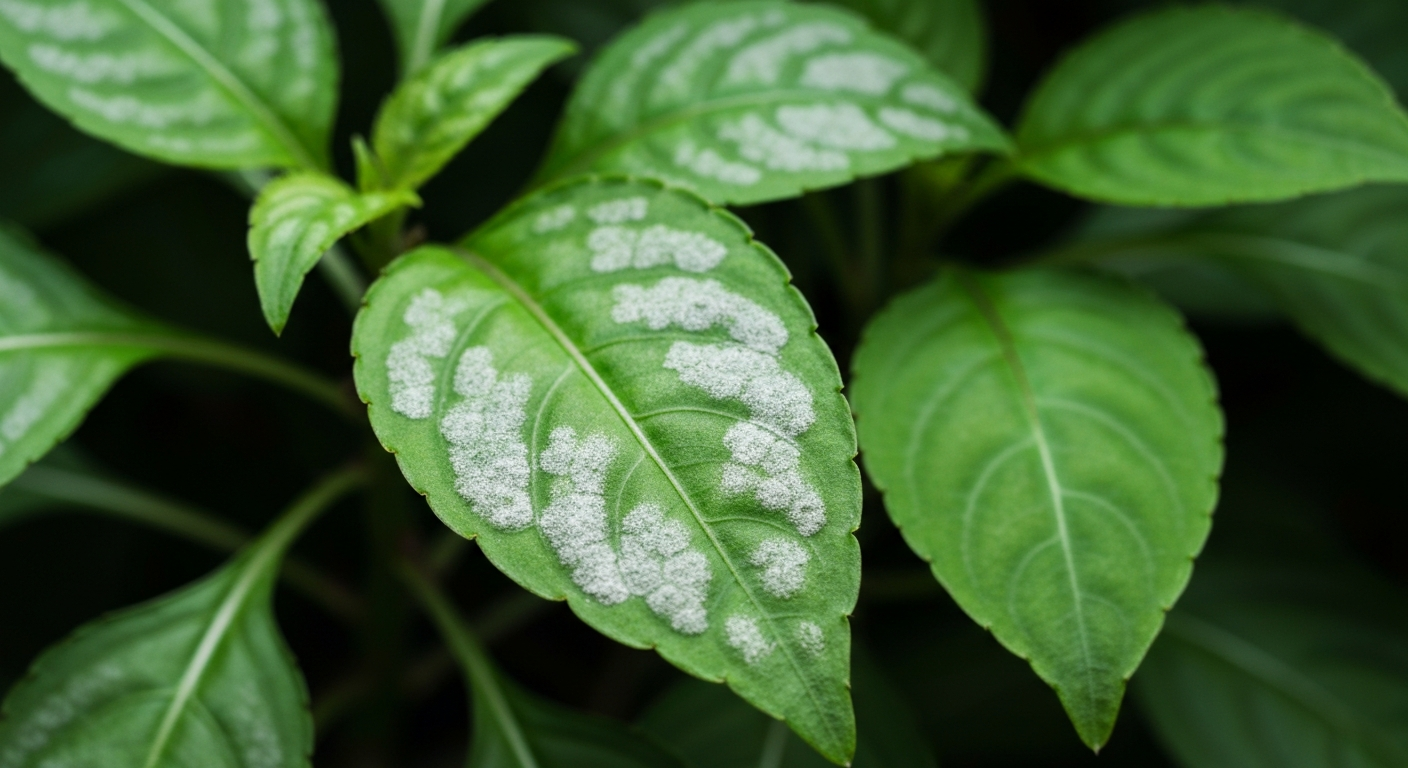
As a Senior Plant Care Editor for plantdiseaseapp.com, I’ve seen countless gardeners struggle with the heartbreaking sight of their vibrant impatiens suddenly wilting and dying. One of the most devastating culprits behind this rapid decline is impatiens downy mildew (IDM). This guide is designed to equip you with the knowledge to identify, treat, and most importantly, prevent this aggressive disease, helping you keep your garden blooming beautifully.
What is Impatiens Downy Mildew?
Impatiens downy mildew is a highly destructive disease caused by Plasmopara obducens, an oomycete, which is often referred to as a “water mold” rather than a true fungus. Unlike many common fungal diseases, downy mildew pathogens thrive in cool, moist, and humid conditions, making them particularly problematic for impatiens (Impatiens walleriana and its hybrids), which are beloved for their shade-loving, continuous blooms.
This pathogen specifically targets Impatiens walleriana, the common garden impatiens, and its close relatives. It does not affect New Guinea impatiens or other annuals like petunias or begonias. Once established, IDM can rapidly defoliate and kill entire beds of impatiens, often wiping out plants within a matter of days or weeks, leaving a trail of disappointment for gardeners. Understanding this pathogen is the first step in mounting an effective defense against it.
Recognizing the Red Flags: Symptoms of Impatiens Downy Mildew
Early detection is critical when dealing with impatiens downy mildew. The symptoms can sometimes be subtle initially, but they progress rapidly. Here’s what to look for:
Early Symptoms:
- Subtle Yellowing: You might first notice a slight yellowing or stippling on the upper surface of the leaves. This can sometimes be mistaken for nutrient deficiency or general stress.
- Downward Curling: Leaves may begin to curl downwards, often appearing slightly distorted or stunted.
- Stunted Growth: Overall plant growth slows, and new shoots appear weak or fail to develop properly.
Advanced Symptoms:
- Fuzzy White Growth: This is the most distinctive symptom. Look on the underside of the leaves, especially in the morning when humidity is high. You’ll see a fine, white, downy growth, almost like a thin layer of frost or cobweb. This is the pathogen sporulating.
- Leaf Drop: Infected leaves will yellow more intensely, then shrivel and drop prematurely, starting from the lower parts of the plant and moving upwards.
- Stem Dieback: Stems may become brittle and eventually collapse, leading to the rapid death of the entire plant.
- Bare Stems: Severely infected plants will often have bare stems with only a few discolored leaves clinging to the very tips, giving them a skeletal appearance before total collapse.
It’s important to distinguish downy mildew from other common plant issues. For example, while powdery mildew on plants also causes white fungal growth, it typically appears on the upper leaf surface and looks like a dry, powdery coating. IDM, by contrast, is usually found on the underside and has a fuzzy, slightly wet appearance.
Here’s a quick summary table of symptoms:
| Symptom Category | Description | Location |
|---|---|---|
| Early | Stunted growth, subtle yellowing/stippling, slight downward leaf curling. | Upper leaf surface, overall plant. |
| Distinctive | Fuzzy, white to grayish growth (sporangia) | Underside of leaves. |
| Advanced | Severe yellowing, leaf distortion, premature leaf drop, bare stems, plant collapse. | Entire plant, starting from lower leaves upwards. |
The Culprits: Causes and Conditions for IDM
Understanding why impatiens downy mildew appears is crucial for effective prevention. The disease is caused by Plasmopara obducens, and its lifecycle is heavily influenced by environmental factors.
The Pathogen: Plasmopara obducens
This is an obligate parasite, meaning it can only survive and reproduce on living impatiens tissue. It spreads through microscopic spores (sporangia) carried by wind, splashing water, or even on contaminated tools and clothing. These spores are highly efficient at finding new hosts.
Environmental Conditions:
IDM thrives in specific conditions:
- Cool Temperatures: Optimal temperatures for spore germination and infection are typically between 50-73°F (10-23°C).
- High Humidity and Leaf Wetness: Prolonged periods of leaf wetness (6-12 hours) from rain, dew, or overhead irrigation are ideal for spore germination and infection. High relative humidity (above 85%) also encourages the disease.
- Poor Air Circulation: Dense plantings prevent leaves from drying quickly, creating a microclimate conducive to downy mildew development.
- Crowding: When impatiens are planted too closely together, it exacerbates humidity issues and allows the disease to spread rapidly from plant to plant.
How it Spreads:
The pathogen overwinters as oospores (thick-walled resting spores) in infected plant debris in the soil. These oospores can remain viable for several years. In spring, when conditions are right, they germinate and produce sporangia, which are then carried by wind or water to new impatiens plants, starting a new cycle of infection. It can also be introduced via infected nursery stock, making careful inspection of new plants vital.
Diagnosing Impatiens Downy Mildew
Accurate diagnosis is the cornerstone of effective disease management. If you suspect your impatiens are suffering from IDM, here’s how to confirm it:
- Observe Closely: Start by carefully examining your plants, paying close attention to the undersides of the leaves, especially in the morning. Look for the distinctive fuzzy white growth.
- Compare Symptoms: Review the symptoms listed above. Do they match what you’re seeing? Is it widespread or isolated?
- Consider the Conditions: Think about the recent weather. Have there been cool temperatures combined with prolonged periods of wetness or high humidity?
- Rule Out Look-alikes: It’s easy to confuse IDM with other issues. For instance, general yellowing can be a sign of nutrient deficiency or root rot. Leaf spot disease might cause spots, but not the characteristic fuzzy growth on the underside.
- Use a Plant Disease Identifier App: For a quick and reliable assessment, consider taking a photo of the affected leaves with your iPhone and using a plant disease identifier app. Apps like plantdiseaseapp.com can analyze your plant’s symptoms and provide an instant probable diagnosis, helping you understand if your plant is sick and what might be causing it. While AI tools are informational and not a substitute for professional agricultural diagnosis, they can be a great first step to diagnose plant problems.
If you confirm IDM, swift action is necessary to protect your remaining plants and prevent future outbreaks.
Taking Action: Treatment Strategies
Unfortunately, once impatiens downy mildew is well-established, treatment is often difficult, and severely infected plants are usually beyond saving. The best approach combines sanitation, cultural practices, and, in some cases, fungicides.
Organic and Cultural Approaches (Primarily for Prevention & Early Stage)
- Immediate Removal: As soon as you confirm IDM, promptly remove and destroy all infected impatiens plants. Do NOT compost them, as the oospores can survive and spread the disease. Bag them and dispose of them in the trash.
- Sanitation: Thoroughly clean all gardening tools and gloves after working with infected plants. Use a 10% bleach solution or rubbing alcohol to disinfect tools. Remove any fallen leaves or plant debris from the garden bed.
- Improve Air Circulation: If you have non-infected impatiens nearby, thin them out to improve air circulation and reduce leaf wetness.
- Watering Wisely: Avoid overhead irrigation. Water at the base of the plants in the morning so foliage has time to dry completely before evening.
- Consider Alternative Plants: If you’ve had recurring IDM issues, it’s wise to consider planting resistant varieties or alternative shade-loving annuals (like New Guinea impatiens, begonias, coleus, or torenia) in that area for a few seasons.
When Fungicides Help (Prevention & Very Early Stage)
Fungicides are generally most effective when used preventatively or at the very first sign of disease. They are rarely curative for advanced infections.
- Preventative Use: If you live in an area with a history of IDM or conditions are highly favorable (cool, wet spring), you might consider applying a preventative fungicide to healthy impatiens.
- Active Ingredients: Look for fungicides specifically labeled for downy mildew on impatiens. Common active ingredients include propamocarb, mandipropamid, or cyazofamid. Some organic options like copper-based fungicides or horticultural oils can offer some suppression but are generally less effective against established downy mildew than synthetic options.
- Application: Always follow the product label instructions precisely regarding mixing ratios, application frequency, and safety precautions. Systemic fungicides, which are absorbed by the plant, often offer better protection than contact fungicides, especially during periods of frequent rain.
- Rotation: To prevent the pathogen from developing resistance, rotate between fungicides with different active ingredients if multiple applications are needed.
- Professional Advice: For large-scale issues or persistent problems, consulting a local agricultural extension office can provide region-specific advice on appropriate fungicides and application timing.
Remember, fungicides are a tool, not a magic bullet. They work best as part of an integrated pest management strategy that emphasizes cultural controls and sanitation.
Prevention is Key: Stopping IDM Before It Starts
Preventing impatiens downy mildew is far more effective than trying to treat it. By implementing a few key strategies, you can significantly reduce the risk of this devastating disease.
1. Choose Resistant Varieties:
- New Guinea Impatiens: These are naturally resistant to Plasmopara obducens. They offer a fantastic alternative to common impatiens for shade to part-sun areas.
- Downy Mildew Resistant Impatiens walleriana: Several plant breeders have introduced new series of Impatiens walleriana (e.g., Beacon®, Imara®, Big Bounce™) that exhibit high resistance to IDM. Look for these specific varieties at your local garden center. Always check plant tags for resistance claims.
2. Practice Smart Planting:
- Proper Spacing: Give your impatiens plenty of room to grow. Follow spacing recommendations on plant tags. Good air circulation helps foliage dry quickly, making it less hospitable for spores.
- Site Selection: Plant impatiens in areas with good air movement. Avoid overly sheltered or enclosed spaces where humidity can build up.
3. Implement Optimal Watering Practices:
- Water at the Base: Always water impatiens at the soil level, using a soaker hose or drip irrigation, to keep foliage dry.
- Morning Watering: Water early in the day to allow any splashed water on leaves to evaporate before evening. Avoid overhead irrigation, especially in the late afternoon or evening.
- Avoid Overwatering: While impatiens like consistent moisture, overly soggy soil can stress plants and create favorable conditions for disease. Ensure good drainage.
4. Maintain Garden Hygiene:
- Sanitize Tools: Regularly clean and disinfect gardening tools, especially after working with any potentially diseased plants.
- Remove Debris: Promptly remove and dispose of any fallen leaves or plant debris throughout the growing season. This reduces potential overwintering sites for oospores.
- End-of-Season Cleanup: At the end of the growing season, remove all impatiens plants from affected beds and dispose of them properly (not in compost). This is crucial for breaking the disease cycle, as oospores can survive in the soil for several years.
5. Crop Rotation:
- If you’ve had IDM in a bed, avoid planting Impatiens walleriana in that same spot for at least 3-5 years. Rotate with other annuals that are not susceptible to downy mildew. This helps deplete the oospores in the soil.
By adopting these preventative measures, you can create an environment that discourages impatiens downy mildew and fosters healthy, vibrant impatiens blooms.
Common Mistakes to Avoid
Even experienced gardeners can make mistakes when dealing with plant diseases. Here are some common pitfalls to steer clear of when facing impatiens downy mildew:
- Ignoring Early Symptoms: Dismissing initial yellowing or slight leaf distortion as general stress or nutrient deficiency can give the disease a critical head start. Early detection and action are paramount.
- Composting Infected Plants: Placing diseased impatiens in your compost pile is a surefire way to spread the pathogen. The oospores can survive composting and reinfect your garden later. Always bag and trash infected material.
- Overhead Watering: Watering impatiens from above, especially in the evening, creates the perfect moist environment for downy mildew spores to germinate and infect. Stick to watering at the base.
- Planting Too Densely: Crowding impatiens together reduces air circulation, keeps leaves wet longer, and facilitates rapid disease spread. Give your plants room to breathe.
- Replanting Susceptible Varieties in Affected Areas: If you’ve had a severe IDM outbreak, planting the same susceptible Impatiens walleriana varieties in the same spot the following year is an invitation for the disease to return. Opt for resistant varieties or alternative plants.
- Relying Solely on Fungicides: While fungicides can be a tool, they are not a substitute for good cultural practices. Over-reliance without addressing environmental factors or sanitation issues will likely lead to continued problems.
- Confusing with Powdery Mildew: Misdiagnosing downy mildew as powdery mildew can lead to ineffective treatments, as the conditions and some treatments differ. Remember, downy mildew is usually on the underside of leaves and thrives in wet conditions.
- Not Disinfecting Tools: Using contaminated pruning shears or other tools can easily transfer spores from an infected plant to healthy ones, unwittingly spreading the disease throughout your garden.
By being mindful of these common mistakes, you can significantly improve your chances of managing and preventing impatiens downy mildew. For more general guidance on plant disease and how to approach it, explore our resources.
Frequently Asked Questions About Impatiens Downy Mildew
Here are some common questions gardeners ask about impatiens downy mildew:
-
What is the very first sign of impatiens downy mildew? Often, the first sign is a subtle yellowing or stippling on the upper surface of leaves, followed by a slight downward curling or distortion of the foliage. Stunted growth can also be an early indicator.
-
Can impatiens downy mildew spread to other plants? Impatiens downy mildew is specific to Impatiens walleriana and its hybrids. It will not spread to other plant genera like petunias or begonias, but it can rapidly infect other susceptible impatiens plants nearby.
-
Are there any impatiens varieties resistant to downy mildew? Yes, many new varieties of impatiens, especially New Guinea impatiens and certain ‘beacon’ series Impatiens walleriana, have been bred for resistance to downy mildew. Check plant tags for resistance claims.
-
What’s the difference between downy mildew and powdery mildew? Downy mildew typically appears as fuzzy white to gray growth on the underside of leaves and thrives in cool, wet conditions, causing leaf distortion and drop. Powdery mildew, conversely, looks like powdery white spots on the upper surface of leaves and prefers warm, dry conditions with high humidity.
-
Should I remove infected impatiens plants immediately? Yes, it’s highly recommended to remove and destroy infected impatiens plants as soon as downy mildew is confirmed. This helps prevent the disease from spreading further to other impatiens in your garden or neighborhood.
-
Can fungicide save my impatiens from downy mildew? Fungicides are generally more effective as a preventative measure or at the very early stages of infection. Once the disease is advanced, fungicides may slow its progression but are unlikely to cure severely affected plants. Always follow label instructions carefully.
-
How long can impatiens downy mildew spores survive in the soil? The oospores (resting spores) of impatiens downy mildew can survive in the soil or plant debris for several years, making crop rotation and thorough garden sanitation crucial for prevention in subsequent seasons.