

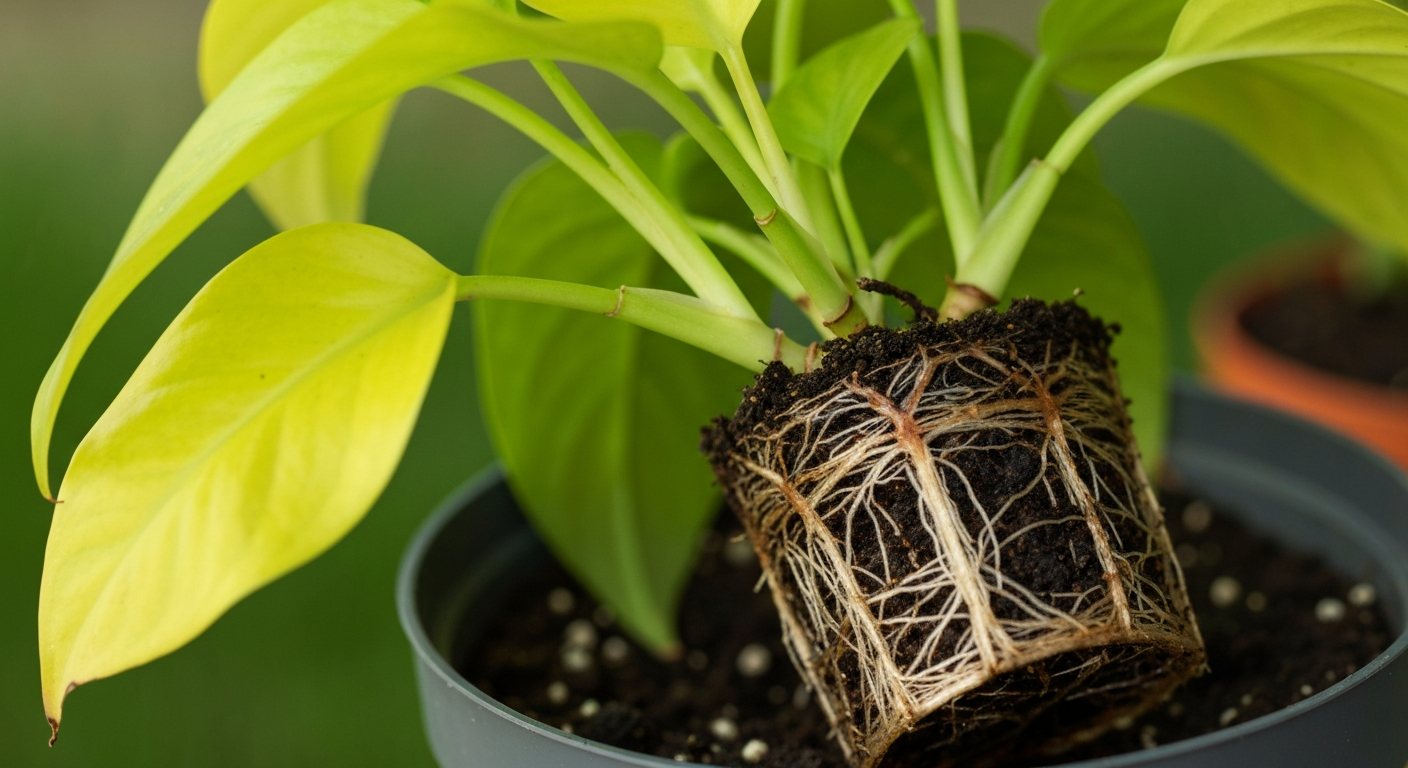
Gardening is a journey filled with triumphs and challenges, and few challenges are as disheartening as discovering a plant succumbing to a destructive disease. Among the most common and devastating soilborne plant diseases that home gardeners face is Phytophthora root rot. This insidious condition, often mistaken for simple overwatering or nutrient deficiency, can quickly lead to the demise of cherished plants, from vegetables and ornamentals to fruit trees and shrubs. Understanding how to identify, treat, and, most importantly, prevent this silent killer is crucial for maintaining a healthy and thriving garden. At plantdiseaseapp.com, we’re dedicated to empowering gardeners with the knowledge they need to protect their green investments, and today, we’re diving deep into the world of Phytophthora to arm you with practical strategies.
Understanding Phytophthora Root Rot: A Silent Killer
Phytophthora (pronounced fye-TOF-thor-uh) is a genus of plant pathogens that literally means “plant destroyer” in Greek, a name it lives up to with grim efficiency. Often referred to as water molds, these organisms are not true fungi but Oomycetes, a group related to algae. Unlike true fungi, Phytophthora produces swimming spores (zoospores) that move through water, making wet soil conditions their ideal breeding ground.
This pathogen primarily attacks the roots and crown (the area where the stem meets the soil) of plants. Once established, it compromises the plant’s ability to absorb water and nutrients, effectively starving and dehydrating it, even when the soil is moist. The damage often goes unnoticed until the disease is well advanced, presenting symptoms that mimic drought stress or other problems, making early diagnosis a critical challenge for many gardeners.
Recognizing the Red Flags: Symptoms of Phytophthora Root Rot
Identifying Phytophthora root rot can be tricky because its symptoms often mirror those of other plant stresses. However, a keen eye and understanding of its specific manifestations can help you catch it before it’s too late. The symptoms typically appear in stages, worsening over time.
Above-Ground Symptoms
These are the most visible signs and often the first indicators gardeners notice:
- Wilting and Drooping: This is a classic symptom. Plants will wilt, even when the soil is moist, because their damaged roots can’t take up water. This wilting may be temporary at first, occurring during the hottest part of the day, but eventually becomes permanent.
- Stunted Growth: Infected plants will show significantly reduced growth compared to healthy plants. New leaves may be smaller, and overall development will be slow or cease entirely.
- Yellowing or Bronzing Leaves (Chlorosis): Leaves may turn yellow, bronze, or purple, starting from the edges or between veins. This discoloration is a sign of nutrient deficiency, as the compromised roots cannot transport essential minerals.
- Leaf Drop: As the disease progresses, leaves may turn brown and fall prematurely.
- Branch Dieback: In trees and shrubs, entire branches or sections of the canopy may start to die back, often beginning at the tips and progressing inwards.
- General Decline: The plant simply looks unwell, lacking vigor and appearing stressed.
Below-Ground Symptoms and Crown Lesions
To confirm Phytophthora, you often need to look beneath the surface.
- Root Discoloration and Decay: Gently dig around the base of the plant and examine the roots. Healthy roots are typically firm and white or light-colored. Roots affected by Phytophthora will be dark brown, black, mushy, and brittle. The outer cortex may easily slough off, revealing a stringy inner core.
- Crown Rot: This is a particularly tell-tale sign. Examine the plant’s crown—the area where the stem meets the soil line. You might find dark, water-soaked lesions or cankers that girdle the stem. If you scrape away the outer bark, the tissue underneath will often be reddish-brown or dark brown instead of the healthy creamy white or green. This dark discoloration can extend several inches up the stem.
- Foul Odor: Severely rotted roots can sometimes emit a foul, sour smell due to anaerobic decay.
Comparison of Healthy vs. Phytophthora-Infected Roots:
| Feature | Healthy Roots | Phytophthora-Infected Roots |
|---|---|---|
| Color | White, tan, or light brown | Dark brown, black |
| Texture | Firm, flexible, crisp | Mushy, brittle, soft |
| Outer Layer | Adheres tightly | Sloughs off easily (slimy) |
| Inner Core | White, creamy | Dark, discolored (reddish-brown) |
| Odor | Earthy or none | Often foul, sour |
| Overall Vigor | Strong, extensive root system | Sparse, underdeveloped, decaying |
The Culprit: What is Phytophthora?
As mentioned, Phytophthora species are not true fungi but belong to a group called Oomycetes, or water molds. There are numerous species of Phytophthora, each with a preference for certain host plants, though many are generalists. Some well-known species include Phytophthora cinnamomi (a broad host range), P. capsici (affecting peppers, tomatoes, squash), and P. ramorum (sudden oak death).
These pathogens thrive in specific conditions:
- Wet Soil: This is the most critical factor. Phytophthora produces motile spores (zoospores) that swim in water-filled soil pores. Prolonged periods of waterlogging, whether from heavy rains, overwatering, or poor drainage, create the perfect environment for infection and spread.
- Warm Temperatures: While some species can tolerate cooler temperatures, most Phytophthora species are more active and destructive in warm soil (above 60°F or 15°C).
- Poor Soil Aeration: Compacted soils or heavy clay soils that lack sufficient oxygen are highly conducive to Phytophthora development because they retain water for longer periods.
Once established, Phytophthora can persist in the soil for many years, even decades, as resilient resting spores (oospores) or chlamydospores, waiting for the right conditions and a susceptible host. This persistence makes management and prevention a long-term commitment for gardeners.
Why Your Plants Get It: Causes and Contributing Factors
Understanding the specific conditions that favor Phytophthora is crucial for prevention. Here are the primary causes and contributing factors:
- Poor Soil Drainage: This is the number one culprit. Heavy clay soils, compacted soil, or areas with an underlying hardpan prevent water from draining away efficiently, leading to prolonged periods of water saturation around plant roots.
- Overwatering: Regardless of soil type, consistently watering too frequently or too heavily can create the anaerobic, waterlogged conditions that Phytophthora loves. This is especially common in potted plants without adequate drainage holes or with saucers that retain excess water.
- Heavy Rainfall or Flooding: Extended periods of heavy rain or localized flooding can quickly overwhelm even well-draining soils, creating temporary but sufficient conditions for Phytophthora spores to become active and infect roots.
- Contaminated Soil or Plant Material: Phytophthora can be introduced to a garden through infected nursery stock, contaminated soil amendments (like compost made from infected plants), or even soil carried on tools or shoes from an infested area.
- Runoff from Infected Areas: Water runoff from an area with infected plants can carry zoospores to healthy plants downstream, quickly spreading the disease.
- Wounds to Roots or Stems: Any damage to roots (from transplanting, cultivation, or pests) or the plant crown can provide entry points for the pathogen.
- Susceptible Plant Varieties: Some plants are naturally more vulnerable to Phytophthora than others. For example, avocado trees are notoriously susceptible, as are many rhododendrons, azaleas, and certain vegetable crops like tomatoes and peppers.
- High Soil pH: While not as critical as moisture, some studies suggest that a higher soil pH can sometimes favor Phytophthora development in certain contexts.
- Lack of Crop Rotation: Continuously planting susceptible crops in the same area can lead to a buildup of Phytophthora spores in the soil over time.
Detecting the Enemy: Diagnosing Phytophthora Root Rot
Accurate diagnosis is the first step toward effective treatment. Given that its symptoms mimic other problems, a thorough investigation is often necessary. If you suspect your plant is a sick plant, here’s how to proceed:
Visual Inspection
Start with a careful examination of the entire plant, both above and below ground, as described in the symptoms section.
- Check the roots: Gently unearth a portion of the root ball. Are the roots dark, mushy, and easily stripped of their outer layer? This is a strong indicator.
- Inspect the crown: Look for dark, water-soaked lesions or discoloration at the soil line.
- Consider the soil: Is the soil consistently soggy? Does it drain poorly? These environmental clues are vital.
The Water Test (for Potted Plants)
For potted plants, a simple test can help differentiate between overwatering and other issues. If the plant is wilting but the soil feels bone dry, it’s likely underwatered. If it’s wilting and the soil is soaking wet, it’s a strong sign of root rot. If the soil is only slightly damp, but the plant is wilting, it could still be root rot, as the damaged roots can’t absorb even available moisture.
Professional Help & App Assistance
When in doubt, don’t hesitate to seek further assistance.
- Agricultural Extension Services: Your local university extension office can often provide expert diagnosis, sometimes through laboratory testing of plant samples.
- Plant Disease Identifier Apps: For a quick preliminary assessment, consider using a tool like the Plant Disease Identifier app on your iPhone. By photographing the symptoms of your affected plant, the app’s AI can provide a potential diagnosis and suggest possible causes. While AI tools are incredibly helpful for initial identification and learning about common plant diseases, remember they offer informational guidance and are not a substitute for professional agricultural or horticultural advice. For definitive confirmation, especially in commercial settings or for rare diseases, laboratory analysis is often required. You can learn more about how to diagnose plant problems effectively.
Fighting Back: Treatment Strategies for Phytophthora Root Rot
Once Phytophthora root rot is confirmed, treatment can be challenging, especially for advanced infections. The goal is primarily to halt the disease’s progression and improve conditions for the plant to recover. Severely infected plants may need to be removed to prevent spread.
Cultural and Organic Approaches
These methods focus on improving the plant’s environment and bolstering its natural defenses. They are often the first line of defense and critical for long-term prevention.
- Improve Drainage:
- For Potted Plants: Repot the plant into a container with excellent drainage holes. Use a well-draining potting mix, ideally one formulated for succulents or cacti, or amend your current mix with perlite, coarse sand, or bark fines. Avoid saucers that hold standing water, or empty them promptly.
- For In-Ground Plants: If the soil is heavy clay, amend it heavily with organic matter like compost, aged bark, or perlite to improve structure and drainage. Consider planting in raised beds or on berms to elevate the root crown above saturated soil. Double-digging can also help break up compacted layers.
- Adjust Watering Practices:
- Water deeply but infrequently, allowing the top few inches of soil to dry out between waterings. Use a moisture meter or simply stick your finger into the soil to check moisture levels.
- Avoid overhead watering, which can splash spores and keep foliage wet, potentially leading to other issues like powdery mildew. Water at the base of the plant.
- Ensure proper irrigation system function, checking for leaks or overspray.
- Pruning Infected Parts:
- For trees and shrubs, prune away any visibly dead or dying branches. Make clean cuts into healthy wood. Sanitize pruning tools with a 10% bleach solution or rubbing alcohol between cuts to avoid spreading the pathogen.
- Enhance Soil Health:
- Incorporate beneficial microorganisms: Some commercial products contain beneficial fungi (e.g., Trichoderma species) or bacteria (e.g., Bacillus species) that can compete with Phytophthora or even parasitize it. These can be applied as a soil drench.
- Add compost: Well-rotted compost improves soil structure, drainage, and introduces a diverse microbial community, which can suppress pathogens.
- Air Pruning (for Potted Plants): If a plant is severely infected but still has some healthy roots, gently remove it from its pot, trim off all rotten roots, and allow the remaining root ball to air dry for a few hours before repotting in fresh, well-draining soil.
Chemical Fungicides: When and How
While cultural practices are paramount, fungicides can play a role, especially in high-value plants or when the disease is caught early. It’s important to note that Phytophthora is an Oomycete, so not all fungicides designed for true fungi will be effective. Look for products specifically labeled for Phytophthora control.
- Active Ingredients: Common active ingredients effective against Phytophthora include propamocarb, fosetyl-al, and etridiazole. Always check the product label to ensure it’s suitable for your specific plant and the target pathogen.
- Application: Fungicides are typically applied as a soil drench or granular application around the base of the plant. Follow label instructions precisely regarding dosage, frequency, and safety precautions.
- Limitations:
- Fungicides are often most effective as a preventative measure or when applied at the very early stages of infection. They cannot revive dead roots.
- Repeated applications may be necessary, and resistance can develop over time if products are not rotated.
- They are a temporary solution and will not solve underlying issues like poor drainage. Cultural improvements must always accompany chemical treatments.
- Home Gardener Caution: For most home gardeners, focusing on prevention and cultural controls is usually more sustainable and effective than relying solely on chemical fungicides, which can be costly and require careful handling.
Prevention is Key: Stopping Phytophthora Before It Starts
Prevention is by far the most effective strategy against Phytophthora root rot. Once established, it’s incredibly difficult to eradicate.
Soil Management
- Improve Soil Drainage: This cannot be stressed enough. For in-ground gardens, amend heavy clay soils with plenty of organic matter (compost, aged bark, well-rotted manure) to improve structure and percolation. Consider building raised beds or planting on berms in areas with naturally poor drainage.
- Avoid Compaction: Limit foot traffic and heavy machinery in garden beds, especially when the soil is wet. Mulch can help prevent compaction and improve soil health over time.
- Soil Testing: Understand your soil composition and pH. While not a direct preventative, it helps in making informed decisions about soil amendments.
Watering Wisely
- Monitor Soil Moisture: Before watering, check the soil moisture. For most plants, the top 1-2 inches should feel dry. Use a finger test or a moisture meter.
- Water Deeply and Infrequently: Encourage deep root growth by watering thoroughly, but allow the soil to dry out between waterings.
- Water at the Base: Use drip irrigation, soaker hoses, or water by hand at the soil line to avoid wetting foliage and minimize runoff.
Plant Selection and Placement
- Choose Resistant Varieties: Whenever possible, select plant varieties known to have resistance or tolerance to Phytophthora. Many nurseries label such varieties.
- Buy Healthy Plants: Always purchase plants from reputable nurseries. Inspect roots for signs of disease before buying (look for healthy, light-colored roots). Avoid plants that look stressed or have discolored lower stems.
- Proper Planting Depth: Plant trees and shrubs at the correct depth, ensuring the root flare (where the trunk widens at the soil line) is visible and not buried. Planting too deep can lead to crown rot.
- Site Selection: Avoid planting susceptible species in known problem areas or low spots where water tends to collect.
Garden Hygiene
- Sanitize Tools: Clean and sanitize gardening tools (pruners, shovels, trowels) regularly, especially after working with infected plants. A 10% bleach solution or rubbing alcohol is effective.
- Remove Infected Plants: Promptly remove and dispose of severely infected plants and surrounding soil. Do not compost infected plant material, as Phytophthora can survive in compost piles unless they reach very high temperatures.
- Prevent Runoff: Design your landscape to prevent water runoff from potentially infected areas to healthy ones.
- Crop Rotation: In vegetable gardens, rotate susceptible crops (like tomatoes, peppers, squash) with non-susceptible ones to break the disease cycle and reduce pathogen buildup in the soil.
Common Mistakes to Avoid When Dealing with Root Rot
Even experienced gardeners can make mistakes when facing a challenging disease like Phytophthora root rot. Being aware of these pitfalls can save your plants and your sanity.
- Mistaking Root Rot for Underwatering: This is perhaps the most common and dangerous mistake. Wilting plants often prompt gardeners to water more, which only exacerbates the problem by creating even wetter conditions for the Phytophthora to thrive. Always check soil moisture before watering.
- Using the Wrong Fungicide: As Phytophthora is a water mold (Oomycete), many fungicides designed for true fungal diseases (like powdery mildew or black spot on roses) will be ineffective. Always ensure the product label specifically lists Phytophthora or Oomycetes as target pathogens.
- Neglecting Soil Drainage: Relying solely on fungicides without addressing the underlying issue of poor soil drainage is a temporary fix at best. The problem will recur. Long-term success hinges on improving the soil environment.
- Composting Infected Material: Throwing infected plant parts into your compost pile can lead to the spread of Phytophthora spores throughout your garden when you use the compost. Always dispose of diseased material in the trash or by burning (if local regulations permit).
- Ignoring Tool Sanitation: Using contaminated tools to prune or work around healthy plants is a surefire way to spread the disease. A quick wipe with rubbing alcohol or a bleach solution can prevent this.
- Planting Susceptible Varieties in Problem Areas: If you know a particular area of your garden has poor drainage or a history of root rot, avoid planting highly susceptible species there. Opt for more tolerant plants or create a raised bed.
- Over-fertilizing Stressed Plants: When a plant is struggling, the instinct might be to fertilize it to give it a boost. However, a plant with compromised roots cannot effectively absorb nutrients. Over-fertilizing can further stress the plant and even burn its already damaged root system.
- Lack of Proactive Measures: Waiting until plants show severe symptoms before taking action is often too late. Early detection and proactive prevention are key to managing plant disease.
Conclusion: Empowering Your Garden Against Phytophthora
Phytophthora root rot is a formidable opponent in the garden, capable of turning lush landscapes into barren patches. However, with a thorough understanding of its symptoms, causes, and, most importantly, effective prevention strategies, you can protect your plants and cultivate a resilient garden. Remember, healthy soil, proper watering, and vigilant observation are your best tools in this fight. By implementing the practical advice shared here, you’re not just treating a disease; you’re building a stronger, healthier ecosystem where your plants can thrive for years to come.