

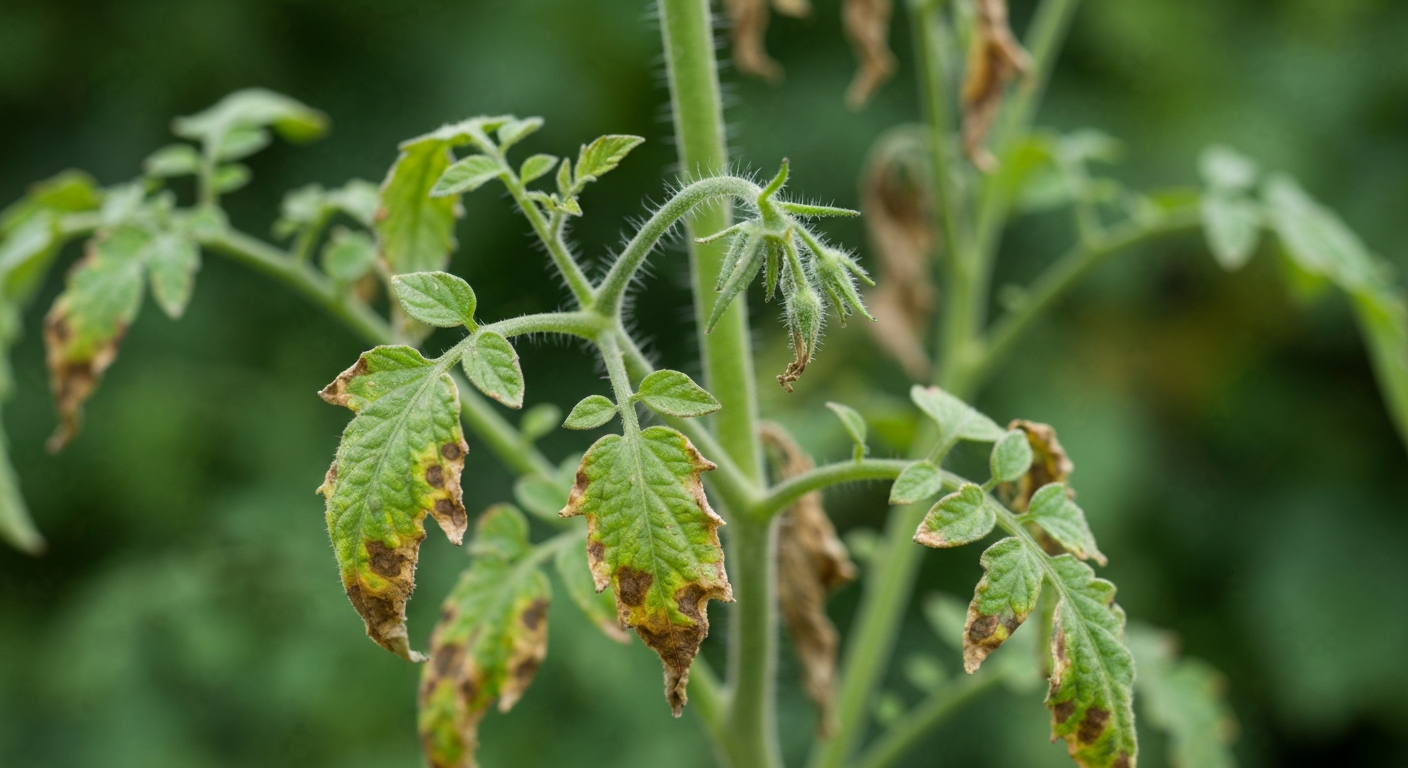
When the tell-tale spots appear on your beloved tomato plants, it can feel like a punch to the gut. For many home gardeners, seeing their potential harvest threatened by disease is one of the most disheartening experiences. Among the most common and destructive culprits is blight, a term that encompasses several distinct fungal diseases. Understanding effective tomato blight treatment is crucial for protecting your plants and ensuring a bountiful harvest. As Elena Marsh, Senior Plant Care Editor at plantdiseaseapp.com, I’m here to guide you through identifying, treating, and preventing this formidable foe.
Understanding Tomato Blight: What Are We Fighting?
The term “tomato blight” is a bit of a catch-all, primarily referring to three distinct fungal diseases that can devastate tomato crops: Early Blight, Late Blight, and Septoria Leaf Spot. While they share the common goal of ruining your tomatoes, their symptoms, causes, and optimal treatments vary.
Early Blight (Alternaria solani)
Early blight is caused by the fungus Alternaria solani and is often the first blight to appear in the growing season, especially during periods of warm, humid weather. It typically starts on older, lower leaves and can spread quickly if left unchecked.
Late Blight (Phytophthora infestans)
Late blight, caused by the oomycete Phytophthora infestans, is arguably the most destructive of the blights. This is the same pathogen responsible for the Irish potato famine. It thrives in cool, wet conditions and can wipe out an entire crop in a matter of days. It’s particularly aggressive and can spread rapidly over large areas.
Septoria Leaf Spot (Septoria lycopersici)
Septoria leaf spot, caused by the fungus Septoria lycopersici, is another common fungal disease affecting tomatoes. While not as rapidly destructive as late blight, it can significantly reduce plant vigor and fruit production, especially if severe defoliation occurs.
Understanding which blight you’re dealing with is the first critical step in implementing the correct tomato blight treatment.
Identifying Blight: Symptoms to Watch For
Accurate identification is paramount for effective treatment. While all blights cause spots on leaves, there are key differences to help you distinguish them. If you’re unsure, photographing the symptoms with an app like the Plant Disease Identifier on your iPhone can provide quick, AI-powered insights, though it’s always wise to cross-reference with reliable sources.
Early Blight Symptoms
- Leaves: Small, dark brown to black spots, often ¼ to ½ inch in diameter, appearing first on older, lower leaves. These spots usually have concentric rings, resembling a target or bull’s-eye pattern. A yellow halo may surround the spots.
- Stems: Dark, sunken lesions can form on stems, especially near the soil line (collar rot), which can girdle the stem and kill the plant.
- Fruit: Dark, leathery, sunken spots with concentric rings can appear on the stem end of the fruit, often leading to secondary soft rot.
Late Blight Symptoms
- Leaves: Large, irregular, water-soaked, dark brown to black lesions appear rapidly on any part of the plant, often starting at the tips or edges of leaves. A fuzzy, white mold (spores) may be visible on the undersides of leaves, especially in humid conditions. Leaves can shrivel and turn brown very quickly.
- Stems: Dark, water-soaked streaks or lesions appear on stems and petioles, leading to rapid collapse of the plant.
- Fruit: Large, irregular, dark brown to black, firm, greasy-looking spots develop on green or ripe fruit. The rot can penetrate deep into the fruit.
Septoria Leaf Spot Symptoms
- Leaves: Numerous small, circular spots (about 1/8 inch in diameter) with dark brown borders and light gray or tan centers, often with tiny black dots (pycnidia, the fungal fruiting bodies) visible in the center. These spots appear predominantly on older, lower leaves but can spread upwards.
- Stems: Less common, but small lesions can sometimes appear on stems.
- Fruit: Rarely affects the fruit directly, but severe defoliation can lead to sunscald on developing tomatoes.
For a broader understanding of various issues, you might also find our guide to tomato plant diseases helpful. If you’re seeing brown spots on plant leaves or other general symptoms of a sick plant, early diagnosis is key.
Causes and Spreading of Tomato Blight
All three blights are caused by pathogens that thrive in specific environmental conditions and spread through various means.
- Early Blight: The fungus Alternaria solani overwinters in infected plant debris in the soil and can also be seed-borne. Spores are primarily spread by wind, splashing rain, and garden tools. It requires warm temperatures (60-80°F / 15-27°C) and prolonged leaf wetness or high humidity to infect.
- Late Blight: Phytophthora infestans typically overwinters in infected potato tubers left in the ground or in diseased volunteer potato plants. It can also be introduced via infected tomato transplants. Spores are highly mobile and spread rapidly by wind, rain, and even insects, especially in cool (50-70°F / 10-21°C), wet, and foggy conditions.
- Septoria Leaf Spot: The fungus Septoria lycopersici overwinters on infected plant debris in the soil and on weeds in the Solanaceae family. Spores are spread by splashing water, wind, hands, and gardening tools. It thrives in warm (68-77°F / 20-25°C), humid conditions with frequent rainfall.
Understanding these mechanisms is crucial for prevention and for implementing an effective tomato blight treatment strategy.
Diagnosing Tomato Blight Accurately
Before you can treat, you must correctly diagnose. Misdiagnosis can lead to ineffective treatments and wasted effort.
- Observe Closely: Regularly inspect your tomato plants, paying close attention to the undersides of leaves, stems, and fruit. Note the size, shape, color, and pattern of any spots. Are there concentric rings? Fuzzy mold? Tiny black dots?
- Consider Conditions: Think about the recent weather. Has it been warm and humid (favors Early Blight, Septoria)? Or cool and wet (favors Late Blight)?
- Check Location: Where did the symptoms first appear? Lower, older leaves (Early Blight, Septoria)? Or anywhere on the plant (Late Blight)?
- Use a Plant Disease Identifier: If you’re still unsure, take clear photos of the affected areas. You can use a tool like our Plant Disease Identifier app on your iPhone. Simply upload your photos, and the AI can help suggest potential diagnoses. While AI can be a powerful informational tool, remember it’s not a substitute for professional agricultural advice. It serves as an excellent starting point for understanding how to diagnose plant problems and identify common leaf spot disease issues.
- Confirm: Once you have a potential diagnosis, compare it with multiple reliable sources (agricultural extension offices, university guides).
Tomato Blight Treatment Strategies
Once blight is identified, swift action is necessary. The approach to tomato blight treatment will depend on the type of blight, its severity, and your preference for organic versus synthetic solutions.
Organic and Cultural Treatments
These methods are the first line of defense and are essential components of any blight management plan, even if you decide to use fungicides.
-
Pruning Infected Parts:
- Action: Immediately remove any leaves, stems, or fruits showing signs of blight. Use sharp, sterilized pruning shears (disinfect with rubbing alcohol or a 10% bleach solution between cuts, and especially between plants, to avoid spreading spores).
- Why it helps: Reduces the amount of fungal inoculum present on the plant, slowing the spread of the disease.
- Caution: For late blight, pruning might not be enough if the disease is widespread; sometimes, entire plants need to be removed.
-
Sanitation:
- Action: After pruning, collect all removed plant material and dispose of it properly. Do NOT compost blighted material, as the pathogens can survive and reinfect your garden. Bag it and send it to the landfill or burn it if local regulations allow. Also, thoroughly clean all gardening tools after use.
- Why it helps: Prevents the overwintering of pathogens and reduces future outbreaks.
-
Crop Rotation:
- Action: Avoid planting tomatoes (or potatoes) in the same spot for at least 2-3 years. Rotate with non-solanaceous crops (e.g., beans, corn, squash).
- Why it helps: Blight pathogens can survive in the soil on plant debris. Rotating crops breaks the disease cycle.
-
Proper Watering:
- Action: Water plants at the base using drip irrigation or soaker hoses. Avoid overhead watering, especially in the evening, which keeps foliage wet for extended periods. Water deeply and less frequently to encourage strong root development.
- Why it helps: Minimizes leaf wetness, which is critical for fungal spore germination and infection.
-
Mulching:
- Action: Apply a layer of organic mulch (straw, shredded leaves, wood chips) around the base of your tomato plants.
- Why it helps: Prevents soil-borne fungal spores from splashing up onto lower leaves during rain or watering. It also helps regulate soil moisture and temperature.
-
Improve Air Circulation:
- Action: Ensure adequate spacing between plants. Prune lower leaves (especially those touching the soil) and suckers to improve airflow within the plant canopy.
- Why it helps: Dries foliage faster, creating an unfavorable environment for fungal growth.
When to Use Fungicides
Fungicides can be an effective part of a tomato blight treatment plan, especially for severe outbreaks or in regions consistently prone to blight. However, they are generally most effective as a preventative measure or when applied at the very first signs of disease. They cannot cure already infected tissue but can protect new growth.
Important Considerations:
- Timing is Key: Apply fungicides before or immediately after conditions become favorable for blight (e.g., prolonged rain, high humidity).
- Coverage: Ensure thorough coverage of all leaf surfaces, including the undersides.
- Rotation: If using synthetic fungicides, rotate different active ingredients to prevent resistance development in the pathogen.
- Follow Instructions: Always read and strictly follow the manufacturer’s instructions for mixing, application rates, and safety precautions.
Organic Fungicides
For gardeners preferring an organic approach, several options are available:
- Copper-based Fungicides: (e.g., Copper hydroxide, Copper sulfate)
- Mechanism: Act as a protectant, inhibiting spore germination.
- Effectiveness: Effective against all three blights, but must be applied regularly, especially after rain. Can sometimes cause phytotoxicity (leaf burn) if applied in hot, sunny conditions.
- Bacillus subtilis-based Fungicides: (e.g., Serenade Garden)
- Mechanism: A beneficial bacterium that competes with and inhibits the growth of blight fungi.
- Effectiveness: Primarily preventative or for early-stage infections. Needs regular application.
- Neem Oil:
- Mechanism: Has some fungicidal properties, mainly effective as a preventative or for very mild cases. Also acts as an insect deterrent.
- Effectiveness: Less potent than copper or synthetic options for established blight.
Synthetic Fungicides
For more aggressive blight situations, particularly late blight, synthetic options may be necessary.
- Chlorothalonil (e.g., Daconil):
- Mechanism: A broad-spectrum protectant fungicide effective against early blight and Septoria leaf spot. It prevents spore germination.
- Effectiveness: Very effective when applied preventatively and regularly. Less effective against late blight, which often requires more targeted fungicides.
- Mancozeb:
- Mechanism: Another broad-spectrum protectant fungicide, effective against early blight, Septoria leaf spot, and some efficacy against late blight.
- Effectiveness: Similar to chlorothalonil, requires regular application.
- Specific Late Blight Fungicides: For late blight, products containing active ingredients like fluopicolide, propamocarb, or zoxamide (often found in combination products) are highly effective. These are often more targeted and may require specific application timing based on disease forecasting.
Remember, fungicides are tools, not magic bullets. They work best when integrated into a comprehensive management plan that includes all the cultural practices mentioned above. You can learn more about general plant disease management and fungicides in our other articles.
Prevention is Key: Stop Blight Before It Starts
The most effective tomato blight treatment is preventing it from occurring in the first place. Proactive measures can significantly reduce your risk.
-
Choose Resistant Varieties:
- Look for tomato varieties bred for resistance to early blight (EB), late blight (LB), or Septoria leaf spot (SLS). While no variety is 100% immune, resistant varieties offer a significant advantage. Ask your local nursery or check seed catalogs for specific designations.
- Examples: ‘Defiant PHR’, ‘Mountain Magic’, ‘Celebrity’ (often good general resistance).
-
Practice Smart Planting:
- Spacing: Provide ample space between plants to ensure good air circulation. Follow recommended spacing for your specific variety, typically 2-3 feet between plants.
- Sunlight: Plant tomatoes in an area that receives at least 6-8 hours of direct sunlight per day.
- Location: Avoid planting tomatoes near potatoes, as they are susceptible to the same blight pathogens, particularly late blight.
-
Water Wisely:
- As mentioned, water at the base of the plant. Consider using soaker hoses or drip irrigation.
- Water in the morning so foliage has time to dry during the day.
-
Maintain Soil Health:
- Enrich Soil: Healthy soil leads to healthy, more resilient plants. Amend your soil with compost and organic matter to improve drainage and nutrient availability.
- pH: Tomatoes prefer a soil pH between 6.0 and 6.8. A soil test can help you determine if adjustments are needed.
-
Cleanliness is Crucial:
- End-of-Season Cleanup: At the end of the growing season, meticulously remove all tomato (and potato) plant debris from your garden. Do not leave it to overwinter.
- Tool Sanitation: Always clean and sterilize your pruning shears and other tools before and after use, especially when moving between plants or gardens.
- Weed Control: Keep your garden free of weeds, as some can host blight pathogens.
-
Regular Monitoring:
- Inspect your plants frequently, especially after periods of rain or high humidity. Early detection allows for prompt action, which is vital for successful tomato blight treatment.
Common Mistakes Home Gardeners Make
Even experienced gardeners can fall into common traps when dealing with tomato blight. Avoiding these pitfalls can greatly improve your success:
- Ignoring Early Symptoms: Waiting until blight is widespread makes treatment much more difficult, if not impossible. Early detection and removal of affected parts are critical.
- Overhead Watering: This is perhaps the single biggest contributor to fungal diseases in the home garden. Wet foliage is an open invitation for spores.
- Poor Air Circulation: Planting too closely or not pruning lower leaves creates a dense, humid canopy where fungi thrive.
- Composting Infected Material: Blight pathogens can survive in compost, leading to re-infection when that compost is used in the garden. Always dispose of infected material far away from your garden.
- Not Sterilizing Tools: Moving from an infected plant to a healthy one with unsterilized tools is a surefire way to spread disease.
- Relying Solely on Fungicides: Fungicides are a tool, not a complete solution. They work best when combined with good cultural practices. Over-reliance can also lead to pathogen resistance.
- Planting Susceptible Varieties in Prone Areas: If you know your area is prone to blight, choosing resistant varieties is a non-negotiable step.
- Planting Tomatoes in the Same Spot Annually: This allows blight pathogens to build up in the soil, making each successive crop more vulnerable.
Conclusion
Battling tomato blight can be challenging, but with a clear understanding of its types, symptoms, and the right tomato blight treatment strategies, you can protect your plants and enjoy a successful harvest. Remember, prevention through good cultural practices is your strongest defense. Regular monitoring, proper sanitation, smart watering, and choosing resistant varieties will set your garden up for success. When blight does strike, act quickly and decisively, combining pruning, sanitation, and, if necessary, appropriate fungicides. Your diligent efforts will be rewarded with healthy, delicious tomatoes. For more detailed information on preventing and managing various plant issues, explore our comprehensive resources on plant disease identification and tomato diseases. Happy gardening!