

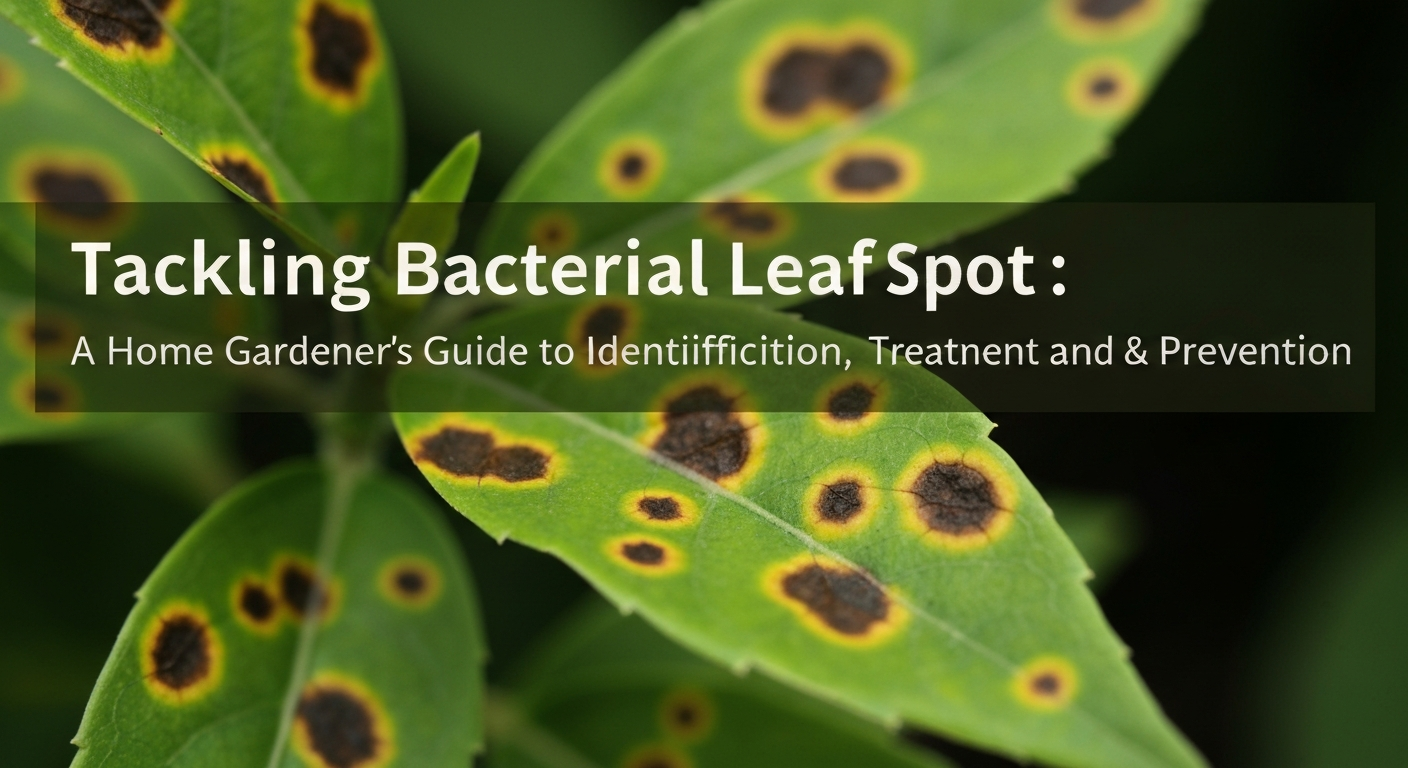
Discovering unsightly spots on your beloved plants can be disheartening. Among the myriad of plant ailments, bacterial leaf spot stands out as a particularly common and frustrating foe for home gardeners. This pervasive disease, caused by various species of bacteria, can quickly diminish the vigor and aesthetic appeal of a wide range of plants, from your prized tomatoes and peppers to ornamental shrubs and leafy greens. Understanding this disease is the first step toward reclaiming a healthy, thriving garden.
At plantdiseaseapp.com, we’re dedicated to empowering you with the knowledge to tackle plant problems head-on. In this comprehensive guide, we’ll delve into everything you need to know about bacterial leaf spot: how to identify its telltale signs, what causes its spread, effective treatment strategies (both organic and chemical), and, most importantly, how to prevent it from ever taking hold. Let’s dig in and protect your green companions!
What is Bacterial Leaf Spot?
Bacterial leaf spot is a general term referring to plant diseases caused by various species of bacteria (primarily Xanthomonas and Pseudomonas genera) that infect plant leaves, stems, and sometimes fruit. Unlike fungi, bacteria are single-celled organisms that reproduce rapidly and thrive in moist, warm conditions. Once they penetrate plant tissues, often through natural openings like stomata or wounds, they multiply and cause cellular damage, leading to the characteristic spots we see.
This disease doesn’t just mar the appearance of leaves; severe infections can lead to defoliation, stunted growth, and reduced yields, especially in edible crops. For gardeners, distinguishing bacterial leaf spot from other plant diseases can be tricky, but knowing its specific characteristics is crucial for effective management.
Identifying the Symptoms of Bacterial Leaf Spot
Accurate identification is paramount when dealing with any plant ailment. Bacterial leaf spot presents distinct symptoms that, once recognized, can help you act quickly.
Key Symptoms to Look For:
- Small, Water-Soaked Spots: Initially, you’ll often see tiny, dark green, water-soaked spots on the undersides of leaves. These spots might appear greasy.
- Angular Lesions: As the spots develop, they frequently become angular in shape, especially on plants with prominent leaf veins. This is because the bacteria are confined by the veins, creating blocky or square-ish patterns rather than perfectly round ones.
- Darkening and Browning: The water-soaked areas will eventually darken to brown or black. The centers of the spots may dry out and fall away, leaving “shot holes” in the leaves.
- Yellow Halos: A distinct yellow halo often surrounds the dark spots. This chlorotic (yellowing) zone indicates the plant’s reaction to the bacterial toxins.
- Shiny or Greasy Appearance: On some plants, especially peppers, the spots might maintain a somewhat shiny or greasy appearance, particularly when wet.
- Raised Bumps: In certain cases, especially on beans, the spots might be slightly raised or blister-like on the underside of the leaf.
- Leaf Drop: Severely infected leaves may turn yellow and drop prematurely, leading to significant defoliation.
- Stem and Fruit Lesions: While primarily a leaf disease, bacterial leaf spot can also affect stems, causing elongated streaks or cankers. On fruits, especially tomatoes and peppers, it can cause small, raised, scab-like spots that may have a sunken center. For more on tomato plant diseases, check out our dedicated article.
It’s important to differentiate these symptoms from other common leaf spot issues. For example, some fungal leaf spots might have concentric rings or fuzzy growth, which are not typical of bacterial infections. If you’re unsure, photographing the symptoms with your iPhone and using a Plant Disease Identifier app can provide an initial assessment and help you diagnose plant problems more accurately.
Common Plants Affected by Bacterial Leaf Spot
Bacterial leaf spot is a generalist disease, meaning it can affect a broad spectrum of plants. However, certain plant families and species are particularly susceptible. Recognizing these can help you be more vigilant in your garden.
Vegetable Garden Favorites:
- Peppers: Both sweet and hot peppers are highly vulnerable, often showing classic angular, water-soaked spots that turn dark.
- Tomatoes: A common host, especially in humid conditions. Symptoms include small, dark, angular spots on leaves and occasionally raised, scabby lesions on fruit.
- Beans: Especially common on snap beans and pole beans, causing small, reddish-brown spots that might be slightly sunken or raised.
- Lettuce and other leafy greens: Can develop dark, angular spots that may progress to rot, making the greens unmarketable.
- Cabbage and other brassicas: Can suffer from black rot, a severe form of bacterial leaf spot that causes V-shaped lesions on leaf margins.
- Cucumbers and melons: May exhibit angular, water-soaked spots that turn tan or brown.
Ornamental Plants:
- Impatiens: A major problem, causing black spots and rapid defoliation, especially with downy mildew.
- Geraniums: Can develop small, circular, water-soaked spots that turn brown or black.
- Poinsettias: Symptoms include small, dark, angular spots, especially on lower leaves.
- Lilacs: Can show dark, angular spots and blight of new shoots.
- Hydrangeas: Often get angular leaf spots that turn brown or black.
- Rhododendrons and Azaleas: May exhibit small, dark spots, particularly on the undersides of leaves.
If you notice brown spots on plant leaves on any of these plants, bacterial leaf spot should be high on your list of suspects.
Understanding the Causes and Spread
Knowing what causes bacterial leaf spot is crucial for effective prevention and control. Unlike many fungal diseases, bacterial pathogens don’t produce spores that float freely in the air over long distances. Instead, their spread is closely tied to moisture and plant-to-plant contact.
The Pathogens:
The primary culprits behind bacterial leaf spot are various species of bacteria, mainly from the genera Xanthomonas and Pseudomonas. Each species often has a specific host range, though some can infect multiple types of plants. These bacteria live on plant surfaces, in contaminated soil, or within infected plant debris.
How it Spreads:
- Splashing Water: This is the most significant vector. Rain, overhead irrigation, or even water dripping from one leaf to another can pick up bacterial cells and splash them onto healthy plants.
- Wind: Wind-driven rain or even strong gusts can carry bacteria over short distances.
- Contaminated Seeds and Transplants: Bacteria can reside on the surface of seeds or even internally, leading to infected seedlings from the start. Purchasing diseased transplants is a common way to introduce the pathogen into a garden.
- Infected Plant Debris: Bacteria can survive in fallen leaves, stems, and other plant material left in the garden over winter.
- Tools and Hands: Pruning shears, garden gloves, or even your hands can pick up bacteria from an infected plant and transfer them to a healthy one. This highlights the importance of sanitation.
- Wounds: Any injury to a plant, whether from insects, hail, or mechanical damage, provides an easy entry point for bacteria.
- Natural Openings: Bacteria can also enter through natural openings on leaves, such as stomata (pores for gas exchange).
Favorable Conditions:
Bacterial leaf spot thrives in specific environmental conditions:
- Warm Temperatures: Most Xanthomonas and Pseudomonas species prefer temperatures between 75-85°F (24-29°C).
- High Humidity and Prolonged Leaf Wetness: This is the critical factor. Extended periods of leaf wetness (more than 6-8 hours) provide the ideal environment for bacteria to multiply and enter plant tissues. Overhead watering systems are often major contributors to this problem.
- Overcrowding: Densely planted gardens reduce air circulation, keeping leaves wet for longer periods and creating a humid microclimate perfect for bacterial growth.
Understanding these factors allows you to implement targeted prevention strategies to break the disease cycle.
Diagnosing Bacterial Leaf Spot
Diagnosing a sick plant accurately is the first step toward effective treatment. While the symptoms of bacterial leaf spot are often distinct, they can sometimes be confused with other issues like fungal leaf spots or even nutrient deficiencies.
Steps for Diagnosis:
- Observe Carefully:
- Examine the size, shape, color, and location of the spots. Are they angular? Water-soaked? Do they have yellow halos?
- Check both the top and underside of leaves.
- Note if the spots are confined by leaf veins.
- Consider the overall pattern of infection – is it uniform, or are certain areas more affected?
- Review Environmental Conditions:
- Has there been recent warm, humid weather?
- Do you use overhead irrigation?
- Are your plants overcrowded?
- Consider Plant History:
- Did you start with healthy seeds or transplants?
- Have you had bacterial leaf spot in your garden before?
- Have you sanitized your tools recently?
- Use Diagnostic Tools:
- For an initial assessment, take clear photos of the affected leaves with your iPhone and use a Plant Disease Identifier app. While AI-based apps provide valuable information and suggestions, remember they are informational tools and not a substitute for professional agricultural advice.
- Compare your observations to reliable plant disease resources, like our article on leaf spot disease, to rule out other possibilities.
- If you’re still unsure, especially with valuable crops or widespread issues, consider submitting a sample to your local agricultural extension office for laboratory diagnosis. They can confirm the specific pathogen.
Differentiating from Fungal Leaf Spots:
This is a common challenge. Here’s a quick comparison:
| Feature | Bacterial Leaf Spot | Fungal Leaf Spot |
|---|---|---|
| Shape | Often angular, restricted by leaf veins. | Usually circular, sometimes irregular or target-like. |
| Appearance | Water-soaked, greasy, dark, often with yellow halo. | Varied; can be tan, brown, black; may have concentric rings. |
| Texture | Smooth or slightly raised; can be shiny/greasy. | Can be fuzzy, powdery, or have visible spores/fruiting bodies. |
| Spread | Splashing water, wind-driven rain, tools. | Spores carried by wind, water, insects. |
| Treatment | Copper-based bactericides (preventative/suppressive). | Fungicides (preventative/curative). |
For example, powdery mildew on plants presents as a white, powdery coating, distinctly different from bacterial spots. Similarly, black spot on roses is a fungal issue characterized by distinct circular black spots with fringed margins and yellowing around them.
Treatment Strategies for Bacterial Leaf Spot
Once bacterial leaf spot has taken hold, complete eradication is often challenging, if not impossible, especially in an outdoor garden setting. The goal of treatment is primarily to manage the disease, slow its spread, and protect new growth.
1. Cultural and Organic Approaches (First Line of Defense):
These methods are the most important for home gardeners and align well with organic gardening practices.
- Pruning and Removal: As soon as you spot infected leaves, carefully remove them. Prune back to healthy tissue, ensuring you cut several inches below any visible symptoms. Dispose of infected material in the trash, not your compost pile, as the bacteria can survive.
- Improve Air Circulation: If plants are overcrowded, thin them out. Proper spacing allows air to move freely around plants, helping leaves dry quickly after rain or watering.
- Avoid Overhead Watering: Water at the base of your plants using drip irrigation, soaker hoses, or a watering can. This minimizes leaf wetness, which is critical for bacterial spread. Water in the morning so any accidental wetting has time to dry before nightfall.
- Sanitize Tools: Always clean your pruning shears, clippers, and other tools with a 10% bleach solution (1 part bleach to 9 parts water) or rubbing alcohol between cuts and especially between different plants. This prevents accidental transfer of bacteria.
- Mulching: Apply a layer of mulch around plants. This helps prevent soil splashing onto lower leaves during watering or rain, which can carry bacteria from the soil to the plant.
- Crop Rotation: If growing vegetables, avoid planting susceptible crops in the same spot year after year. A 2-3 year rotation can help reduce bacterial populations in the soil.
- Resistant Varieties: Whenever possible, choose plant varieties that are known to be resistant or tolerant to bacterial leaf spot. This is the most effective long-term prevention strategy.
2. Chemical Treatments (Use with Caution):
For bacterial leaf spot, traditional fungicides are ineffective because they target fungi, not bacteria. The only chemical option available to home gardeners is copper-based bactericides.
- Copper-Based Sprays: These products contain copper, which acts as a bactericide. They work by coating plant surfaces and killing bacteria on contact, primarily preventing new infections. They are generally not curative for existing spots.
- Application: Apply according to label instructions, typically every 7-10 days, especially during periods of warm, wet weather.
- Limitations: Copper sprays can sometimes cause phytotoxicity (plant damage) if applied improperly or in hot, sunny conditions. They also don’t penetrate plant tissue to kill bacteria already inside.
- Organic Certification: Some copper products are approved for organic gardening, but always check the label.
- When to Use: Consider copper sprays if you have a history of severe bacterial leaf spot, if cultural controls aren’t enough, or as a preventative measure on highly susceptible plants during high-risk periods. Always prioritize cultural controls.
Important Note: Always read and follow the label instructions for any chemical product you use. Over-application or incorrect use can harm your plants, beneficial insects, and the environment. Remember, as Elena Marsh, Senior Plant Care Editor, I emphasize that this information is for educational purposes. For severe or persistent issues, consulting a local agricultural extension service for professional advice is always recommended.
Prevention is Key: Stop Bacterial Leaf Spot Before It Starts
Prevention is undeniably the most effective strategy against bacterial leaf spot. By implementing good gardening practices, you can significantly reduce the risk of this disease taking hold in your garden.
Proactive Cultural Practices:
- Start with Clean Stock:
- Disease-Free Seeds: Purchase seeds from reputable sources that guarantee disease-free stock. Some seeds can carry bacteria internally or externally. Consider treating seeds with hot water (specific temperatures and times vary by crop) or a dilute bleach solution if you’re concerned.
- Healthy Transplants: Inspect any seedlings or young plants you purchase carefully. Look for any spots, discoloration, or signs of stress. Don’t introduce a problem into your garden from day one.
- Choose Resistant Varieties: This is your best defense. Many seed catalogs and plant nurseries now list varieties specifically bred for resistance to bacterial leaf spot (e.g., ‘Revolution’ pepper, ‘Mountain Magic’ tomato).
- Practice Crop Rotation: If you grow vegetables, rotate your crops. Avoid planting susceptible plants in the same spot for at least 2-3 years. This helps break the disease cycle by depleting bacterial populations in the soil.
- Proper Plant Spacing: Give your plants ample room to grow. Good air circulation is vital for quickly drying leaves, making them less hospitable for bacteria. Follow recommended spacing guidelines for each plant type.
- Water Wisely:
- Avoid Overhead Irrigation: Use drip irrigation, soaker hoses, or water by hand at the soil line. This keeps leaves dry.
- Water in the Morning: If you must water overhead, do so early in the day so leaves have plenty of time to dry before evening.
- Sanitation, Sanitation, Sanitation:
- Clean Tools: Disinfect pruning shears, stakes, and other garden tools with a 10% bleach solution or rubbing alcohol after each use, and especially between different plants.
- Remove Plant Debris: Promptly clean up fallen leaves, stems, and spent plants. Do not compost infected material; dispose of it in the trash. Bacteria can overwinter in plant debris.
- Wash Your Hands: After handling infected plants, wash your hands thoroughly before touching healthy ones.
- Manage Weeds: Weeds can act as alternative hosts for bacteria and can also impede air circulation around your desired plants. Keep your garden beds weed-free.
Environmental Management:
- Improve Drainage: Ensure your garden soil drains well. Waterlogged soil can stress plants, making them more susceptible to disease.
- Avoid Excessive Nitrogen: While nitrogen is essential for leafy growth, too much can lead to lush, tender growth that is more vulnerable to bacterial infection. A balanced fertilizer program is best.
By consistently applying these preventative measures, you can create an environment where bacterial leaf spot struggles to thrive, leading to healthier, more productive plants. For a broader understanding of how to keep your garden healthy, explore our guides on plant disease and general diagnose plant problems.
Common Mistakes Gardeners Make
Even experienced gardeners can sometimes make errors that inadvertently encourage bacterial leaf spot or hinder its treatment. Being aware of these common pitfalls can help you avoid them.
- Misdiagnosis: One of the most frequent mistakes is confusing bacterial leaf spot with fungal leaf spots or other issues. Applying a fungicide to a bacterial infection is ineffective and a waste of time and resources. For example, if you see white powdery growth, that’s likely powdery mildew on plants, not bacterial leaf spot. Always take the time to observe symptoms carefully or use diagnostic tools like the Plant Disease Identifier app.
- Overhead Watering: This cannot be stressed enough. Consistently watering from above, especially in the evening, creates the perfect moist environment for bacteria to multiply and spread. It’s a prime contributor to the disease.
- Ignoring Early Symptoms: Bacterial leaf spot can spread rapidly. Ignoring those first small, water-soaked spots allows the disease to become established and much harder to control. Early intervention is key.
- Not Sanitizing Tools: Using uncleaned pruning shears or other tools to cut from an infected plant to a healthy one is a guaranteed way to spread the bacteria throughout your garden. This is a critical step often overlooked.
- Composting Infected Material: Throwing diseased leaves or stems into your compost pile can allow the bacteria to survive and re-infect your garden when the compost is used. Always dispose of infected plant material in the trash.
- Overcrowding Plants: Planting too closely together reduces air circulation, keeping foliage wet for longer periods and creating a humid microclimate that bacteria love.
- Expecting a “Cure-All” Chemical: There’s no magical spray that will instantly cure bacterial leaf spot once it’s severe. Copper-based bactericides are primarily preventative and suppressive, not curative. Relying solely on chemicals without implementing cultural controls will likely lead to continued problems.
- Planting Susceptible Varieties Repeatedly: If you’ve had issues with bacterial leaf spot on certain plant types, continuing to plant the same susceptible varieties year after year without any preventative measures is setting yourself up for failure. Explore disease-resistant options.
- Not Practicing Crop Rotation: For vegetable gardens, planting tomatoes in the same spot where diseased tomatoes grew last year can mean bacteria are already present in the soil, ready to infect new plants. This is especially true for tomato diseases.
By being mindful of these common mistakes, you can significantly improve your chances of keeping your garden free from the damaging effects of bacterial leaf spot.
Bacterial Leaf Spot vs. Other Common Leaf Spots
While the focus of this article is bacterial leaf spot, it’s helpful to briefly understand how it contrasts with other common leaf spot diseases that might appear in your garden. This knowledge reinforces the importance of accurate diagnosis.
Fungal Leaf Spots:
Fungal leaf spots are far more numerous and varied than bacterial ones. They are caused by a wide range of fungal pathogens.
- Appearance: Fungal spots often exhibit more distinct, often circular, margins. They can have concentric rings (like a target) and may vary widely in color (tan, brown, black, purple). In humid conditions, you might even see fuzzy fungal growth or tiny black dots (fruiting bodies) within the spots.
- Examples: Common fungal leaf spots include Septoria leaf spot (small, circular spots with dark borders and tan centers on tomatoes), Anthracnose (sunken lesions, often with pinkish spores), and Black Spot on Roses (distinct black spots with fringed margins and yellow halos).
- Treatment: Fungal leaf spots respond to fungicides, whereas bacterial leaf spots do not.
Viral Leaf Spots:
Viral infections can also cause spots, mosaics, or mottling on leaves, but they behave very differently.
- Appearance: Viral symptoms are often systemic, affecting the entire plant, and can include mosaic patterns, distorted growth, yellowing, stunting, and sometimes small, irregular spots.
- Spread: Viruses are primarily spread by insect vectors (like aphids or thrips) or mechanical means (tools, hands).
- Treatment: There is no cure for viral plant diseases. Management focuses on removing infected plants and controlling vectors.
Environmental Stress/Nutrient Deficiencies:
Sometimes, spots or discoloration aren’t from a pathogen at all.
- Appearance: Nutrient deficiencies can cause uniform yellowing, browning of leaf margins, or specific spot patterns depending on the nutrient. Environmental stress (like sunburn, windburn, or chemical damage) can also cause irregular spots or blotches.
- Diagnosis: These usually lack the characteristic water-soaked appearance or angular shape of bacterial leaf spot. Consider your fertilization practices and recent weather events.
Understanding these distinctions is crucial for selecting the correct course of action. When you see brown spots on plant leaves, don’t jump to conclusions. Take a moment to observe, compare, and, if necessary, use diagnostic tools to pinpoint the true culprit.
Conclusion: Your Guide to a Spot-Free Garden
Bacterial leaf spot can be a persistent challenge for home gardeners, but it’s not an insurmountable one. By understanding its symptoms, the conditions that favor its spread, and implementing proactive prevention strategies, you can significantly reduce its impact on your plants. Remember that prevention through good cultural practices—like proper watering, spacing, sanitation, and choosing resistant varieties—is always more effective than attempting to cure an established infection.
Stay vigilant, inspect your plants regularly, and act quickly at the first sign of trouble. With the knowledge and tools provided by plantdiseaseapp.com, you’re well-equipped to maintain a vibrant, healthy, and spot-free garden. Happy gardening!
Disclaimer: The information provided in this article is for educational purposes only and is not intended to be a substitute for professional agricultural advice. While our AI-powered app can assist with identification, always consult with local agricultural extension services or certified professionals for specific diagnoses and treatment recommendations for your region and plant varieties.