

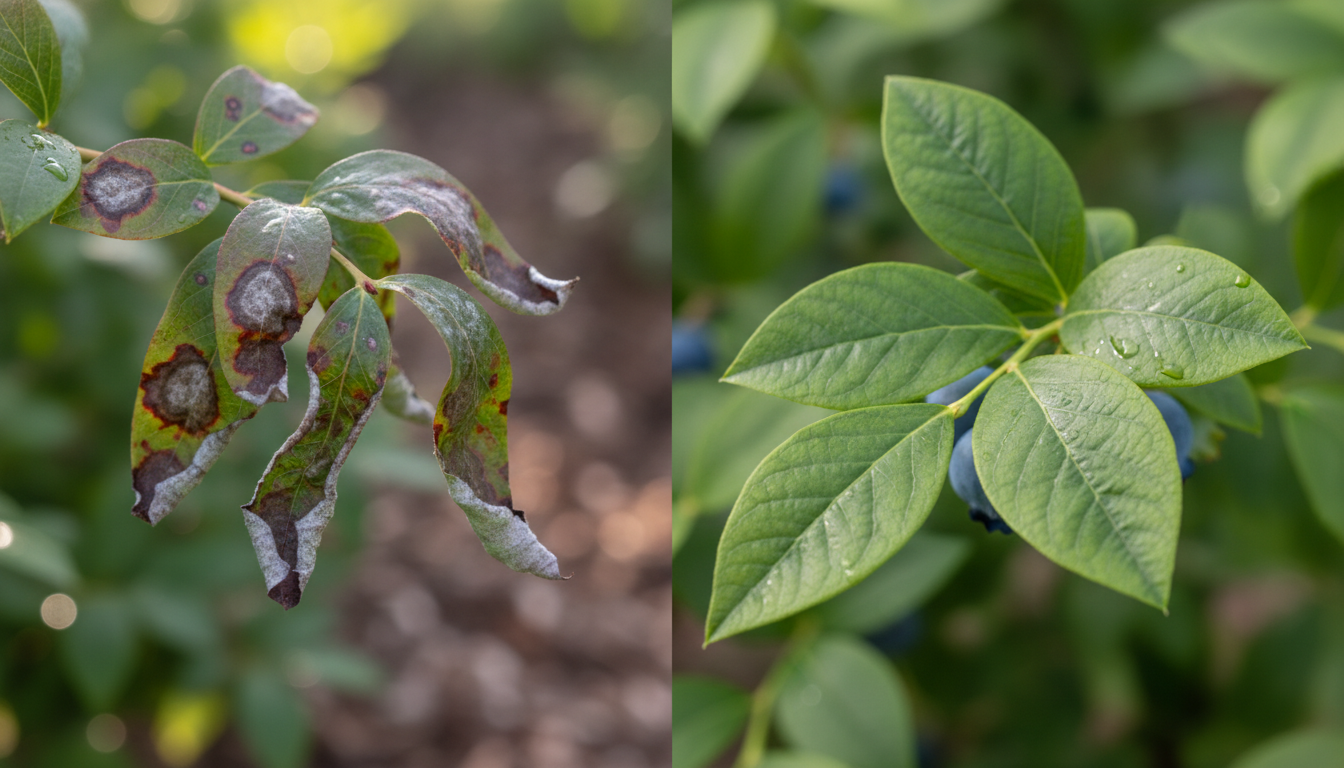
There’s nothing quite like plucking a handful of sweet, juicy blueberries fresh from your own backyard bush. But the path to a bountiful harvest can sometimes be fraught with challenges, particularly when it comes to blueberry diseases. As home gardeners, understanding these common ailments is your first line of defense. Early identification, proper treatment, and proactive prevention are key to ensuring your blueberry bushes remain healthy, productive, and a source of delicious fruit for years to come.
This comprehensive guide will walk you through the most prevalent blueberry diseases, their tell-tale symptoms, effective diagnosis strategies, and practical treatment and prevention methods suitable for the home garden. Let’s dive in and learn how to protect your precious blueberry patch!
Why Are Blueberries Susceptible to Disease?
Blueberries, like all plants, have specific environmental needs. When these needs aren’t met, or when conditions become favorable for pathogens, diseases can take hold. Key factors that influence blueberry susceptibility include:
- Soil pH: Blueberries are acid-loving plants, thriving in a pH range of 4.5 to 5.5. If the pH is too high, nutrient uptake is hindered, stressing the plant and making it more vulnerable to disease.
- Drainage: Blueberries require well-drained soil. Poor drainage, especially in heavy clay soils, can lead to root diseases like Phytophthora Root Rot.
- Air Circulation: Dense foliage or close planting can restrict airflow, creating a humid microclimate that encourages fungal growth.
- Watering Practices: Overhead watering, especially in the evening, can leave foliage wet for extended periods, promoting fungal and bacterial infections.
- Variety Selection: Some blueberry varieties are more naturally resistant to certain diseases than others.
- Weather Conditions: Prolonged periods of rain, high humidity, or specific temperature ranges can favor the development and spread of various pathogens.
Understanding these underlying factors is crucial for both prevention and effective treatment.
Common Blueberry Diseases and Their Symptoms
Identifying a disease correctly is the first step toward successful treatment. Here are some of the most common blueberry diseases you might encounter, along with their distinctive symptoms.
1. Mummy Berry Disease (Monilinia vaccinii-corymbosi)
This is one of the most destructive fungal diseases for blueberries. It affects flowers, leaves, and fruit.
- Symptoms:
- Spring Shoot Blight: Young leaves and shoots wilt, turn brown or black, and resemble frost damage. They may develop a powdery gray fungal growth on their surface.
- Flower Blight: Flowers turn brown and die, preventing fruit set.
- Fruit Mummification: Developing berries turn a pale, creamy pink or tan color instead of blue, then shrivel into hard, wrinkled, gray or black “mummies.” These mummies fall to the ground and overwinter, spreading the disease the following spring.
- Cause: A fungus that overwinters in the mummified berries on the ground. Spores are released in spring, infecting new growth.
2. Anthracnose Fruit Rot (Colletotrichum acutatum)
A widespread fungal disease, especially problematic in warm, humid conditions.
- Symptoms:
- Fruit Lesions: Small, soft, sunken spots appear on ripening or ripe berries. These spots enlarge, often turning dark brown or black.
- Salmon-Colored Spores: Under humid conditions, the lesions may develop masses of slimy, salmon-orange colored spores.
- Post-Harvest Rot: Often, berries appear healthy on the bush but develop symptoms rapidly after harvest, during storage or shipping.
- Cause: A fungus that thrives in warm, wet weather. Spores are spread by splashing water, wind, and contaminated tools.
3. Phytophthora Root Rot (Phytophthora cinnamomi)
This is a water mold, not a true fungus, but it behaves similarly and can be devastating, particularly in heavy, poorly drained soils.
- Symptoms:
- Stunted Growth: Overall plant vigor is significantly reduced.
- Yellowing Leaves: Leaves turn yellow, often with reddish tints, and may drop prematurely.
- Wilting: Plants wilt, especially during hot weather, even if the soil is moist.
- Dieback: Twigs and branches may die back from the tips.
- Root Discoloration: When roots are examined, healthy white roots are absent. Instead, roots appear reddish-brown, soft, and mushy, often with a distinct line between healthy and diseased tissue.
- Cause: A soil-borne pathogen that thrives in saturated, poorly drained soils. Excess moisture deprives roots of oxygen, making them vulnerable. Learn more about identifying and treating root rot in various plants.
4. Botrytis Blight (Gray Mold) (Botrytis cinerea)
A common fungal disease that affects many plants, including blueberries, especially during cool, wet, or humid weather.
- Symptoms:
- Flower Blight: Flowers turn brown and rot, often covered in a fuzzy gray mold.
- Twig Blight/Cane Canker: Young twigs and canes may shrivel and die back, sometimes with a gray mold present.
- Fruit Rot: Soft, watery spots on berries, which quickly become covered in a characteristic fuzzy gray mold.
- Cause: A ubiquitous fungus that thrives in high humidity and cool temperatures. It often enters through wounds or senescent tissues.
5. Blueberry Rust (Pucciniastrum vaccinii)
While not usually fatal, severe rust can weaken plants and reduce yield.
- Symptoms:
- Yellow Spots (Upper Leaf Surface): Small, angular, yellow spots appear on the upper side of older leaves.
- Orange Pustules (Lower Leaf Surface): Corresponding to the yellow spots, reddish-brown to orange, powdery pustules develop on the underside of the leaves.
- Premature Leaf Drop: Heavily infected leaves may turn yellow and drop prematurely.
- Cause: A fungus that requires specific host plants (like hemlock) to complete its life cycle in some regions, but can also cycle on blueberries alone. Favored by cool, moist conditions.
6. Powdery Mildew (Microsphaera vaccinii)
Another common fungal disease, though less severe on blueberries than on some other plants.
- Symptoms:
- White Powdery Patches: White, powdery patches appear on the upper surface of young leaves, especially in shaded areas.
- Leaf Distortion: Severely infected leaves may become distorted or curled.
- Cause: A fungus that thrives in warm, dry days followed by cool, humid nights. Unlike many fungi, it doesn’t require free water on the leaf surface to germinate. For more information on this widespread issue, check out our guide on powdery mildew on plants.
7. Leaf Spot Diseases (Various Fungi, e.g., Septoria, Phomopsis)
Several different fungi can cause leaf spots on blueberries.
- Symptoms:
- Varied Spots: Spots can be small or large, circular or irregular, and range in color from brown to black, often with a distinct border or halo.
- Shot-Hole Effect: In some cases, the centers of the spots may fall out, creating a “shot-hole” appearance.
- Premature Leaf Drop: Severe infections can lead to significant defoliation.
- Cause: Various fungi, typically favored by wet foliage and humid conditions. If you’re seeing brown spots on plant leaves or other leaf spot disease symptoms, it’s worth investigating.
8. Cane Diseases (e.g., Phomopsis Cane and Twig Blight, Botryosphaeria Canker)
These diseases affect the woody parts of the plant.
- Symptoms:
- Cankers: Sunken, discolored lesions (often reddish-brown to black) on canes. These cankers can girdle the cane, leading to dieback of the portion above the lesion.
- Tip Dieback: Young shoots and cane tips wilt and die back, often turning dark brown or black.
- Wilting Branches: Entire branches may suddenly wilt and die due to girdling cankers.
- Cause: Fungi that often enter through wounds (pruning cuts, insect damage, frost cracks). They are common in stressed or older canes.
9. Viral Diseases (e.g., Blueberry Mosaic Virus, Blueberry Red Ringspot Virus)
Viral diseases are more challenging because there are no direct chemical treatments.
- Symptoms:
- Mosaic Virus: Mottling, yellowing, or chlorotic (pale green) patterns on leaves, often resembling a mosaic. Symptoms can vary greatly depending on variety and environmental conditions.
- Red Ringspot Virus: Distinctive red rings or spots on leaves, stems, and sometimes fruit.
- Stunted Growth: Overall decline in plant vigor and reduced yield.
- Cause: Viruses spread by insect vectors (like aphids or nematodes) or through infected plant material (cuttings, propagation).
- Treatment: No cure. Infected plants must be removed and destroyed to prevent spread.
Diagnosing Blueberry Diseases: Your Detective Work
Accurate diagnosis is paramount. A misdiagnosis can lead to ineffective treatments and wasted effort. Here’s a step-by-step approach to becoming a plant disease detective:
- Observe Closely:
- Where are the symptoms? Are they on new growth, old growth, leaves, stems, flowers, or fruit?
- What do they look like? Spots, lesions, wilting, discoloration, powdery growth, fuzzy mold?
- Is the pattern localized or widespread? Is it affecting one branch or the entire plant?
- Is it spreading quickly or slowly?
- Consider the timing: When did you first notice the symptoms? What were the recent weather conditions?
- Examine Environmental Factors:
- Soil: Is it well-drained? What’s the pH? Is it too wet or too dry?
- Sunlight: Are plants getting adequate sun?
- Air Circulation: Is the planting too dense?
- Watering: How often and how much do you water?
- Fertilization: Have you over-fertilized or under-fertilized?
- Utilize Technology:
- Sometimes, visual inspection isn’t enough. That’s where modern tools come in handy. Take clear, well-lit photographs of the affected parts of your plant. Then, use an app like the Plant Disease Identifier on your iPhone. By photographing symptoms with the Plant Disease Identifier app, you can get an instant, AI-powered preliminary diagnosis, which can be a great starting point for understanding what’s wrong. Remember, AI is an informational tool and not a substitute for professional agricultural advice, but it can guide your next steps. For a more general approach to understanding what’s wrong with your sick plant or how to diagnose plant problems, our app is a valuable resource.
- When to Seek Expert Help:
- If you’re unsure after using the app and your own observation, or if the problem persists despite your efforts, consider taking a sample (leaves, affected stems, fruit) to your local agricultural extension office. They can often provide a definitive diagnosis and specific regional recommendations.
Treatment Strategies for Blueberry Diseases
Once you’ve identified the problem, it’s time for action. Treatment approaches can range from cultural practices to organic sprays and, in some cases, conventional fungicides.
1. Cultural Practices: Your First Line of Defense (Often Organic)
These methods focus on improving plant health and the growing environment, making plants less susceptible to disease.
- Pruning: Remove all diseased branches, canes, and mummified berries immediately. Prune to improve air circulation within the bush. Always sanitize your pruning tools between cuts and between plants with a 10% bleach solution or rubbing alcohol to prevent spreading pathogens.
- Sanitation: Rake up and destroy (don’t compost) any fallen leaves, fruit, or plant debris, especially mummified berries in the fall and spring. This removes overwintering fungal spores.
- Proper Watering: Water at the base of the plant in the morning to allow foliage to dry quickly. Avoid overhead watering, which keeps leaves wet and encourages fungal growth.
- Soil Management: Ensure proper soil pH (4.5-5.5) and excellent drainage. If you have heavy clay soil, consider planting in raised beds amended with plenty of organic matter to improve drainage and aeration. This is especially critical for preventing root rot.
- Weed Control: Keep the area around your blueberry bushes weed-free to reduce competition for nutrients and improve air circulation.
2. Organic Treatments
For home gardeners, organic options are often preferred.
- Neem Oil: A natural pesticide and fungicide that can be effective against powdery mildew and some insect vectors of disease. Apply according to label directions.
- Copper-Based Fungicides: Some copper formulations are approved for organic use and can help control various fungal and bacterial diseases, including leaf spots and anthracnose. Always check the product label for organic certification and specific application instructions.
- Sulfur Sprays: Effective against powdery mildew and rust. Apply when temperatures are moderate, as sulfur can burn foliage in hot weather.
- Beneficial Microbes: Products containing Bacillus subtilis or other beneficial bacteria/fungi can help suppress certain soil-borne pathogens and promote plant health.
3. Fungicides (When Necessary)
For severe or persistent fungal diseases, or in commercial settings, targeted fungicides may be required. Always read and follow product labels carefully, paying attention to application rates, timing, and safety precautions.
- Mummy Berry: Fungicides are typically applied preventatively during bud break and bloom. Consult your local extension office for recommended products and timing for your region.
- Anthracnose: Fungicides can be applied during fruit development, especially if wet conditions are expected.
- Phytophthora Root Rot: While cultural practices are paramount, some fungicides (e.g., those containing propamocarb or fosetyl-al) can offer some control when drainage cannot be fully remedied, but they are generally a last resort and often not practical for home gardeners. Focus on improving drainage first.
- Powdery Mildew & Rust: Organic options like sulfur or neem oil are often sufficient. If not, specific fungicides for these diseases are available.
Important Note on Fungicides: Fungicides are primarily preventative or curative in the very early stages of disease. They cannot “heal” already damaged tissue. Consistent application according to the product label is crucial for effectiveness.
4. Managing Viral Diseases
As mentioned, there is no chemical cure for viral diseases.
- Removal: The only effective strategy is to promptly remove and destroy (do not compost) any infected blueberry plants. This prevents the virus from spreading to healthy bushes via insect vectors or pruning tools.
- Source Healthy Plants: Always purchase certified disease-free plants from reputable nurseries.
Prevention is Key: Proactive Measures for a Healthy Blueberry Patch
An ounce of prevention is worth a pound of cure, especially with blueberry diseases.
- Choose Disease-Resistant Varieties: When selecting new blueberry bushes, look for varieties known to have good resistance to common diseases in your area. Your local extension office can provide recommendations.
- Proper Site Selection and Soil Preparation:
- Sunlight: Blueberries need full sun (at least 6-8 hours daily).
- Soil pH: Test your soil and amend it to achieve the ideal acidic pH (4.5-5.5) before planting. Use elemental sulfur or sphagnum peat moss to lower pH.
- Drainage: Ensure excellent drainage. If your soil is heavy clay, plant in raised beds or amend extensively with compost, pine bark, or peat moss.
- Correct Planting Depth: Plant blueberries at the same depth they were in the nursery pot. Planting too deep can lead to stress and root problems.
- Adequate Spacing: Provide enough space between plants (typically 4-6 feet apart) to ensure good air circulation. This helps foliage dry quickly, discouraging fungal growth.
- Watering Wisely: Implement drip irrigation or soaker hoses to deliver water directly to the root zone, keeping foliage dry. Water deeply and consistently, especially during dry spells, but avoid overwatering.
- Balanced Fertilization: Use fertilizers specifically formulated for acid-loving plants. Over-fertilizing, especially with nitrogen, can promote lush, tender growth that is more susceptible to disease.
- Pruning for Health:
- Annually remove weak, crossing, damaged, or diseased canes.
- Remove older, less productive canes (those over 6 years old) to encourage new, vigorous growth.
- Prune to open up the canopy for better air circulation and light penetration.
- Always sanitize tools.
- Good Garden Hygiene: Regularly clean up fallen leaves, fruit, and debris around your plants. This removes potential sources of disease inoculum.
- Pest Management: Control insect pests like aphids, as they can act as vectors for viral diseases and create wounds that allow fungal entry.
Common Mistakes to Avoid
Even experienced gardeners can make mistakes that inadvertently invite blueberry diseases.
- Ignoring Early Symptoms: Small spots or slight discoloration can quickly escalate into a full-blown infection. Address problems as soon as you notice them.
- Improper Soil pH: Planting blueberries in neutral or alkaline soil is a recipe for disaster, leading to nutrient deficiencies and weakened plants.
- Overwatering or Poor Drainage: These are leading causes of root rot and other moisture-loving fungal diseases.
- Over-fertilizing: Too much nitrogen can lead to excessive foliar growth at the expense of fruit production and can make plants more susceptible to certain diseases.
- Not Sanitizing Tools: Using dirty pruners can spread diseases from one plant to another, or even from one part of a plant to another.
- Planting Too Densely: While you might want to maximize your yield, overcrowding reduces air circulation and creates a perfect breeding ground for fungi.
- Composting Diseased Material: Never add diseased plant parts to your compost pile, as this can allow pathogens to survive and spread.
Conclusion
A healthy blueberry patch is a happy blueberry patch, yielding abundant, delicious fruit. While blueberry diseases can be a frustrating challenge, they are manageable with vigilance, knowledge, and consistent care. By understanding the common diseases, learning to accurately diagnose symptoms (with a little help from tools like the Plant Disease Identifier app), and implementing proactive cultural practices, you can significantly reduce the risk and impact of these ailments.
Remember, prevention is always easier than cure. Start with healthy plants, provide them with their ideal growing conditions, and keep a watchful eye. Your efforts will be rewarded with years of sweet, homegrown blueberries!
