

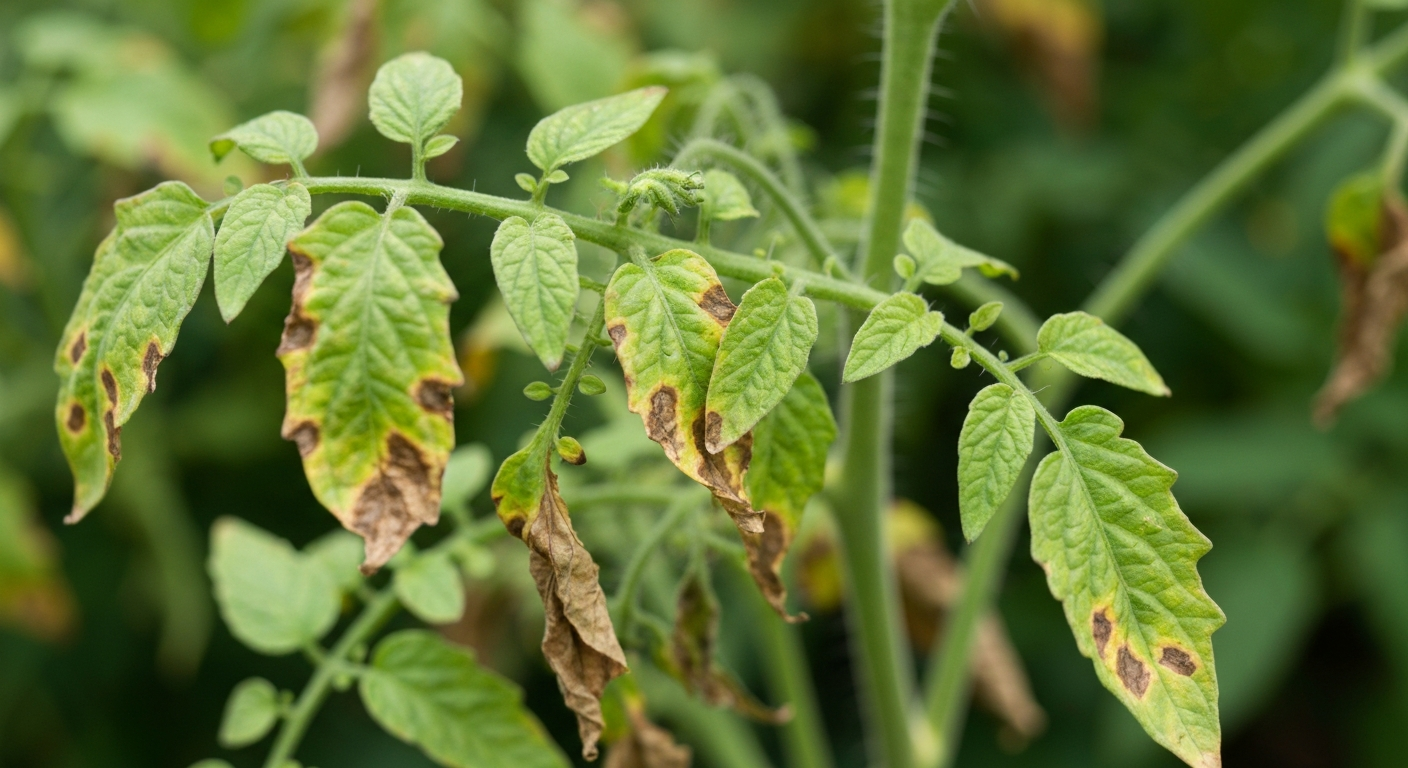
Welcome, fellow gardeners, to a crucial discussion about one of the most devastating diseases affecting our beloved boxwoods: boxwood blight. As Senior Plant Care Editor for plantdiseaseapp.com, I’ve seen firsthand the heartbreak this fungal menace can cause. Boxwoods (Buxus spp.) are mainstays in many landscapes, cherished for their evergreen foliage, dense growth, and versatility in hedges, borders, and topiaries. However, a tiny, insidious fungus can quickly turn these landscape gems into a scene of defoliation and despair. Understanding boxwood blight is the first step in protecting your plants and preserving the beauty of your garden.
What is Boxwood Blight? The Fungal Foe
Boxwood blight is a severe fungal disease caused by Calonectria pseudonaviculata (formerly known as Cylindrocladium buxicola). This pathogen is highly aggressive and can rapidly defoliate and kill boxwood plants. First identified in the UK in the mid-1990s, it has since spread globally, posing a significant threat to boxwood populations in nurseries, landscapes, and even historical gardens.
Unlike some other plant ailments that might cause minor cosmetic damage, boxwood blight is a serious contender. It thrives in warm, humid conditions and can spread with alarming speed, making early detection and proactive management absolutely critical. If you suspect your boxwoods are suffering, swift action is your best defense.
Recognizing the Enemy: Key Symptoms of Boxwood Blight
Identifying boxwood blight early is paramount to managing its spread and saving your plants. The symptoms can sometimes be confused with other issues, so knowing the specific signs is crucial.
Distinctive Symptoms to Look For:
- Leaf Spots: This is often one of the first visible signs. Small, dark brown to black spots will appear on the leaves. These spots often have a lighter green or yellow halo around them. As the disease progresses, these spots enlarge and merge, eventually covering the entire leaf, which then turns brown or straw-colored.
- Rapid Defoliation: Infected leaves will quickly drop from the plant, often starting from the lower branches and working its way upwards. This defoliation can be incredibly fast, turning a lush green plant into a bare skeleton within weeks.
- Black Stem Cankers: Perhaps the most diagnostic symptom are the black, diamond-shaped lesions or streaks that develop on the stems. These stem cankers are unique to boxwood blight and are a strong indicator of the disease. They can girdle the stem, preventing water and nutrients from reaching the leaves, leading to dieback.
- Dieback: As the cankers develop and defoliation progresses, entire branches or sections of the plant will turn brown and die back. In severe cases, the entire plant can succumb to the disease.
- White Spore Masses (Under High Humidity): Under very humid conditions, you might observe a fuzzy white growth, which consists of the fungal spores, on the undersides of infected leaves or on the cankers. This is less commonly seen by the casual observer but is a definitive sign.
Here’s a quick comparison table to help you spot the symptoms:
| Symptom | Description | Severity |
|---|---|---|
| Leaf Spots | Small, dark brown/black spots, often with yellow halos, enlarging over time. | Early to Mid-Stage |
| Defoliation | Rapid leaf drop, starting from lower branches, exposing bare stems. | Mid to Late-Stage |
| Stem Cankers | Distinctive black, diamond-shaped lesions or streaks on stems. | Mid to Late-Stage |
| Dieback | Browning and death of entire branches or sections of the plant. | Late-Stage |
| White Spore Masses | Fuzzy white growth on leaf undersides/cankers (under humid conditions). | Advanced/Humid Conditions |
If you’re noticing brown spots on plant leaves or signs of leaf spot disease on your boxwoods, it’s time to investigate closely for these specific blight indicators.
The Culprit and Its Conditions: Causes and Spread
Understanding how boxwood blight operates is key to preventing and managing it. The disease is caused by the fungus Calonectria pseudonaviculata. This fungus produces two types of spores: conidia and microsclerotia.
- Conidia: These spores are spread primarily by splashing water (rain or irrigation), wind, or by contaminated tools, clothing, animals, and even air currents. They are responsible for rapid, widespread infection.
- Microsclerotia: These are survival structures that allow the fungus to persist in the soil and on fallen leaves for several years, even in the absence of host plants. This makes eradication extremely challenging once the disease has established itself.
Conditions Favoring Boxwood Blight:
- Warm Temperatures: The fungus thrives in temperatures between 60-77°F (15-25°C).
- High Humidity and Moisture: Prolonged periods of leaf wetness (6-12 hours) are ideal for spore germination and infection. Dense plantings, overhead irrigation, and poor air circulation contribute to high humidity.
- Dense Plantings: Closely planted boxwoods create a humid microclimate that is perfect for fungal growth and easy transfer of spores from plant to plant.
- New Plant Introductions: Bringing in infected plants from nurseries is a primary way the disease enters a new garden. Always inspect new plants thoroughly.
- Contaminated Tools: Pruning shears, rakes, and other gardening tools can easily transfer spores from an infected plant to healthy ones.
Accurate Diagnosis: Is It Really Boxwood Blight?
Diagnosing plant problems can be tricky, as many diseases share similar symptoms. Before you jump to conclusions, it’s important to confirm that what you’re seeing is indeed boxwood blight and not another issue. For a general guide on how to diagnose plant problems, you can refer to our detailed article.
Differentiating from Other Boxwood Issues:
- Volutella Blight (Pseudonectria buxi): This is another common boxwood disease. While it also causes leaf discoloration and dieback, Volutella blight typically presents with salmon-pink or orange spore masses on the undersides of leaves and on stems, especially in humid conditions. It also doesn’t usually cause the distinct black stem cankers characteristic of boxwood blight.
- Boxwood Root Rot (Phytophthora spp.): If your boxwoods are showing overall yellowing, wilting, and a general decline without specific leaf spots or cankers, especially in poorly drained soil, you might be dealing with root rot. Digging up a plant and inspecting the roots can help differentiate; root rot causes soft, black, or brown roots.
- Winter Burn: Boxwoods can suffer from winter burn, where leaves turn brown, especially on the exposed sides of the plant. This is usually uniform browning, not spotty, and lacks stem cankers.
- Nutrient Deficiencies or Environmental Stress: Yellowing or stunted growth can be caused by nutrient deficiencies or other environmental stressors. These typically don’t involve the specific leaf spots or black stem cankers of blight.
Using Technology for Diagnosis:
When in doubt, technology can be a great help. Our Plant Disease Identifier iPhone app can assist you. Simply photograph the symptoms on your boxwood with your iPhone, and the app will provide potential diagnoses and treatment suggestions. While AI-powered tools offer valuable informational insights, remember they are not a substitute for professional agricultural or horticultural advice. For definitive confirmation, especially if you plan to implement extensive treatment or removal, consider sending a sample to your local university extension office or plant diagnostic lab. You can learn more about how to use such tools effectively in our guide to the Plant Disease Identifier app and find the best plant disease identifier app for your needs.
Treatment Strategies: Saving Your Boxwoods
Once boxwood blight is present, complete eradication is very difficult due to the microsclerotia surviving in the soil. However, a multi-pronged approach focusing on containment, sanitation, and protection can help manage the disease and save less affected plants.
Immediate Action: Sanitation is Key
- Remove Infected Material: As soon as you confirm boxwood blight, immediately prune out all infected branches. Cut well back into healthy tissue, at least 6-12 inches below any visible cankers or defoliation.
- Dispose Properly: Do NOT compost infected plant material. The fungus can survive in compost and spread further. Bag all pruned material securely and dispose of it in municipal waste, or burn it if local regulations allow.
- Sterilize Tools: This is absolutely critical. After pruning each infected plant, and before moving to a healthy one, thoroughly sterilize your pruning shears, loppers, and any other tools. A 10% bleach solution (1 part bleach to 9 parts water) or a household disinfectant like Lysol or rubbing alcohol (70% isopropyl alcohol) are effective. Soak tools for at least 30 seconds.
- Clean Up Debris: Rake up all fallen leaves and debris from under and around infected plants. These can harbor spores and microsclerotia. Again, dispose of this material properly, do not compost.
Cultural Practices for Recovery and Prevention
Good cultural practices are your first line of defense and crucial for recovery.
- Improve Air Circulation: Boxwoods are often planted too closely together, creating dense, humid conditions. If possible, consider thinning out the plants or pruning to open up the canopy. This allows for better airflow, faster drying of foliage, and discourages fungal growth.
- Watering Techniques: Avoid overhead irrigation, which wets the foliage and promotes spore splash and fungal development. Instead, use drip irrigation or water at the base of the plant. Water in the morning so leaves have time to dry before evening.
- Mulching: Apply a fresh layer of mulch (e.g., shredded bark, pine needles) around your boxwoods. This helps to create a barrier between the soil-borne microsclerotia and the plant, reducing splash-back of spores onto lower leaves.
- Avoid Working with Wet Plants: Do not prune, sheer, or handle boxwoods when they are wet, as this can easily spread spores.
Fungicides: When and How to Use Them
Fungicides are not a cure for established boxwood blight but can be effective as a preventative measure or to slow the spread on lightly infected plants and protect healthy ones. They are most effective when applied before symptoms are severe.
- Types of Fungicides: Look for products containing active ingredients such as chlorothalonil, propiconazole, or tebuconazole. These are typically broad-spectrum fungicides. Some newer, more targeted fungicides are also available, often labeled specifically for boxwood blight.
- Organic Options: Copper-based fungicides can offer some protection, though they may be less effective than synthetic options for severe outbreaks. Neem oil has some fungicidal properties but is generally considered a weak defense against aggressive diseases like boxwood blight.
- Application: Always follow the manufacturer’s instructions carefully regarding mixing ratios, application methods, and reapplication intervals. Fungicides usually need to be applied thoroughly to all plant surfaces, including the undersides of leaves. Multiple applications throughout the growing season may be necessary, especially during warm, humid periods.
- Timing: For prevention, apply fungicides when conditions are favorable for disease development (warm, humid weather). If you have existing blight, apply after pruning out infected material to protect the remaining healthy tissue.
Important Disclaimer: While we provide general information, proper diagnosis and treatment of plant diseases often require specific knowledge of your local conditions and plant varieties. The information provided here and by AI-powered apps is for educational purposes and should not replace professional agricultural or horticultural advice.
Prevention is the Best Medicine: Protecting Your Plants
Given the difficulty of eradicating boxwood blight, prevention is by far the most effective strategy.
- Source Healthy Plants: Always purchase boxwood plants from reputable nurseries that have a strong reputation for disease-free stock. Inspect plants thoroughly before buying, looking for any signs of leaf spots, defoliation, or stem cankers.
- Quarantine New Plants: If possible, isolate new boxwood plants in a separate area for a few weeks before planting them with existing boxwoods. This allows you to monitor for any developing symptoms.
- Choose Resistant Varieties: This is a powerful preventative measure. While no boxwood is completely immune, several varieties show significant resistance to blight.
- Highly Resistant: Buxus microphylla ‘Little Missy’, ‘Sprinter’, ‘Fastigiata’
- Moderately Resistant: Buxus sempervirens ‘Dee Runk’, ‘Jensen’, ‘NewGen Freedom®’, ‘NewGen Independence®’
- Susceptible: Many common Buxus sempervirens varieties (e.g., ‘Suffruticosa’, ‘Green Velvet’, ‘Green Mountain’) and Buxus microphylla ‘Winter Gem’ are highly susceptible. Research and choose varieties known for their blight resistance in your region.
- Proper Spacing: Plant boxwoods with adequate space between them to allow for good air circulation. This helps leaves dry quickly after rain or irrigation, reducing the conditions favorable for fungal growth.
- Smart Watering: As mentioned, water at the base of the plant using drip irrigation or soaker hoses. Avoid overhead watering, especially in the evening.
- Regular Inspection: Make it a habit to regularly inspect your boxwoods for any unusual symptoms. Early detection of a sick plant is your best chance to act before the disease spreads.
- Sanitation Practices: Routinely clean up fallen leaves and debris from under your boxwoods. Sterilize your pruning tools regularly, even when working with healthy plants, to prevent accidental introduction of pathogens.
- Avoid Excessive Fertilization: While healthy plants are more resilient, excessive nitrogen fertilizer can promote lush, tender growth that can be more susceptible to disease. Follow soil test recommendations for balanced fertilization.
Common Mistakes to Avoid When Dealing with Boxwood Blight
Even with the best intentions, gardeners can make mistakes that inadvertently worsen a boxwood blight situation.
- Misdiagnosis: Assuming any leaf spot or dieback is boxwood blight without confirming its specific symptoms can lead to incorrect treatment, wasting time and resources while the actual problem worsens. Conversely, dismissing early symptoms as minor can allow the disease to become entrenched.
- Ignoring Early Symptoms: Boxwood blight spreads rapidly. Waiting to see if symptoms “get worse” before taking action is a critical error.
- Improper Disposal of Infected Material: Composting infected leaves or branches is a surefire way to reintroduce the fungus to your garden, even years later. Always bag and dispose of it properly.
- Neglecting Tool Sterilization: Using unsterilized tools after pruning an infected plant is one of the most common ways to spread the disease to healthy boxwoods.
- Over-reliance on Fungicides Alone: Fungicides are a tool, not a magic bullet. Without proper sanitation, cultural practices, and removal of infected material, fungicides will likely be ineffective in the long run.
- Planting Susceptible Varieties in High-Risk Areas: If you’ve had blight before, or if your neighbors have it, planting highly susceptible boxwood varieties is an invitation for the disease to return.
- Overwatering or Overhead Watering: These practices create the perfect humid environment for the blight fungus to thrive and spread.
- Dense Planting: Placing boxwoods too close together restricts airflow, keeps foliage wet, and creates a fungal paradise.
Conclusion: Vigilance for Healthy Boxwoods
Boxwood blight is a formidable opponent for any gardener, but it’s not an insurmountable one. By understanding its symptoms, how it spreads, and implementing a diligent strategy of sanitation, cultural practices, and careful plant selection, you can significantly reduce its impact on your landscape. Regular monitoring, prompt action, and a commitment to preventative measures are your best allies in maintaining healthy, vibrant boxwoods for years to come. Your beautiful boxwoods are worth the effort!