
There’s nothing quite like the taste of a fresh, ripe cherry, picked straight from your own tree. But the journey from blossom to bountiful harvest isn’t always smooth. Home gardeners often face the challenge of cherry tree diseases, which can quickly turn a promising crop into a disappointing display of wilting leaves, spotted fruit, and cankered branches. Understanding these diseases, how to identify them, and how to treat them is essential for protecting your precious fruit trees.
As Senior Plant Care Editor for plantdiseaseapp.com, my goal is to empower you with the knowledge to keep your cherry trees thriving. While our AI-powered app offers invaluable insights, remember that all information provided is for educational purposes and should not replace professional agricultural advice. Think of this guide as your first line of defense in maintaining a healthy, productive cherry orchard, big or small.
Understanding Cherry Tree Diseases: Why They Matter
Cherry trees, like all plants, are susceptible to a range of pathogens – fungi, bacteria, and viruses – that can compromise their health and productivity. These diseases can manifest in various ways, from cosmetic blemishes on leaves and fruit to severe infections that stunt growth, reduce yields, or even kill the tree.
Early detection and appropriate action are critical. A small spot today can become a widespread infection tomorrow, especially under favorable environmental conditions like prolonged wetness or high humidity. By familiarizing yourself with the most common cherry tree diseases, you can intervene quickly and effectively, safeguarding your harvest and the long-term health of your trees.
Key Symptoms of a Sick Cherry Tree
Before diving into specific diseases, let’s establish some general signs that indicate your cherry tree might be struggling. If you notice any of these, it’s time to investigate further. For a more general guide, refer to our article on identifying a sick plant.
- Leaf Discoloration: Yellowing (chlorosis), browning, purpling, or the appearance of unusual spots (red, brown, black).
- Lesions or Spots: Circular or irregular spots on leaves, fruit, or stems. These might be sunken, raised, or have a halo effect.
- Wilting: Leaves drooping or losing turgor, even when soil moisture is adequate. This could indicate a problem with water uptake, potentially due to root rot or vascular diseases.
- Cankers: Sunken, discolored areas on branches or the trunk, often oozing sap or gum.
- Dieback: Twigs or branches dying back from the tips.
- Stunted Growth: Overall reduction in tree size or vigor compared to healthy trees.
- Premature Fruit Drop or Poor Fruit Quality: Fruit falling off before ripening, or developing spots, rot, or deformities.
- Fungal Growths: Powdery coatings, fuzzy molds, or mushroom-like structures on any part of the tree.
Common Cherry Tree Diseases and Their Specific Symptoms
Let’s explore the most prevalent diseases that plague cherry trees, detailing their telltale signs and primary causes.
1. Brown Rot (Monilinia fructicola)
Brown Rot is a devastating fungal disease that primarily affects blossoms, twigs, and fruit, especially during wet, humid weather.
- Symptoms:
- Blossoms: Turn brown, shrivel, and remain attached to the twig.
- Twigs: Cankers may form, causing dieback of twigs and branches.
- Fruit: Small, brown spots appear on ripening fruit, rapidly enlarging to cover the entire cherry. The fruit then shrivels into “mummies” that often remain on the tree.
- Cause: Monilinia fructicola fungus. Spores overwinter in mummified fruit and cankers.
- Impact: Can destroy an entire crop if left unchecked.
2. Cherry Leaf Spot (Blumeriella jaapii)
One of the most common and damaging leaf diseases of cherry trees, particularly sour cherries.
- Symptoms:
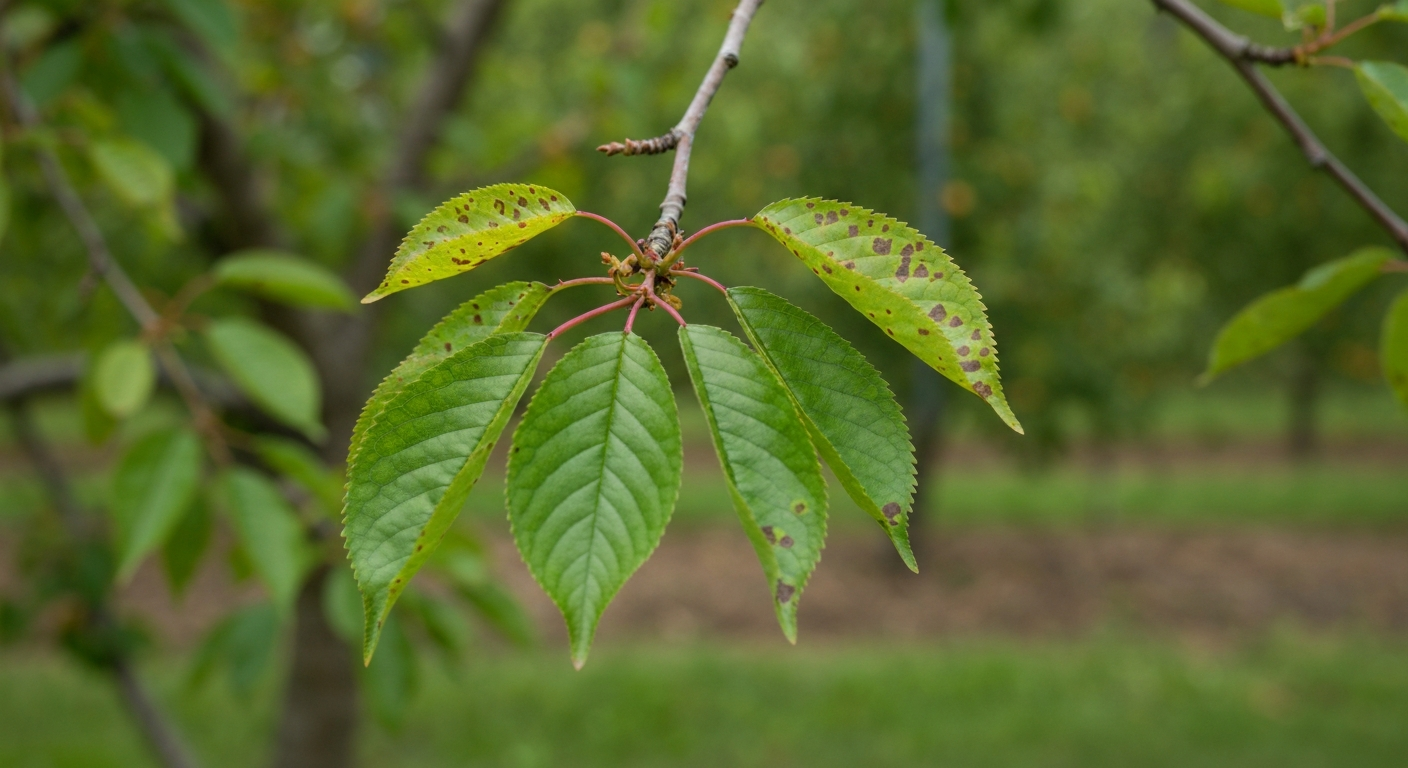
- Small, circular purple or reddish-brown spots appear on the upper surface of leaves.
- As spots mature, they turn brown, and a tiny black dot (fungal fruiting body) may be visible in the center.
- In humid conditions, a white or pinkish fuzzy growth (spores) may appear on the underside of the spots.
- Severely infected leaves turn yellow and drop prematurely, often defoliating the tree by mid-summer.
- Cause: Blumeriella jaapii fungus. Spores overwinter in fallen leaves.
- Impact: Repeated defoliation weakens the tree, reduces fruit size and quality, and makes the tree more susceptible to winter injury. For more on this, see our article on leaf spot disease.
3. Powdery Mildew (Podosphaera clandestina)
While many plants suffer from powdery mildew, the cherry-specific strain can be particularly troublesome, especially on young leaves and developing fruit.
- Symptoms:
- White, powdery patches appear on the underside of young leaves, causing them to curl upwards and become distorted.
- In severe cases, the powdery growth can also appear on developing fruit, causing them to be stunted, misshapen, or develop a rough, leathery texture.
- Cause: Podosphaera clandestina fungus. Favors warm, dry days followed by cool, humid nights.
- Impact: Reduces photosynthesis, distorts leaves and fruit, and can significantly impact fruit quality and marketability. Learn more about general powdery mildew on plants and explore our topics/powdery-mildew/ section.
4. Bacterial Canker (Pseudomonas syringae)
A serious bacterial disease that affects stone fruit trees, including cherries.
- Symptoms:
- Cankers: Sunken, darkened areas on branches, trunks, and sometimes twigs, often oozing amber-colored gum. These cankers can girdle branches, leading to dieback.
- Bud Blast: Buds fail to open or appear blackened.
- Leaf Spots: Small, dark brown spots on leaves, sometimes with a yellow halo. These spots may fall out, creating a “shot-hole” effect.
- Fruit Spots: Less common but can appear as small, dark spots on fruit.
- Cause: Pseudomonas syringae bacterium. Enters through wounds or natural openings, especially in cool, wet weather.
- Impact: Can cause significant dieback, reduce tree vigor, and even kill young trees.
5. Black Knot (Apiosporina morbosa)
Easily recognizable by its distinctive gall formations.
- Symptoms:
- Small, olive-green swellings appear on twigs and branches, often near nodes or leaf scars.
- Over time, these swellings enlarge and become hard, black, warty, and elongated galls (knots).
- Galls can range from an inch to over a foot long and can girdle branches, leading to dieback.
- Cause: Apiosporina morbosa fungus. Spores are released during wet periods in spring.
- Impact: Weakens trees, reduces fruit production, and can eventually kill branches or entire trees if left unmanaged.
6. Root Rot (Various Fungi)
While not exclusive to cherries, root rot can be a significant problem, especially in poorly drained soils.
- Symptoms:
- General decline in tree vigor, stunted growth.
- Yellowing or bronzing of leaves, often followed by premature leaf drop.
- Dieback of branches.
- In severe cases, the tree may suddenly collapse and die.
- Inspection of roots may reveal darkened, mushy, or decaying tissue.
- Cause: Various soil-borne fungi (e.g., Phytophthora, Armillaria) that thrive in waterlogged conditions.
- Impact: Destroys the root system, preventing water and nutrient uptake, leading to tree death. For a deeper dive into this issue, check out our article on root rot.
Diagnosing Cherry Tree Problems
Accurate diagnosis is the first step toward effective treatment. Here’s a systematic approach for home gardeners:
-
Observe Carefully:
- Examine the entire tree: leaves (both sides), stems, branches, trunk, and fruit.
- Note the pattern of symptoms: Are they localized to one branch, or spread throughout the tree? Are they on old leaves or new growth?
- Consider the timing: When did the symptoms first appear? What have recent weather conditions been like (wet, dry, cold)?
-
Consult Resources:
- Compare your observations with descriptions and photos from reliable sources, like this article.
- Use a Plant Disease Identifier App: For quick and often accurate preliminary diagnoses, consider photographing the symptoms with your iPhone and using the Plant Disease Identifier app. It can help you narrow down possibilities based on visual cues. For more on why such apps are useful, see our guide on the best plant disease identifier app.
-
Check Environmental Factors:
- Soil: Is it well-drained? Is it compacted?
- Watering: Are you over or under-watering?
- Sunlight: Is the tree getting adequate sun?
- Pests: Rule out insect damage, as symptoms can sometimes mimic diseases.
-
Confirm (If Necessary):
- If you’re unsure or the problem is severe, consider taking a sample (a branch with symptoms, affected leaves, or fruit) to your local agricultural extension office. They can often provide a definitive diagnosis.
- Remember, while AI tools are fantastic for initial guidance, they do not provide professional agricultural diagnosis. For serious or persistent issues, expert advice is invaluable. Our article on diagnose plant problems offers more general advice.
Effective Treatment Strategies
Once you’ve identified the culprit, it’s time to act. Treatment approaches can range from organic cultural practices to targeted chemical applications.
Organic Approaches and Cultural Controls
Many cherry tree diseases can be managed or significantly reduced through good gardening practices.
- Sanitation:
- Remove Infected Material: Promptly prune out and destroy (do not compost) any branches, twigs, or fruit showing signs of disease. This includes mummified fruit, black knots, and cankered branches.
- Rake Fallen Leaves: For diseases like Cherry Leaf Spot, raking and destroying fallen leaves in autumn significantly reduces the inoculum for the next spring.
- Clean Tools: Disinfect pruning shears with a 10% bleach solution or rubbing alcohol between cuts, especially when dealing with bacterial canker or black knot, to prevent spreading the disease.
- Pruning for Air Circulation: Open up the canopy of your cherry tree through proper pruning. Good air circulation helps leaves dry faster, reducing the conditions favorable for fungal and bacterial growth.
- Watering: Water at the base of the tree to avoid wetting the foliage. Drip irrigation or soaker hoses are ideal. Water in the morning so leaves have time to dry.
- Resistant Varieties: When planting new trees, choose cherry varieties known for their resistance to common local diseases.
- Organic Sprays:
- Copper-based fungicides: Effective against some bacterial and fungal diseases (e.g., Bacterial Canker, Cherry Leaf Spot) when applied preventatively.
- Sulfur-based fungicides: Can help manage powdery mildew and some leaf spots.
- Neem oil: Has some fungicidal properties and can help with certain mild fungal issues.
- Always read and follow the label instructions for organic products.
When Fungicides and Bactericides Help
For severe or persistent disease issues, especially in commercial settings or high-value home orchards, conventional fungicides and bactericides may be necessary.
- Fungicides:
- Brown Rot: Often requires application at bloom and pre-harvest, especially if wet weather is expected.
- Cherry Leaf Spot: Applications typically begin at petal fall and continue through the growing season, particularly after rain events.
- Powdery Mildew: Can be managed with specific fungicides if organic options are insufficient.
- Timing is Crucial: Fungicides are generally most effective when applied preventatively or at the very first sign of disease. They protect healthy tissue but often cannot cure already infected parts.
- Bactericides:
- Bacterial Canker: Copper-based products are often used preventatively in the fall and early spring to reduce bacterial populations, but they are generally less effective at curing existing cankers.
- Professional Guidance: Always consult your local extension office or a certified arborist for specific product recommendations and application schedules tailored to your region and cherry variety. Always follow product label instructions meticulously for safety and effectiveness.
Prevention is Key: Keeping Your Cherry Trees Healthy
An ounce of prevention is worth a pound of cure, especially when it comes to plant disease. Proactive measures are your best defense against cherry tree diseases.
- Choose Disease-Resistant Varieties: This is your strongest preventative measure. Research varieties suitable for your climate that have known resistance to common local diseases.
- Proper Site Selection & Planting:
- Sunlight: Cherry trees need full sun (at least 6-8 hours daily).
- Soil: Well-drained soil is paramount. Avoid heavy clay or areas where water collects, which can lead to root rot. Amend soil with organic matter to improve drainage if necessary.
- Spacing: Plant trees with adequate spacing to ensure good air circulation as they mature.
- Pruning for Health:
- Annual Pruning: Prune annually to remove dead, diseased, or damaged branches. Also, thin the canopy to improve light penetration and air circulation.
- Timing: Prune during dormancy (late winter/early spring) for most maintenance. For diseases like Bacterial Canker, pruning in dry summer months can reduce the risk of infection.
- Orchard Hygiene:
- Sanitation: As mentioned, promptly remove and destroy all diseased plant material.
- Weed Control: Keep the area around the tree free of weeds and tall grass, which can harbor pests and diseases and impede air circulation.
- Balanced Nutrition & Watering:
- Fertilization: Provide balanced nutrients based on soil tests. Over-fertilizing with nitrogen can promote lush, soft growth that is more susceptible to some diseases.
- Watering: Ensure consistent, adequate moisture, especially during dry spells and fruit development. Avoid overhead watering to keep foliage dry.
- Monitor Regularly: Regularly inspect your trees for any changes or unusual symptoms. Early detection significantly improves the chances of successful management. Catching a few brown spots on plant leaves early can prevent widespread issues.
Common Mistakes When Dealing with Cherry Tree Diseases
Even experienced gardeners can make missteps. Avoid these common mistakes to maximize your chances of success:
- Ignoring Symptoms: Hoping a problem will go away rarely works with plant diseases. Act quickly.
- Improper Diagnosis: Treating for the wrong disease is a waste of time and resources and can sometimes worsen the actual problem. Take the time to properly identify the issue.
- Incorrect Pruning: Removing too much, pruning at the wrong time, or not disinfecting tools can stress the tree or spread disease.
- Over-reliance on Chemicals: Fungicides and bactericides are tools, not magic bullets. They are most effective when combined with good cultural practices. Overuse can lead to resistance and harm beneficial organisms.
- Poor Sanitation: Leaving diseased plant material on the ground or in the compost pile provides a source of inoculum for future infections.
- Inconsistent Monitoring: Diseases can develop rapidly. Regular check-ups allow for early intervention.
When to Call a Professional
While this guide provides comprehensive information, there are times when professional help is advisable:
- Uncertain Diagnosis: If you’re completely stumped after attempting diagnosis, a certified arborist or plant pathologist can provide expert identification.
- Severe Infestation: When a disease is widespread and threatening the life of a mature, valuable tree.
- Complex Treatments: For diseases requiring specialized treatments or equipment.
- Safety Concerns: If pruning involves tall ladders or power tools, consider hiring a professional to ensure safety.
Conclusion
Growing cherry trees can be incredibly rewarding, offering delicious fruit and beautiful spring blossoms. However, like any endeavor in gardening, it comes with its challenges, particularly in managing cherry tree diseases. By understanding the common threats, learning to accurately diagnose symptoms, and implementing a combination of preventative and treatment strategies, you can protect your trees and ensure many years of healthy, abundant harvests.
Remember, consistent observation, timely intervention, and a commitment to good horticultural practices are your best allies in the fight against plant diseases. Happy gardening!