

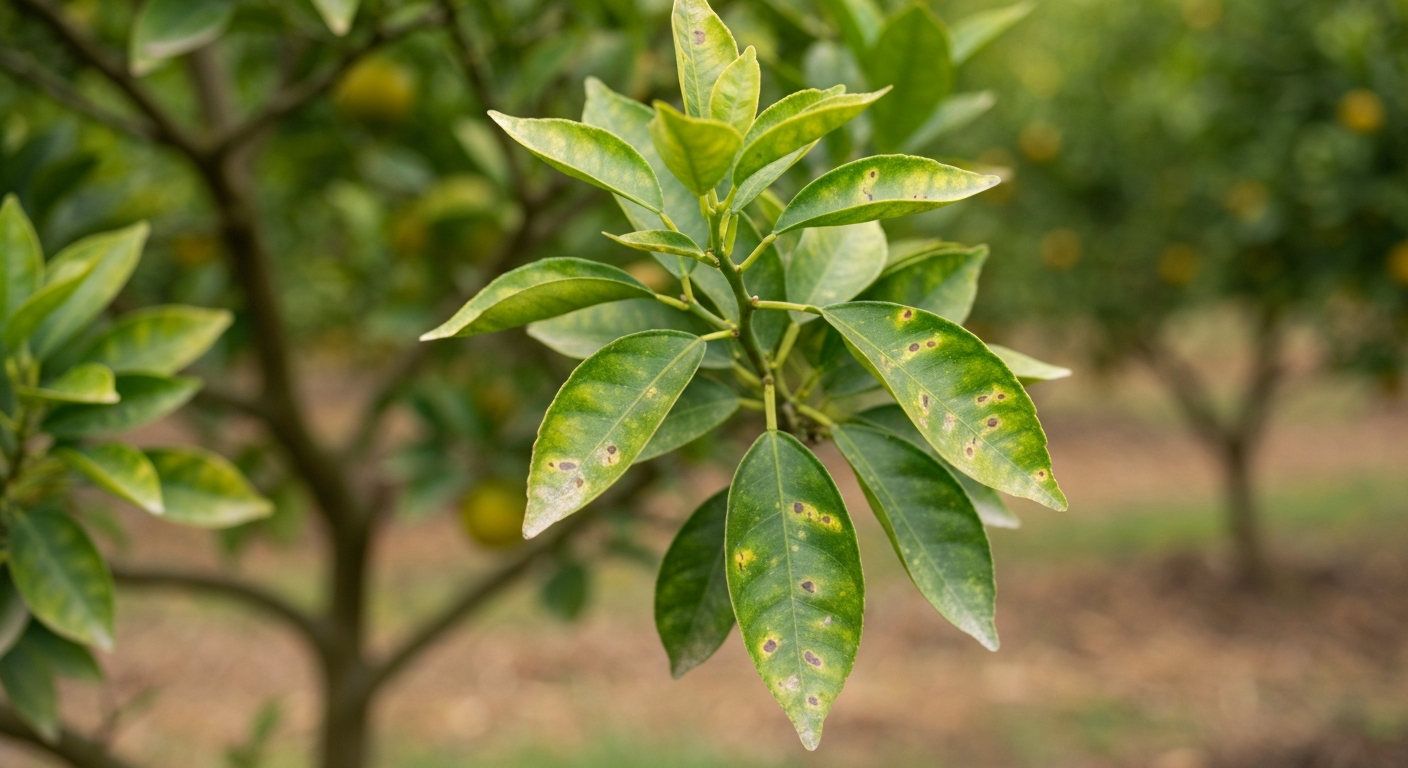
There’s nothing quite like plucking a fresh, ripe lemon, orange, or lime from your own backyard tree. The vibrant green leaves, the fragrant blossoms, and the juicy fruit are a true delight for any home gardener. However, citrus trees, like all plants, are susceptible to a variety of ailments. Understanding and effectively managing citrus tree diseases is crucial for maintaining a healthy, productive orchard, whether you have one potted lime tree or a small grove of oranges.
As Elena Marsh, Senior Plant Care Editor for plantdiseaseapp.com, my goal is to equip you with the knowledge to identify, treat, and most importantly, prevent these common issues. While our Plant Disease Identifier app can be a powerful tool for quick diagnosis, a foundational understanding of citrus health empowers you to be the best possible caretaker for your fruit-bearing friends.
Why Are Citrus Trees So Susceptible to Disease?
Citrus trees originated in tropical and subtropical climates, where they thrive in warm, humid conditions. While these conditions are ideal for growth, they can also be perfect breeding grounds for various pathogens – fungi, bacteria, and viruses. Additionally, many citrus diseases are spread by insect vectors, which are often abundant in these same environments.
Factors contributing to susceptibility include:
- Climate: Warm, humid conditions favor many fungal and bacterial pathogens.
- Pest Pressure: Insects like aphids, psyllids, and scale not only damage trees directly but also transmit serious diseases.
- Cultural Practices: Improper watering, poor soil drainage, inadequate nutrition, or incorrect pruning can stress trees, making them more vulnerable.
- Lack of Genetic Diversity: Many commercially grown citrus varieties are clones, which can mean a widespread susceptibility to certain diseases.
Common Citrus Tree Diseases and Their Symptoms
Let’s dive into some of the most prevalent diseases affecting citrus trees, focusing on what to look for and what causes them.
Citrus Canker (Xanthomonas axonopodis pv. citri)
Citrus Canker is a highly contagious bacterial disease that affects all citrus varieties. It’s a major concern for commercial growers and home gardeners alike due to its rapid spread and devastating impact on fruit quality.
- Symptoms: Look for raised, tan-to-brown lesions on leaves, stems, and fruit. These lesions are often surrounded by a water-soaked margin and a distinctive yellow halo. Over time, the centers of the lesions may become sunken and corky. On fruit, severe canker can lead to premature dropping and make the fruit unmarketable, though it remains safe to eat.
- Causes: Caused by the bacterium Xanthomonas axonopodis pv. citri. It spreads rapidly through wind-driven rain, overhead irrigation, contaminated tools, and even human contact.
- Diagnosis Tip: The distinct raised lesions with a yellow halo are usually a strong indicator.
Citrus Greening (Huanglongbing - HLB)
Often considered the most destructive citrus disease worldwide, Citrus Greening is a bacterial disease that slowly kills affected trees. It’s spread by the tiny Asian citrus psyllid.
- Symptoms: The most characteristic symptom is asymmetrical blotchy mottling or yellowing of leaves, often appearing on one branch or one side of the tree first. Leaves may also appear small, upright, and chlorotic (yellow). Fruit on infected trees will often be small, misshapen, lopsided, and ripen unevenly (remaining green on one end, hence “greening”). The fruit also tastes bitter and acidic.
- Causes: Caused by the bacterium Candidatus Liberibacter asiaticus, transmitted primarily by the Asian citrus psyllid. Once infected, there is no cure.
- Diagnosis Tip: Blotchy, asymmetrical yellowing of leaves, especially when combined with lopsided, bitter fruit, is a strong indicator. Psyllid presence confirms the vector.
Gummosis (Phytophthora spp.)
Gummosis is a term for the oozing of gum from a tree trunk or branches, often a symptom of fungal infection, particularly by Phytophthora species. It’s a serious problem that can girdle and kill trees.
- Symptoms: The most obvious symptom is the exudation of copious amounts of sticky, brownish gum from cracks or lesions in the bark, usually near the soil line or on the lower trunk. The bark beneath the gum may be discolored, soft, and eventually rot away, girdling the tree. Leaves may yellow, and overall tree vigor declines. This can be related to problems like root rot, as Phytophthora is a common cause of both.
- Causes: Primarily caused by various Phytophthora fungal species, which thrive in wet, poorly drained soils. Wounds to the trunk (from mowers, weed trimmers, or rodents) provide entry points for the pathogen.
- Diagnosis Tip: Sticky gum oozing from the trunk, especially near the ground, is a tell-tale sign.
Sooty Mold (Capnodium spp., Fumago spp.)
Sooty mold isn’t a direct disease of the citrus tree itself, but rather a fungus that grows on the honeydew excreted by sap-sucking insects like aphids, scale insects, whiteflies, and mealybugs.
- Symptoms: A black, powdery, soot-like coating on leaves, stems, and fruit. It can be easily rubbed off. While not directly harmful to the plant tissue, a thick layer can block sunlight, reducing photosynthesis and weakening the tree.
- Causes: Fungi that feed on honeydew. The presence of sooty mold indicates an active infestation of sap-sucking pests.
- Diagnosis Tip: Black, easily wiped-off film, usually accompanied by visible pests on the undersides of leaves or stems.
Anthracnose (Colletotrichum gloeosporioides)
Anthracnose is a common fungal disease that can affect various parts of the citrus tree, particularly during wet and humid conditions.
- Symptoms: Can appear as blight on young shoots and flowers, causing them to die back. On mature leaves, it causes irregular brown spots or blotches, often leading to defoliation. Fruit can develop dark, sunken lesions, especially post-harvest, but also on ripening fruit still on the tree.
- Causes: Caused by the fungus Colletotrichum gloeosporioides. It thrives in high humidity and moisture and can overwinter in plant debris.
- Diagnosis Tip: Look for blight on new growth and irregular brown spots on leaves and fruit, particularly after periods of rain or high humidity.
Leaf Spot Diseases (Various Fungi and Bacteria)
Various fungi and bacteria can cause leaf spot diseases on citrus. While rarely fatal, severe infections can weaken the tree and reduce fruit quality. For a more general overview, see our article on leaf spot disease.
- Symptoms: Small, circular to irregular spots on leaves. These spots can vary in color (brown, black, yellow, red), size, and texture (raised, sunken, watery). They might have halos or concentric rings. Severe infections can lead to premature leaf drop.
- Causes: A wide range of fungi (e.g., Alternaria, Cercospora) and bacteria (e.g., Xanthomonas). Spread by splashing water, wind, and contaminated tools.
- Diagnosis Tip: Observe the specific characteristics of the spots. If you’re seeing many brown spots on plant leaves, it’s worth investigating further.
Root Rot (Phytophthora spp., Fusarium spp.)
While not always immediately visible above ground, root rot is a serious issue that can quickly lead to tree decline. Phytophthora is a common culprit, as mentioned with Gummosis.
- Symptoms: Above-ground symptoms include yellowing leaves (often resembling nutrient deficiency), stunted growth, wilting even when the soil is moist, premature leaf drop, and dieback of branches. The tree appears generally unhealthy and lacks vigor. If you dig up a small section of roots, they may appear dark, mushy, and smell foul, rather than firm and white.
- Causes: Primarily caused by waterlogged soil conditions combined with fungal pathogens like Phytophthora or Fusarium. Poor drainage, overwatering, or heavy clay soils are major contributing factors.
- Diagnosis Tip: Wilting despite moist soil, combined with general decline, suggests a root issue. Inspecting the roots directly confirms it. For more detailed information, check out our guide on root rot.
Powdery Mildew (Erysiphe spp., Oidium spp.)
While less common on citrus than some other plants (like those prone to powdery mildew on plants or specific topics like [/topics/powdery-mildew/]), powdery mildew can occasionally affect citrus, especially young growth in humid, shaded conditions.
- Symptoms: A white, powdery coating on leaves, shoots, and sometimes flowers. It often starts as small, circular patches that expand to cover larger areas. Infected leaves may become distorted, yellow, and drop prematurely.
- Causes: Caused by various species of fungi that thrive in high humidity but dry leaf surfaces. Spores are windborne.
- Diagnosis Tip: The distinctive white, flour-like coating is usually unmistakable.
Diagnosing the Problem: Be a Plant Detective
Identifying the exact disease affecting your citrus tree is the first and most critical step toward effective treatment. Rushing to apply a generic fungicide or insecticide without proper diagnosis can be a waste of time and resources, and potentially harmful to your tree. For a comprehensive approach to general plant problems, consult our article on diagnose plant problems.
- Observe Carefully: Start by looking at the whole tree. Is the problem localized to one branch, or is it widespread? Are new leaves affected, or old ones?
- Examine All Parts: Check leaves (top and bottom), stems, branches, trunk, and fruit. Look for spots, discoloration, distortions, growths, or insect activity. Pay close attention to the base of the trunk for signs of gummosis or other issues.
- Consider Environmental Factors: Think about recent weather patterns (rain, drought, temperature fluctuations), your watering schedule, recent fertilization, and any changes in the environment.
- Use a Magnifying Glass: For tiny pests or subtle symptoms, a magnifying glass can be invaluable.
- Leverage Technology: If you’re still unsure, consider taking clear photos of the symptoms with your iPhone and using the Plant Disease Identifier app. The app uses AI to help you quickly identify potential issues, providing a valuable starting point for diagnosis. Remember, while AI is a fantastic informational tool, it doesn’t replace careful observation and, in severe cases, professional agricultural advice. You can also explore our article on how to identify a sick plant for more general guidance.
Treatment Strategies for Citrus Diseases
Once you’ve identified the problem, you can implement a targeted treatment plan. Always start with the least invasive methods and escalate if necessary.
Cultural Controls and Organic Approaches
Many diseases can be managed or mitigated through good cultural practices:
- Pruning: Remove and destroy all infected branches, leaves, and fruit. Sterilize your pruning tools with a 10% bleach solution or rubbing alcohol between cuts and between trees to prevent spreading pathogens, especially for bacterial diseases like Canker.
- Sanitation: Clean up fallen leaves and fruit from around the base of the tree. These can harbor fungal spores or bacteria, allowing them to overwinter and reinfect the tree next season.
- Watering: Ensure proper watering. Overwatering is a common mistake that leads to root rot and creates an environment favorable for many fungal diseases. Water deeply and infrequently, allowing the topsoil to dry out between waterings. Avoid overhead irrigation if possible, as wet foliage promotes fungal growth.
- Air Circulation: Prune inner branches to improve air circulation within the canopy. This helps leaves dry faster, reducing the risk of fungal infections.
- Nutrition: Provide balanced nutrition. A healthy, vigorous tree is more resistant to disease. Use a fertilizer specifically formulated for citrus trees.
- Pest Control: Manage sap-sucking pests like aphids, scale, and psyllids. Organic options include horticultural oils (neem oil), insecticidal soaps, or encouraging beneficial insects. Controlling these pests is crucial for preventing sooty mold and, more importantly, the spread of diseases like Citrus Greening.
Chemical Treatments: When Fungicides and Bactericides Help
For severe infections or highly aggressive diseases, chemical treatments may be necessary.
- Fungicides:
- Copper-based fungicides: Effective against a range of fungal diseases like Anthracnose, Gummosis, and some leaf spots. They can also provide some protection against bacterial diseases like Canker. Apply preventatively or at the first sign of disease, following label instructions carefully.
- Specific fungicides: For diseases like powdery mildew, sulfur-based or specific systemic fungicides might be recommended. Always ensure the product is labeled for use on citrus and the specific disease you are targeting.
- Bactericides:
- Copper-based products: As mentioned, these can offer some suppression of bacterial diseases like Citrus Canker, but they are generally not a cure for established infections.
- Antibiotics: In some commercial settings, specific antibiotics are used for diseases like Citrus Greening, but these are generally not available or recommended for home gardeners due to resistance concerns and application complexity.
- Insecticides: If an insect vector (like the Asian citrus psyllid for Citrus Greening) is present, targeted insecticides may be used to control the pest population and prevent disease spread. Always choose products safe for edible crops and follow all safety guidelines.
Important Disclaimer: Always read and follow the instructions on any pesticide or fungicide label precisely. The information provided here is for educational purposes only and is not a substitute for professional agricultural advice. We do not claim to offer medical or agricultural professional diagnoses. AI-powered plant identification tools like our app are informational and should be used as a guide, not a definitive diagnosis for critical plant health decisions.
Prevention is Key: A Proactive Approach
The best defense against citrus tree diseases is a strong offense – focusing on prevention.
- Choose Disease-Resistant Varieties: When purchasing new trees, inquire about varieties known for resistance to common local diseases.
- Select Healthy Stock: Buy trees from reputable nurseries that guarantee disease-free plants. Inspect new trees thoroughly for any signs of disease or pests before bringing them home.
- Proper Planting:
- Site Selection: Plant citrus in a sunny location (at least 6-8 hours direct sun) with well-draining soil.
- Drainage: If your soil is heavy clay, consider planting in a raised bed or amending the soil heavily with organic matter to improve drainage. This is critical to prevent root rot.
- Planting Depth: Plant at the same depth it was in the nursery pot, ensuring the graft union (the swollen part where the scion meets the rootstock) is well above the soil line. Do not bury the root flare.
- Regular Monitoring: Make it a habit to inspect your citrus trees regularly, at least once a week. Early detection of symptoms or pests can make all the difference in successful management.
- Quarantine New Plants: If possible, keep new citrus trees separate from existing ones for a few weeks to monitor for any hidden pests or diseases before introducing them to your main garden.
- Protect from Wounds: Be careful when mowing or trimming around the base of trees to avoid damaging the trunk, which can create entry points for pathogens causing gummosis.
- Manage Pests Proactively: Implement an Integrated Pest Management (IPM) strategy. Regularly scout for pests and address infestations early with appropriate methods, whether organic or chemical.
Common Mistakes Home Gardeners Make
Even experienced gardeners can make mistakes that inadvertently contribute to citrus tree diseases.
- Overwatering: This is perhaps the most common mistake. Constantly wet soil suffocates roots and creates perfect conditions for fungal pathogens like Phytophthora to cause root rot and gummosis.
- Misdiagnosis: Assuming all yellow leaves mean a nutrient deficiency or that all spots are harmless can lead to ineffective treatments and allow serious diseases to progress unchecked. This is where tools like the Plant Disease Identifier app can really help.
- Ignoring Early Symptoms: Minor yellowing or a few spots might seem insignificant, but they can be the first signs of a major problem. Addressing issues early is always easier than tackling an advanced infection.
- Improper Pruning: Using unsterilized tools can spread diseases from one plant to another, or even from an infected part of the same plant to a healthy part. Over-pruning can also stress the tree, making it more vulnerable.
- Planting Too Deeply: Burying the graft union or too much of the trunk can lead to crown rot and other soil-borne diseases.
- Lack of Sanitation: Leaving fallen fruit and leaves, or not cleaning up around the base of the tree, provides a perfect environment for pathogens to persist and reinfect.
- Applying Generic Treatments: Using a broad-spectrum fungicide or insecticide without knowing the specific problem can be ineffective, unnecessary, and potentially harmful to beneficial organisms.
Conclusion
Caring for citrus trees can be incredibly rewarding, but it requires vigilance and knowledge. By understanding the common citrus tree diseases, their symptoms, causes, and effective management strategies, you can take proactive steps to protect your valuable trees. Regular monitoring, good cultural practices, and prompt, accurate diagnosis are your best tools in the fight against plant diseases. Remember, a healthy tree is a happy tree, and a happy tree means delicious, homegrown citrus for years to come!