

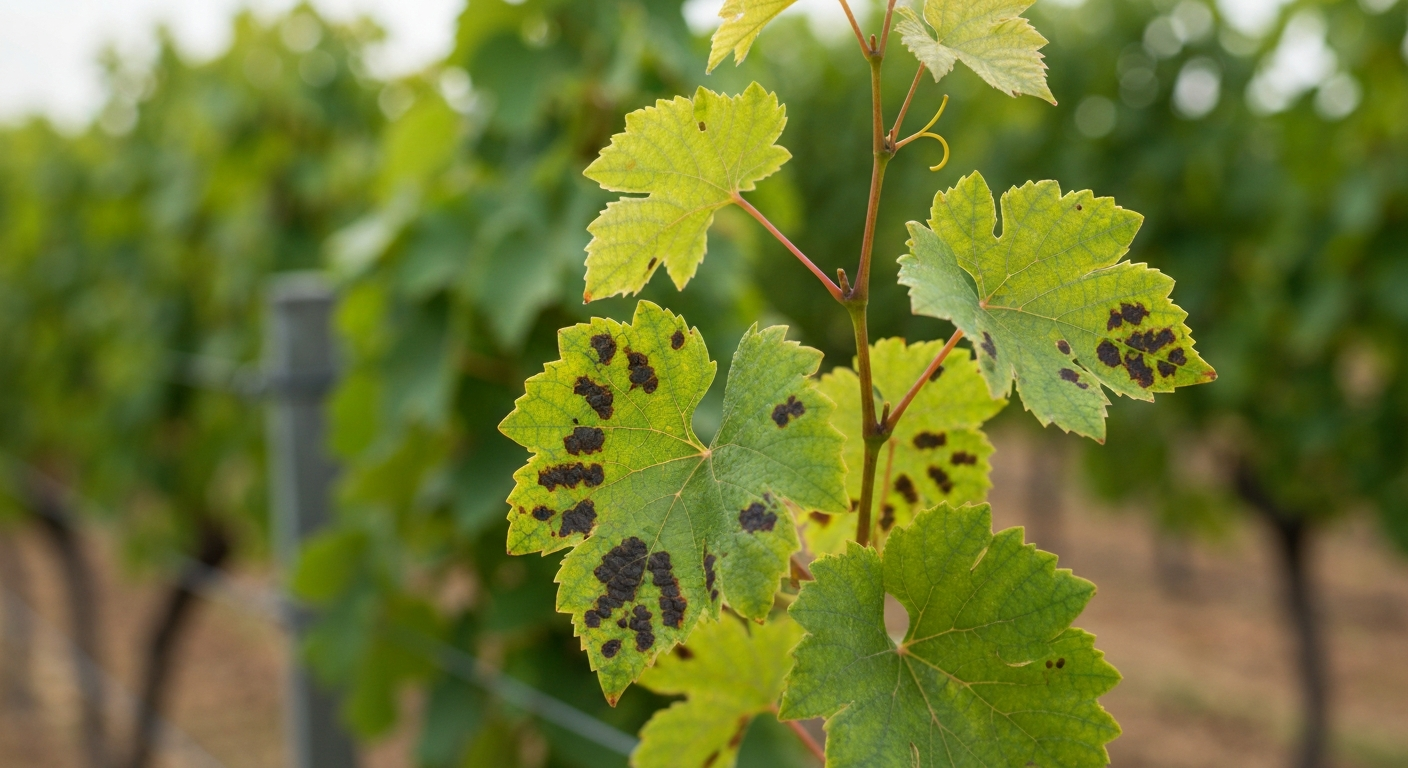
Growing your own grapes can be an incredibly rewarding experience, offering the joy of fresh fruit, homemade juice, or even your own wine. However, the path to a bountiful harvest is often fraught with challenges, chief among them being grapevine diseases. These ailments can quickly turn a thriving vineyard, whether a commercial operation or a backyard trellis, into a picture of decline, impacting yield, fruit quality, and even the long-term health of your vines. Understanding, identifying, and effectively managing these diseases is paramount for any home gardener serious about their grape production.
In this comprehensive guide, we’ll delve into the most common grapevine diseases, exploring their symptoms, causes, and the best strategies for both treatment and prevention. With the right knowledge and timely action, you can protect your precious grapevines and ensure a healthy, productive harvest year after year.
Why are Grapevines So Susceptible to Disease?
Grapes, particularly Vitis vinifera varieties (European grapes), are often quite susceptible to a range of diseases for several reasons. Many popular varieties lack natural resistance to common North American pathogens. Furthermore, the typical trellising and dense canopy structure, while optimizing sun exposure, can also create humid microclimates that are ideal for fungal growth. Factors like inconsistent watering, poor air circulation, and even nutrient deficiencies can further weaken a vine’s natural defenses, making it an easy target for opportunistic pathogens.
Identifying Common Grapevine Diseases
Early identification is your most powerful tool in the fight against grapevine diseases. Knowing what to look for can mean the difference between saving a vine and losing an entire crop. Here are some of the most prevalent diseases you might encounter:
Powdery Mildew (Erysiphe necator)
Powdery mildew is arguably one of the most widespread and recognizable fungal diseases affecting grapevines globally. It thrives in warm, dry conditions, contrasting with many other fungi that prefer wetness.
Symptoms:
- Leaves: White, powdery patches appear on the upper and lower surfaces of leaves. These patches can spread, causing leaves to curl, distort, and eventually turn yellow or brown.
- Shoots: Young shoots may also develop white, powdery growth, leading to stunted or distorted growth.
- Berries: Perhaps the most damaging symptom, berries can be infected at any stage. Young berries develop white patches, become stunted, and may crack open, exposing them to secondary infections like Botrytis. Older berries might show a net-like scarring pattern.
- Flowers: Infected flowers may fail to set fruit.
Causes: Caused by the fungus Erysiphe necator, powdery mildew spores are spread by wind. It can overwinter in dormant buds or on infected plant debris. Its preference for high humidity (but not free water on surfaces) and moderate temperatures makes it a persistent threat.
Impact: Reduces photosynthesis, weakens the vine, and severely diminishes fruit quality and quantity, making berries unpalatable and susceptible to rot.
For more in-depth information, you can also refer to our general guide on /blog/powdery-mildew-on-plants/ or explore specific topics at /topics/powdery-mildew/.
Downy Mildew (Plasmopara viticola)
In contrast to powdery mildew, downy mildew is a water-loving fungus (an oomycete, specifically) that thrives in cool, wet conditions. It can be just as devastating, particularly in regions with frequent rain or morning dew.
Symptoms:
- Leaves: Initially, small, yellowish-green, oily-looking spots appear on the upper surface of leaves. As the disease progresses, these spots enlarge and turn brown. On the underside of the leaf, particularly in humid conditions, a fuzzy, white, downy growth (spores) becomes visible beneath the spots.
- Shoots: Young shoots can become infected, developing brownish lesions and potentially dying back.
- Berries: Infected young berries turn greyish-blue, shrivel, and drop. Older berries may develop brownish-purple spots and become leathery.
Causes: Caused by Plasmopara viticola, this pathogen overwinters in fallen leaves and soil. Spores are splashed onto new growth by rain or irrigation, requiring extended periods of leaf wetness for infection to occur.
Impact: Significant defoliation can occur, weakening the vine, reducing fruit set, and leading to premature fruit drop and reduced sugar content.
Black Rot (Guignardia bidwellii)
Black rot is a highly destructive fungal disease that can cause complete crop loss if left unchecked. It’s particularly prevalent in humid, rainy climates.
Symptoms:
- Leaves: Small, reddish-brown spots appear on young leaves, often surrounded by a darker margin. As they mature, these spots develop a distinct black border and a tan center, often with tiny black dots (pycnidia, the fungal fruiting bodies) visible within the lesion.
- Shoots: Elongated, black lesions can form on green shoots, potentially girdling and killing them.
- Berries: This is where black rot is most devastating. Infected berries first show a small, whitish spot, which quickly enlarges and turns brown, then purplish-black. The entire berry shrivels into a hard, wrinkled, black mummy, often remaining attached to the cluster.
Causes: Caused by the fungus Guignardia bidwellii, which overwinters in mummified berries on the vine or ground, and in cane lesions. Spores are released during wet periods and spread by rain splash.
Impact: Can destroy entire grape clusters, making them unusable. Severe infections weaken the vine over time. For comparison with other similar issues, you might find our article on /blog/leaf-spot-disease/ helpful, as black rot presents with characteristic leaf spots.
Botrytis Bunch Rot (Botrytis cinerea)
Also known as grey mold, Botrytis is a common fungal disease that can affect many plants, including grapes. It’s particularly problematic as harvest approaches, often attacking ripe or damaged fruit.
Symptoms:
- Berries: The most common symptom is a soft, watery rot on berries, typically starting where berries touch each other or where the skin has been damaged. A fuzzy, greyish-brown mold often grows over the surface of infected berries, especially in humid conditions.
- Leaves/Shoots: Less common, but can cause small, reddish-brown spots on leaves or cankers on shoots, especially after injury.
Causes: Caused by the fungus Botrytis cinerea, which is ubiquitous in the environment. It thrives in cool, wet, humid conditions and often enters berries through wounds (insect damage, bird pecks, cracking due to rain) or tight clusters where moisture is trapped.
Impact: Rapidly spreads through grape clusters, rendering them inedible and unusable for winemaking. Can cause significant post-harvest losses if not managed.
Crown Gall (Agrobacterium vitis)
Crown gall is a bacterial disease that can cause significant damage to the woody parts of the vine.
Symptoms:
- Trunk/Canes: Irregular, tumor-like swellings or galls appear on the trunk, cordons, or canes, often near the ground line or at graft unions. These galls can vary in size from small nodules to large, woody masses.
- Vine health: Infected vines may show stunted growth, reduced vigor, yellowing leaves, and poor fruit production because the galls disrupt nutrient and water flow.
Causes: Caused by the bacterium Agrobacterium vitis, which typically enters the vine through wounds (e.g., pruning cuts, frost damage, mechanical injury). The bacteria then stimulate abnormal cell growth. It is often latent in planting material and expresses itself under stress.
Impact: Can severely weaken or kill young vines, reduce the lifespan of mature vines, and significantly decrease productivity.
Pierce’s Disease (Xylella fastidiosa)
Pierce’s Disease is a devastating bacterial disease, particularly prevalent in warmer climates, especially the southern US. It’s caused by a bacterium that clogs the xylem (water-conducting tissues) of the vine.
Symptoms:
- Leaves: Leaves turn yellow or reddish along the margins, eventually drying out and falling, often leaving the petiole (leaf stem) attached to the cane. This “matchstick” symptom is quite distinctive.
- Shoots: Shoots may ripen unevenly, with patches of green remaining on otherwise brown wood.
- Berries: Clusters may shrivel and dry prematurely.
- Overall: Gradual decline in vine vigor, stunted growth, and eventual death, usually within 1-5 years.
Causes: Caused by the bacterium Xylella fastidiosa, which is spread by xylem-feeding insects, most notably the Glassy-winged Sharpshooter. Once infected, there is no known cure for the vine.
Impact: Highly lethal to grapevines, particularly Vitis vinifera varieties. It can wipe out entire vineyards and has a profound economic impact in affected regions.
General Symptoms to Watch For
Beyond the specific diseases, it’s helpful to recognize general signs of distress in your grapevines. Regular scouting is critical.
| Symptom Category | What to Look For | Potential Issues |
|---|---|---|
| Leaves | Discoloration (yellowing, reddening, brown spots) | Nutrient deficiency, fungal disease (Black Rot, Downy Mildew), bacterial, virus |
| Stunted, distorted, or curled leaves | Powdery Mildew, herbicide drift, virus, pest damage | |
| Moldy or powdery growth (white, fuzzy, downy) | Powdery Mildew, Downy Mildew, Botrytis | |
| Premature leaf drop | Downy Mildew, Black Rot, Pierce’s Disease, severe stress | |
| Shoots/Canes | Lesions, cankers, cracks, galls | Black Rot, Crown Gall, Eutypa Dieback, mechanical injury |
| Stunted or distorted growth | Powdery Mildew, virus, pest damage | |
| Dieback (shoots or entire canes dying) | Pierce’s Disease, Eutypa Dieback, severe fungal infections, frost damage | |
| Fruit | Spots, discoloration (brown, black, purple) | Black Rot, Anthracnose |
| Shriveled, mummified, or rotted berries | Black Rot, Botrytis Bunch Rot, Downy Mildew, Pierce’s Disease | |
| Fuzzy or moldy growth on berries | Botrytis Bunch Rot, Powdery Mildew | |
| Cracking or splitting | Powdery Mildew (young berries), Botrytis (ripe berries), inconsistent watering |
If you see brown spots on your plant leaves, this article offers a broader perspective: /blog/brown-spots-on-plant-leaves/. For general signs of a sick plant, check out /blog/sick-plant/.
Diagnosing Grapevine Diseases
Accurate diagnosis is the cornerstone of effective disease management. Without knowing what you’re fighting, any treatment will be a shot in the dark.
- Observe Carefully: Take your time to examine all parts of the vine – leaves, stems, tendrils, flowers, and fruit. Note the color, shape, size, and location of any abnormalities. Are symptoms widespread or localized? Are they on new growth or old?
- Consider Environmental Factors: Think about recent weather patterns. Has it been unusually wet, humid, or dry? What about temperature fluctuations? These conditions often favor specific pathogens.
- Use a Plant Disease Identifier App: For quick, preliminary identification, an app like the Plant Disease Identifier can be incredibly helpful. Simply take clear, well-lit photographs of the symptoms on your grapevine with your iPhone, and the app’s AI can provide an initial assessment and potential causes. This can be a great first step when you’re unsure what you’re dealing with. You can learn more about how it works at /blog/plant-disease-identifier/ or find the best options at /best-plant-disease-identifier-app/.
- Consult Local Resources: If you’re still uncertain, or if the disease is progressing rapidly, contact your local agricultural extension office. They can provide expert advice, and sometimes even laboratory diagnosis, especially for less common or severe diseases.
- Understand Limitations: While AI tools are powerful, remember that they provide informational guidance, not a professional agricultural diagnosis. Always use your judgment and seek expert advice for critical issues. Our article on /blog/diagnose-plant-problems/ provides a broader context for plant diagnostics.
Treatment Strategies for Grapevine Diseases
Once you’ve identified the problem, it’s time to act. Treatment strategies often combine cultural practices with organic or conventional fungicides.
Cultural Practices (Always the First Line of Defense)
These are fundamental to both treating existing issues and preventing future ones.
- Pruning: Remove all infected leaves, shoots, and fruit as soon as you spot them. Prune for good air circulation, removing crossing branches and excessive canopy growth. This helps dry out the foliage, making it less hospitable to fungi.
- Sanitation: Collect and destroy all fallen leaves, mummified berries, and pruned material. Do not compost diseased plant parts, as spores can survive. Sterilize pruning tools between cuts, especially when dealing with diseases like Crown Gall or Eutypa Dieback, to prevent spread.
- Watering: Water at the base of the plant, avoiding overhead irrigation, especially in the evening, which can keep leaves wet for extended periods. Drip irrigation is ideal.
- Weed Control: Keep the area around your vines clear of weeds, which can harbor pests and diseases and impede air circulation.
- Nutrient Management: Ensure your vines receive balanced nutrition. Stressed or nutrient-deficient plants are more susceptible to disease.
Organic Treatment Options
For home gardeners preferring organic methods, several options exist, often most effective when applied preventatively or at the very first sign of disease.
- Sulfur: Effective against powdery mildew. Available in wettable powder or dust forms. Apply according to label instructions, usually every 7-14 days during susceptible periods. Be aware that sulfur can be phytotoxic (cause plant damage) at high temperatures.
- Copper-based Fungicides: Effective against downy mildew, black rot, and some other fungal diseases. Bordeaux mixture (copper sulfate + lime) is a traditional organic fungicide. Like sulfur, follow label directions carefully to avoid phytotoxicity.
- Neem Oil: Can have some fungicidal properties, especially against powdery mildew, and also acts as an insecticide. Apply as a foliar spray.
- Biological Fungicides: Products containing beneficial microbes (e.g., Bacillus subtilis) can help suppress certain fungal diseases by outcompeting pathogens or producing antifungal compounds.
Conventional Fungicides (When Necessary)
For severe or persistent infections, or in climates highly conducive to disease, conventional fungicides may be necessary.
- Systemic vs. Contact: Systemic fungicides are absorbed by the plant and move within its tissues, offering longer-lasting protection. Contact fungicides remain on the plant surface and protect only where applied.
- Targeted Approach: Choose fungicides specific to the disease you are treating. For example, different active ingredients are effective against powdery mildew versus downy mildew or black rot.
- Rotation: To prevent the development of fungicide resistance, rotate between different classes of fungicides (those with different active ingredients and modes of action).
- Timing: Fungicides are most effective when applied preventatively or at the very earliest stages of infection, often before symptoms are widely visible. Follow spray schedules recommended for your region and grape variety.
- Safety: Always read and strictly follow all label instructions regarding application rates, personal protective equipment, pre-harvest intervals (PHI), and environmental precautions.
Remember, fungicides are tools, not magic bullets. They work best in conjunction with strong cultural practices. If you’re struggling with root rot, a different type of fungal issue, you can find guidance at /blog/root-rot/. For a general overview of plant diseases, visit /blog/plant-disease/.
Prevention is Key: Cultivating Healthy Grapevines
The best defense against grapevine diseases is a strong offense – preventing them from taking hold in the first place.
- Choose Resistant Varieties: When planting new vines, select varieties known for their resistance to common diseases in your area. Many hybrid grapes offer excellent disease resistance compared to Vitis vinifera. Research local recommendations.
- Proper Site Selection: Plant grapes in a location with full sun (at least 6-8 hours daily) and excellent air circulation. Avoid low-lying areas where cold air and moisture can collect. Ensure good soil drainage; grapes hate “wet feet.”
- Optimal Spacing and Trellising: Provide adequate space between vines and rows to promote air movement. Use a trellising system that supports an open canopy, allowing sunlight penetration and quick drying after rain or dew.
- Strategic Pruning: Prune annually to maintain an open canopy, remove old or diseased wood, and control crop load. Summer pruning (leaf pulling) can further improve air circulation around clusters.
- Sanitation: As mentioned, remove and destroy all diseased plant debris, especially mummified berries and fallen leaves, which can harbor overwintering spores.
- Monitor Regularly: Walk through your vineyard frequently, ideally daily or every few days, to inspect your vines for the earliest signs of disease. Early detection drastically improves treatment success.
- Balanced Fertilization: Avoid excessive nitrogen, which can promote lush, tender growth that is more susceptible to some diseases. Conduct soil tests to ensure balanced nutrient levels.
- Irrigation Management: Water deeply and infrequently, preferably in the morning, to allow foliage to dry before evening. Use drip irrigation if possible to minimize leaf wetness.
Common Mistakes Home Gardeners Make
- Ignoring Early Symptoms: Waiting until a disease is widespread makes it much harder to control. Act quickly at the first sign of trouble.
- Poor Air Circulation: Overgrown, dense canopies are a breeding ground for fungi. Don’t be afraid to prune aggressively for airflow.
- Inadequate Sanitation: Leaving diseased plant material on the ground or on the vine ensures the pathogen will return next season.
- Misdiagnosis: Treating for the wrong disease is a waste of time and resources and allows the actual problem to worsen. Take the time to properly identify the issue.
- Inconsistent Treatment: Sporadic fungicide applications or incomplete cultural practices won’t solve the problem. Consistency is key.
- Over-fertilizing with Nitrogen: Too much nitrogen encourages leafy growth at the expense of fruit and can make vines more susceptible to certain diseases.
- Planting Susceptible Varieties in High-Risk Areas: Choosing a highly disease-prone grape variety in a climate notorious for those diseases is setting yourself up for a struggle.
Conclusion
Successfully growing grapes requires vigilance, knowledge, and a proactive approach to disease management. While grapevine diseases can be daunting, they are not insurmountable. By understanding the common threats, diligently monitoring your vines, employing good cultural practices, and utilizing tools like the Plant Disease Identifier app, you can significantly reduce the impact of these pathogens. Remember, a healthy vine is a resilient vine. With consistent care and timely intervention, you can enjoy the satisfaction of a robust harvest from your own backyard vineyard for many years to come. Happy growing!