

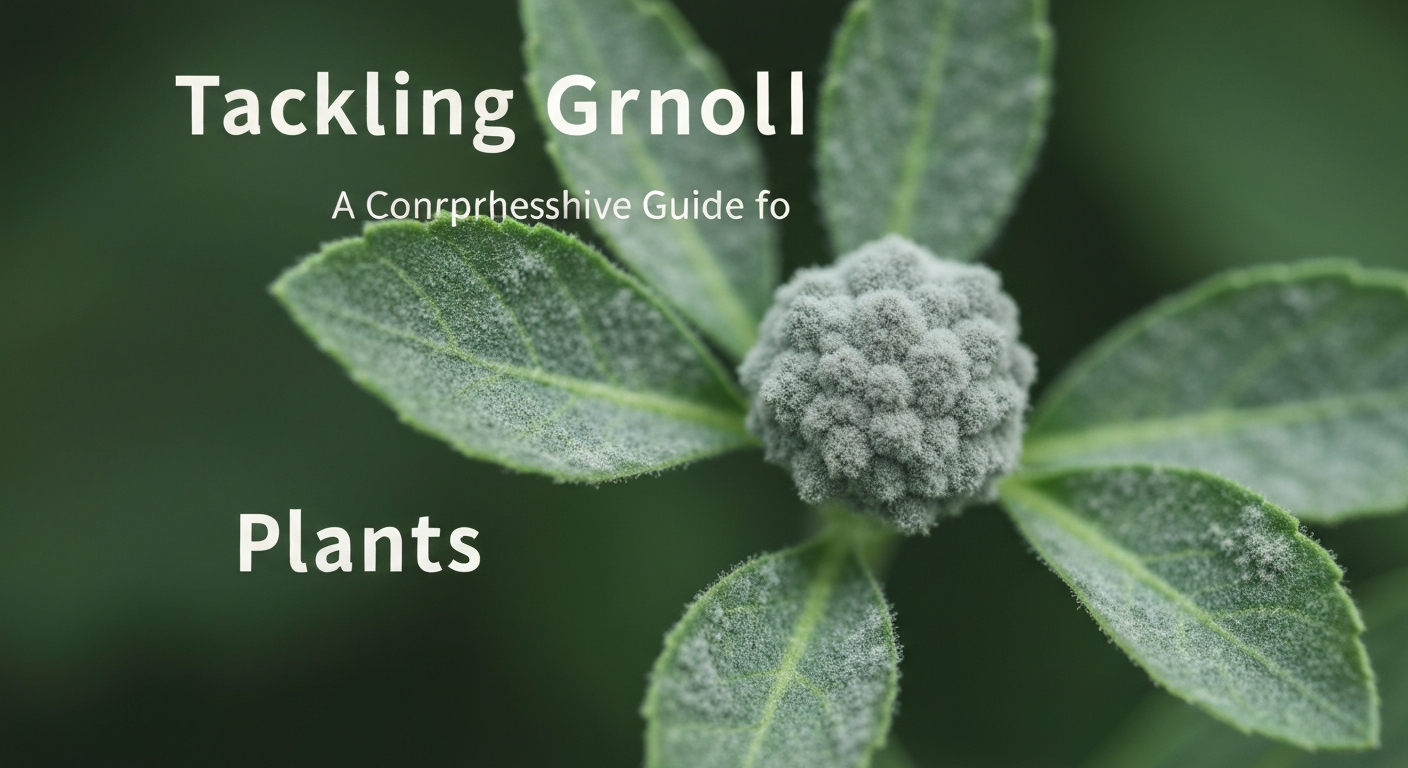
As a home gardener, few sights are as disheartening as spotting signs of disease on your beloved plants. Among the most common and frustrating culprits is gray mold on plants, also known as Botrytis blight. This insidious fungal infection can quickly turn vibrant foliage into a fuzzy, decaying mess, impacting everything from your prize-winning roses to your bountiful vegetable garden. Understanding how to identify, treat, and, most importantly, prevent gray mold is crucial for maintaining a healthy and thriving green space.
At plantdiseaseapp.com, we’re dedicated to empowering gardeners like you with the knowledge to tackle plant problems head-on. This comprehensive guide will walk you through everything you need to know about gray mold, ensuring you’re well-equipped to protect your plants.
What is Gray Mold (Botrytis Blight)?
Gray mold is caused by the fungus Botrytis cinerea, a widespread and opportunistic pathogen. It’s often referred to as “the gray mold” because of the characteristic fuzzy, grayish-brown growth it produces on infected plant tissues. Unlike some other fungi that might specialize in specific plant types, Botrytis cinerea is a generalist, meaning it can infect a vast array of plants, including ornamentals, vegetables, fruits, and even houseplants.
This fungus thrives in cool, humid conditions and particularly targets weakened, damaged, or senescing (aging) plant parts. It’s a necrotrophic pathogen, meaning it kills host tissue to obtain nutrients, leading to rot and decay. Once established, it produces spores that can easily spread through the air, water, or even on gardening tools, making it highly contagious within a garden environment.
Recognizing the Signs: Symptoms of Gray Mold on Plants
Early detection is key to managing gray mold. The symptoms can vary slightly depending on the plant species and the affected part, but there are some tell-tale signs to look for.
1. Fuzzy, Grayish-Brown Growth
The most distinctive symptom is a fuzzy, felt-like growth that appears gray or brownish-gray. This fuzzy layer is a mass of fungal spores and mycelium. It often starts on dying flowers, damaged leaves, or ripening fruits before spreading to healthy tissue.
2. Soft, Watery Spots and Lesions
Before the fuzzy growth appears, you might notice small, water-soaked spots on leaves, stems, or petals. These spots quickly enlarge, turning brown or black, and the affected tissue becomes soft and mushy. On stems, these lesions can girdle the stem, leading to wilting and collapse of the plant part above the lesion.
3. Wilting and Browning
Infected flowers may develop brown spots, shrivel, and fail to open or drop prematurely. Leaves can yellow, turn brown, and wilt. On fruits, such as strawberries or tomatoes, you might see soft, discolored spots that rapidly expand, eventually covering the entire fruit with the characteristic gray fuzz. For more on specific tomato issues, check out our guide on /blog/tomato-plant-diseases/.
4. Damping-Off in Seedlings
Botrytis cinerea can also cause “damping-off” in seedlings, where young plants suddenly collapse and die at the soil line due to stem rot.
Distinguishing from Other Issues
It’s important to differentiate gray mold from other common fungal diseases. For example, powdery mildew on plants appears as a white, powdery coating, typically on the upper surface of leaves, and lacks the fuzzy, grayish appearance of Botrytis. If you’re unsure, you can always take a photo of the symptoms with your iPhone and use the Plant Disease Identifier app for a quick assessment. For general advice on sick plants, see our article on /blog/sick-plant/.
Why Your Plants Get Gray Mold: Understanding the Causes
Gray mold doesn’t just appear out of nowhere. It’s a disease strongly linked to specific environmental conditions and plant vulnerabilities. Understanding these factors is crucial for both treatment and prevention.
1. High Humidity
This is perhaps the most significant factor. Botrytis cinerea requires high humidity (above 85%) for its spores to germinate and infect plant tissue. Prolonged periods of leaf wetness, often caused by overhead watering or persistent dew, create the perfect breeding ground.
2. Poor Air Circulation
Dense planting, lack of pruning, or growing plants in enclosed, unventilated spaces (like greenhouses) can restrict airflow. Stagnant air traps moisture around plant foliage, leading to high humidity and creating ideal conditions for fungal growth.
3. Overwatering
While related to humidity, overwatering specifically saturates the soil, which can stress roots and indirectly contribute to conditions favorable for Botrytis. Wet soil also contributes to overall higher ambient humidity. Be careful not to confuse symptoms with those of /blog/root-rot/, which is another common issue related to excessive moisture.
4. Wounded Plant Tissue
The fungus often enters plants through wounds caused by insects, mechanical damage (e.g., pruning, hail, wind), or even natural senescence (dying flowers or leaves). These entry points provide easy access for the fungal spores.
5. Temperature Range
While it can occur in a wide range, Botrytis cinerea thrives in cool to moderate temperatures, typically between 60-75°F (15-24°C). This is why it’s often more prevalent in spring and fall, or in cooler, shaded parts of the garden.
6. Stressed or Weakened Plants
Plants that are already stressed due to poor nutrition, drought, pest infestations, or other diseases are more susceptible to gray mold. Healthy, vigorous plants have better natural defenses.
Diagnosing Gray Mold: Your Step-by-Step Guide
Accurate diagnosis is the first step towards effective treatment. Here’s how you can confirm if gray mold on plants is indeed the problem:
1. Visual Inspection
Carefully examine your plants, paying close attention to the symptoms described above. Look for the fuzzy gray growth, especially on flowers, buds, fruits, and any dying or damaged leaves. Check the undersides of leaves and in dense foliage where moisture might linger.
2. Environmental Assessment
Consider the conditions in your garden or growing area. Have there been extended periods of cool, humid weather? Is there good air circulation around your plants? Do you water overhead, leaving foliage wet for long periods? These factors provide strong clues.
3. Using the Plant Disease Identifier App
For a quick and reliable assessment, snap a clear photo of the affected plant parts with your iPhone. Our Plant Disease Identifier app can analyze the symptoms and provide a probable diagnosis, along with actionable treatment advice. While our AI offers valuable information, it’s important to remember it’s an informational tool and not a substitute for professional agricultural or medical advice. For more information on how to use the app, visit /blog/plant-disease-identifier/.
4. When to Seek Professional Advice
If the symptoms are ambiguous, or if the disease is widespread and resistant to home treatments, consider consulting a local agricultural extension office or a certified arborist/horticulturist. They can provide laboratory diagnosis and tailored recommendations. For general guidance on how to /blog/diagnose-plant-problems/, check out our detailed article.
Effective Treatment Strategies for Gray Mold
Once gray mold has taken hold, a multi-pronged approach is usually necessary. The goal is to remove infected tissue, alter environmental conditions, and, if necessary, apply appropriate treatments.
1. Pruning and Removal of Infected Parts
This is the most critical first step. Using clean, sharp pruning shears, carefully remove all affected plant parts. Cut well below any visible signs of infection into healthy tissue. Be thorough, as even small overlooked spots can quickly re-infect the plant. Important: Do not compost infected plant material. The spores can survive and spread. Bag and dispose of it in the trash, or burn it if local regulations allow. Always sterilize your pruning tools with a 10% bleach solution or rubbing alcohol after each cut and between plants to prevent spreading spores.
2. Improve Environmental Conditions
- Increase Air Circulation: Thin out dense foliage by judicious pruning. Ensure plants are spaced adequately, especially in beds or containers. If growing indoors or in a greenhouse, use fans to promote airflow.
- Reduce Humidity: Avoid overhead watering. Water plants at the base, directly onto the soil, allowing foliage to remain dry. Water in the morning so plants have time to dry before evening. In greenhouses, use dehumidifiers if humidity is consistently high.
- Proper Watering: Ensure plants are not overwatered. Allow the top inch or two of soil to dry out between waterings.
3. Organic Solutions
- Copper-Based Fungicides: These are often approved for organic gardening and can be effective against Botrytis. Apply according to label directions, ensuring thorough coverage, especially on susceptible plant parts. They work best as a preventative or at the very first sign of disease.
- Neem Oil: While primarily an insecticide, neem oil can have some fungicidal properties. It’s generally less effective against established gray mold but might offer some protection as a preventative.
- Baking Soda Spray: A homemade spray (1 teaspoon baking soda, 1 teaspoon horticultural oil or mild soap per quart of water) can sometimes help with very mild cases, but its efficacy against Botrytis is limited and it should be used with caution, as it can burn some plants.
4. Chemical Fungicides
For severe or persistent infections, or in commercial settings, synthetic fungicides specifically labeled for Botrytis cinerea (Botrytis blight) may be necessary.
- Selection: Look for products containing active ingredients like pyraclostrobin, fenhexamid, or fludioxonil. Always choose a product labeled for use on your specific plant type and follow all label instructions meticulously regarding mixing, application, and safety precautions.
- Application: Fungicides are most effective when applied preventatively or at the very first sign of disease. They work by protecting healthy tissue from infection or by inhibiting the growth of existing fungus. Rotation of different fungicide types is often recommended to prevent the development of resistance.
Preventing Gray Mold: Best Practices for Healthy Plants
Prevention is always better than cure, especially with a pervasive disease like gray mold. Incorporating these practices into your routine will significantly reduce the risk of infection.
1. Proper Plant Spacing
Give your plants room to breathe! Overcrowding leads to poor air circulation and creates a humid microclimate. Follow recommended spacing guidelines for each plant species.
2. Smart Watering Techniques
- Water at the Base: Always water the soil directly, avoiding wetting the foliage.
- Morning Watering: Water early in the day so any incidental moisture on leaves has time to evaporate before evening.
- Avoid Overwatering: Ensure good drainage and allow the soil to dry out appropriately between waterings.
3. Garden Sanitation
- Remove Debris: Regularly clear away dead leaves, fallen petals, and spent flowers. These decaying materials are prime targets for Botrytis to establish itself.
- Clean Tools: Sterilize pruning shears and other tools regularly, especially after working with infected plants.
- Weed Control: Weeds can compete for resources and restrict airflow, contributing to favorable conditions for gray mold.
4. Enhance Air Circulation
- Pruning: Periodically prune plants to remove dense growth and open up the canopy. This allows air and light to penetrate more effectively.
- Location: Choose planting locations with good natural airflow.
5. Choose Resistant Varieties
When available, select plant varieties that are known to have some resistance to Botrytis cinerea. While no plant is completely immune, some are less susceptible.
6. Monitor Your Plants Regularly
Make it a habit to inspect your plants daily or every few days. Early detection allows for prompt action, often before the disease becomes widespread. Catching a /blog/plant-disease/ early is always beneficial.
Common Mistakes When Dealing with Gray Mold
Even experienced gardeners can make mistakes. Here are some common pitfalls to avoid:
- Ignoring Early Signs: A small fuzzy spot can quickly escalate. Don’t wait to act.
- Overwatering or Overhead Watering: Continuously wet foliage is an open invitation for Botrytis.
- Improper Pruning: Not removing enough infected tissue, or not sterilizing tools, can lead to reinfection or spread.
- Not Addressing Environmental Factors: Simply spraying a fungicide without improving air circulation and reducing humidity is often a temporary fix.
- Misdiagnosis: Confusing gray mold with other diseases like /blog/black-spot-on-roses/ or /blog/leaf-spot-disease/ can lead to ineffective treatments. Always confirm your diagnosis.
Plants Most Susceptible to Gray Mold
While Botrytis cinerea is a generalist, some plants are particularly prone to infection due to their growth habits or delicate tissues.
| Plant Type | Examples | Susceptible Parts |
|---|---|---|
| Vegetables | Tomatoes, Strawberries, Lettuce, Beans, Cabbage, Onions, Peppers | Fruits, leaves, stems, flowers, post-harvest storage |
| Ornamentals | Roses, Petunias, Geraniums, Begonias, Peonies, Impatiens, Chrysanthemums | Flowers, buds, leaves, stems, cuttings |
| Fruits | Grapes, Raspberries, Blueberries | Developing and ripe fruit, flowers, post-harvest storage |
| Houseplants | African Violets, Cyclamen, Poinsettias | Leaves, flowers, stems, especially in humid indoor environments |
Strawberries and tomatoes, in particular, are highly susceptible, especially as fruits ripen. Protecting them requires diligent care.
Conclusion
Gray mold on plants can be a formidable foe, but it’s not invincible. By understanding its symptoms, causes, and implementing a proactive strategy of good garden hygiene, proper watering, and environmental control, you can significantly reduce its impact. Remember to act quickly at the first sign of trouble, remove infected material, and always prioritize prevention. With these practices, you’ll be well on your way to a healthier, more vibrant garden. Happy gardening!