

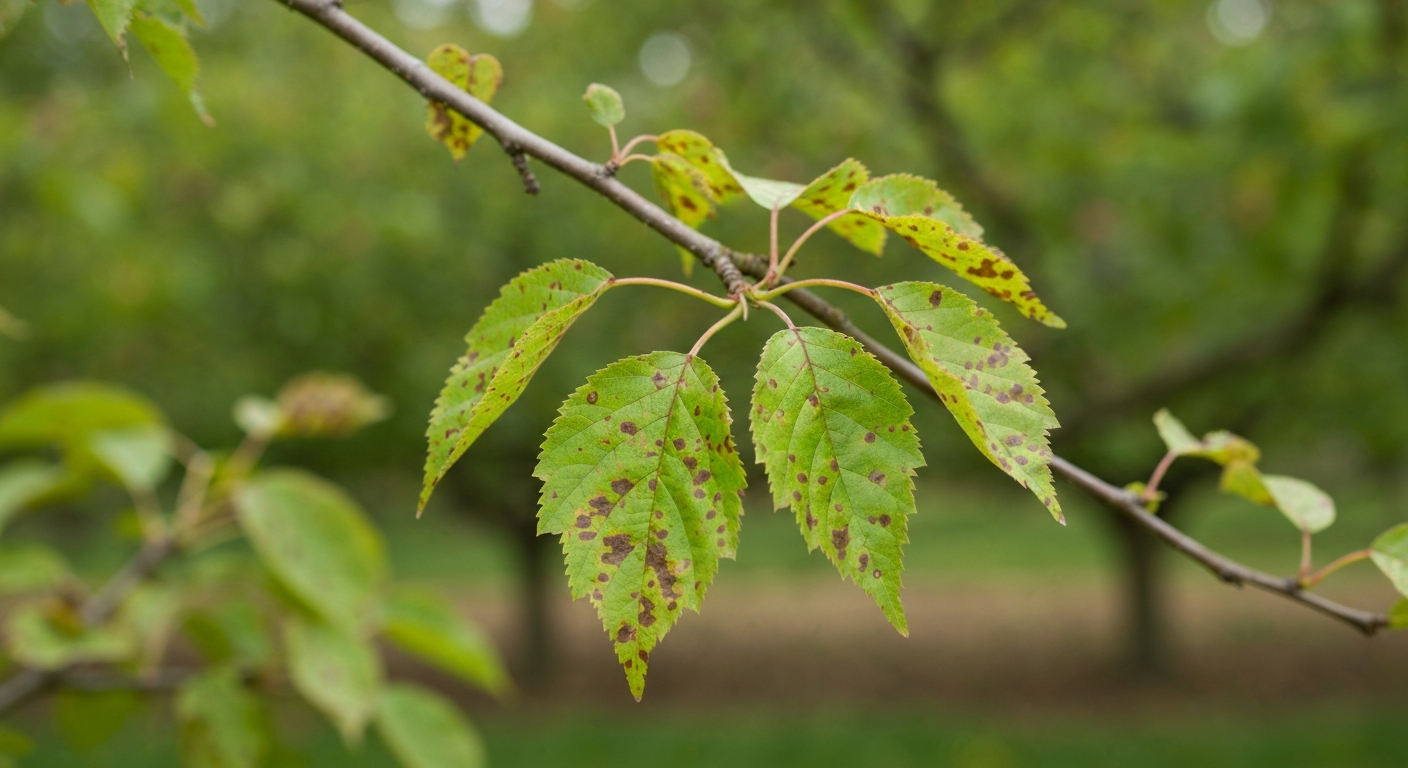
Maple trees (Acer spp.) are beloved for their majestic stature, vibrant fall foliage, and the refreshing shade they provide. From the iconic Sugar Maple to the graceful Japanese Maple, these trees are a cornerstone of landscapes across North America and beyond. However, like all living things, maples are susceptible to a range of ailments. Understanding maple tree diseases is crucial for any home gardener looking to protect their leafy giants and ensure their long-term health. Early detection and appropriate action can often mean the difference between a thriving tree and one in decline.
This comprehensive guide will equip you with the knowledge to identify, understand, and manage the most common diseases affecting maple trees. We’ll cover symptoms, causes, diagnosis, treatment, and prevention, focusing on practical advice you can implement in your own yard.
The Importance of Maple Tree Health
Healthy maple trees contribute significantly to the environment and property value. They improve air quality, provide habitat for wildlife, reduce energy costs by shading homes, and enhance aesthetic appeal. Conversely, a diseased maple can become a hazard, potentially dropping limbs or even succumbing entirely, necessitating costly removal. Proactive care and vigilance are your best tools in maintaining a vibrant maple collection.
Common Maple Tree Diseases and How to Spot Them
Let’s dive into the specifics of the most prevalent diseases that plague maple trees. Recognizing the symptoms is the first step toward effective management.
1. Tar Spot (Rhytisma acerinum or R. punctatum)
Tar spot is a common, though usually harmless, fungal disease that creates distinctive black spots on maple leaves. While it can look alarming, it rarely causes significant damage to the tree’s overall health.
- Symptoms:
- Small, yellowish-green spots appear on leaves in late spring/early summer.
- These spots gradually enlarge and darken, developing into raised, shiny, black tar-like blotches (often 1/2 inch or more in diameter) by late summer or early fall.
- Often, a yellow halo surrounds the black spots.
- Severe infections can lead to premature leaf drop, though this is rare and generally not harmful.
- Causes: Caused by the fungi Rhytisma acerinum (large spots) or R. punctatum (smaller, more numerous spots, sometimes called “speckled tar spot”). Spores overwinter on fallen leaves and are released in spring.
- Diagnosis: Visual inspection is usually sufficient due to the distinctive “tar” appearance. If you’re unsure, you can always capture a clear photo of the symptoms and use a tool like the Plant Disease Identifier app on iPhone for an initial assessment.
- Treatment:
- Organic: The most effective control is sanitation. Rake and destroy (bag for municipal waste, don’t compost) all fallen maple leaves in the autumn to remove overwintering spores.
- Fungicides: Fungicides are generally not recommended for tar spot in home landscapes because the disease is primarily aesthetic and rarely harms the tree. If used, they would need to be applied preventatively in spring as new leaves emerge.
- Prevention: Consistent fall leaf cleanup is key. Promote good air circulation by selective pruning to reduce humidity around the canopy.
2. Powdery Mildew (Erysiphe spp., Phyllactinia spp., Uncinula spp.)
Powdery mildew is a common fungal disease that affects a wide range of plants, including maples. It’s often more of an aesthetic issue but can stress young or susceptible trees.
- Symptoms:
- White, powdery patches appear on the surface of leaves, shoots, and sometimes flowers.
- In severe cases, leaves may become distorted, yellow, or drop prematurely.
- Growth can be stunted on heavily infected young plants.
- Causes: Caused by various species of fungi, many of which are host-specific. Spores are spread by wind and thrive in humid conditions, especially with cooler nights and warm days.
- Diagnosis: The characteristic white, powdery growth is usually unmistakable. For more details on this common issue, check out our article on powdery mildew on plants.
- Treatment:
- Organic: Prune out heavily infected branches. Improve air circulation by thinning dense canopy areas. Horticultural oils (neem oil) or sulfur-based fungicides can be effective, applied according to label directions.
- Fungicides: Several fungicides are available, but cultural controls are often sufficient. If using, apply preventatively or at the first sign of disease. Always follow label instructions carefully.
- Prevention: Plant resistant varieties if available. Ensure good air circulation around and within the tree. Avoid overhead watering late in the day, which keeps foliage wet overnight. You can also explore more resources on powdery mildew.
3. Verticillium Wilt (Verticillium dahliae or V. albo-atrum)
This is one of the most serious and often fatal diseases for maple trees. Verticillium wilt is a soil-borne fungal disease that enters the tree through its roots and clogs its vascular system.
- Symptoms:
- Sudden wilting and yellowing of leaves, often on only one side of the tree or a single branch.
- Leaves may scorch (turn brown and crispy) at the margins and eventually fall off prematurely.
- Branch dieback, starting from the tips.
- When the bark of an affected branch is peeled back, or a cross-section is cut, you may see greenish-brown streaks or discoloration in the sapwood (vascular tissue). This is a key diagnostic sign.
- Causes: Caused by the fungi Verticillium dahliae or V. albo-atrum, which can survive in the soil for many years. It enters through root wounds.
- Diagnosis: The tell-tale vascular streaking is the most reliable sign. However, other issues can cause wilting. If you suspect Verticillium wilt, it’s best to confirm with a lab diagnosis, as the fungi can be difficult to manage. Our article on diagnose plant problems offers more general advice on problem identification.
- Treatment:
- Unfortunately, there is no cure for Verticillium wilt once a tree is infected.
- Organic: Severely infected branches should be pruned out immediately, making cuts into healthy wood. Sterilize pruning tools thoroughly between each cut. Ensure the tree is well-watered and fertilized to minimize stress.
- Fungicides: Fungicides are generally ineffective against Verticillium wilt because the pathogen resides within the vascular system.
- Prevention:
- Plant resistant tree species or varieties.
- Avoid planting maples in areas where previous trees have died from Verticillium wilt.
- Minimize root damage during planting and cultivation.
- Maintain overall tree vigor with proper watering and nutrition.
4. Anthracnose (Apiognomonia errabunda or Discula campestris)
Anthracnose is a common fungal disease that thrives in cool, wet spring weather, causing leaf spots, blight, and cankers.
- Symptoms:
- Irregular brown or black spots on leaves, often along veins or leaf margins.
- In severe cases, entire leaves may shrivel, turn brown, and drop prematurely.
- Small cankers (sunken lesions) may form on twigs and small branches.
- New shoots may be blighted and die back.
- Causes: Caused by various fungi, including Apiognomonia errabunda and Discula campestris. Spores are spread by splashing rain and wind.
- Diagnosis: Look for characteristic lesions, especially along veins. It can sometimes be confused with frost damage or other leaf spot disease.
- Treatment:
- Organic: Rake and destroy fallen leaves to reduce overwintering spores. Prune out infected twigs and cankered branches during dormancy. Improve air circulation.
- Fungicides: Fungicides are generally not needed for established trees unless the infection is severe and recurrent, or for young, highly susceptible trees. If used, apply in spring as buds break and new leaves emerge.
- Prevention: Plant resistant varieties. Good sanitation and proper pruning help.
5. Canker Diseases (e.g., Nectria Canker, Botryosphaeria Canker)
Canker diseases are caused by fungi or bacteria that infect bark, leading to sunken, discolored lesions that can girdle branches or trunks.
- Symptoms:
- Sunken, discolored areas on branches or the main trunk.
- Cracked bark, often with callus tissue trying to heal around the edges.
- Wilting and dieback of branches beyond the canker.
- Small, often orange or red, fruiting bodies of the fungus may be visible on the canker.
- Causes: Various fungi (e.g., Nectria cinnabarina, Botryosphaeria dothidea) or bacteria. They often enter through wounds (pruning cuts, insect damage, frost cracks) or stress points.
- Diagnosis: Visual identification of sunken lesions and dieback.
- Treatment:
- Organic: Prune out affected branches well below the canker into healthy wood. Sterilize tools between cuts. Maintain tree vigor to help it naturally compartmentalize cankers.
- Fungicides: Fungicides are generally ineffective against established cankers.
- Prevention: Avoid wounding trees. Prune correctly and at the right time. Maintain tree health to reduce stress.
6. Root Rot (Phytophthora spp., Armillaria spp.)
Root rot is a serious condition caused by various soil-borne fungi that attack the roots, especially in poorly drained or overwatered soils.
- Symptoms:
- General decline of the tree: stunted growth, small or yellowing leaves, premature leaf drop.
- Dieback of branches, starting from the top of the canopy.
- Mushrooms (Armillaria) may appear around the base of the tree or on roots.
- When roots are examined, they appear black, mushy, and often have a foul odor.
- For a deeper dive into this issue, consult our article on root rot.
- Causes: Fungi like Phytophthora or Armillaria thrive in waterlogged, anaerobic soil conditions. Overwatering and heavy clay soils are major contributing factors.
- Diagnosis: Often difficult to diagnose until advanced. Look for overall decline and inspect roots if possible.
- Treatment:
- Organic: Improve soil drainage immediately. Reduce watering. For containerized maples, repotting into well-draining soil and a clean pot may help. Prune dead branches.
- Fungicides: Some fungicidal drenches are available, but they are often only marginally effective and typically not recommended for home gardeners due to their limited impact on established root rot.
- Prevention:
- Ensure excellent drainage when planting. Amend heavy clay soils with organic matter.
- Avoid overwatering. Water deeply but infrequently.
- Plant trees at the correct depth; avoid planting too deep.
7. Maple Decline (A complex of factors)
Maple decline isn’t a single disease but a syndrome where maples gradually lose vigor and die back over several years. It’s often caused by a combination of environmental stresses and secondary diseases or pests.
- Symptoms:
- Gradual thinning of the crown.
- Small, pale, or scorched leaves.
- Premature fall coloration and leaf drop.
- Dieback of twigs and branches, often starting at the top.
- Increased susceptibility to other diseases (like cankers) and insect infestations.
- Causes: A combination of stresses, including drought, poor drainage, soil compaction, nutrient deficiencies, road salt damage, girdling roots, and secondary infections or pests.
- Diagnosis: Requires careful assessment of the tree’s history, site conditions, and ruling out specific diseases.
- Treatment:
- Organic: Focus on alleviating environmental stresses. Improve soil health, provide adequate water during dry periods, fertilize appropriately, and manage pests.
- Fungicides: Not applicable, as it’s not a single disease.
- Prevention: Maintain optimal growing conditions. Provide supplemental water during dry spells. Avoid soil compaction. Protect from winter injury and road salt. Address girdling roots if present.
General Steps for Diagnosing a Sick Maple Tree
When your maple tree shows signs of distress, a systematic approach to diagnosis can help you pinpoint the problem. Remember, our AI-powered app is designed to provide informational assistance, but it is not a substitute for professional agricultural or medical advice.
- Observe Closely: Walk around your entire tree. Look at the leaves (top and bottom), branches, trunk, and the soil around the base. Are symptoms uniform or localized? What do the brown spots on plant leaves look like?
- Identify Specific Symptoms: Note the color, shape, and location of spots, wilting, cankers, or unusual growths. Is it just the leaves, or are branches dying back? Are insects present?
- Consider Environmental Factors: Has there been unusual weather (drought, excessive rain, frost)? Has anything changed in the tree’s environment (new construction, chemical applications, soil disturbance)?
- Check the Roots and Trunk Base: Gently probe the soil around the base. Are the roots exposed or girdling? Is there any fungal growth or damage to the bark at the base?
- Use Diagnostic Tools: Take clear photos of the symptoms. Our Plant Disease Identifier app can help you get an initial idea of what might be wrong by analyzing your photos. It’s a great first step when you notice a sick plant.
- Consult Local Resources: For persistent or severe problems, contact your local cooperative extension office, a certified arborist, or a plant pathologist. They can offer expert advice and lab analysis.
Treatment Strategies: Organic vs. Fungicides
When it comes to treating maple tree diseases, your approach will depend on the specific ailment, its severity, and your personal gardening philosophy.
Organic and Cultural Controls
These methods focus on improving the tree’s overall health and creating an environment less favorable to disease. They are often the first and best line of defense.
- Sanitation: Rake and remove all fallen leaves and debris, especially in autumn, to eliminate overwintering spores. Prune out dead or diseased branches promptly.
- Pruning: Remove infected branches, making clean cuts into healthy wood. Sterilize pruning tools with rubbing alcohol or a bleach solution (1 part bleach to 9 parts water) between each cut to prevent spreading pathogens. Proper pruning also improves air circulation, reducing humidity that fungi love.
- Watering: Ensure adequate, deep watering during dry periods, especially for young trees. Avoid overwatering, which can lead to root rot.
- Soil Health: Improve soil drainage, especially in heavy clay soils, by incorporating organic matter. Avoid soil compaction around the root zone.
- Fertilization: Provide balanced nutrition based on soil test results. Avoid excessive nitrogen, which can lead to lush, susceptible growth.
- Stress Reduction: Protect trees from mechanical injury, sunscald, and winter damage. Address girdling roots.
- Resistant Varieties: When planting new maples, choose varieties known for their disease resistance.
When Fungicides Help
Fungicides are chemical treatments designed to kill or inhibit fungal growth. They are generally most effective when applied preventatively or at the very early stages of fungal diseases.
- Specific Applications: Fungicides can be useful for certain diseases like severe anthracnose or powdery mildew on highly susceptible or young trees, or in commercial settings where aesthetics are paramount. They are generally not effective against bacterial diseases, viral diseases, or vascular wilts like Verticillium wilt.
- Timing is Crucial: For preventative measures, fungicides must be applied before spores germinate, often in early spring as new growth emerges.
- Read the Label: Always follow product instructions precisely regarding mixing ratios, application methods, safety precautions, and reapplication intervals. Incorrect use can be ineffective or even harmful.
- Environmental Impact: Consider the potential impact on beneficial insects, wildlife, and water quality before using chemical fungicides. Many home gardeners prefer to exhaust organic and cultural methods first.
Prevention is Key: Cultivating Resilient Maple Trees
The best defense against maple tree diseases is a strong offense – focusing on prevention and maintaining a healthy environment for your trees.
- Choose the Right Maple: Select maple species and cultivars that are well-suited to your local climate and soil conditions, and consider varieties known for disease resistance.
- Proper Planting: Plant at the correct depth, ensuring the root flare is visible at or slightly above ground level. Dig a wide hole to allow roots to spread.
- Good Drainage: Maples generally prefer well-drained soil. Amend heavy clay soils with organic matter to improve drainage.
- Appropriate Watering: Water deeply and infrequently, especially during dry spells. Avoid shallow, frequent watering or overwatering.
- Mulch Wisely: Apply a 2-4 inch layer of organic mulch (wood chips, shredded bark) around the base of the tree, keeping it a few inches away from the trunk. This helps retain moisture, regulate soil temperature, and suppress weeds.
- Regular Inspection: Routinely check your maples for any signs of disease or pests. Early detection significantly increases the chances of successful management.
- Proper Pruning: Prune dead, damaged, or crossing branches during dormancy. Use sharp, clean tools and make proper cuts to minimize stress and wound sites.
- Avoid Wounds: Protect trunks from lawnmower or string trimmer damage, which can provide entry points for pathogens.
- Sanitation: Consistently remove and destroy fallen leaves and diseased plant material.
Common Mistakes to Avoid
Even experienced gardeners can make mistakes that inadvertently contribute to maple tree disease issues.
- Overwatering: This is a primary cause of root rot and creates conditions favorable for many fungal diseases.
- Planting Too Deep: Burying the root flare can lead to girdling roots, root rot, and overall tree decline.
- Ignoring Early Symptoms: Waiting until a disease is advanced makes treatment much more difficult, if not impossible.
- Improper Pruning: Leaving stubs, making flush cuts, or not sterilizing tools can introduce or spread disease.
- Compacting Soil: Heavy foot traffic or machinery around the root zone compacts soil, reducing oxygen and hindering root growth.
- Applying Chemicals Blindly: Using the wrong fungicide for the wrong problem, or applying it at the wrong time, is ineffective and can be harmful. Always identify the problem first!
- Over-fertilizing: Excessive nitrogen can promote succulent new growth that is more susceptible to certain diseases.
- Ignoring Environmental Stress: Drought, heat, and poor soil conditions weaken a tree, making it more vulnerable to opportunistic pathogens.
Conclusion
Maple trees are magnificent additions to any landscape, and with a little knowledge and proactive care, you can keep them healthy and vibrant for years to come. By understanding the common maple tree diseases, recognizing their symptoms early, and implementing sound cultural practices, you’ll be well-equipped to protect these beautiful trees. Remember, consistent monitoring, good sanitation, proper watering, and thoughtful pruning are your best allies in the fight against disease. While our Plant Disease Identifier app can provide valuable insights, never hesitate to consult with a local arborist or plant expert for severe or complex issues. Happy gardening!