

As Elena Marsh, Senior Plant Care Editor for plantdiseaseapp.com, I’m here to guide you through one of the most common and frustrating plant ailments: powdery mildew. This pervasive fungal disease can quickly diminish the beauty and vigor of your garden, but thankfully, nature provides a powerful ally. Today, we’re diving deep into how to effectively use neem oil for powdery mildew, a natural, organic solution that has earned its place as a staple in integrated pest and disease management for home gardeners worldwide.
Understanding Powdery Mildew: The Foe You’re Facing
Before we tackle the solution, it’s crucial to understand the problem. Powdery mildew is a group of related fungal diseases caused by various species of fungi (e.g., Erysiphe, Podosphaera, Sphaerotheca, Uncinula). It’s incredibly common, affecting a vast array of plants, from ornamentals like roses and zinnias to edibles such as squash, cucumbers, grapes, and even certain trees. If you’ve ever dealt with powdery mildew on plants, you know how quickly it can spread.
Symptoms of Powdery Mildew
The tell-tale sign of powdery mildew is its distinctive appearance:
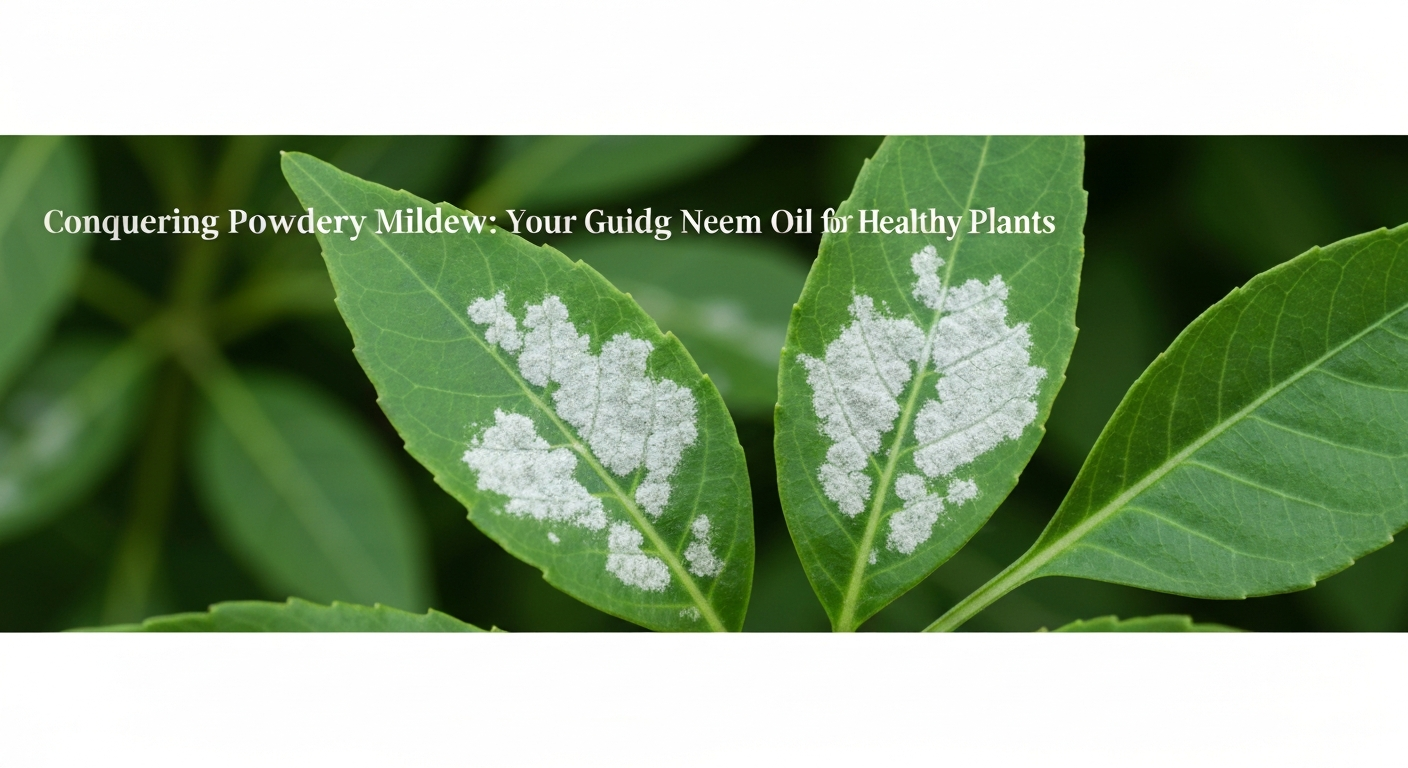
- White, Powdery Patches: Initially, small, circular, white, powdery spots appear on the upper sides of leaves and stems. These spots often resemble a dusting of flour or talcum powder.
- Spreading Growth: Over time, these patches enlarge and coalesce, eventually covering entire leaves, stems, buds, and even flowers.
- Distorted Growth: Severely infected leaves may become yellow, curl, twist, or buckle. New growth can be stunted or distorted.
- Reduced Vigor: Photosynthesis is impaired, leading to weakened plants, reduced flowering, fruit distortion, and premature leaf drop.
- Brown Spots: In some severe cases, the white patches may turn grayish-brown over time, especially on the undersides of leaves or on brown spots on plant leaves.
Causes and Favorable Conditions
Unlike many fungi, powdery mildew doesn’t require standing water on leaf surfaces to germinate. Instead, it thrives in:
- High Humidity: While not needing wet leaves, high relative humidity (above 60%) in the plant canopy, combined with dry conditions at the roots, is ideal.
- Moderate Temperatures: Temperatures between 68-86°F (20-30°C) are optimal. It tends to slow down or stop spreading in very hot or very cold weather.
- Poor Air Circulation: Dense plantings, crowded conditions, or lack of pruning create stagnant air pockets that are perfect breeding grounds.
- Shade: Plants in shaded areas are often more susceptible than those in full sun.
- Stress: Weakened or stressed plants are more vulnerable to infection.
Why Early Diagnosis Matters
Catching powdery mildew early is critical for effective management. The sooner you identify the problem, the easier it is to control and prevent its spread. If you suspect your plant is sick plant, don’t hesitate to take action. For quick and accurate identification, consider using a tool like the Plant Disease Identifier app on your iPhone. Simply snap a photo of the symptoms, and the app can help you diagnose plant problems quickly, guiding you toward appropriate solutions like neem oil. Early intervention can save your plants from significant damage and reduce the need for more aggressive treatments later on.
Why Choose Neem Oil for Powdery Mildew? A Natural Solution
When faced with a plant disease like powdery mildew, many gardeners first reach for synthetic chemicals. However, there’s a growing movement towards organic, sustainable solutions, and neem oil stands out as a top contender.
Organic and Biodegradable
Neem oil is extracted from the seeds of the neem tree (Azadirachta indica), native to India and Africa. It’s a completely natural, biodegradable product, making it an excellent choice for organic gardening. Unlike synthetic pesticides, it breaks down quickly in the environment, leaving no harmful residues. This is particularly important for edible plants, ensuring your produce remains safe for consumption.
Multi-faceted Action
One of the greatest advantages of neem oil is its versatility. It’s not just an antifungal; it’s also a broad-spectrum insecticide and miticide. This means while you’re treating powdery mildew, you’re simultaneously addressing potential issues with common garden pests like aphids, spider mites, whiteflies, and scale insects. This multi-pronged approach simplifies your plant care routine and reduces the need for multiple products.
Safety Profile
When used correctly, neem oil is remarkably safe for humans, pets, and most beneficial insects. It has a very low toxicity to mammals and birds. While it can affect beneficial insects if sprayed directly, its mode of action is generally less disruptive to the ecosystem than many synthetic alternatives. This makes it a responsible choice for maintaining a healthy garden biome.
How Neem Oil Works Against Powdery Mildew
Neem oil’s effectiveness against powdery mildew stems from its complex chemical composition, particularly the presence of triterpenoids, most notably azadirachtin. However, even neem oil products with reduced azadirachtin (clarified hydrophobic neem oil) still possess significant fungicidal properties.
Antifungal Properties
Neem oil contains several compounds that exhibit direct antifungal activity. When applied to plant surfaces, it disrupts the cell membranes of fungal spores and mycelia, inhibiting their growth and reproduction. It essentially suffocates the fungus and prevents it from spreading.
Systemic Action (to a degree)
While not a true systemic pesticide in the same way synthetic chemicals are, cold-pressed neem oil can exhibit some translaminar or quasi-systemic action. This means that a small amount of the active compounds can be absorbed by the plant leaves and move within the plant’s tissues, offering some internal protection. This is particularly helpful for reaching fungal growth on the undersides of leaves or in hard-to-reach areas.
Disruption of Fungal Life Cycle
Neem oil interferes with various stages of the powdery mildew life cycle:
- Spore Germination: It prevents spores from germinating and establishing new infections.
- Mycelial Growth: It inhibits the growth of the fungal threads (mycelia) that form the white patches.
- Reproduction: It can reduce the fungus’s ability to produce new spores, thereby limiting its spread.
By attacking the fungus at multiple points in its life cycle, neem oil provides comprehensive control and helps break the cycle of infection.
Selecting the Right Neem Oil Product
Not all neem oil products are created equal. Understanding the differences is key to choosing the most effective and safest option for your garden.
Cold-Pressed vs. Clarified Hydrophobic Extract
| Feature | 100% Cold-Pressed Neem Oil | Clarified Hydrophobic Neem Oil Extract |
|---|---|---|
| Extraction Method | Mechanically pressed from neem seeds, retaining all compounds. | Further processed to remove most azadirachtin and other solids. |
| Active Ingredients | Contains full spectrum of triterpenoids, including azadirachtin. | Primarily contains “neem oil” compounds, but very little azadirachtin. |
| Mode of Action | Insecticide (azadirachtin), antifeedant, repellent, fungicidal. | Fungicidal, antifeedant, repellent. Less insecticidal due to low azadirachtin. |
| Appearance | Dark, thick, often solidifies below 70°F (21°C). | Lighter in color, thinner, less likely to solidify. |
| Mixing | Requires more effort to emulsify; can clog sprayers if not properly prepared. | Easier to mix and emulsify; less prone to clogging sprayers. |
| Pest/Disease Control | Excellent for both insect control (due to azadirachtin) and fungal diseases. | Very effective for fungal diseases like powdery mildew; less potent for insect control. |
| Cost | Generally more expensive per volume due to extraction and potency. | Often more affordable. |
| Recommendation | Best for broad-spectrum pest and disease control, especially when azadirachtin’s insecticidal properties are desired. | Ideal for powdery mildew and other fungal issues when insect control is a secondary concern, or for ease of use. |
For powdery mildew, both types can be effective. If your primary concern is fungal disease and ease of use, the clarified hydrophobic extract is a great choice. If you want the added benefit of stronger insect control, go for cold-pressed neem oil, but be prepared for a bit more effort in preparation.
Emulsifiers and Formulation
Pure neem oil is hydrophobic, meaning it doesn’t mix with water. To make it sprayable, it must be emulsified. Many commercial neem oil products come pre-emulsified, meaning they already contain a surfactant that allows them to mix readily with water. If you purchase 100% pure, cold-pressed neem oil, you’ll need to add your own emulsifier, such as a small amount of mild liquid soap (e.g., Castile soap, insecticidal soap) at a rate of 1-2 teaspoons per gallon of water. Avoid dish soaps with degreasers or harsh chemicals, as these can harm plants.
Step-by-Step Guide: Applying Neem Oil for Powdery Mildew Treatment
Applying neem oil correctly is crucial for its effectiveness and for preventing plant damage.
Preparation: Dilution and Mixing
Always dilute neem oil before application. The general guideline is 0.5% to 2% solution, depending on the severity of the infection and plant sensitivity.
- Read the Label: Always start by reading the specific instructions on your neem oil product. Concentrations can vary.
- Gather Supplies: You’ll need your neem oil, a mild liquid soap (if not pre-emulsified), warm water, and a clean spray bottle or garden sprayer.
- Warm Water: Use lukewarm water (not hot) to help the neem oil mix thoroughly, especially if using cold-pressed neem, which can be thick.
- Add Emulsifier (if needed): If your neem oil isn’t pre-emulsified, add your mild liquid soap to the warm water first and stir gently until dissolved.
- Add Neem Oil: Measure the appropriate amount of neem oil (e.g., 1-2 tablespoons per gallon of water for a 0.5%-1% solution) and add it to the soapy water.
- Mix Thoroughly: Stir or shake the mixture vigorously until the neem oil is fully emulsified and no oil slicks are visible on the surface. The mixture should look milky.
Timing is Everything: When to Apply
- Cooler Parts of the Day: Apply neem oil in the early morning or late evening. This is crucial for two reasons:
- Avoid Phytotoxicity: Applying in direct, hot sunlight can cause the oil to heat up on leaf surfaces, leading to “burning” or phytotoxicity.
- Protect Pollinators: Many beneficial insects, including bees, are less active during these times.
- Dry Conditions: Ensure there’s no rain expected for at least 24 hours after application to allow the neem oil to dry and adhere to the plant surfaces.
- Before Bloom: If possible, apply before plants begin to flower heavily to minimize impact on pollinators.
Application Technique: Thorough Coverage
- Test First: Always perform a small patch test on a few leaves of the affected plant 24-48 hours before full application, especially if it’s a new plant or you’re unsure of its sensitivity. Look for any signs of leaf yellowing, browning, or wilting.
- Spray All Surfaces: Powdery mildew often hides on the undersides of leaves and in dense foliage. Spray all plant surfaces thoroughly, including the tops and bottoms of leaves, stems, and any affected buds or flowers, until they are dripping wet.
- Don’t Forget the Soil: A light spray of the soil surface around the base of the plant can also help disrupt the fungal life cycle, as some spores may reside there.
Frequency and Follow-up
- Initial Treatment: For an active powdery mildew infection, apply neem oil every 5-7 days. Continue this regimen for 2-3 weeks, or until symptoms visibly subside.
- Preventative/Maintenance: Once the infection is under control, you can switch to a preventative schedule, applying neem oil every 2-4 weeks, especially during seasons when powdery mildew is prevalent or on plants known to be susceptible (e.g., tomato plant diseases).
- Reapply After Rain: If it rains shortly after application, you may need to reapply the neem oil once the plants are dry again.
Crucial Safety Precautions and Best Practices
While neem oil is natural, it’s not without its considerations. Proper handling and application ensure safety for you, your plants, and the environment.
Personal Protective Equipment (PPE)
Even though it’s natural, it’s wise to wear basic PPE:
- Gloves: Protect your hands from direct contact.
- Eye Protection: Prevent accidental splashes.
- Long Sleeves and Pants: Minimize skin exposure.
- Mask (optional): If you are sensitive to strong odors or are spraying in an enclosed area, a simple dust mask can be helpful.
Protecting Beneficial Insects
Neem oil, particularly cold-pressed versions with azadirachtin, can harm beneficial insects if sprayed directly.
- Avoid Flowering Plants: Try to avoid spraying plants that are actively flowering, especially during peak pollinator activity (mid-day).
- Evening Application: Applying in the evening is the best practice as most pollinators are not active, and the neem oil will have time to dry before they emerge.
- Targeted Spraying: Focus your spray on affected areas rather than drenching the entire garden indiscriminately.
Plant Sensitivity
Some plants can be more sensitive to neem oil than others.
- Delicate Foliage: Young seedlings, plants with very delicate or fuzzy leaves, or plants under stress may react negatively.
- Test First: Always perform a patch test on a small area of the plant 24-48 hours before full application.
- Avoid Over-Application: Stick to recommended dilution rates. Stronger is not always better and can lead to phytotoxicity.
Environmental Considerations
- Water Runoff: While biodegradable, avoid spraying directly into ponds or streams, as concentrated oil can harm aquatic life.
- Storage: Store neem oil in a cool, dark place, away from direct sunlight, to preserve its efficacy. Keep out of reach of children and pets.
Beyond Treatment: Preventing Powdery Mildew with Neem Oil and Cultural Practices
The best defense against powdery mildew is a good offense. Combining neem oil with sound cultural practices provides the most robust protection.
Proactive Application
Regular, dilute applications of neem oil can prevent powdery mildew from ever taking hold. On susceptible plants or during seasons when the disease is common (e.g., late summer, early fall), consider a bi-weekly or monthly preventative spray. This creates an unfavorable environment for spore germination.
Improving Air Circulation
- Proper Spacing: When planting, ensure adequate space between plants to allow for good air movement.
- Pruning: Regularly prune dense foliage to open up the plant canopy. Remove any overcrowded branches or leaves. This reduces humidity within the plant and discourages fungal growth.
- Weeding: Keep garden beds free of weeds that can compete for air and nutrients.
Proper Watering Techniques
- Water at the Base: Always water plants at the soil level, avoiding overhead irrigation that wets the foliage. Wet leaves, especially overnight, can encourage fungal diseases, though powdery mildew doesn’t strictly require it.
- Morning Watering: If you must water overhead, do so in the morning so leaves have ample time to dry before nightfall.
- Avoid Overwatering: While not directly causing powdery mildew, overwatering can lead to other issues like root rot and stress the plant, making it more susceptible to diseases.
Sanitation and Pruning
- Remove Infected Parts: As soon as you notice powdery mildew, prune off and dispose of infected leaves, stems, and flowers. Do not compost diseased material, as spores can survive and reinfect.
- Clean Tools: Disinfect pruning shears and other tools with a 10% bleach solution or rubbing alcohol after use to prevent spreading spores to healthy plants.
- Clear Debris: Remove fallen leaves and plant debris from around the base of plants, as these can harbor fungal spores.
Choosing Resistant Varieties
Whenever possible, select plant varieties that are known to be resistant or tolerant to powdery mildew. Many seed catalogs and plant nurseries will indicate disease resistance. For example, some tomato diseases include powdery mildew, so opting for resistant varieties can be very helpful. Similarly, look for resistant varieties when growing other susceptible plants like squash, cucumbers, or roses. Checking topics/powdery-mildew/ can provide more specific plant recommendations.
Common Mistakes to Avoid When Using Neem Oil
Even with the best intentions, it’s easy to make mistakes that can reduce neem oil’s effectiveness or even harm your plants.
Incorrect Dilution
- Too Concentrated: Using too much neem oil can lead to phytotoxicity, causing leaves to burn, yellow, or drop. Always follow label instructions and err on the side of caution.
- Too Dilute: Not enough neem oil means it won’t be effective against the fungus, leading to frustration and continued spread of the disease.
Applying in Direct Sun or High Heat
As mentioned, this is a major cause of plant burn. Always apply in the cooler parts of the day when temperatures are moderate. Avoid spraying if temperatures are above 90°F (32°C).
Incomplete Coverage
Powdery mildew spores are everywhere. If you only spray the top of the leaves, you’re missing the undersides, stems, and often the newest, most tender growth where the fungus thrives. Thorough, complete coverage is paramount.
Ignoring Other Factors
Relying solely on neem oil without addressing the underlying cultural issues (poor air circulation, improper watering, overcrowded plants) will lead to recurring powdery mildew problems. Neem oil is a tool in your arsenal, not a magic bullet.
When to Call for Backup: Other Treatments and Professional Help
While neem oil is incredibly effective, there are situations where you might need to consider other options.
Organic Alternatives
If neem oil alone isn’t quite cutting it, or you want to rotate treatments, consider these:
- Baking Soda Spray: A mixture of 1 tablespoon baking soda, 1/2 teaspoon liquid soap, and 1 gallon of water can alter the pH on leaf surfaces, inhibiting fungal growth.
- Potassium Bicarbonate: Similar to baking soda but often more effective and less likely to cause leaf burn.
- Milk Spray: A 1:9 ratio of milk to water has shown promise in preventing and treating powdery mildew, though the exact mechanism is debated.
- Sulfur-based Fungicides: Organic and effective, but can be harmful to some plants (e.g., cucurbits) and should not be used in hot weather.
- Copper-based Fungicides: Also organic, but should be used sparingly as copper can accumulate in the soil.
Chemical Fungicides
For severe, widespread, or persistent infections, especially on highly valuable plants, you might consider a targeted chemical fungicide. Look for products specifically labeled for powdery mildew. Always follow the manufacturer’s instructions carefully, paying close attention to safety precautions, application rates, and pre-harvest intervals for edible plants. Remember, the Plant Disease Identifier app can help you identify the problem, but it’s important to understand that AI is informational and not a substitute for professional agricultural advice.
When to Consult an Expert
If you’ve tried multiple treatments, improved cultural practices, and your plants are still struggling, it might be time to consult a local extension office, a certified arborist, or a professional horticulturist. They can provide a definitive diagnosis and recommend specific, localized solutions for your unique garden environment.
Conclusion: Empowering Your Garden with Neem Oil
Powdery mildew can be a formidable adversary, but with a clear understanding of its nature and the power of neem oil for powdery mildew, you are well-equipped to protect your plants. By embracing this natural, multi-purpose solution and integrating it with sound gardening practices, you can maintain a vibrant, healthy, and productive garden. Remember, consistency, thoroughness, and observation are your greatest allies in the ongoing dance with nature. Happy gardening!