
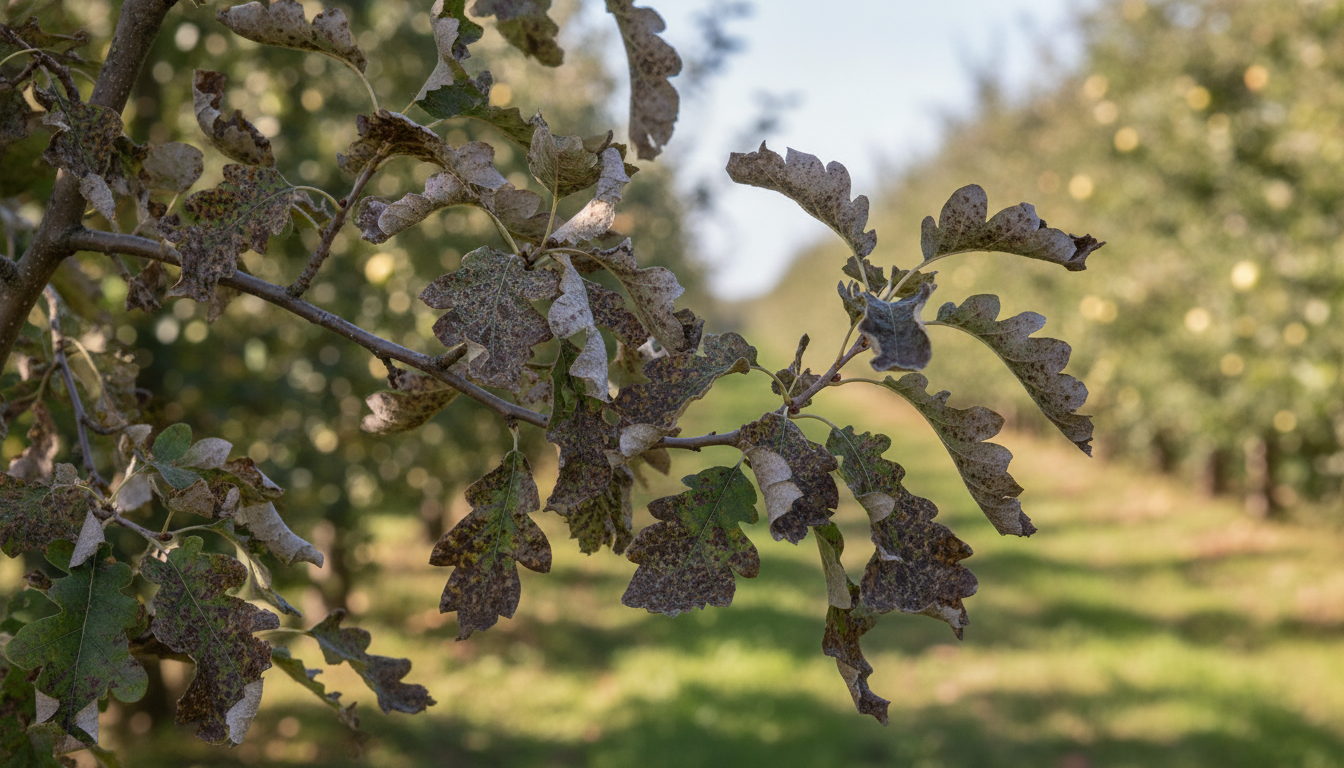
Oak trees are magnificent, long-lived sentinels in our landscapes, providing shade, beauty, and habitat. However, like all living things, they are susceptible to various ailments. Understanding oak tree diseases is crucial for any homeowner who wants to protect these valuable assets. Early identification and appropriate action can often save a beloved oak, preventing irreversible damage and maintaining its grandeur for generations to come.
As Senior Plant Care Editor for plantdiseaseapp.com, I regularly help gardeners decipher the mysteries of ailing plants. Oak tree diseases can be particularly daunting due to the size and longevity of these trees, but with the right knowledge, you can become a proactive steward of your oaks. This guide will walk you through the most common diseases, how to diagnose them, and effective strategies for treatment and prevention.
Understanding Why Oak Trees Get Sick
Oak trees, despite their robust appearance, face a variety of threats from fungi, bacteria, and environmental stressors. Several factors contribute to their susceptibility:
- Stress: Drought, overwatering, poor soil, nutrient deficiencies, compaction, and physical injury (e.g., from lawnmowers) weaken a tree’s natural defenses, making it more vulnerable to pathogens.
- Environmental Conditions: Prolonged periods of wetness can encourage fungal growth, while extreme temperatures can stress trees.
- Pathogen Spread: Many diseases spread through spores carried by wind and rain, or through insect vectors, contaminated pruning tools, or root grafts between trees.
- Tree Age and Species: Older trees can be more susceptible to certain issues, and different oak species (red oaks, white oaks) exhibit varying levels of resistance or susceptibility to specific diseases.
Being aware of these underlying factors is the first step in maintaining a healthy oak tree.
Common Oak Tree Diseases: Symptoms and Causes
Let’s delve into some of the most prevalent diseases affecting oak trees, focusing on what to look for and what causes them.
Oak Wilt (Bretziella fagacearum)
Oak Wilt is perhaps the most devastating disease for oaks, particularly those in the red oak group (e.g., Northern Red Oak, Scarlet Oak, Pin Oak). White oaks (e.g., White Oak, Bur Oak) are more resistant but can still be affected.
- Symptoms:
- Red Oaks: Rapid wilting and browning of leaves, starting from the top of the tree and progressing downwards. Leaves often turn dull green or bronze before browning, typically starting at the leaf margins. Defoliation occurs quickly, often within weeks. A distinct vascular streaking (brown discoloration) may be visible in the outer sapwood when bark is peeled back.
- White Oaks: Symptoms are slower to develop, often affecting individual branches over several years. Leaves may wilt, turn yellow or brown, and drop prematurely.
- Fungal Mats: In late stages, especially on red oaks, fungal mats (pressure pads) may form under the bark, often causing bark cracks and emitting a fruity smell that attracts beetles.
- Causes: Caused by the fungus Bretziella fagacearum. It spreads primarily through root grafts between adjacent oak trees (especially within 50 feet) and by sap-feeding beetles (picnic beetles) that carry spores from infected trees to fresh wounds on healthy trees.
- Impact: Highly lethal to red oaks, often killing them within a single growing season. White oaks can succumb over several years.
Anthracnose (Apiognomonia quercina)
Anthracnose is a common fungal disease that can affect a variety of trees, including oaks, especially during cool, wet spring weather.
- Symptoms: Irregular brown spots on leaves, often concentrated along veins. These spots can enlarge, merge, and cause leaf distortion, curling, and premature leaf drop. Twig cankers and dieback may also occur, particularly on lower branches.
- Causes: Caused by the fungus Apiognomonia quercina. Spores overwinter in fallen leaves and twig cankers, then spread in wet spring conditions.
- Impact: While unsightly, Anthracnose rarely kills mature, otherwise healthy oak trees. Repeated severe infections can weaken young trees or those already stressed.
Powdery Mildew (Erysiphe spp.)
Powdery mildew is easily recognizable and affects many plant species. On oaks, it’s particularly common on young leaves and new growth.
- Symptoms: White, powdery patches on the surface of leaves, stems, and sometimes acorns. Leaves may become distorted, curled, or stunted.
- Causes: Caused by various species of fungi, primarily Erysiphe. It thrives in humid conditions with moderate temperatures, often without the need for standing water.
- Impact: Usually not fatal to mature oaks, but severe infections can weaken young trees, reduce photosynthesis, and impact aesthetics. For a deeper dive into this common issue, check out our article on powdery mildew on plants or explore our powdery mildew topic page.
Leaf Spot Diseases (Various Fungi)
Many different fungi can cause leaf spots on oak trees, leading to similar symptoms.
- Symptoms: Small, circular to irregular spots on leaves. These spots can be brown, black, or tan, often with a darker border. Severe infections can lead to premature leaf drop.
- Causes: A diverse group of fungi, often favored by wet conditions.
- Impact: Generally cosmetic, rarely threatening the life of a mature oak. However, significant defoliation year after year can stress a tree. If you’re seeing brown spots, our guide on brown spots on plant leaves and a general overview of leaf spot disease can provide more context.
Bacterial Leaf Scorch (Xylella fastidiosa)
Bacterial Leaf Scorch (BLS) is a systemic disease that can affect many tree species, including oaks (especially red oaks).
- Symptoms: Leaves develop a “scorch” or browning along the margins, often with a distinct yellow or reddish band separating the brown tissue from the green. Symptoms typically appear in late summer and progress inward. Affected branches may show premature defoliation. Symptoms worsen year after year.
- Causes: Caused by the bacterium Xylella fastidiosa, which clogs the water-conducting tissues (xylem) of the tree. It is spread by sap-feeding insects like leafhoppers.
- Impact: Chronic and progressive, leading to branch dieback and eventually tree decline over many years. There is no known cure, making management focused on slowing its progression.
Root Rot (Phytophthora spp., Armillaria spp.)
Root rot is a serious issue that affects the tree’s ability to absorb water and nutrients.
- Symptoms: General decline of the tree, including stunted growth, small or yellowing leaves, wilting foliage even when soil is moist, and premature leaf drop. In severe cases, branches may die back. You may also notice fungal growth (mushrooms) around the base of the tree.
- Causes: Caused by various soil-borne fungi (e.g., Phytophthora, Armillaria) that thrive in poorly drained, waterlogged soils. Overwatering is a major contributing factor.
- Impact: Can be fatal if left untreated, as the roots are essential for tree survival. For more information on this devastating condition, read our article on root rot.
Canker Diseases (Various Fungi and Bacteria)
Cankers are localized dead areas on branches, twigs, or the trunk.
- Symptoms: Sunken, discolored areas on bark, often with cracks or oozing sap. Leaves on affected branches may wilt, yellow, and die back.
- Causes: Caused by various fungi and bacteria that enter through wounds in the bark (e.g., from pruning, insect damage, mechanical injury).
- Impact: Can girdle branches, leading to dieback. On the main trunk, cankers can weaken the tree structurally and eventually kill it.
Diagnosing Oak Tree Problems
Accurate diagnosis is the cornerstone of effective treatment. Misdiagnosis can lead to wasted effort, unnecessary chemical applications, and continued decline of your tree.
Step-by-Step Observation
- Examine the Entire Tree: Start with a general assessment. Is the entire canopy affected, or just specific branches?
- Inspect Leaves: Look for discoloration, spots, wilting, curling, or premature drop. Note the pattern of symptoms. Are they on old leaves or new growth?
- Check Twigs and Branches: Look for dieback, cankers, unusual growths, or insect activity. Scrape a small bit of bark off a dying twig to look for discolored wood underneath.
- Examine the Trunk: Look for cracks, oozing sap, fungal fruiting bodies, or signs of insect borers.
- Assess the Base and Roots: Check for mushrooms, root damage, or girdling roots. Evaluate the soil for drainage issues or compaction.
- Consider the Environment: Think about recent weather patterns (drought, heavy rains), any construction nearby, or changes in watering habits.
When you notice your tree looking like a sick plant, a systematic approach to observation is crucial. For a broader understanding of how to diagnose plant problems, we have a detailed guide.
Using Technology for Diagnosis
Modern tools can significantly aid in preliminary diagnosis. When you spot concerning symptoms on your oak, take clear photos of the affected leaves, bark, and overall tree. Then, use an app like the Plant Disease Identifier on your iPhone. Simply snap a picture of the symptoms, and the app’s AI can provide instant insights into potential diseases, causes, and treatment suggestions. It’s an excellent first step to narrow down possibilities, though remember that AI is informational and not a substitute for professional agricultural diagnosis. Many find it to be the best plant disease identifier app for quick insights.
When to Call a Professional
While our app and this guide offer valuable information, some situations absolutely warrant a certified arborist or plant pathologist:
- Suspected Oak Wilt: This disease requires immediate and professional intervention.
- Large, Mature Trees: Treating or pruning large trees can be dangerous and requires specialized equipment and expertise.
- Uncertain Diagnosis: If you’re unsure what’s wrong or if symptoms persist despite your efforts.
- Severe Decline: If your tree shows rapid or severe decline, indicating a serious underlying issue.
- Structural Concerns: If the tree appears to be structurally compromised, posing a safety risk.
Treatment Strategies for Oak Diseases
Treatment approaches vary significantly depending on the disease. Always aim for the least invasive methods first.
General Principles
- Sanitation: Remove and properly dispose of infected plant material (leaves, twigs, branches) to reduce the source of fungal spores. Do not compost diseased material.
- Pruning: Carefully prune out diseased branches. Always sterilize pruning tools with a 10% bleach solution or rubbing alcohol between cuts and between trees to prevent spreading pathogens.
- Improve Air Circulation: Thinning the canopy can improve air circulation, which helps reduce humidity and makes conditions less favorable for fungal diseases like powdery mildew and anthracnose.
Organic and Cultural Approaches
Many diseases can be managed or prevented through good cultural practices:
- Proper Watering: Ensure your oak receives adequate water, especially during dry periods. Deep, infrequent watering is better than shallow, frequent watering. Avoid overwatering, which contributes to root rot.
- Soil Health: Improve soil drainage, aeration, and fertility. A 2-4 inch layer of organic mulch (like wood chips) over the root zone (but kept away from the trunk) helps retain moisture, regulate soil temperature, and improve soil structure.
- Nutrition: Provide balanced fertilization based on soil test results. Over-fertilizing can sometimes promote lush, susceptible growth.
- Stress Reduction: Protect the trunk from mechanical injury (lawnmowers, weed whackers). Avoid soil compaction around the root zone.
- Resistant Varieties: When planting new oaks, choose species or cultivars known to be resistant to common local diseases.
When Fungicides Help
Fungicides are chemical treatments designed to prevent or cure fungal diseases. They are most effective when applied preventatively or at the very early stages of a disease.
- Anthracnose/Leaf Spots: Fungicides are generally not recommended for these diseases on mature oaks unless the tree is severely defoliated year after year or is a young, vulnerable specimen. Cultural practices are usually sufficient.
- Powdery Mildew: Organic fungicides like neem oil or sulfur can be effective. Chemical fungicides are rarely needed for mature trees.
- Oak Wilt: Systemic fungicides (e.g., propiconazole) can be injected into the tree as a preventative measure for high-value trees adjacent to infected ones, or to extend the life of white oaks already infected. They are not a cure for red oaks.
- Application: Always follow product label instructions precisely regarding mixing, application, and safety precautions. Overuse or improper application can be harmful to the tree, environment, and beneficial organisms.
Important Note: Fungicides are specific to fungal diseases. They will not help with bacterial diseases (like Bacterial Leaf Scorch) or environmental issues.
Preventing Oak Tree Diseases
Prevention is always better than cure, especially for long-lived trees like oaks.
Proper Planting
- Site Selection: Choose a location with adequate space for the tree’s mature size, good drainage, and appropriate sunlight exposure for the oak species.
- Planting Depth: Plant at the correct depth, ensuring the root flare is visible at or slightly above soil level.
- Species Selection: Select oak species that are well-suited to your local climate and soil conditions, and consider disease resistance.
Watering and Nutrition
- Establishment Watering: Young trees need consistent watering for the first 2-3 years to establish a strong root system.
- Mature Tree Watering: Mature oaks generally tolerate dry conditions once established but benefit from deep watering during prolonged droughts.
- Balanced Nutrition: A healthy tree with proper nutrients is more resilient to disease. Conduct a soil test every few years to determine nutrient needs.
Pruning Practices
- Timing: The most critical prevention measure for Oak Wilt is to avoid pruning oaks from April to July when the sap-feeding beetles that spread the disease are most active. If you must prune during this time, immediately seal the wounds with a tree wound dressing. The best time for general oak pruning is during the dormant season (late fall to winter).
- Technique: Make clean cuts, avoid leaving stubs, and prune for good structure and air circulation. Remove dead, diseased, or damaged branches promptly.
Mulching
- Apply a 2-4 inch layer of organic mulch (wood chips, shredded bark) in a broad ring around the base of the tree, extending to the drip line if possible.
- Keep mulch a few inches away from the trunk to prevent moisture buildup and rot.
- Mulch helps retain soil moisture, suppress weeds, regulate soil temperature, and prevent mechanical injury.
Avoiding Bark Injury
- Be careful with lawnmowers, string trimmers, and other equipment around the tree’s base. Wounds provide entry points for pathogens.
Common Mistakes Home Gardeners Make
Even with the best intentions, mistakes can happen. Being aware of these common pitfalls can help you avoid them.
- Misdiagnosis: Assuming all brown leaves mean the same thing. Symptoms can be similar across different diseases or even environmental stresses. For example, while you might see similar leaf spots on your roses or even your tomatoes, the specific pathogens affecting oak trees require unique approaches. A general understanding of plant disease is good, but specificity for oaks is vital.
- Overwatering/Underwatering: Both extremes stress oaks. Overwatering leads to root rot, while underwatering can cause drought stress, making trees vulnerable.
- Improper Pruning: Pruning at the wrong time (especially during Oak Wilt season without sealing wounds) or using unsterilized tools can spread disease. Leaving stubs or making flush cuts also harms the tree.
- Ignoring Early Symptoms: Waiting until a disease is advanced makes treatment much harder, and sometimes impossible. Early intervention is key.
- Applying Chemicals Incorrectly: Using the wrong type of fungicide, applying it at the wrong concentration, or at the wrong time can be ineffective and potentially harmful. Always read and follow label instructions.
- Planting the Wrong Oak for the Site: Choosing an oak species that isn’t suited to your soil, climate, or available space will lead to a stressed, disease-prone tree.
Disclaimer
The information provided in this article, including insights from the Plant Disease Identifier app, is for educational and informational purposes only. It is not intended to be a substitute for professional agricultural or arboricultural advice, diagnosis, or treatment. Always seek the advice of a qualified arborist or plant pathologist for any questions you may have regarding the health of your oak trees, especially when dealing with serious or rapidly progressing diseases. The AI in our app is a helpful tool for preliminary identification but cannot provide a definitive professional diagnosis.
Conclusion
Protecting your majestic oak trees from disease requires a combination of vigilance, knowledge, and timely action. By understanding the common oak tree diseases, learning to recognize their symptoms, and implementing effective prevention and treatment strategies, you can help ensure your oaks remain healthy, vibrant, and a cherished part of your landscape for many years to come. Remember, a healthy tree is a resilient tree. Keep observing, learning, and don’t hesitate to call in the experts when needed.
