

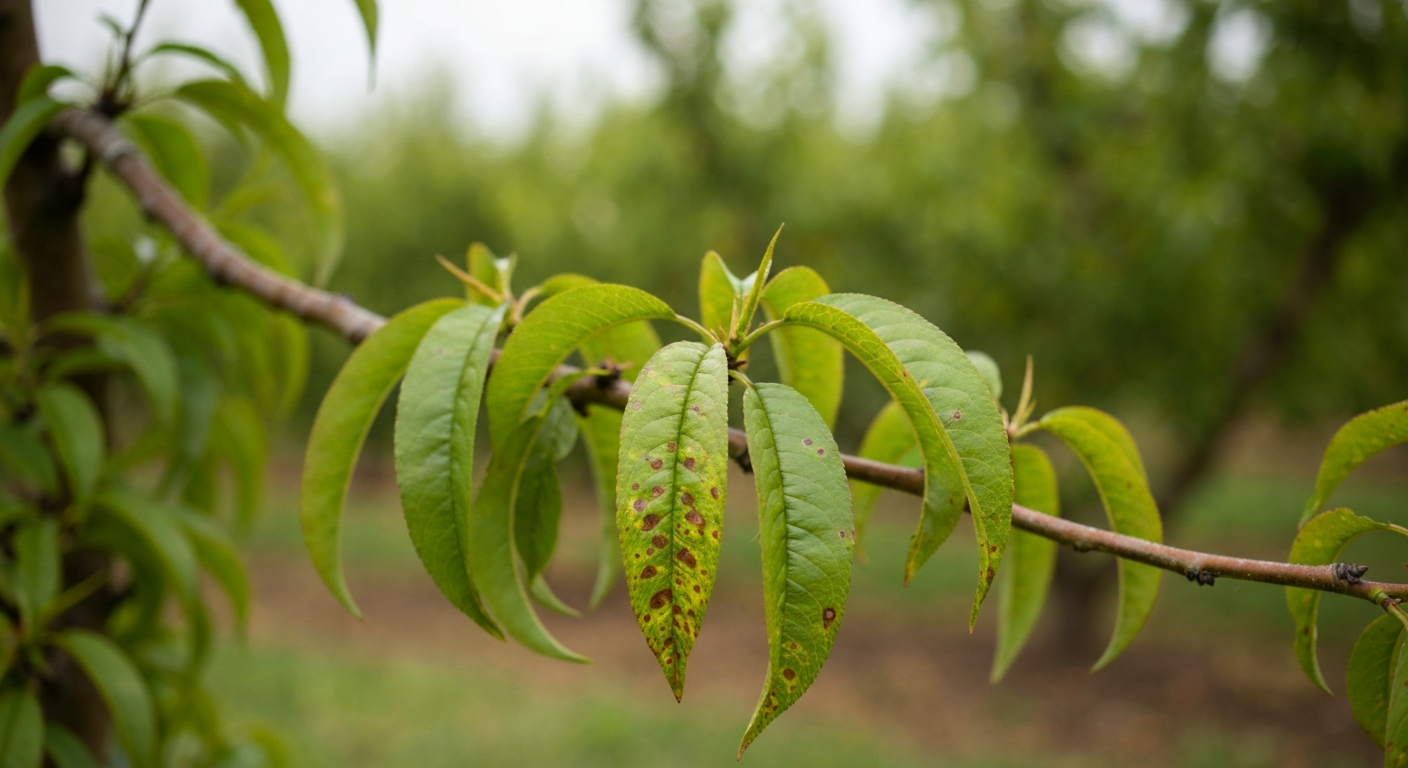
For many home gardeners, the sight of distorted, reddish, and blistered leaves on their beloved peach trees can be a disheartening experience. This common affliction, known as peach leaf curl, is caused by a persistent fungus and can significantly impact the health and productivity of your tree. Understanding effective peach leaf curl treatment strategies is crucial for maintaining a thriving orchard and enjoying a bountiful harvest. While it might seem daunting, with the right knowledge and timely action, you can successfully manage and prevent this disease.
What is Peach Leaf Curl?
Peach leaf curl is a fungal disease primarily affecting peach and nectarine trees, though it can occasionally appear on almonds. It’s caused by the fungus Taphrina deformans, which thrives in cool, wet conditions typical of early spring. The disease is characterized by the distinct deformation of new leaves as they emerge, leading to their eventual defoliation. While not typically fatal to mature trees, severe infections can weaken the tree, reduce fruit production, and make it more susceptible to other stressors or diseases. For young trees, a bad case of leaf curl can be much more serious, potentially stunting growth or even killing the plant if left unchecked.
Recognizing the Symptoms of Peach Leaf Curl
Early identification is paramount for effective management. Peach leaf curl symptoms are quite distinctive and usually appear shortly after new leaves emerge in spring.
Here’s what to look for:
- Distorted, Thickened Leaves: The most obvious symptom is a puckering or bubbling of the leaves, causing them to become thickened and curled. Instead of lying flat, they appear crinkled and misshapen.
- Color Changes: Infected leaves often develop vibrant red, pink, or purple hues, though they can also appear yellowish-green. These colors are particularly noticeable on the blistered areas.
- Blistering: Raised, blister-like swellings appear on the leaf surface, corresponding to depressions on the underside.
- Powdery Coating: In later stages, a grayish-white, velvety or powdery coating may develop on the surface of infected leaves. This is the fungal spores developing.
- Premature Leaf Drop: Severely infected leaves will typically turn yellow or brown and fall off prematurely, often by early summer. This defoliation can be significant, sometimes affecting the majority of the tree’s foliage.
- Stunted Shoots and Twigs: While less common, the fungus can sometimes infect young shoots and twigs, causing them to swell, become distorted, and potentially die back.
- Reduced Fruit Set: Trees with severe leaf curl may produce fewer flowers or have a poor fruit set due to the stress of defoliation. Any fruit that does develop might be smaller or have surface lesions.
If you observe these symptoms, especially the characteristic puckering and discoloration, it’s highly likely your peach tree is suffering from leaf curl. Don’t confuse these symptoms with other issues that might cause brown spots on plant leaves or a general leaf spot disease, as peach leaf curl has a very specific appearance.
The Culprit: Taphrina deformans
The fungus Taphrina deformans is the sole cause of peach leaf curl. Unlike many fungal diseases that spread via spores released from current infections, Taphrina deformans is a bit different. It overwinters as spores (called ascospores and conidia) in protected areas on the tree, such as bark crevices, around bud scales, and on stem surfaces.
When temperatures are cool (between 50-70°F / 10-21°C) and moisture is present (from rain or prolonged dew) in early spring, as new leaves begin to emerge, these overwintering spores germinate. They then infect the nascent leaf tissue before the leaves fully unfold. Once infected, the fungus grows within the leaf tissue, causing the cells to multiply abnormally, leading to the characteristic distortion and blistering. As the season progresses and temperatures rise, the fungus produces more spores on the surface of the infected leaves, which are then dispersed by wind and rain to overwinter on other parts of the tree, completing its life cycle.
Why Does My Peach Tree Get Leaf Curl? Understanding the Causes
Understanding why your peach tree is susceptible to leaf curl is crucial for effective prevention and treatment. It’s a combination of environmental conditions and tree factors:
- Cool, Wet Spring Weather: This is the primary driver. The fungus thrives in temperatures between 50-70°F (10-21°C) combined with prolonged periods of moisture (rain, fog, heavy dew). If these conditions persist for several days or weeks during bud break and early leaf development, the chances of infection are high.
- Lack of Dormant Season Protection: The fungus overwinters on the tree. If preventative sprays aren’t applied during the dormant season, the spores are ready to infect as soon as conditions are right in spring.
- Susceptible Varieties: Not all peach and nectarine varieties are equally susceptible. Some older or less disease-resistant cultivars are more prone to infection.
- Tree Stress: While not a direct cause, a tree already stressed by poor nutrition, inadequate watering (leading to issues like root rot), or other diseases might be more vulnerable to severe defoliation and a slower recovery from leaf curl.
- Proximity to Infected Trees: If there are other untreated peach or nectarine trees in the vicinity with leaf curl, the spores can easily spread to your tree.
Essentially, peach leaf curl is a disease of opportunity, waiting for the perfect cool, wet spring conditions to launch its attack.
Diagnosing Peach Leaf Curl: Your First Steps
Accurate diagnosis is the first step in any sick plant scenario. Fortunately, peach leaf curl has very distinct symptoms, making it relatively easy to identify.
- Visual Inspection: As soon as new leaves emerge in spring, regularly inspect your peach tree. Look for the tell-tale signs: puckered, thickened, discolored (red, pink, purple, or yellow-green) leaves with blisters.
- Timing of Symptoms: Note that symptoms only appear on newly developing leaves in spring. Later in the season, new growth emerging after the initial infection period will typically be healthy, as the fungus is less active in warmer, drier weather.
- Rule Out Other Issues: While unique, it’s always good to briefly consider if it could be something else. For example, some insect damage can cause leaf distortion, but it typically won’t have the same thickened, blistered appearance or vibrant coloration. Nutrient deficiencies might cause discoloration but not the characteristic puckering. If you’re unsure, or if your tree exhibits other unusual symptoms, you can always take a photo of the affected leaves. Photographing the symptoms with your iPhone and using a plant disease identifier app can provide a quick, AI-powered preliminary diagnosis, helping you to diagnose plant problems more effectively. Remember, AI is for informational purposes and not a substitute for professional agricultural advice.
Once you’ve confirmed it’s peach leaf curl, you can move on to treatment and, more importantly, prevention for future seasons.
Effective Peach Leaf Curl Treatment Strategies
Once peach leaf curl symptoms appear on the leaves, those specific infected leaves cannot be cured. The fungus is already inside the leaf tissue. Therefore, treatment during the growing season is primarily about managing the current infection’s impact and protecting new, healthy growth. The most critical and effective treatments are preventative, applied during the dormant season.
1. Pruning Infected Leaves (During Growing Season)
If only a small number of leaves are affected, you can carefully hand-pick and destroy them. This helps reduce the number of spores that could potentially overwinter on the tree.
- Method: Gently remove infected leaves or prune off heavily infected shoot tips.
- Disposal: Do NOT compost infected leaves. Bag them and dispose of them in the trash to prevent the fungus from spreading.
- Caution: If a large percentage of the tree is infected, removing too many leaves can stress the tree further. Focus on sanitation and supporting the tree’s health instead of aggressive pruning.
2. Organic and Cultural Controls (Year-Round)
These practices support overall tree health and can reduce the severity of infections.
- Sanitation: In fall, after all leaves have dropped, rake up and dispose of any fallen leaves (especially if they were infected). This removes overwintering spores from the vicinity of the tree.
- Watering: Ensure your tree receives adequate water, especially during dry spells. A well-hydrated tree is better equipped to recover from stress. Avoid overhead watering that keeps foliage wet for extended periods, as this can encourage other fungal issues like powdery mildew on plants.
- Nutrition: Fertilize your tree appropriately based on soil tests. A healthy tree with good vigor can better withstand and recover from disease.
- Dormant Oil (Organic Option): While not a fungicide for leaf curl, dormant oil sprays can smother some overwintering insect eggs and fungal spores, contributing to overall tree health and potentially reducing inoculum for various plant diseases. Apply according to product instructions during the dormant season.
- Copper-based Fungicides (Organic & Conventional): Bordeaux mixture or other fixed copper formulations are highly effective and are approved for organic gardening.
- Timing is Key: Apply in late fall after leaf drop (around November-December) AND again in late winter/early spring before bud swell (usually February-March, before green tissue is visible). These dormant sprays are crucial because they coat the tree surfaces, killing the overwintering spores before they can infect new leaves.
- Application: Thoroughly cover all bark surfaces, branches, and dormant buds. Ensure complete coverage for maximum effectiveness.
3. When Fungicides Are Necessary (Dormant Season)
For consistent control, especially in areas with a history of leaf curl, preventative fungicide applications are the most reliable method.
- Types of Fungicides:
- Copper-based Fungicides: (e.g., Bordeaux mixture, copper hydroxide, copper sulfate). These are broad-spectrum fungicides, effective against Taphrina deformans. They are often preferred by home gardeners due to their efficacy and relative safety when used as directed.
- Chlorothalonil: A synthetic fungicide that is also highly effective against peach leaf curl. It works similarly to copper by coating the tree surfaces and killing overwintering spores.
- Critical Application Timing:
- Fall Application: The first crucial spray should be applied in late fall, after all leaves have dropped from the tree. This targets the spores that have settled on the tree’s bark and buds for winter.
- Late Winter/Early Spring Application: A second, equally important spray should be applied in late winter or very early spring, before the buds begin to swell and show any green tissue. This is your last chance to protect the emerging leaves. Once green tissue is visible, it’s too late for effective preventative spraying for that season’s infection, as the fungus will have already penetrated the new leaf cells.
- Application Tips:
- Always read and follow the manufacturer’s instructions for mixing ratios, application rates, and safety precautions.
- Apply on a calm day to prevent drift, and ensure thorough coverage of all branches, twigs, and dormant buds.
- Avoid spraying when rain is expected within 24-48 hours, as it can wash away the product.
Prevention is Key: Stopping Peach Leaf Curl Before It Starts
Because treatment is largely preventative, focusing on stopping peach leaf curl before it appears is the most effective long-term strategy.
1. Timely Dormant Sprays
As detailed above, this is the cornerstone of prevention. Mark your calendar for late fall and late winter/early spring. Consistent application during these windows will dramatically reduce or eliminate leaf curl.
2. Choosing Resistant Varieties
When planting new peach or nectarine trees, select varieties known for their resistance to Taphrina deformans. While no variety is entirely immune, some show significantly less susceptibility.
- Resistant Peach Varieties: ‘Frost’, ‘Q-1-8’, ‘Indian Free’, ‘Muir’, ‘Charlotte’, ‘Oregon Curlfree’.
- Resistant Nectarine Varieties: ‘Fantasia’ (moderate resistance). Consult with your local nursery or extension office for varieties that perform well in your specific climate zone.
3. Good Tree Hygiene and Cultural Practices
- Sanitation: Remove and destroy all fallen leaves and fruit, especially those that show signs of disease. This reduces the fungal load around the tree.
- Pruning: Maintain an open canopy through proper pruning. This improves air circulation, which can help leaves dry faster, making the environment less hospitable for fungal growth. Prune during the dormant season, after your fungicide application.
- Watering: Water at the base of the tree to avoid wetting foliage. Use drip irrigation or soaker hoses.
- Fertilization: Provide balanced nutrition to support vigorous growth. A healthy tree is more resilient.
- Mulching: Apply a layer of organic mulch around the base of the tree (keeping it away from the trunk) to conserve moisture, regulate soil temperature, and suppress weeds.
Common Mistakes to Avoid in Peach Leaf Curl Treatment
Even with the best intentions, gardeners can sometimes make errors that reduce the effectiveness of their efforts.
- Spraying Too Late: The most common mistake. Once the leaves have emerged and show symptoms, it’s too late for a fungicide to work on those leaves. Fungicides are preventative, not curative for existing infections.
- Incomplete Coverage: Missing parts of the tree during dormant sprays leaves areas where spores can survive and initiate infection. Thorough coverage is essential.
- Ignoring Sanitation: Leaving infected leaves on the ground allows the fungus to overwinter and re-infect the tree the following spring.
- Not Spraying Annually: Peach leaf curl is an annual problem in susceptible climates. Skipping a year of dormant sprays, even after a season with no symptoms, can lead to a severe outbreak the next spring.
- Using the Wrong Product: Applying a general insecticide or an ineffective fungicide will not control Taphrina deformans. Ensure you are using a product specifically labeled for peach leaf curl or Taphrina deformans.
- Spraying in the Rain: Applying fungicides when rain is imminent will result in the product being washed off before it can be effective. Choose a dry, calm day.
- Over-reliance on Pruning: While removing a few infected leaves can help, aggressively pruning a heavily infected tree during the growing season can cause more stress than benefit. Focus on dormant sprays for control.
Seasonal Treatment & Prevention Calendar
Here’s a simplified calendar to guide your peach leaf curl management:
| Season | Timing | Key Actions |
|---|---|---|
| Fall | After leaf drop (November-December) | Crucial Dormant Spray 1: Apply copper-based fungicide or chlorothalonil. Rake and dispose of all fallen leaves. |
| Winter | Dormant season | Plan for next year’s planting if considering resistant varieties. Ensure proper pruning for air circulation (after fungicide application). |
| Late Winter / Early Spring | Before bud swell (February-March, before green tissue) | Crucial Dormant Spray 2: Apply copper-based fungicide or chlorothalonil. This is your last chance for preventative treatment. |
| Spring | After bud break, leaf emergence | Monitor for symptoms. If symptoms appear, hand-pick only lightly infected leaves. Focus on tree health (watering, nutrition). No effective curative sprays for current season’s infected leaves. |
| Summer | Growing season | Maintain tree health. Water deeply and regularly. Ensure good air circulation. Support tree vigor to help it recover from any early season defoliation and produce healthy new growth. |
Maintaining a Healthy Peach Tree Year-Round
Beyond specific peach leaf curl treatment, overall tree health is your best defense against a myriad of problems, including other common fruit tree issues like powdery mildew on plants or tomato plant diseases if you have other edibles.
- Soil Health: Healthy soil is the foundation of a healthy tree. Conduct a soil test every few years to understand nutrient levels and pH, and amend as needed.
- Proper Pruning: Prune annually during the dormant season to remove dead, diseased, or crossing branches, and to maintain an open canopy for good air circulation and light penetration.
- Pest Management: Regularly inspect your tree for signs of insect pests. Address infestations promptly using appropriate organic or conventional methods.
- Watering: Provide consistent, deep watering, especially during dry periods and when fruit is developing.
- Fertilization: Feed your tree according to its needs, typically in early spring, to support vigorous growth and fruit production.
By integrating these practices with your targeted peach leaf curl prevention strategy, you’ll ensure your peach tree remains robust, productive, and a joy to have in your garden.
Conclusion
Peach leaf curl can be a frustrating challenge for home gardeners, but it is a manageable one. The key to successful peach leaf curl treatment lies in understanding the disease’s lifecycle and implementing timely preventative measures, particularly dormant season fungicide applications. While infected leaves cannot be cured, a proactive approach with proper sanitation, cultural care, and well-timed sprays will protect your tree’s new growth, ensure a healthy canopy, and lead to a more abundant harvest. Don’t let the sight of crinkled leaves deter you; with consistent effort, your peach tree can thrive.
Disclaimer: This information is for educational and informational purposes only and does not constitute professional agricultural or horticultural advice. While AI-powered tools like the Plant Disease Identifier app can assist in preliminary diagnosis, always consult with a certified arborist or local agricultural extension office for specific recommendations tailored to your situation.