

Peonies are the undisputed queens of the late spring garden. Their opulent, fragrant blooms transform any landscape into a visual feast, signaling the joyous arrival of warmer days. But even these majestic beauties have their Achilles’ heel, and for many gardeners, that nemesis is peony botrytis blight. This pervasive fungal disease can quickly turn the promise of bountiful blooms into a disheartening display of withered buds and blackened stems.
As Senior Plant Care Editor for plantdiseaseapp.com, I understand the frustration and concern that comes with seeing your beloved plants suffer. This comprehensive guide is designed to empower you, the home gardener, with the knowledge and practical strategies needed to identify, treat, and most importantly, prevent peony botrytis blight, ensuring your peonies thrive for years to come. We’ll delve into the precise symptoms, uncover the environmental triggers, walk through effective treatment steps, and highlight crucial preventative measures to keep this fungal foe at bay.
Understanding Peony Botrytis Blight: The Fungal Foe
Peony botrytis blight, often simply called “blight,” is primarily caused by the fungus Botrytis paeoniae. In some cases, the more common Botrytis cinerea, also known as gray mold, can also infect peonies. This pathogen is an opportunistic killer, lying in wait for the perfect conditions to strike. It thrives in cool, wet, and humid environments, making spring and early summer its prime time for activity.
The fungus overwinters in plant debris, such as old leaves, stems, and fallen petals, as well as in the soil. When spring arrives with its characteristic rains and moderate temperatures, the dormant spores become active. Splashing water, wind, and even garden tools can spread these spores to healthy plant tissue. Once established, the fungus rapidly colonizes succulent new growth, buds, and flowers, leading to the characteristic wilting, browning, and fuzzy gray mold that defines this disease. Understanding its lifecycle is the first step in breaking its hold on your cherished peonies.
Recognizing the Enemy: Symptoms of Peony Botrytis Blight
Early detection is paramount when dealing with peony botrytis blight. The symptoms can vary depending on the plant part affected and the stage of the disease, but they are generally distinctive. Pay close attention to your peonies, especially during periods of cool, damp weather.
Symptoms on Young Shoots and Stems
- Blackening and Wilting: One of the earliest and most dramatic signs is when young, emerging shoots turn black at the base and then wilt, collapsing to the ground. This often gives the appearance of “damping-off.”
- Water-Soaked Lesions: Dark, water-soaked spots can appear on stems, particularly near the soil line or where leaves attach. These lesions quickly expand, girdling the stem and causing the portion above to droop and die.
- Fuzzy Gray Mold: In very humid conditions, a characteristic fuzzy gray mold may be visible on the blackened or rotting stem tissue.
Symptoms on Buds
- Browning and Failure to Open: Buds, especially those that are just beginning to swell, may turn brown, become soft, and fail to open. They might feel mushy to the touch.
- Blackening: The entire bud can turn black and rot before it has a chance to develop into a flower.
- Gray Mold: Again, under high humidity, a tell-tale gray fungal fuzz can cover the affected buds.
Symptoms on Leaves
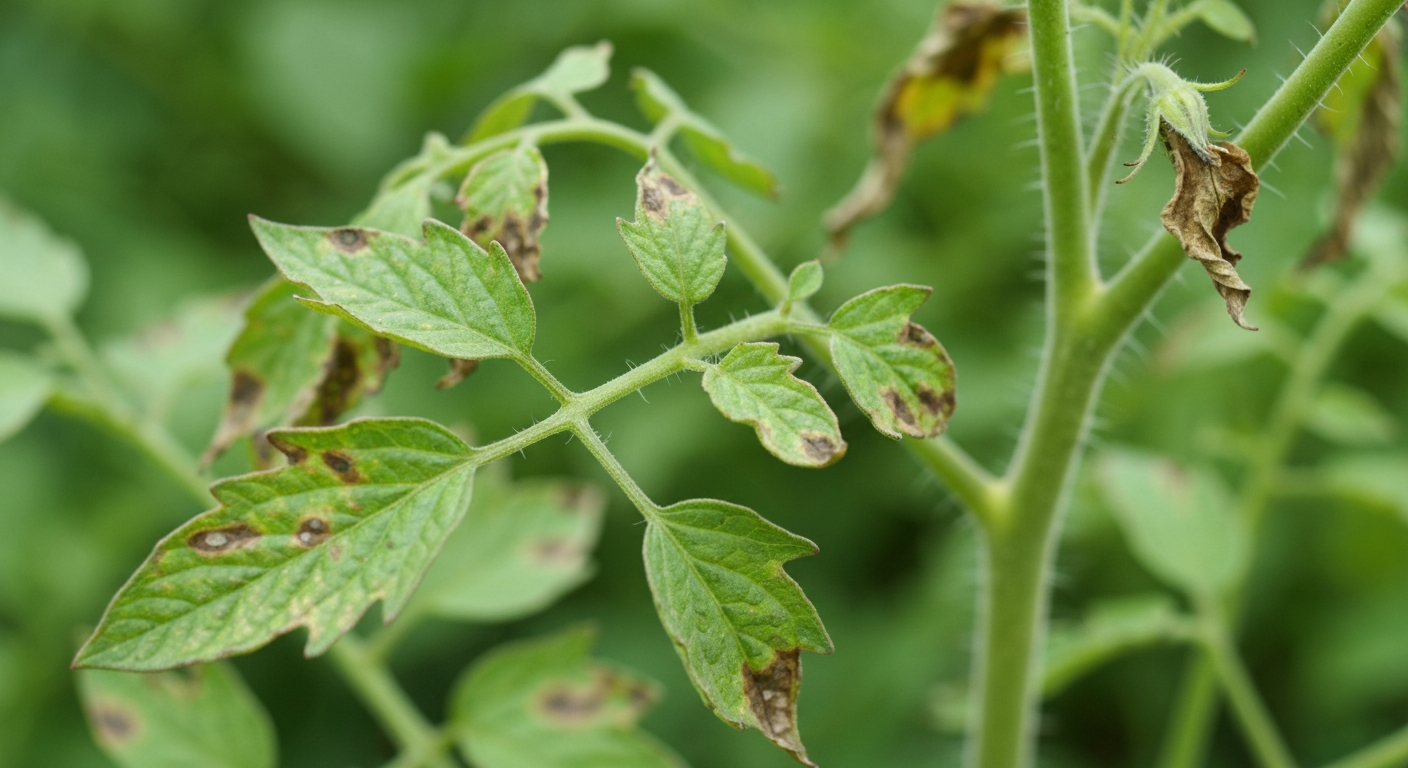
- Irregular Brown Spots: Leaves can develop irregular, reddish-brown to dark brown spots, often starting at the margins or tips. These spots may have a purplish border.
- Expanding Lesions: These spots can enlarge rapidly, covering significant portions of the leaf blade.
- Leaf Blight: Severely affected leaves may shrivel, turn brown, and develop the characteristic gray mold, particularly on the undersides or in sheltered areas. This can sometimes be confused with other issues like brown spots on plant leaves or leaf spot disease, but the accompanying stem and bud symptoms are key differentiators.
Symptoms on Flowers
- Browning and Petal Blight: As flowers open, individual petals or entire blooms can develop water-soaked, brownish spots. These spots quickly expand, leading to a general browning and decay of the flower.
- Soft Rot: Infected flowers become soft and mushy, losing their structure.
- Fuzzy Gray Mold: This is often most noticeable on decaying flowers, covering the petals and inner parts with a dense, velvety gray fuzz.
Overall Plant Appearance
- Stunted Growth: Infected plants may appear generally unhealthy, with stunted growth and fewer, smaller blooms.
- General Decline: Severe infections can lead to a significant decline in plant vigor, potentially weakening the plant for future seasons.
To help you quickly assess your peony, here’s a symptom checklist:
| Symptom Category | Specific Indicators |
|---|---|
| Young Shoots/Stems | Blackening at base, wilting, collapsing, dark water-soaked spots |
| Buds | Browning, softening, failure to open, blackening |
| Leaves | Irregular brown/reddish spots, expanding lesions, shriveling |
| Flowers | Water-soaked brown spots on petals, soft rot, general browning |
| Key Identifier | Fuzzy gray mold on any affected part (especially in humidity) |
When and Where: Seasonal Timing and Regional Notes
Peony botrytis blight is a disease of opportunity, heavily influenced by environmental conditions. Understanding its seasonal timing and regional prevalence is crucial for effective prevention and treatment.
Seasonal Timing
The prime time for botrytis blight activity on peonies is spring and early summer. This period typically brings:
- Cool to moderate temperatures: Ideal for fungal growth, generally between 50-70°F (10-21°C).
- Frequent rainfall or high humidity: Moisture is essential for spore germination and infection. Prolonged periods of wetness on plant surfaces are a major trigger.
- New, tender growth: Young shoots and emerging buds are particularly susceptible as their tissues are soft and easily penetrated by fungal spores.
The disease often appears just as peonies are beginning their vigorous spring growth, continuing through the budding and flowering stages. As temperatures rise and humidity drops in mid-to-late summer, the disease typically becomes less active, though spores can persist in the environment.
Regional Considerations
Regions that experience cool, wet springs are particularly prone to peony botrytis blight. This includes:
- Pacific Northwest (USA): Known for its prolonged rainy season and mild temperatures, creating ideal conditions.
- Northeastern USA and parts of the Midwest: Spring weather can be highly variable, with periods of heavy rain and cool temperatures providing ample opportunities for outbreaks.
- Parts of Europe and Canada: Similar climatic conditions in many temperate zones make botrytis blight a common concern.
Gardeners in these areas, or those experiencing an unusually wet spring, should be especially vigilant. Conversely, areas with hot, dry springs may see fewer instances of the disease, though localized humidity (e.g., from overhead irrigation or dense planting) can still create favorable microclimates.
The Root Causes: Why Peonies Get Botrytis Blight
Understanding the “why” behind an infection is as important as knowing the “what.” Peony botrytis blight isn’t just bad luck; it’s often a confluence of environmental factors and cultural practices that create the perfect storm for the fungus.
Environmental Factors
- High Humidity and Wetness: This is the number one driver. Prolonged periods of leaf wetness (from rain, dew, or overhead irrigation) allow fungal spores to germinate and infect plant tissues. High ambient humidity keeps plant surfaces moist.
- Poor Air Circulation: Dense plantings, proximity to walls or other plants, and lack of pruning can restrict airflow around peony plants. Stagnant air traps moisture, creating a humid microclimate that encourages fungal growth.
- Cool Temperatures: As mentioned, Botrytis paeoniae thrives in cooler temperatures (50-70°F / 10-21°C), which are common during spring.
Cultural Practices
- Overcrowding: Planting peonies too close together, or having them overshadowed by other dense vegetation, significantly impedes air circulation.
- Improper Watering: Overhead watering, especially in the evening, leaves foliage wet for extended periods, providing an ideal environment for spore germination.
- Excessive Nitrogen Fertilization: While nitrogen is essential for lush green growth, too much can produce soft, succulent new tissue that is more susceptible to fungal penetration and disease.
- Poor Garden Sanitation: Allowing infected plant debris (leaves, stems, spent flowers) to remain in the garden provides a reservoir for fungal spores to overwinter and re-infect plants the following season.
- Planting Too Deep: Peonies prefer to be planted with their “eyes” (buds) no more than 1-2 inches below the soil surface. Planting them deeper can stress the plant and make it more vulnerable.
- Damaged Plant Tissue: Wounds from pests, mechanical injury (e.g., weeding, hail), or even weak growth can provide entry points for the fungus.
Pathogen Survival
- Sclerotia: The Botrytis fungus can form small, hard, black structures called sclerotia, which are essentially survival capsules. These can overwinter in soil or plant debris for several years, waiting for favorable conditions to release spores.
- Mycelium: The fungal threads (mycelium) can also survive in infected plant material that remains in the garden.
By addressing these underlying causes, you can significantly reduce the risk and severity of botrytis blight in your peony patch.
Diagnosis Steps: Confirming Botrytis Blight
Accurate diagnosis is the cornerstone of effective plant disease management. While the symptoms of peony botrytis blight are often quite distinct, it’s always good to follow a methodical approach to confirm your suspicions and avoid misdiagnosis. Many sick plant symptoms can look similar, so a thorough check is essential.
-
Observe Closely: Start by carefully inspecting your peony plants. Look for the specific symptoms detailed earlier: blackened shoots, browning buds, irregular spots on leaves, and decaying flowers. Pay particular attention to the base of the stems and any areas where moisture might accumulate.
-
Look for the Fuzzy Gray Mold: This is the most definitive sign of botrytis blight. In humid conditions, you’ll often see a soft, fuzzy, gray-brown mold growing on the surface of infected tissues, particularly on decaying buds, flowers, or stems. If you don’t see it immediately, gently cup your hand around an affected area for a few minutes; the increased humidity might encourage its appearance.
-
Check for Stem Girdling: Gently feel the base of wilting stems. If they are soft, mushy, or show dark, sunken lesions, it strongly suggests a stem rot characteristic of botrytis.
-
Consider Environmental Conditions: Reflect on the recent weather. Has it been cool and wet? High humidity? These conditions strongly favor botrytis blight.
-
Differentiate from Other Issues:
- Root Rot: While botrytis can cause stem rot, root rot typically presents with overall plant wilting and yellowing, often without the distinct fuzzy gray mold or specific bud/flower blight. Digging a little to inspect roots (they’d be soft and black) would confirm root rot.
- Other Leaf Spot Diseases: Peonies can get other leaf spot diseases, but these usually lack the stem and bud blight components, and often don’t have the fuzzy gray mold.
- Pest Damage: Insect damage might cause wilting or disfigured growth, but it won’t produce the characteristic fungal mold.
- Environmental Stress: Drought stress can cause wilting, but the plant tissue will be dry, not mushy, and there will be no mold.
-
Utilize Technology: If you’re unsure, or want a second opinion, consider using a tool like the Plant Disease Identifier app on iPhone. You can photograph the symptoms on your peony, and the app’s AI can provide an informational diagnosis and suggest potential solutions. Remember, AI tools are fantastic for narrowing down possibilities and providing guidance, but they are not a substitute for professional agricultural advice. They offer a great starting point for diagnose plant problems.
By combining careful observation with an understanding of typical symptoms and environmental factors, you can confidently confirm the presence of peony botrytis blight.
Prevention is Key: Stopping Botrytis Before It Starts
An ounce of prevention is worth a pound of cure, especially with fungal diseases like botrytis blight. Proactive measures are the most effective way to protect your peonies and minimize the need for reactive treatments.
1. Site Selection and Planting
- Sunny Location: Plant peonies in a location that receives at least 6 hours of direct sunlight daily. Sun helps dry foliage quickly after rain or dew.
- Well-Drained Soil: Ensure your soil drains well. Peonies hate wet feet, which can stress the plant and make it more susceptible to disease. Amend heavy clay soils with organic matter to improve drainage.
- Proper Spacing: Give your peonies ample room to grow. Space them at least 3-4 feet apart to ensure good air circulation around and between plants. This is critical for preventing the humid microclimates that botrytis loves.
2. Watering Techniques
- Water at the Base: Always water your peonies at the soil level, avoiding overhead irrigation. This keeps the foliage dry, significantly reducing the opportunity for fungal spores to germinate.
- Morning Watering: If you must water, do it in the morning. This allows any accidental wetting of foliage to dry out completely before evening, preventing prolonged leaf wetness overnight.
3. Sanitation: The Golden Rule
- Spring Clean-up: In early spring, before new growth emerges, thoroughly clean up any lingering plant debris from the previous season around your peonies. This removes overwintering fungal spores.
- Fall Clean-up: This is perhaps the most critical preventative step. After the first hard frost, cut back all peony stems to ground level. Collect and destroy all plant material – leaves, stems, and any fallen petals. Do not compost infected material, as the spores can survive and reinfect your garden. Bag it for municipal waste or burn it if local regulations allow.
- Remove Infected Parts Immediately: At the first sign of blight during the growing season, promptly prune out and destroy any affected shoots, buds, leaves, or flowers. Don’t wait!
- Sterilize Tools: Always sterilize your pruning shears or scissors with a 10% bleach solution or rubbing alcohol between cuts, especially when removing diseased material. This prevents inadvertently spreading spores to healthy parts of the plant or to other plants.
4. Pruning and Airflow Management
- Strategic Pruning: Remove any lower leaves that are touching the soil, as these are more prone to splashing spores. Thin out the center of very dense plants to improve air circulation, but avoid over-pruning, which can stress the plant.
- Support Structures: Use peony rings or stakes to support heavy blooms. This keeps flowers and foliage off the ground, promoting better airflow and preventing contact with soil-borne spores.
5. Fertilization
- Balanced Nutrition: Provide a balanced fertilizer in spring, but avoid excessive nitrogen. Too much nitrogen encourages lush, soft growth that is more susceptible to disease. A balanced fertilizer (e.g., 5-10-5 or 5-10-10) is generally recommended.
6. Variety Selection
- While no peony is completely immune, some varieties may show greater tolerance to fungal diseases due to their growth habit (e.g., more open, less dense foliage). Research varieties known to perform well in your specific climate.
By diligently implementing these preventative measures, you can create an environment where your peonies can flourish, free from the shadow of botrytis blight.
Step-by-Step Treatment: What to Do When Blight Strikes
Despite the best preventative efforts, sometimes botrytis blight still manages to appear. When it does, prompt and decisive action is crucial to minimize its spread and impact.
Immediate Action: Containment and Sanitation
- Isolate and Prune: As soon as you spot any symptoms (blackened shoots, browning buds, fuzzy mold), immediately prune off the affected plant parts. Cut well below the visible signs of disease, into healthy tissue.
- Destroy Infected Material: Gather all pruned material and dispose of it properly. Do not put it in your compost pile. Bag it for the trash or burn it if permitted.
- Sterilize Tools: After each cut into diseased material, sterilize your pruning shears with a 10% bleach solution (1 part bleach to 9 parts water) or rubbing alcohol. This is critical to avoid spreading spores to healthy parts of the plant or to other plants.
- Improve Air Circulation: If plants are overcrowded, consider selectively removing some non-essential stems or surrounding vegetation to enhance airflow. Ensure any support structures are allowing good air movement.
Organic Approaches
For gardeners who prefer to avoid synthetic chemicals, several organic options can be effective, particularly for early-stage infections or as part of a preventative routine.
- Beneficial Microbes: Products containing beneficial fungi (e.g., Trichoderma harzianum) or bacteria (e.g., Bacillus subtilis) can help suppress Botrytis by competing for resources or producing antifungal compounds. These are often best applied preventatively or at the very first sign of disease.
- Copper-Based Fungicides: Organic-approved copper fungicides can be used, but generally offer more preventative than curative action. They work by creating a protective barrier on plant surfaces. Apply according to label instructions, especially during wet periods.
- Sulfur-Based Fungicides: Similar to copper, sulfur can have fungicidal properties. It’s often used preventatively and can help suppress fungal growth. Be mindful of temperature, as sulfur can cause phytotoxicity (plant burn) in very hot weather.
- Horticultural Oils: While primarily used for insect control, some horticultural oils can have limited fungicidal properties by suffocating spores. Their effectiveness against established botrytis blight is generally low, but they can be part of a broader preventative strategy.
Chemical Fungicides (When Necessary)
When the disease is persistent, widespread, or weather conditions are highly conducive to blight, chemical fungicides may be necessary. Always read and follow product labels precisely, paying attention to application rates, timing, and safety precautions.
- Active Ingredients: Look for fungicides with active ingredients effective against Botrytis, such as:
- Chlorothalonil: A broad-spectrum protectant fungicide.
- Thiophanate-methyl: A systemic fungicide that can be absorbed by the plant.
- Iprodione: Another contact fungicide (note: resistance can be an issue with repeated use of single-site fungicides).
- Newer options: Always check with your local garden center or extension office for the latest recommendations and available products in your area.
- Application Timing: Fungicides are most effective when applied preventatively, before symptoms appear, or at the very first sign of disease, especially during periods of cool, wet weather. Multiple applications may be necessary, typically at 7-14 day intervals, as long as conditions favor disease development.
- Coverage: Ensure thorough coverage of all susceptible plant parts, especially new growth, buds, and flowers.
- Rotation: To prevent the development of fungicide resistance, it’s a good practice to rotate between fungicides with different active ingredients (different FRAC codes).
Here’s a summary table of treatment options:
| Treatment Type | Best Use Case | Effectiveness | Notes |
|---|---|---|---|
| Pruning/Sanitation | Immediate response to visible symptoms | High | Essential first step. Remove ALL infected parts; sterilize tools; DO NOT compost. |
| Improve Airflow | Ongoing cultural practice, immediate adjustment | High | Critical for prevention and slowing spread. Thin plants, use supports. |
| Beneficial Microbes | Prevention, very early stage, organic approach | Moderate | Works best preventatively by building plant defenses or competing with pathogens. |
| Copper Fungicides | Prevention, early stage, organic approach | Moderate | Forms a protective barrier. Reapply after rain. Can cause residue. |
| Sulfur Fungicides | Prevention, early stage, organic approach | Moderate | Similar to copper. Avoid use in high heat. |
| Chemical Fungicides | Moderate to severe infection, persistent problems | High | Use as directed on label. Rotate active ingredients to prevent resistance. Apply preventatively during high-risk periods. |
Remember, no single treatment is a magic bullet. A combination of diligent sanitation, improved cultural practices, and targeted treatments (organic or chemical) offers the best chance to manage and overcome peony botrytis blight. For general plant disease issues, a multi-pronged approach is always best.
Common Mistakes to Avoid
Even experienced gardeners can make mistakes when battling plant diseases. Being aware of these common pitfalls can help you avoid them and ensure your efforts are effective.
- Overwatering or Overhead Watering: This is perhaps the most frequent mistake. Keeping foliage consistently wet, especially in the evening, creates an ideal breeding ground for Botrytis. Always water at the base of the plant in the morning.
- Planting Peonies Too Deep: Peony “eyes” (buds) should be planted no more than 1-2 inches below the soil surface. Deeper planting can stress the plant, leading to poor flowering and increased susceptibility to disease.
- Ignoring Early Symptoms: Botrytis blight can spread rapidly. Delaying action when you first spot a blackened shoot or browning bud allows the fungus to establish itself more firmly, making treatment much harder.
- Not Sanitizing Tools: Using unsterilized pruning shears to cut diseased material and then healthy tissue is a surefire way to spread the fungus throughout your garden. Always sterilize between cuts.
- Composting Infected Material: Throwing infected peony stems or leaves into your compost pile is like giving the fungus a five-star hotel for the winter. The spores will survive and return to haunt your garden. Always destroy diseased material.
- Overcrowding Plants: Planting peonies too close together, or allowing them to become engulfed by surrounding vegetation, severely restricts air circulation. This traps humidity and encourages blight. Ensure adequate spacing.
- Excessive Nitrogen Fertilizer: While nitrogen promotes green growth, too much can lead to soft, lush foliage that is more vulnerable to fungal attack. Use a balanced fertilizer or one higher in phosphorus and potassium.
- Relying Solely on Fungicides: Fungicides are tools, not solutions in isolation. If you don’t address the underlying cultural and environmental issues (like poor air circulation or watering habits), the blight will likely return, regardless of fungicide applications.
- Misidentifying the Problem: Assuming every brown spot or wilted leaf is botrytis blight can lead to incorrect treatments. Take time to accurately diagnose the problem, using resources like this guide or a plant disease app. For instance, powdery mildew on plants looks very different and requires different treatment, as do tomato plant diseases.
- Giving Up Too Soon: Managing fungal diseases requires persistence. Don’t get discouraged if the blight doesn’