
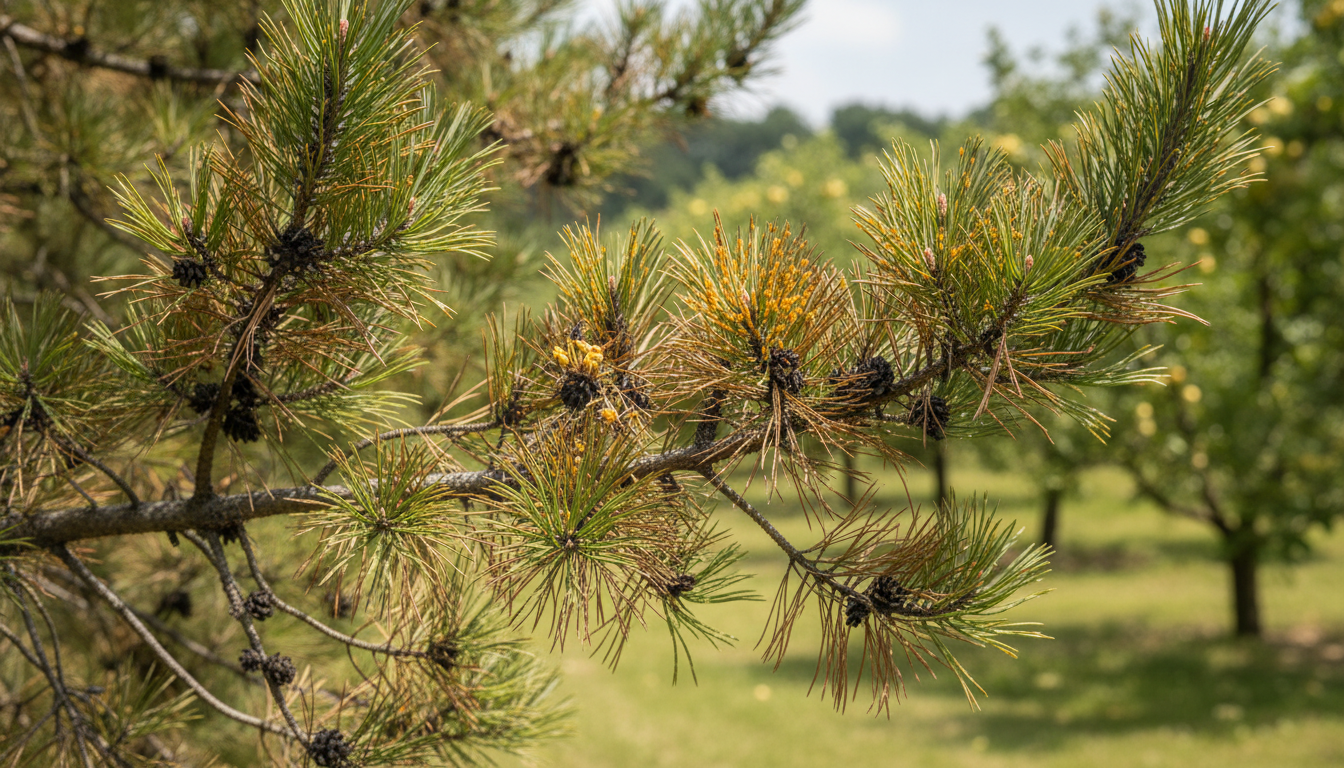
Pine trees are iconic symbols of strength and longevity in many landscapes, providing shade, beauty, and often a comforting scent. However, like all living organisms, they are susceptible to various ailments. Understanding pine tree diseases is crucial for any home gardener or homeowner who wants to protect these valuable assets. Early detection and proper management can mean the difference between a thriving specimen and a tree lost to illness. This guide will walk you through identifying common pine tree diseases, understanding their causes, and implementing effective treatment and prevention strategies to keep your pines healthy for years to come.
Understanding Pine Tree Health and Disease
Pine trees are generally robust, but when environmental conditions become unfavorable or pathogens are introduced, their health can decline rapidly. Diseases in pine trees are primarily caused by fungi, bacteria, or nematodes, often exacerbated by environmental stress, poor cultural practices, or insect activity. Recognizing the subtle signs of distress early on is your best defense.
Common Pine Tree Diseases and Their Symptoms
Let’s dive into some of the most prevalent diseases affecting pine trees, focusing on what to look for.
1. Needle Blights (e.g., Dothistroma, Lophodermium)
Needle blights are a group of fungal diseases that primarily affect pine needles, leading to discoloration and premature shedding. They are among the most common issues for various pine species.
-
Dothistroma Needle Blight:
- Symptoms: Starts with yellowish spots or bands on needles, often turning reddish-brown. The tips of the needles may remain green for a time while the bases turn brown. Eventually, the entire needle browns and drops prematurely, often starting from the lower branches and working its way up. Small, black fungal fruiting bodies might be visible on dead areas of the needles.
- Affected Species: Austrian, Ponderosa, Lodgepole, and Scots pines are particularly susceptible.
- Causes: Caused by the fungus Mycosphaerella pini (anamorph Dothistroma septosporum). Spores are spread by wind and rain, thriving in wet conditions.
-
Lophodermium Needle Cast:
- Symptoms: Needles (typically 1-year-old or older) turn yellow or reddish-brown in late spring or early summer, eventually browning entirely and shedding. Black, football-shaped fungal fruiting bodies (hysterothecia) develop on dead needles, usually with a distinct line down the center.
- Affected Species: Scots pine is highly susceptible, but it can affect others.
- Causes: Caused by the fungus Lophodermium seditiosum. Similar to Dothistroma, it thrives in prolonged wet periods.
2. Sphaeropsis (Diplodia) Tip Blight and Canker
This widespread fungal disease primarily affects stressed pine trees, causing dieback of new shoots and branches.
- Symptoms: New candles (young shoots) become stunted, turn brown, and die, often with needles remaining attached. Small, black fruiting bodies (pycnidia) are visible at the base of infected needles or on cones. Cankers (sunken lesions) may form on branches, leading to dieback and excessive resin flow. Repeated infections can cause overall tree decline and disfigurement.
- Affected Species: Austrian, Scots, Ponderosa, and Mugo pines are highly vulnerable.
- Causes: Caused by the fungus Sphaeropsis sapinea (formerly Diplodia pinea). Spores are released during wet weather and infect new growth or wounds. Trees stressed by drought, hail, or insect damage are more susceptible.
3. Pine Wilt (Nematode Disease)
Pine wilt is a devastating disease caused by a microscopic worm (nematode) that is spread by the pine sawyer beetle. It can lead to rapid tree death.
- Symptoms: Needles suddenly turn grayish-green, then yellow, and finally brown, typically within a few months. The entire tree often dies rapidly, sometimes within a single growing season. Unlike some blights, all needles on the tree brown simultaneously, and they tend to remain on the branches even after death.
- Affected Species: Scots pine is extremely susceptible, but Austrian, Japanese black, and other pines can also be affected.
- Causes: Caused by the pine wood nematode (Bursaphelenchus xylophilus), which clogs the tree’s water-conducting tissues. The nematode is transmitted by the pine sawyer beetle, which feeds on healthy pines and lays eggs in diseased or dead pines.
4. Root Rot
While often associated with other plants, root rot is a significant problem for pine trees, especially in poorly drained or overwatered conditions.
- Symptoms: General decline of the tree, including yellowing or browning of needles, stunted growth, reduced vigor, and premature needle drop. The tree may appear to be suffering from drought even when watered. In severe cases, the bark at the base of the trunk may show signs of decay, and the roots themselves will be soft, black, and mushy when examined.
- Affected Species: All pine species can be affected, but those planted in heavy clay soils or low-lying areas are most at risk.
- Causes: Caused by various soil-borne fungi (e.g., Phytophthora, Armillaria) that thrive in anaerobic (oxygen-deprived) conditions created by excessive soil moisture. Overwatering, poor drainage, and compacted soil are primary contributors.
5. White Pine Blister Rust
This serious fungal disease affects five-needle pines and requires an alternate host (currants and gooseberries, Ribes species) to complete its life cycle.
- Symptoms: On pine trees, look for cankers (swollen, elongated lesions) on branches or the main trunk, often accompanied by excessive resin flow. In spring, orange blisters (aecia) erupt from these cankers, releasing spores. Needles may turn yellow and die back above the cankers. Over time, girdling cankers can kill branches or the entire tree.
- Affected Species: Eastern white pine and other five-needle pines.
- Causes: Caused by the fungus Cronartium ribicola. Spores from infected Ribes plants infect pine needles, where the fungus grows into the bark, forming cankers.
Pinpointing the Problem: Diagnosis Steps
Diagnosing a pine tree disease can be challenging because symptoms can sometimes mimic those of insect infestations, nutrient deficiencies, or environmental stress. Here’s a systematic approach to help you diagnose plant problems:
-
Observe the Entire Tree:
- Pattern of Symptoms: Are symptoms localized to one branch, the lower canopy, or distributed throughout the tree? Is it affecting new growth, old growth, or both?
- Needle Health: Look for brown spots on plant leaves, yellowing, browning, premature dropping, or unusual growths. Is it just the tips, the bases, or the entire needle?
- Bark and Branches: Check for cankers, cracks, excessive sap flow, discoloration, or fungal growths.
- Overall Vigor: Is the tree stunted, growing slowly, or showing a general decline compared to previous years or nearby healthy pines?
-
Examine Environmental Factors:
- Watering: Has the tree received too much or too little water recently? Is the soil consistently soggy or bone dry? Poor drainage is a common culprit for sick plant issues.
- Soil: What type of soil is it (clay, sandy, loam)? Is it compacted? Does water drain well?
- Sunlight: Is the tree getting appropriate sunlight for its species?
- Recent Changes: Have there been any recent construction activities, changes in irrigation, or severe weather events (drought, heavy rain, hail)?
-
Check for Pests: Many insect infestations can cause symptoms similar to diseases. Look for insects themselves, webbing, frass (insect droppings), or chewing damage. Sometimes, a tree can have both a pest problem and a disease.
-
Utilize Technology: When you’re unsure, our Plant Disease Identifier app on your iPhone can be an invaluable tool. Simply photograph the affected parts of your pine tree, and the app provides instant potential diagnoses and care recommendations. It’s an excellent first step for understanding what might be going on, offering insights beyond generic plant disease information.
-
When to Call a Professional: If symptoms are severe, widespread, or persist despite your efforts, it’s wise to consult a certified arborist or a local extension office. They can provide a definitive diagnosis and recommend specific treatments, especially for large, valuable trees. Remember, our AI is for informational purposes and does not replace professional agricultural or medical advice.
Causes of Pine Tree Diseases
Understanding the underlying causes is crucial for effective treatment and prevention.
- Environmental Stress: Drought, excessive moisture, temperature extremes, nutrient deficiencies, and soil compaction weaken a tree’s natural defenses, making it more susceptible to pathogens.
- Poor Cultural Practices:
- Improper Planting: Planting too deep or in unsuitable soil conditions.
- Incorrect Watering: Overwatering or underwatering.
- Improper Pruning: Pruning at the wrong time of year or using unsterilized tools can create wounds that allow pathogens entry.
- Damage: Wounds from lawnmowers, string trimmers, or construction can be entry points for diseases.
- Pathogen Introduction: Spores or bacteria can be carried by wind, rain, insects, birds, or contaminated gardening tools.
- Tree Age and Health: Older or already stressed trees are often more vulnerable to diseases.
Effective Treatment Strategies
Once a disease is identified, a targeted approach is necessary. Treatments can range from organic cultural practices to specific chemical applications.
Organic Approaches and Cultural Practices
For many diseases, especially fungal ones, improving cultural conditions is the first and most effective line of defense.
- Pruning: Carefully prune out all infected branches, cankers, and dead wood. Make clean cuts back to healthy wood. Always sterilize your pruning tools with a 10% bleach solution or rubbing alcohol between cuts and between trees to prevent spreading the disease. This is especially vital for diseases like Sphaeropsis tip blight.
- Sanitation: Rake up and dispose of all fallen needles and diseased plant material. These can harbor spores and reinfect the tree. Do not compost diseased material.
- Improve Air Circulation: If trees are planted too closely, consider thinning to improve airflow, which helps dry out needles and reduces fungal growth.
- Proper Watering: Ensure the tree receives adequate water during dry periods, but avoid overwatering. Allow the soil to dry slightly between waterings. Consider drip irrigation to deliver water directly to the root zone without wetting the needles, which can encourage fungal growth.
- Soil Health: Improve soil drainage if necessary by amending with organic matter or creating raised beds. A 2-4 inch layer of organic mulch (like pine bark or shredded leaves) around the base of the tree (keeping it a few inches away from the trunk) can help retain moisture, regulate soil temperature, and suppress weeds.
- Nutrient Management: Perform a soil test to determine if any nutrient deficiencies exist. Provide balanced fertilization if recommended, but avoid excessive nitrogen, which can promote lush, susceptible new growth.
When Fungicides Help
Fungicides are chemical treatments designed to control fungal diseases. They are generally most effective when applied preventatively or at the very early stages of infection. They typically do not cure existing damage but protect new growth.
- Specific Diseases: Fungicides can be effective against needle blights (Dothistroma, Lophodermium) and Sphaeropsis tip blight, particularly when applied to protect new candles as they emerge.
- Timing is Crucial: For needle blights, applications are often needed in spring or early summer when new needles are expanding and conditions are favorable for spore dispersal. For Sphaeropsis, applications might target bud break and new shoot elongation.
- Read Labels Carefully: Always follow the manufacturer’s instructions for mixing, application rates, and safety precautions. Over-application can be harmful to the tree and the environment.
- Professional Application: For large trees, professional application may be necessary to ensure complete coverage.
- Limitations: Fungicides are ineffective against diseases caused by nematodes (like Pine Wilt) or bacterial infections. They are also generally a last resort for home gardeners due to potential environmental impact and the need for precise timing.
Prevention is Key: Keeping Your Pines Healthy
Preventing diseases is always easier and more cost-effective than treating them.
- Choose the Right Pine Species: Select pine varieties that are well-suited to your local climate and soil conditions, and consider those with known resistance to common diseases in your area. For example, if White Pine Blister Rust is prevalent, avoid planting susceptible five-needle pines.
- Proper Planting: Plant pines at the correct depth, ensuring the root collar is level with or slightly above the soil surface. Provide adequate spacing between trees to allow for good air circulation as they mature.
- Water Wisely: Provide consistent moisture, especially during dry spells, but avoid overwatering. Ensure excellent soil drainage.
- Mulch Appropriately: Apply a 2-4 inch layer of organic mulch around the tree, extending to the drip line, but keep it several inches away from the trunk to prevent moisture buildup and potential collar rot.
- Prune with Care: Prune dead, damaged, or diseased branches as soon as they are noticed. Prune during dry weather to minimize the risk of disease transmission. Always sterilize pruning tools.
- Sanitation: Regularly clean up fallen needles, cones, and debris from under your trees.
- Monitor Regularly: Make it a habit to inspect your pine trees frequently for any signs of distress. Early detection, perhaps by photographing symptoms with a plant disease identifier app, is your best defense.
- Avoid Injury: Protect tree trunks from mechanical damage caused by lawnmowers, string trimmers, or construction equipment.
Common Mistakes Home Gardeners Make
Even experienced gardeners can make mistakes that compromise their pine trees’ health.
- Misdiagnosis: Assuming all needle browning is the same disease. Different diseases require different treatments. For instance, treating a bacterial infection with a fungicide is futile, just as applying a fungicide won’t help with root rot caused by poor drainage. This is where tools like our Plant Disease Identifier app can really help narrow down possibilities.
- Improper Watering: Both overwatering and underwatering can stress pines and make them vulnerable. Overwatering, especially in heavy soils, is a prime cause of root rot.
- Ignoring Early Symptoms: Waiting until a disease is advanced before taking action significantly reduces the chances of successful treatment.
- Incorrect Pruning: Pruning healthy branches unnecessarily or pruning at the wrong time can stress the tree or open wounds to infection.
- Not Sterilizing Tools: Using unsterilized pruning shears can spread pathogens from one part of the tree to another, or from one tree to another.
- Over-reliance on Chemicals: Thinking fungicides are a cure-all. They are often preventative and work best in conjunction with good cultural practices.
Conclusion
Pine trees are magnificent additions to any landscape, offering year-round beauty and environmental benefits. By understanding the common pine tree diseases, recognizing their symptoms early, and implementing proactive prevention and treatment strategies, you can help ensure your pines remain vibrant and healthy. Regular observation, good cultural practices, and knowing when to seek professional help are your best allies in this endeavor. Keep your tools clean, your trees watered appropriately, and your eyes peeled for any signs of trouble, and your pines will reward you with decades of stately presence.
