

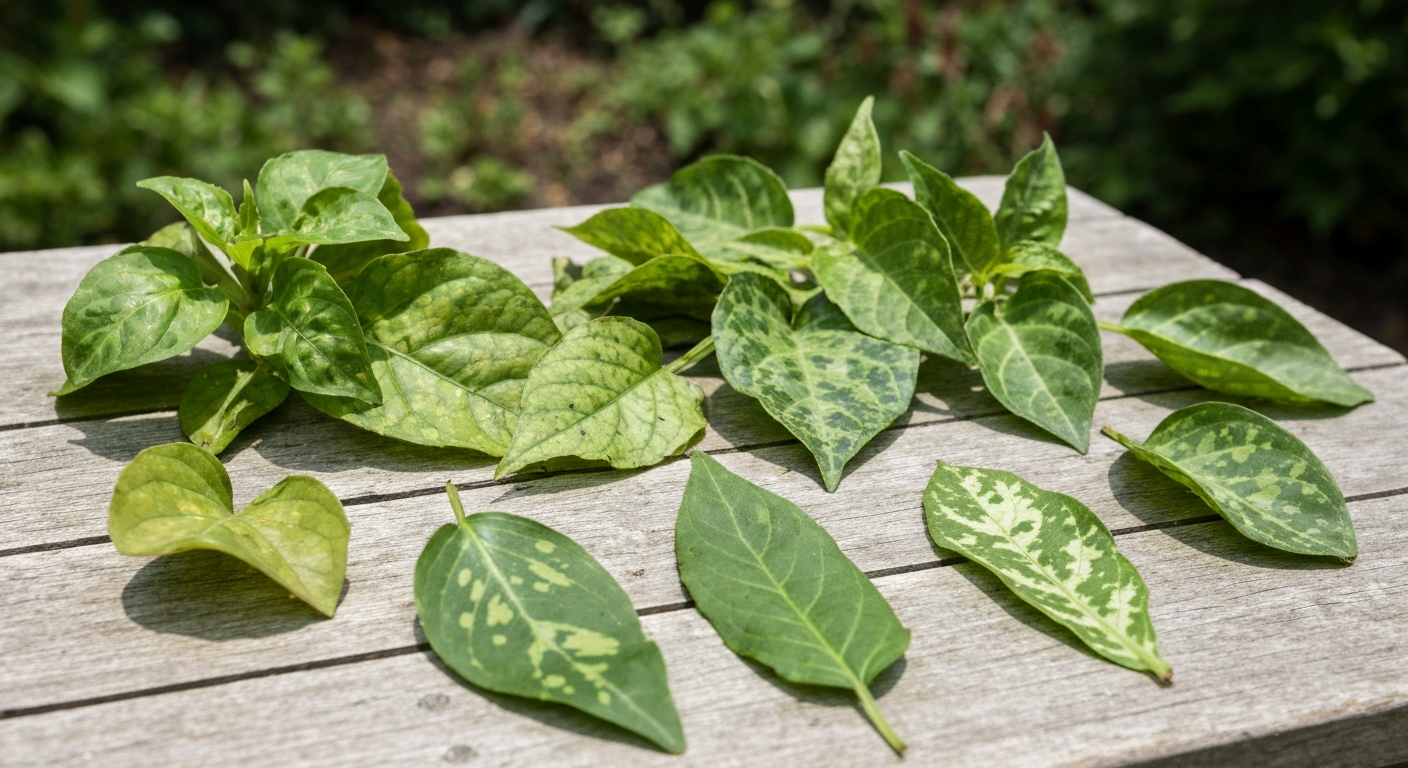
Every gardener, from novice to seasoned expert, eventually faces the disheartening sight of a plant in distress. Leaves yellowing, spots appearing, growth stunting – these are all cries for help. Becoming a proficient plant problem identifier is one of the most valuable skills you can cultivate, empowering you to diagnose issues quickly and provide the right care to bring your green companions back to health. This comprehensive guide will equip you with the knowledge and tools to understand, identify, and address common plant ailments.
Why Identifying Plant Problems is Crucial for Garden Health
Early and accurate identification of plant problems is paramount. A delay in diagnosis can mean the difference between saving a prized plant and losing it entirely, or worse, allowing a disease or pest infestation to spread to other healthy plants in your garden. Knowing what you’re dealing with ensures you apply the correct treatment, avoiding unnecessary or harmful interventions that could further stress your plant. It’s not just about rescuing one plant; it’s about maintaining the overall health and vitality of your entire garden ecosystem.
The Art of Observation: What to Look For
Becoming a good plant problem identifier starts with keen observation. Don’t just glance; scrutinize. A systematic approach helps ensure you don’t miss subtle clues.
Inspecting Leaves
Leaves are often the first place symptoms appear.
- Color Changes:
- Yellowing (Chlorosis): Can indicate nutrient deficiency (especially nitrogen), overwatering, underwatering, root damage, or certain diseases. Is it uniform, or are veins green?
- Browning/Crisping: Often a sign of underwatering, sunburn, excessive fertilizer, or root issues.
- Purple Tinge: Often phosphorus deficiency, especially in cooler temperatures.
- Reddish Hues: Can be a sign of stress, nutrient deficiency, or normal pigmentation for some varieties.
- Spots and Lesions:
- Brown Spots on Plant Leaves: Can be leaf spot disease, sun scald, or fungal infections. Look at shape, size, and whether there’s a halo.
- Black Spots: Common in roses (black spot on roses), can also be bacterial or fungal.
- White Spots/Powdery Growth: A classic sign of powdery mildew on plants.
- Water-soaked Lesions: Often indicative of bacterial infections.
- Deformities and Growth Abnormalities:
- Curling/Distortion: Can be pest damage (aphids, thrips), viral infections, or herbicide drift.
- Wilting: A common symptom of underwatering, overwatering (root rot), stem damage, or vascular diseases.
- Stunted Growth: General sign of stress, nutrient deficiency, or widespread disease.
- Holes and Chewing: Usually indicative of insect pests. Look for the culprit!
Examining Stems and Branches
- Softening or Mushiness: Often a sign of stem rot or bacterial soft rot, especially near the soil line.
- Cankers or Lesions: Sunken, discolored areas that can girdle a stem, often fungal or bacterial.
- Discoloration: Streaks or internal discoloration when a stem is cut can indicate vascular disease.
- Unusual Growths: Galls or swellings can be caused by insects, bacteria, or fungi.
Checking Flowers and Fruits
- Deformities: Misshapen flowers or fruits can be due to pests, poor pollination, or certain diseases.
- Rotting: Blossom end rot (calcium deficiency in tomatoes), fungal rots, or bacterial soft rot.
- Spots: Spots on fruit can be disease-related or insect damage. For example, tomato plant diseases often show on fruit.
Inspecting Roots (if accessible)
- Discoloration: Healthy roots are typically white or tan. Black, brown, or mushy roots indicate root rot from overwatering or disease.
- Foul Odor: A strong, unpleasant smell often accompanies bacterial or fungal root rot.
Overall Plant Vigor
Is the plant generally lethargic, dropping leaves, or failing to thrive? This broad symptom points to a general stressor or a widespread problem.
Common Culprits: Understanding the Causes
Once you’ve observed the symptoms, it’s time to consider the potential causes. Plant problems generally fall into a few categories:
1. Pests
While this article focuses more on diseases and environmental issues, pests are a common cause of plant distress.
- Sucking Pests: Aphids, spider mites, mealybugs, scale insects. They feed on plant sap, causing yellowing, distortion, and sticky honeydew.
- Chewing Pests: Caterpillars, slugs, snails, beetles. They create holes, ragged edges, or consume entire leaves.
- Borers: Tunnel into stems or roots, causing wilting and dieback.
2. Fungal Diseases
The most common type of plant disease. Fungi thrive in moist conditions and can spread rapidly.
- Powdery Mildew: White, powdery spots on leaves and stems. ([/topics/powdery-mildew/])
- Rust: Orange, brown, or yellow pustules, usually on the undersides of leaves.
- Black Spot: Dark, circular spots with fringed margins on leaves, especially roses.
- Root Rot: Caused by soil-borne fungi in overly wet conditions, leading to wilting and decay of roots.
- Downy Mildew: Purplish or grayish fuzzy growth on leaf undersides, often confused with powdery mildew.
3. Bacterial Diseases
Often characterized by water-soaked spots, slimy rot, or bacterial ooze.
- Bacterial Leaf Spot: Small, angular, water-soaked spots that turn brown or black.
- Bacterial Blight: Rapid browning and wilting of shoots and leaves, often with dark streaks.
- Bacterial Soft Rot: Soft, mushy decay of plant tissues, often with a foul odor.
4. Viral Diseases
Less common in home gardens, but can be serious. Viruses cause mosaic patterns, yellowing, stunting, and distorted growth. They are often spread by insect vectors.
- Mosaic Virus: Mottled yellow and green patterns on leaves.
5. Environmental Stress (Abiotic Issues)
Often mistaken for diseases, these are non-living factors that cause plant distress.
- Watering Issues:
- Underwatering: Wilting, crispy leaves, stunted growth.
- Overwatering: Yellowing, wilting, mushy stems, root rot.
- Light Issues:
- Too Little Light: Leggy growth, pale leaves, failure to flower.
- Too Much Light/Sunburn: Bleached or scorched spots on leaves.
- Nutrient Deficiencies/Excesses: Specific discoloration patterns, stunted growth.
- Temperature Extremes: Frost damage, heat stress (wilting, scorching).
- Humidity: Too low (crispy leaf edges), too high (fungal issues).
- Soil pH: Incorrect pH can lock up nutrients, causing deficiency symptoms.
- Chemical Damage: Herbicide drift, pesticide misuse, over-fertilization.
Your Step-by-Step Plant Problem Identifier Process
When you notice your plant looks like a sick plant, don’t panic. Follow these steps to systematically diagnose plant problems.
Step 1: Observe Carefully and Systematically
Start with a top-to-bottom, front-and-back inspection.
- New Growth vs. Old Growth: Are symptoms on new leaves or old leaves? This can be a clue for nutrient deficiencies (e.g., nitrogen affects old leaves, iron affects new).
- Location: Is the problem localized to one area, or spread throughout the plant? Is it only on one side?
- Pattern: Are the spots random, in a specific pattern (e.g., veins or margins), or uniform?
- Presence of Pests: Look closely for tiny insects, eggs, webbing, or sticky residue (honeydew). A magnifying glass can be invaluable.
- Environmental Context: Has anything changed recently? Moved the plant? New fertilizer? Weather extremes?
Step 2: Research & Compare Symptoms
This is where modern tools shine.
- Use the Plant Disease Identifier App: Take clear, well-lit photos of the affected parts of your plant with your iPhone. The Plant Disease Identifier app can analyze these images and provide potential diagnoses and treatment suggestions. Remember, AI is a powerful informational tool, but it’s not a substitute for professional agricultural advice.
- Online Resources: Cross-reference symptoms with reputable gardening websites, university extension services, and plant disease databases. Look for images that match your plant’s symptoms exactly.
- Gardening Books: Classic resources offer detailed descriptions and photos.
Step 3: Analyze Environmental Factors
Review your plant’s care routine and environment.
- Watering Schedule: Are you watering too much or too little? Check the soil moisture several inches down.
- Light Exposure: Is the plant getting adequate light, or too much direct sun?
- Temperature & Humidity: Is the environment too hot, cold, dry, or humid for the plant species?
- Fertilization: Have you fertilized recently? Too much or too little?
- Soil: Is the soil well-draining? Is it compacted?
- Pots/Containers: Is the pot too small? Are drainage holes clear?
Step 4: Isolate the Suspect
Based on your observations and research, narrow down the possibilities. If multiple issues seem plausible, consider which one fits most of the evidence. For example, if you see white powdery spots and your plant is in a humid, poorly ventilated area, powdery mildew is a strong candidate.
Practical Diagnosis Tools
Beyond your keen eye and the Plant Disease Identifier app, a few simple tools can aid your detective work:
- Magnifying Glass: Essential for spotting tiny pests or subtle disease characteristics.
- Soil Moisture Meter: Takes the guesswork out of watering.
- pH Test Kit: Helps determine if your soil’s acidity or alkalinity is appropriate for your plant.
- Sterile Pruning Shears: For taking samples or removing diseased parts.
- Notebook and Camera: Documenting symptoms over time helps track progression and effectiveness of treatments.
For a comprehensive approach to identifying issues, consider exploring articles on plant disease or using a dedicated plant disease identifier app.
Treatment Strategies: From Organic to Chemical
Once you’ve identified the problem, it’s time for action. Treatments vary widely depending on the cause.
Organic Approaches
Many common problems can be addressed with organic and cultural practices, which are generally safer for you, your plants, and the environment.
- Pruning: Remove and destroy affected leaves, stems, or fruits to stop the spread of disease or pests. Always sterilize your pruning tools with rubbing alcohol or a bleach solution between cuts.
- Watering Adjustments: Correcting over or underwatering is often the simplest and most effective solution for environmental stress.
- Improving Air Circulation: Prune overcrowded plants, space them adequately, and ensure good airflow to reduce humidity around foliage, discouraging fungal diseases.
- Neem Oil: A natural insecticide and fungicide effective against many pests (aphids, spider mites) and some fungal diseases (powdery mildew).
- Insecticidal Soap: Effective against soft-bodied insects.
- Horticultural Oil: Can smother overwintering pests and some fungal spores.
- Beneficial Insects: Introduce ladybugs, lacewings, or parasitic wasps to control pest populations naturally.
- Soil Health: Improve soil drainage with compost, ensure proper nutrition through balanced organic fertilizers.
When Fungicides and Bactericides Help
Chemical treatments should generally be considered a last resort, used only after accurate identification and when organic methods are insufficient.
- Fungicides: Available for specific fungal diseases. Choose a fungicide labeled for the particular disease you’re battling (e.g., specific products for powdery mildew on plants or black spot on roses). Always follow label instructions precisely regarding application rates, frequency, and safety precautions.
- Bactericides: Less common for home gardeners, and often less effective than fungicides. Good sanitation and cultural practices are usually the best defense against bacterial diseases.
Important Disclaimer: The information provided here is for general guidance and educational purposes only. It does not constitute professional agricultural or horticultural advice. Always consult with a certified arborist, plant pathologist, or agricultural extension agent for specific diagnoses and treatment recommendations, especially for severe or widespread issues. AI-powered tools are informational and should not replace expert consultation.
Prevention is the Best Medicine
The best way to deal with plant problems is to prevent them from occurring in the first place.
- Right Plant, Right Place: Choose plants suited to your climate, soil type, and light conditions. A healthy plant in its preferred environment is much more resilient.
- Good Sanitation:
- Clean up fallen leaves and debris regularly, as they can harbor pests and disease spores.
- Sterilize tools before and after pruning, especially when moving between different plants.
- Wash hands after handling diseased plants.
- Proper Watering: Water deeply and infrequently, allowing the soil to dry out slightly between waterings. Avoid overhead watering late in the day, which can leave foliage wet overnight and encourage fungal growth.
- Balanced Nutrition: Provide appropriate fertilizers based on your plant’s needs and soil tests. Avoid over-fertilizing, which can stress plants.
- Regular Inspection: Make it a habit to routinely inspect your plants for early signs of trouble. The sooner you catch a problem, the easier it is to manage.
- Quarantine New Plants: Isolate new additions to your garden for a few weeks to ensure they aren’t bringing in pests or diseases.
Common Mistakes When Trying to Identify Plant Problems
Even experienced gardeners can make errors in diagnosis and treatment.
- Jumping to Conclusions: Assuming a problem is a pest when it’s actually an environmental stressor, or vice versa. Always go through the systematic identification process.
- Ignoring the Environment: Focusing solely on symptoms without considering recent changes in weather, watering, or light is a common pitfall. The environment is often the root cause.
- Over-Treating: Applying multiple pesticides or fungicides “just in case” can harm your plant, beneficial insects, and the environment. Identify the problem first, then apply the most targeted solution.
- Not Acting Quickly Enough: Delaying action can allow diseases to spread or pests to multiply, making the problem much harder to control.
- Misidentifying Pests vs. Diseases: Sometimes, symptoms like yellowing or spots can be caused by either. A close inspection for actual insects is vital before treating for disease.
- Not Sterilizing Tools: Spreading disease from one plant to another via unsterilized pruning shears is a very common mistake.
Conclusion
Becoming a skilled plant problem identifier is an ongoing journey of learning and observation. By understanding symptoms, recognizing common causes, and following a systematic diagnosis process, you empower yourself to keep your garden thriving. Remember to use all the resources available to you, from your own keen eye to advanced tools like the Plant Disease Identifier app, and always prioritize prevention. Happy gardening!