

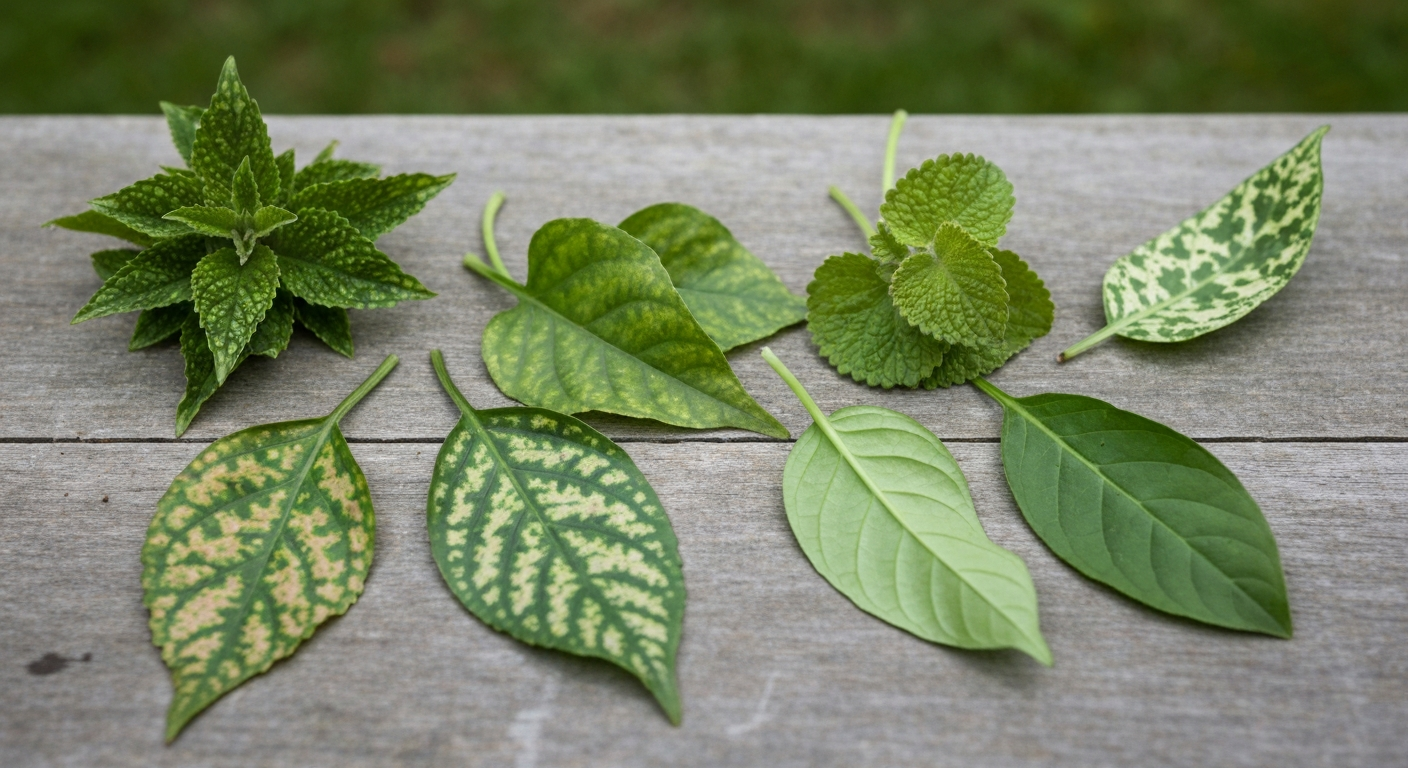
Every gardener, from the seasoned pro to the enthusiastic beginner, eventually encounters plant problems. It’s an inevitable part of nurturing life, and while frustrating, it’s also an opportunity to learn and grow your green thumb expertise. Understanding what’s going wrong with your plants, why it’s happening, and how to fix it is crucial for a thriving garden or indoor jungle. This comprehensive guide from plantdiseaseapp.com is designed to equip you with the knowledge to diagnose and treat common plant ailments, helping you bring your cherished plants back to vibrant health.
Understanding Plant Problems: A Gardener’s Guide
Plant problems manifest in countless ways, from subtle discoloration to dramatic wilting. They can be caused by a myriad of factors: environmental stress, nutrient deficiencies, pests, or various diseases. The key to successful intervention lies in accurate identification. Rushing to a solution without understanding the root cause can often do more harm than good. Think of yourself as a plant detective, gathering clues and piecing together the story your plant is trying to tell you.
Our goal here isn’t just to list symptoms, but to provide a framework for understanding the underlying issues. Whether you’re dealing with a sudden collapse or a slow decline, the principles of observation, diagnosis, and targeted treatment remain the same.
Recognizing the Early Signs: What to Look For (Symptoms)
The first step in addressing any plant issue is noticing something is amiss. Early detection can make all the difference between a minor setback and a lost plant. Here’s a breakdown of common symptoms across different parts of your plant:
Leaves Tell a Story
Leaves are often the most expressive part of a plant when it comes to showing distress.
- Discoloration:
- Yellowing (Chlorosis): Often indicates nutrient deficiency (especially nitrogen or iron), overwatering, underwatering, or insufficient light. If older leaves turn yellow, it might be nitrogen. If new leaves are yellow with green veins, it could be iron.
- Browning/Crisping: Usually a sign of underwatering, low humidity, nutrient burn, or excessive sun exposure. Edges browning can point to inconsistent watering.
- Purple Tint: Can indicate phosphorus deficiency, especially in cooler temperatures, or sometimes excessive sun exposure.
- Reddish/Orange Hues: Can be a sign of stress, nutrient deficiency, or sometimes a normal part of plant aging or cultivar characteristic.
- Spots and Lesions:
- Brown Spots on Plant Leaves: These can range from small, dark specks to large, irregular blotches. They are frequently symptoms of fungal or bacterial diseases like leaf spot disease, but can also be caused by physical damage or environmental stress.
- White Powdery Patches: A classic sign of powdery mildew on plants, a common fungal disease that looks like flour dusted on leaves and stems.
- Black Spots: On roses, this is almost certainly black spot on roses, another prevalent fungal issue. On other plants, it could be various fungal or bacterial infections.
- Raised Bumps or Galls: Can be caused by insects (like scale or gall wasps) or certain bacterial infections.
- Wilting:
- Drooping Leaves: The most immediate indicator of improper watering (both too much and too little). If the soil is dry, water it. If it’s soggy, you might be dealing with root rot. Wilting can also be a symptom of vascular diseases or extreme heat stress.
- Deformities:
- Curling/Cupping Leaves: Can be caused by pests (like aphids or thrips), viral infections, extreme heat, or herbicide drift.
- Stunted or Twisted Growth: Often points to nutrient deficiencies, viral diseases, or severe pest infestations.
- Holes or Chewed Edges: A clear sign of insect activity – slugs, snails, caterpillars, or beetles are common culprits.
Stem and Branch Issues
- Soft, Mushy Stems: A strong indicator of overwatering and potential stem rot.
- Discoloration: Dark streaks or spots on stems can suggest fungal or bacterial cankers.
- Weak or Brittle Stems: May point to nutrient deficiencies or lack of structural support.
- Galls or Swellings: Similar to leaves, these can be caused by pests or disease.
Root and Soil Clues
- Foul Odor from Soil: A sign of anaerobic conditions and likely root rot.
- Mushy, Dark Roots: Healthy roots are typically firm and white or light tan. Dark, slimy, or mushy roots are characteristic of root rot.
- Roots Growing Out of Drainage Holes: While sometimes a sign of a healthy, root-bound plant needing a larger pot, it can also indicate stress if accompanied by other symptoms.
- White Mold on Soil Surface: Often a harmless saprophytic fungus, but can indicate consistently moist conditions, which can lead to other issues.
Flower and Fruit Problems
- No Flowers/Fruit: Lack of light, improper nutrients, or stress can prevent blooming or fruiting.
- Deformed Flowers/Fruit: Pests, diseases, or nutrient imbalances can cause misshapen produce.
- Rotting Fruit: Can be caused by fungal infections (e.g., blossom end rot in tomatoes, though that’s a calcium deficiency), pests, or physical damage. For specific issues, see our guide on tomato plant diseases.
Common Culprits: What Causes Plant Problems?
Understanding the cause is paramount to finding the right solution. Here are the main categories of factors that lead to sick plant symptoms:
Environmental Stressors
These are often the easiest to overlook but are incredibly common.
- Watering Issues: Both overwatering and underwatering are major culprits. Overwatering leads to root rot and fungal issues, while underwatering causes wilting and nutrient deficiencies.
- Light: Too much direct sun can scorch leaves; too little light leads to leggy growth and pale foliage.
- Temperature: Extreme heat or cold can shock plants, causing leaf drop, wilting, or stunted growth.
- Humidity: Many tropical plants suffer in dry indoor air, leading to brown leaf tips.
- Nutrient Deficiencies/Excesses: Plants need a balanced diet. Too little of a vital nutrient (e.g., nitrogen, phosphorus, potassium, iron) or too much of another (e.g., salt buildup) can cause various symptoms.
- Poor Air Circulation: Stagnant air creates a breeding ground for fungal diseases.
Pests: Tiny Invaders, Big Headaches
Pests feed on plant sap, chew leaves, or lay eggs, causing direct damage and often spreading diseases.
- Aphids: Small, pear-shaped insects that cluster on new growth, causing distorted leaves and sticky honeydew.
- Spider Mites: Tiny arachnids that cause stippling (tiny dots) on leaves and fine webbing. Thrive in dry conditions.
- Mealybugs: White, cottony pests found in leaf axils and on stems, sucking sap.
- Scale: Immobile, hard-shelled insects that attach to stems and leaves, also causing honeydew.
- Thrips: Tiny, slender insects that scrape plant tissue, leaving silvery streaks and distorted growth.
- Fungus Gnats: Annoying flying insects, but their larvae in the soil can damage roots, especially in overwatered plants.
Fungal, Bacterial, and Viral Diseases
These pathogens can be devastating if not managed.
- Fungal Diseases: The most common type. Examples include powdery mildew, rust, black spot, blight, and various forms of rot (root, stem, leaf). They often thrive in humid conditions.
- Bacterial Diseases: Can cause spots, cankers, soft rots, and galls. Often spread by water splash or contaminated tools.
- Viral Diseases: Typically cause mosaic patterns on leaves, distorted growth, and stunted plants. There are generally no cures for viral diseases; infected plants often need to be removed.
Soil Issues
- Compacted Soil: Prevents good root growth and water penetration.
- Poor Drainage: Leads to waterlogging and root rot.
- Incorrect pH: Affects nutrient availability, even if nutrients are present in the soil.
- Sterile Soil: Lacks beneficial microbes that aid in nutrient cycling and disease suppression.
The Art of Diagnosis: Pinpointing the Problem
Diagnosing plant problems can feel like solving a mystery, but with a systematic approach, you can narrow down the possibilities. For a deeper dive, read our article on how to diagnose plant problems.
- Observe Thoroughly: Don’t just look at the obvious problem area. Examine the entire plant – top and bottom of leaves, stems, soil surface, and even gently check roots if possible.
- Consider the Environment: What has changed recently? Have you moved the plant? Increased or decreased watering? Changed fertilizer? Is it hotter or colder? Is there a draft?
- Check for Pests: Use a magnifying glass if necessary. Look for tiny insects, webbing, or sticky residue (honeydew). Check under leaves and in crevices.
- Examine Roots: If you suspect root issues, carefully unpot the plant and inspect the roots. Healthy roots are typically light-colored and firm.
- Utilize Tools: Your Plant Disease Identifier App: This is where modern technology can be a huge help. If you have an iPhone, take clear photos of the affected areas and upload them to the Plant Disease Identifier app. Our AI-powered tool can analyze the symptoms and suggest possible diseases or pests, giving you a strong starting point for further investigation. It’s like having a botanist in your pocket!
- Don’t Jump to Conclusions: Many symptoms can have multiple causes. For example, yellowing leaves could be overwatering, underwatering, or a nutrient deficiency. Consider all possibilities before acting.
A Quick Diagnostic Table
| Symptom | Common Causes | Initial Action |
|---|---|---|
| Yellowing Leaves | Overwatering, underwatering, nutrient deficiency, low light | Check soil moisture, review watering schedule, consider fertilizer, move to brighter spot |
| Brown/Crispy Leaf Edges | Underwatering, low humidity, nutrient burn, excessive sun | Increase watering, mist, check fertilizer, move to shadier spot |
| Wilting | Underwatering, overwatering (root rot), heat stress, disease | Check soil moisture, inspect roots, provide shade, investigate for disease |
| White Powdery Patches | Powdery Mildew | Improve air circulation, apply neem oil or fungicide |
| Small Holes/Chewed Leaves | Caterpillars, slugs, beetles, grasshoppers | Handpick pests, use organic pest control |
| Sticky Residue (Honeydew) | Aphids, mealybugs, scale, whiteflies | Inspect for pests, apply insecticidal soap or neem oil |
| Mushy Stems/Roots | Overwatering, root/stem rot | Reduce watering, prune affected parts, repot if severe |
| Stunted/Distorted Growth | Pests (aphids, thrips), viral disease, nutrient deficiency | Inspect for pests, provide balanced fertilizer, isolate if viral suspected |
Effective Treatment Strategies: Bringing Your Plants Back to Health
Once you’ve identified the problem, it’s time to act. Always start with the least invasive methods, escalating only if necessary.
Organic Approaches First
Many common plant problems can be resolved with environmentally friendly methods.
- Manual Removal: For larger pests like caterpillars, slugs, or even some scale insects, simply picking them off by hand can be effective.
- Pruning: Remove diseased or heavily infested leaves and stems immediately. This prevents the spread of disease and allows the plant to focus energy on healthy growth. Always sterilize your pruning shears with rubbing alcohol between cuts to avoid spreading pathogens.
- Watering Adjustments: The simplest fix for many issues. Ensure you’re watering deeply and less frequently, allowing the topsoil to dry out between waterings. For plants prone to root rot, ensure excellent drainage.
- Improve Air Circulation: Use oscillating fans for indoor plants. For outdoor plants, ensure adequate spacing between them. This helps prevent fungal diseases like powdery mildew.
- Neem Oil: A natural insecticide and fungicide. It disrupts the life cycle of many pests and can help control some fungal diseases. Apply according to package directions.
- Insecticidal Soap: Effective against soft-bodied pests like aphids, spider mites, and mealybugs. It works by breaking down their protective outer layers.
- Horticultural Oils: Similar to neem oil, these smother pests.
- Beneficial Insects: Introduce ladybugs, lacewings, or parasitic wasps to control pest populations naturally.
- Diatomaceous Earth (DE): A natural powder that dehydrates crawling insects. Sprinkle it around the base of plants.
When to Consider Chemical Solutions
While we advocate for organic methods, sometimes more potent treatments are necessary, especially for severe infestations or widespread diseases.
- Fungicides: Used to control fungal diseases. It’s crucial to identify the specific fungus first, as different fungicides target different types. Always read and follow label instructions carefully. Be aware that many fungicides are preventative, meaning they work best when applied before or at the very onset of symptoms.
- Pesticides: Chemical insecticides should be a last resort. Choose targeted pesticides that address your specific pest problem to minimize harm to beneficial insects and the environment. Always follow safety guidelines, wear protective gear, and apply at the recommended dosage.
- Herbicides: Only use if you have a severe weed problem that outcompetes your plants. Be extremely careful to avoid drift onto desirable plants.
Important Disclaimer: Always remember that chemical treatments can be harmful to you, pets, beneficial insects, and the environment if not used correctly. Read all labels thoroughly and follow instructions precisely.
Repotting and Soil Amendment
If the problem is related to the soil or roots, repotting might be necessary.
- Root Rot: If your plant has root rot, carefully remove it from its pot, trim away all mushy, dark roots, and repot into fresh, well-draining soil. Make sure the new pot has ample drainage holes.
- Nutrient Issues: Repotting with fresh soil can replenish nutrients. Alternatively, use a balanced liquid fertilizer or slow-release granules. Conduct a soil test if you suspect a specific nutrient imbalance or pH problem.
Prevention is Key: Keeping Your Garden Healthy
The best way to deal with plant disease and pest problems is to prevent them from occurring in the first place.
- Right Plant, Right Place: Choose plants that are suited to your specific climate, light conditions, and soil type. A stressed plant is a vulnerable plant.
- Good Cultural Practices:
- Proper Watering: Water deeply and infrequently, allowing the soil to dry out between waterings. Use your finger to check soil moisture.
- Adequate Light: Ensure your plants receive the appropriate amount of light for their species.
- Balanced Nutrition: Fertilize according to plant needs, avoiding over-fertilization which can burn roots.
- Good Airflow: Space plants appropriately to allow for air circulation, which helps prevent fungal diseases.
- Regular Inspection: Make it a habit to regularly inspect your plants, especially the undersides of leaves and new growth. Early detection is your best defense.
- Quarantine New Plants: Before introducing new plants to your existing collection, keep them separate for a few weeks. This allows you to observe them for any hidden pests or diseases, preventing potential spread to your healthy plants.
- Tool Sterilization: Always clean and sterilize your pruning shears, trowels, and other gardening tools, especially after working with a diseased plant. A simple wipe with rubbing alcohol or a bleach solution can prevent the spread of pathogens.
- Cleanliness: Remove fallen leaves and debris from around your plants. These can harbor pests and disease spores.
- Crop Rotation: In vegetable gardens, rotating crops each season can break pest and disease cycles in the soil.
- Companion Planting: Certain plants can deter pests or attract beneficial insects, helping to maintain a natural balance in your garden.
Common Mistakes to Avoid When Dealing with Plant Problems
Even experienced gardeners can make missteps when faced with a struggling plant. Avoiding these common errors will improve your chances of success.
- Over-reacting or Under-reacting: Don’t panic and apply every product you own at once. Similarly, don’t ignore early warning signs, hoping the problem will resolve itself. A measured, informed response is best.
- Misdiagnosis: The biggest mistake! Treating for aphids when you have spider mites, or applying a fungicide when the issue is overwatering, will not only be ineffective but could also harm your plant further. This is why thorough observation and tools like a best plant disease identifier app are invaluable.
- Ignoring Environmental Factors: Often, the problem isn’t a pest or disease, but simply the plant being in the wrong conditions. Always assess light, water, temperature, and humidity before assuming a more complex issue.
- Over-watering: As mentioned, this is probably the most common cause of indoor plant demise. When in doubt, it’s often better to slightly underwater than to overwater.
- Using the Wrong Products: Applying an insecticide for a fungal disease, or a broad-spectrum pesticide when a targeted organic solution would suffice, can be detrimental. Always match the treatment to the problem. For instance, specific treatments are needed for tomato diseases.
- Lack of Follow-Through: Treating a plant once might not be enough. Many pest and disease treatments require repeat applications over a period to break life cycles or fully eradicate the issue.
A Note on Professional Advice
While this guide provides comprehensive information, please remember that the advice given here and by any AI-powered plant identifier app is for informational purposes only. It does not constitute professional agricultural or horticultural advice. For severe, persistent, or widespread issues, consulting with a certified arborist, local agricultural extension office, or a professional plant pathologist is always recommended. They can provide tailored advice and conduct laboratory tests if needed.
Conclusion
Dealing with plant problems is an inherent part of the gardening journey. By learning to observe, diagnose, and treat your plants thoughtfully, you not only save your green companions but also deepen your understanding and appreciation for the natural world. Remember, every plant challenge is a learning opportunity, honing your skills and making you a more confident, capable gardener. Happy growing!