

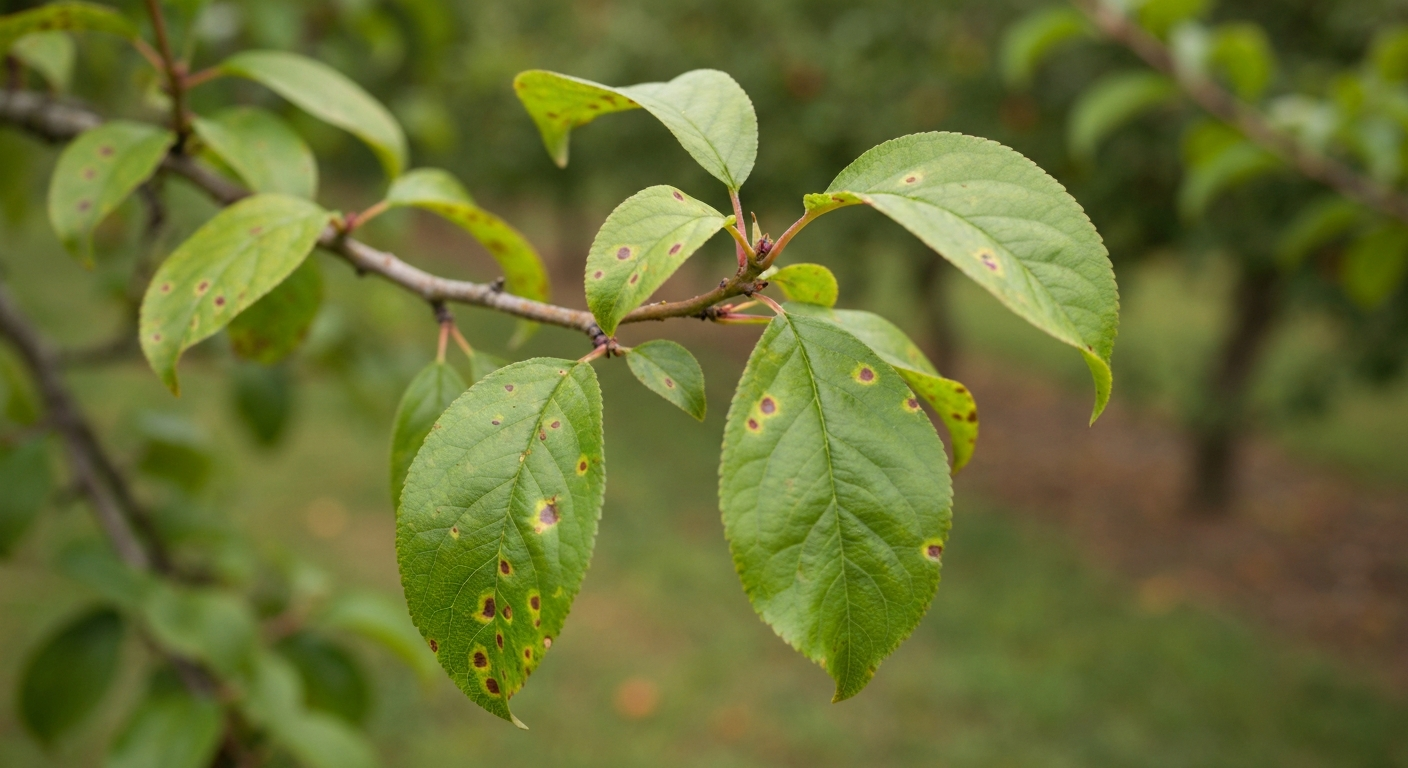
Plum trees are a delightful addition to any home orchard, gracing us with beautiful blossoms and succulent fruit. However, like all living things, they are susceptible to a range of ailments. Understanding and identifying plum tree diseases is crucial for maintaining a healthy, productive tree and ensuring a bountiful harvest. Ignoring early signs can lead to significant crop loss, weakened trees, and even tree death. This comprehensive guide will equip you with the knowledge to recognize, diagnose, treat, and prevent the most common diseases affecting your beloved plum trees.
Understanding the Enemy: Common Plum Tree Diseases
Plum trees can fall victim to various fungal, bacterial, and even viral pathogens. Knowing the key culprits and their tell-tale signs is the first step in effective management.
1. Brown Rot (Monilinia fructicola)
Brown Rot is arguably the most devastating fungal disease for stone fruits, including plums, cherries, and peaches. It can attack blossoms, twigs, and especially the fruit.
- Symptoms:
- Blossoms: Blossoms turn brown and wilt, often appearing suddenly as if scorched. A grayish-brown fuzzy mold may be visible.
- Twigs: Cankers (sunken, discolored lesions) may form on twigs and branches, often associated with infected blossoms, leading to twig dieback.
- Fruit: Small brown spots appear on ripening fruit, rapidly enlarging to cover the entire fruit. The fruit then shrivels, becoming “mummified,” and often remains attached to the tree. A powdery gray spore mass may cover the fruit.
- Causes: The fungus thrives in warm, humid, and wet conditions, especially during bloom and fruit ripening. Spores are spread by wind, rain, and insects.
- Diagnosis: Look for the characteristic brown, shriveled blossoms and fruit, often with visible gray fungal growth.
- Treatment & Prevention:
- Sanitation: Remove all mummified fruit from the tree and the ground during dormancy. Prune out infected twigs and cankers, cutting several inches below the visible infection. Destroy all removed material.
- Air Circulation: Prune trees to open up the canopy, allowing for better air circulation and faster drying after rain.
- Thinning: Thin fruit to prevent them from touching, as this reduces disease spread.
- Organic Options: Some organic growers use sulfur or copper-based fungicides as a preventative measure during bloom and pre-harvest, especially in wet conditions.
- Fungicides: Conventional fungicides specifically labeled for brown rot can be highly effective when applied preventatively at bloom and during fruit development, following label instructions carefully.
2. Black Knot (Apiosporina morbosa)
Black Knot is a distinctive fungal disease that creates rough, black, gall-like growths on branches and twigs.
- Symptoms:
- Small, olive-green swellings appear on twigs and branches in spring, gradually enlarging and hardening into rough, black, tar-like galls.
- These galls can encircle branches, eventually girdling them, leading to dieback beyond the knot.
- Affected branches may fail to produce fruit or leaves.
- Causes: The fungus overwinters in existing knots. Spores are released in spring during wet periods and infect new growth.
- Diagnosis: The characteristic black, warty growths are unmistakable.
- Treatment & Prevention:
- Pruning: The most effective control is to prune out all knots during late winter or early spring dormancy, cutting at least 4-6 inches below the visible knot into healthy wood. For large branches or the trunk, removal might be impractical, and the tree may eventually decline.
- Sanitation: Destroy all pruned material immediately by burning or burying to prevent spore spread. Do not compost.
- Resistant Varieties: Choose resistant plum varieties if planting new trees.
- Fungicides: Fungicides are generally not recommended or effective for home gardeners once knots are established, as they are primarily preventative and need precise timing.
3. Bacterial Canker (Pseudomonas syringae)
This bacterial disease can affect all parts of the plum tree, from buds to bark, and is particularly problematic in cool, wet weather.
- Symptoms:
- Cankers: Sunken, darkened lesions appear on bark, often oozing a gummy substance (gumming). These cankers may girdle branches or the trunk, leading to dieback.
- Buds & Blossoms: Buds may fail to open, or blossoms turn brown and die.
- Leaves: Small, dark spots may appear on leaves, sometimes surrounded by a yellow halo. These spots can fall out, leaving a “shot-hole” appearance, similar to some leaf spot diseases.
- Fruit: Small, dark, sunken spots on fruit, which may be unmarketable.
- Causes: The bacterium enters the tree through wounds (pruning cuts, insect damage, frost cracks) during cool, wet conditions, especially in spring and fall.
- Diagnosis: Gumming associated with sunken cankers on the bark, combined with shot-hole symptoms on leaves, are strong indicators.
- Treatment & Prevention:
- Pruning: Prune out infected branches and cankers during dry summer months when the bacteria are less active, cutting well below the visible canker.
- Sanitation: Sterilize pruning tools between cuts with a 10% bleach solution or rubbing alcohol.
- Wound Care: Avoid wounding trees. Protect young trees from frost damage.
- Copper Sprays: Dormant copper sprays in fall and spring can help reduce bacterial populations.
- Tree Vigor: Maintain overall tree health with proper watering and nutrition to increase resistance.
4. Plum Pocket (Taphrina pruni)
Plum Pocket is a fungal disease that specifically targets the fruit, causing them to become distorted and hollow.
- Symptoms:
- Infected fruit swell dramatically, become distorted, elongated, and often flattened.
- The fruit remains green longer than healthy fruit, then turns reddish or purplish.
- Internally, the fruit is hollow, lacking a stone (pit).
- A grayish, velvety fungal layer may develop on the fruit surface.
- Causes: The fungus overwinters on twigs and buds. Spores infect newly developing fruit during cool, wet weather in early spring.
- Diagnosis: The distinctive, hollow, distorted fruit are the primary diagnostic feature.
- Treatment & Prevention:
- Sanitation: Remove and destroy all infected fruit before spores are produced.
- Fungicides: A single dormant fungicide application (copper or chlorothalonil) in late fall after leaf drop or early spring before bud break is highly effective.
- Resistant Varieties: Some plum varieties show more resistance.
5. Leaf Spot Diseases (e.g., Cherry Leaf Spot, Shot-Hole Disease)
While often called “cherry leaf spot,” the fungus Blumeriella jaapii (and others like Coccomyces hiemalis) can affect plums, causing significant defoliation. Shot-hole disease (often bacterial canker, but also fungal) can have similar leaf symptoms.
- Symptoms:
- Small, purplish-red to brown spots appear on leaves.
- Spots may enlarge and merge.
- In some cases, the center of the spots may fall out, creating a “shot-hole” effect.
- Leaves turn yellow and drop prematurely, often starting from the base of the branch. Severe infection can lead to complete defoliation by mid-summer.
- Causes: Fungi (or bacteria for shot-hole) thrive in wet, humid conditions. Spores are spread by rain and wind.
- Diagnosis: The characteristic spots and premature defoliation. If you see brown spots on plant leaves, especially with a yellow halo or shot-hole effect, it’s likely a leaf spot disease.
- Treatment & Prevention:
- Sanitation: Rake and destroy fallen leaves in autumn to reduce overwintering spores.
- Air Circulation: Prune for good air circulation.
- Resistant Varieties: Choose resistant varieties.
- Fungicides: Fungicides can be applied preventatively at leaf emergence and periodically through the growing season, especially during wet periods. Organic options like copper or sulfur can be used.
6. Powdery Mildew (Podosphaera clandestina)
While more common on other plants, plums can also suffer from powdery mildew, especially in susceptible varieties and humid conditions.
- Symptoms:
- A white, powdery fungal growth appears on the surface of leaves, shoots, and sometimes fruit.
- Infected leaves may become distorted, curled, or stunted.
- Severe infection can lead to premature leaf drop and reduced fruit quality.
- Causes: The fungus thrives in high humidity but not necessarily wet leaves. It’s often worse in shady, poorly ventilated areas. Learn more about powdery mildew on plants in general.
- Diagnosis: The distinctive white, powdery patches are easy to identify.
- Treatment & Prevention:
- Air Circulation: Ensure good air circulation through proper spacing and pruning.
- Resistant Varieties: Select resistant plum varieties.
- Organic Sprays: Neem oil, horticultural oils, or potassium bicarbonate sprays can be effective for mild cases.
- Fungicides: Several conventional fungicides are effective against powdery mildew if applied early and consistently. You can find more details on general powdery mildew topics.
7. Plum Rust (Tranzschelia discolor)
Plum rust is a fungal disease that causes characteristic rust-colored spots on leaves.
- Symptoms:
- Small, yellow-orange spots appear on the upper surface of leaves.
- On the underside of the leaves, corresponding powdery, reddish-brown pustules (spore masses) develop, resembling rust.
- Severely infected leaves may turn yellow and drop prematurely, weakening the tree.
- Causes: The fungus requires a specific alternate host (often wild anemones) to complete its life cycle, but some strains can complete their cycle on plums. It thrives in warm, humid conditions.
- Diagnosis: The distinctive rust-colored pustules on the undersides of leaves are diagnostic.
- Treatment & Prevention:
- Sanitation: Rake and destroy fallen leaves.
- Alternate Host Removal: If an alternate host is present nearby, removing it can help.
- Fungicides: Fungicides can be applied preventatively, especially in areas with a history of rust, or when symptoms first appear.
8. Root Rot (Various fungi, e.g., Phytophthora)
While not exclusive to plums, root rot is a serious problem that can affect plum trees, especially in poorly drained soils.
- Symptoms:
- Overall decline of the tree: stunted growth, yellowing leaves, premature leaf drop, and dieback of branches.
- Leaves may appear scorched or wilted, even when soil moisture is adequate.
- Tree may eventually collapse.
- Inspection of roots may reveal dark, mushy, or discolored roots.
- Causes: Fungi thrive in waterlogged soil, depriving roots of oxygen and creating an environment where pathogens can flourish. Overwatering and heavy, compacted soils are common contributors. You can learn more about general root rot issues.
- Diagnosis: Often suspected when a tree shows decline despite adequate care, especially in wet conditions or poorly draining soil. Examining roots for discoloration and mushiness confirms it.
- Treatment & Prevention:
- Improve Drainage: Plant plums in well-drained soil. If soil is heavy clay, amend with organic matter or consider raised beds.
- Proper Watering: Avoid overwatering. Allow the top few inches of soil to dry out between waterings.
- Mulch: Apply a layer of mulch (but keep it away from the trunk) to help regulate soil moisture and temperature, but don’t pile it up against the trunk.
- Fungicides: Fungicides are generally not effective for established root rot in home gardens; prevention is key.
Steps for Diagnosing Plum Tree Problems
Diagnosing plant problems can sometimes feel like detective work. Here’s a systematic approach:
- Observe Carefully: Walk around your plum tree regularly. Look at all parts: leaves (top and bottom), stems, bark, fruit, and even the soil. Note patterns, colors, and textures. Are symptoms widespread or localized?
- Identify Specific Symptoms:
- Are there spots on leaves? What color, size, and shape? Do they have a halo?
- Is there discoloration (yellowing, browning, blackening)?
- Is there wilting, drooping, or curling?
- Are there abnormal growths (galls, cankers, fuzzy patches)?
- Is fruit rotting, distorted, or discolored?
- Is there gumming or oozing from the bark?
- Consider Environmental Factors:
- Weather: Has it been unusually wet, dry, hot, or cold? Did you have a late frost?
- Soil: Is the soil well-drained? Is it soggy or bone-dry?
- Light: Is the tree getting enough sun?
- Recent Activities: Have you fertilized recently? Sprayed anything? Pruned?
- Use Resources:
- Online Guides: Consult reputable gardening websites and university extension services.
- Plant Disease Identifier Apps: For quick, on-the-spot analysis, consider using a plant disease identifier app on your iPhone. Simply take a clear photo of the symptoms, and the app can offer potential diagnoses and treatment suggestions. This can be a great first step when trying to diagnose plant problems.
- Local Experts: If you’re unsure, collect a sample (if allowed and feasible) and contact your local agricultural extension office. They can provide professional diagnosis.
Remember, AI-powered tools are informational and should not replace professional agricultural advice. If you suspect a serious or widespread issue, consulting an expert is always best. For more general guidance on how to deal with a sick plant, check out our other resources.
Treatment Strategies: Organic vs. Fungicides
Once you’ve identified a disease, the next step is treatment. Your approach might vary depending on your gardening philosophy and the severity of the problem.
Organic and Cultural Practices (Prevention is Key!)
For many home gardeners, organic and cultural practices are the preferred first line of defense. These methods focus on creating a healthy environment for your trees and minimizing disease spread without synthetic chemicals.
- Sanitation: This is paramount. Regularly remove and destroy diseased plant material (leaves, fruit, branches). This reduces the amount of pathogen inoculum available to infect new growth. Always rake up fallen leaves and fruit, especially in autumn.
- Pruning:
- For Air Circulation: Prune your plum tree annually during dormancy (late winter/early spring) to open up the canopy. This allows for better air circulation, which helps leaves and fruit dry faster after rain, making it harder for fungal diseases to establish.
- Disease Removal: Promptly prune out any diseased branches, cutting into healthy wood several inches below the visible infection. Always sterilize your pruning tools with rubbing alcohol or a 10% bleach solution between cuts to avoid spreading disease.
- Proper Watering: Water deeply and infrequently, focusing on the root zone. Avoid overhead irrigation, which wets foliage and creates ideal conditions for fungal growth. Ensure good soil drainage to prevent root rot.
- Resistant Varieties: When planting new plum trees, choose varieties known to be resistant or tolerant to common local diseases.
- Spacing: Plant trees with adequate spacing to ensure good air flow as they mature.
- Balanced Nutrition: A healthy tree is a resilient tree. Provide balanced nutrition based on soil tests. Avoid excessive nitrogen, which can promote lush, tender growth that is more susceptible to some diseases.
- Mulching: Apply a 2-4 inch layer of organic mulch (like wood chips) around the base of the tree, keeping it a few inches away from the trunk. This helps retain soil moisture, suppress weeds, and regulate soil temperature.
When Fungicides Can Help
While organic methods are excellent for prevention and managing minor issues, sometimes fungicides are necessary, especially for severe or recurring problems, or in commercial settings.
- Preventative Use: Most fungicides are protectants, meaning they work best when applied before the disease takes hold. They create a barrier on the plant surface.
- Timing is Crucial: Fungicides are most effective when applied at specific growth stages (e.g., bud break, bloom, shuck split, pre-harvest) or when weather conditions favor disease development. For example, brown rot sprays are critical during bloom.
- Types:
- Organic/Natural: Copper and sulfur-based fungicides are approved for organic gardening and can be effective against many fungal diseases. They often need more frequent application.
- Conventional: Synthetic fungicides offer broader spectrum control and longer residual activity. Always choose products specifically labeled for plum trees and the target disease.
- Read the Label: Always, always read and follow the manufacturer’s instructions for mixing, application rates, timing, and safety precautions. Over-application can harm your tree or the environment.
- Rotate Fungicides: To prevent pathogens from developing resistance, rotate between different types of fungicides with different active ingredients if multiple applications are needed.
It’s important to understand that fungicides are not a cure-all. They are most effective when used as part of an integrated disease management plan that includes strong cultural practices. For a comprehensive look at general plant disease treatment, you can refer to our general guides.
Common Mistakes to Avoid When Dealing with Plum Tree Diseases
Even experienced gardeners can make mistakes. Being aware of these common pitfalls can save your plum tree.
- Ignoring Early Symptoms: Many diseases are much easier to manage if caught early. A small spot on a leaf or a single discolored blossom can quickly escalate. Regular inspection is key.
- Incorrect Diagnosis: Misidentifying a disease can lead to ineffective or even harmful treatments. For instance, treating a bacterial infection with a fungicide won’t work. Take your time to properly identify the problem, using tools like the best plant disease identifier app or expert advice.
- Poor Sanitation: Leaving mummified fruit on the tree or fallen leaves on the ground provides a perfect overwintering site for many pathogens, ensuring the disease returns next year.
- Improper Pruning:
- Not Sterilizing Tools: Using unsterilized pruning shears can spread bacteria and fungal spores from diseased to healthy parts of the tree, or even from one tree to another.
- Cutting Insufficiently: When removing diseased branches, cutting just at the visible edge of a canker or knot isn’t enough. You need to cut several inches into healthy wood to ensure all infected tissue is removed.
- Pruning at the Wrong Time: Pruning during wet weather can create entry points for pathogens. Pruning certain diseases during their active phase can also spread spores. Dormant pruning is generally safest for major cuts.
- Over-watering or Under-watering: Both extremes stress the tree, making it more susceptible to disease. Overwatering, especially in heavy soils, is a prime cause of root rot.
- Applying Pesticides/Fungicides Incorrectly: Using the wrong product, applying at the wrong concentration, or spraying at the wrong time (e.g., during rain or strong wind) can be ineffective, waste product, or even damage the tree. Always follow label instructions.
- Lack of Air Circulation: Overly dense canopies create humid, stagnant conditions perfect for fungal growth. Regular, thoughtful pruning is essential.
- Not Removing Alternate Hosts: For some diseases like rust, removing nearby alternate host plants can significantly break the disease cycle.
- Planting Susceptible Varieties: If you live in an area with high disease pressure for a specific pathogen, choosing a known susceptible plum variety can set you up for ongoing battles. Research local recommendations before planting.
Conclusion: A Healthy Plum Tree is a Happy Plum Tree
Managing plum tree diseases is an ongoing part of being a fruit tree gardener. It requires vigilance, observation, and proactive care. By understanding the common threats, recognizing symptoms early, and implementing a combination of good cultural practices and targeted treatments when necessary, you can significantly reduce the impact of diseases on your plum trees. A healthy tree not only produces more delicious fruit but also brings greater joy to your garden. Happy growing!