

As a home gardener, few sights are more disheartening than a thriving plant suddenly wilting, its leaves yellowing, despite your best efforts. Often, the culprit lies unseen beneath the soil, attacking the very foundation of your plant’s life: its roots. Among the most common and destructive of these hidden threats is pythium root rot, a pervasive disease that can turn a vibrant plant into a drooping, lifeless specimen in a matter of days. Understanding this insidious pathogen is the first step toward protecting your beloved greenery. This comprehensive guide will equip you with the knowledge to identify, treat, and most importantly, prevent Pythium root rot from taking hold in your garden.
What is Pythium Root Rot?
Pythium root rot isn’t caused by a true fungus, but rather by a group of fungus-like organisms called oomycetes, often referred to as “water molds.” These microscopic pathogens thrive in excessively wet and poorly aerated soil conditions, making overwatering their best friend. Pythium species attack the delicate root tips and feeder roots, compromising the plant’s ability to absorb water and nutrients. While many Pythium species exist, Pythium ultimum and Pythium aphanidermatum are particularly common in home gardens and nurseries, causing damping-off in seedlings and root rot in mature plants. This is a common form of root rot that can devastate many plant types.
Recognizing the Red Flags: Symptoms of Pythium Root Rot
Identifying Pythium root rot can be tricky because its initial symptoms often mimic other plant problems, such as nutrient deficiencies or simple underwatering. However, a closer look at both above-ground and below-ground indicators can help you pinpoint this specific issue.
Above-Ground Symptoms
- Wilting: This is often the first noticeable sign. Leaves may droop, even if the soil feels moist, indicating the roots can’t take up water.
- Stunted Growth: Infected plants will fail to grow or develop normally, appearing smaller and less vigorous than healthy counterparts.
- Yellowing or Browning Leaves: Leaves may turn yellow (chlorosis) or brown, starting from the lower leaves and progressing upwards. This is due to nutrient and water deprivation.
- Leaf Drop: Severely affected leaves may prematurely drop from the plant.
- Sudden Collapse (Damping-Off): In seedlings, Pythium often causes “damping-off,” where young plants suddenly collapse at the soil line and die.
- General Lack of Vigor: The plant simply looks unwell, lacking its usual vibrancy.
Below-Ground Symptoms (The Definitive Signs)
To confirm Pythium root rot, you’ll need to gently extract the plant from its pot or carefully dig around its base in the garden bed.
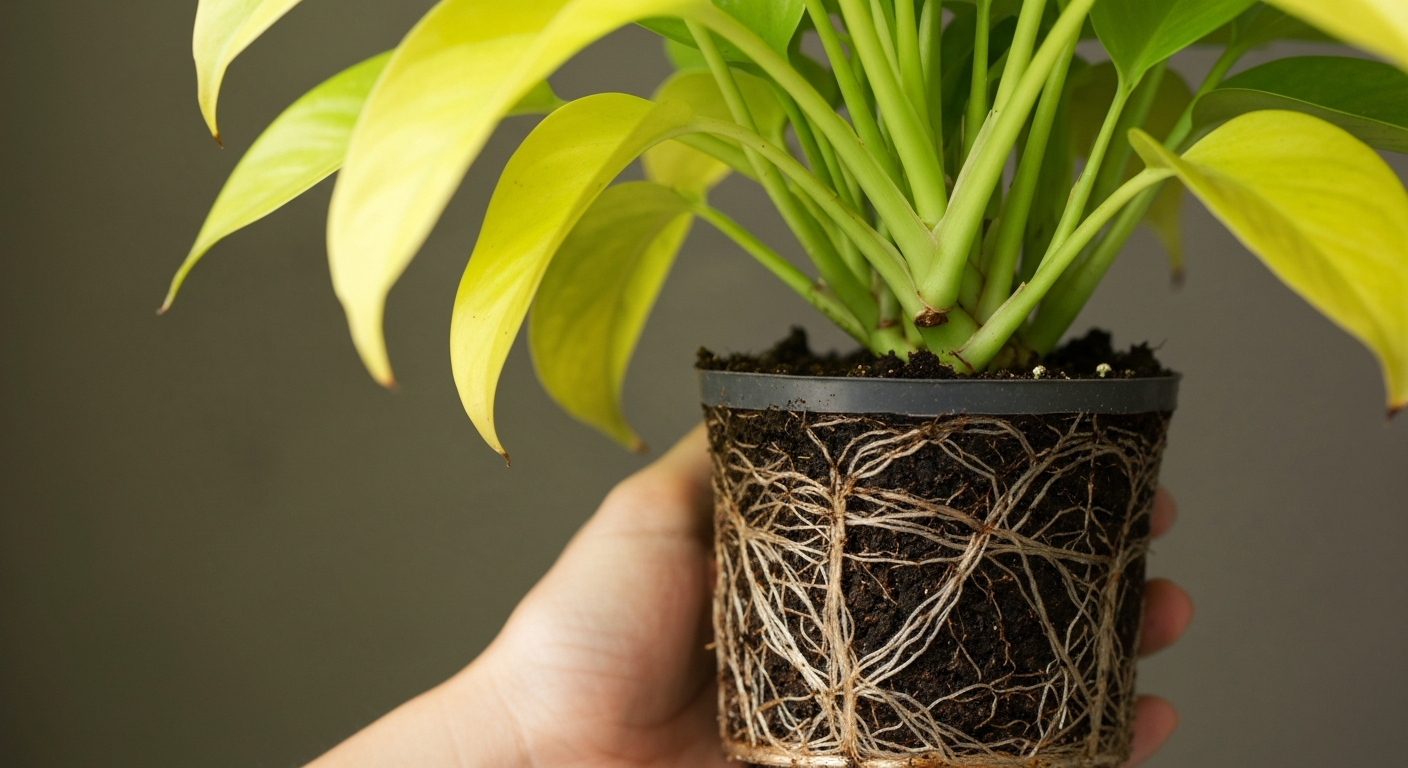
- Mushy, Brown/Black Roots: Healthy roots are typically firm and white or tan. Roots affected by Pythium will be soft, slimy, discolored (brown to black), and easily pull apart when gently tugged. The outer layer (cortex) may slough off, leaving only the inner vascular tissue.
- Lack of Feeder Roots: The fine, hair-like feeder roots, crucial for water absorption, will often be absent or severely reduced.
- Foul Odor: In severe cases, the decaying roots may emit a distinct, unpleasant, sometimes fishy or sour odor.
It’s important to differentiate these symptoms from other issues. For instance, while some brown spots on plant leaves or leaf spot disease might indicate other fungal or bacterial problems, wilting accompanied by mushy roots is a strong indicator of root rot.
The Culprits: What Causes Pythium Root Rot?
Pythium doesn’t just appear out of nowhere; it requires specific environmental conditions to thrive and infect your plants. Understanding these factors is crucial for prevention.
- Overwatering and Poor Drainage: This is by far the biggest contributor. When soil remains waterlogged, oxygen is depleted, creating an anaerobic environment that suffocates roots and favors Pythium growth. Heavy, compacted soils, pots without drainage holes, or excessive watering are common culprits.
- Contaminated Soil or Potting Mix: Pythium can be present in unsterilized garden soil, reused potting mix, or even new, low-quality mixes.
- High Humidity and Warm Temperatures: Pythium thrives in warm, moist conditions (typically 68-86°F or 20-30°C). Greenhouses, enclosed grow tents, or tightly packed plants can create ideal conditions.
- Weakened or Stressed Plants: Plants already under stress from nutrient deficiencies, pest infestations, transplant shock, or improper light are more susceptible to infection. A healthy plant has stronger defenses.
- Poor Sanitation: Reusing contaminated pots, tools, or saucers without proper cleaning can spread the pathogen from one plant to another.
Diagnosing Pythium Root Rot: Your Detective Work
If you suspect your plant is sick, a thorough diagnosis is essential before attempting treatment. Here’s how to approach it:
- Visual Inspection: Start by observing the above-ground symptoms mentioned earlier (wilting, yellowing, stunted growth).
- Root Examination: Gently remove the plant from its pot or carefully dig around its roots. Observe the color, texture, and smell of the roots. Remember, mushy, brown/black, easily stripped roots with a foul odor are strong indicators of Pythium.
- Soil Moisture Check: Feel the soil. Is it consistently soggy? Does it drain slowly? This confirms a favorable environment for Pythium.
- Using a Plant Disease Identifier App: For a quick and reliable assessment, consider photographing the symptoms with the Plant Disease Identifier app on your iPhone. While AI tools offer valuable insights, they are for informational purposes and do not constitute a professional diagnosis. Always combine app results with your own observations.
- When to Consider Professional Lab Tests: If you have high-value plants, a large crop, or repeatedly face unidentified root issues, a local agricultural extension office or plant pathology lab can offer definitive diagnosis through microscopic examination or culture tests. This is generally not necessary for a single houseplant, but for a serious gardener, understanding how to diagnose plant problems is a crucial skill.
Saving Your Sick Plants: Treatment Strategies
Treating Pythium root rot can be challenging, especially in advanced stages. The key is early intervention and a multi-pronged approach.
Immediate Action
- Isolate the Plant: Immediately move the infected plant away from healthy ones to prevent further spread.
- Prune Affected Parts: Remove any severely yellowed, brown, or dead foliage. This reduces stress on the plant and helps it focus energy on recovery.
- Improve Drainage: If the plant is in a pot, ensure it has adequate drainage holes. If in a garden bed, consider improving soil structure with organic matter.
Organic Approaches (For Mild to Moderate Cases)
For home gardeners preferring non-chemical solutions, these steps can be effective:
- Repotting with Fresh, Sterile Soil:
- Carefully remove the plant from its pot.
- Gently rinse as much of the old, contaminated soil off the roots as possible.
- Inspect the roots again and prune away all mushy, black, or slimy roots using sterilized scissors or pruners. Cut back to healthy, firm tissue.
- Dip the remaining healthy roots in a diluted solution of hydrogen peroxide (1 part 3% H2O2 to 10 parts water) for a few minutes. This can help kill remaining pathogens and oxygenate the roots.
- Repot the plant into a clean, sterilized pot (wash with a 10% bleach solution and rinse thoroughly) with fresh, high-quality, well-draining potting mix.
- Avoid overwatering after repotting.
- Beneficial Microbes: Introduce beneficial microorganisms like Trichoderma harzianum or Bacillus subtilis (often sold as “root inoculants” or “compost tea” ingredients). These microbes can outcompete Pythium for resources and even produce compounds that inhibit its growth. Follow product instructions carefully.
- Improve Air Circulation: Ensure good airflow around the plant, especially if it’s indoors or in a crowded space. This helps surface soil dry out more quickly.
When Fungicides Help (For Severe Cases or High-Value Plants)
While cultural practices are the first line of defense, chemical fungicides can be necessary for severe infections or in situations where specific plants are highly valued.
- Specific Active Ingredients: Look for fungicides specifically labeled for Pythium control. Common active ingredients effective against oomycetes include:
- Propamocarb: Often found in products like ‘Previcur’ or similar.
- Fosetyl-al: Found in products like ‘Aliette’.
- Mefenoxam: Found in ‘Subdue Maxx’ or similar.
- Application: These are typically applied as a soil drench. Always read and follow the product label instructions meticulously regarding dilution rates, application frequency, and safety precautions.
- Considerations: Fungicides are not a substitute for good cultural practices. They are most effective when used preventatively or in conjunction with improved watering and drainage. They may not revive severely damaged roots.
Remember, fungicides targeting true fungi often won’t work on Pythium because it’s an oomycete, not a fungus. Choose products specifically for “water molds” or “oomycetes.”
Prevention is Key: Stopping Pythium Before It Starts
Prevention is always easier and more effective than treatment when it comes to Pythium root rot. By implementing a few key practices, you can drastically reduce the risk of infection.
- Proper Watering Techniques:
- Water deeply but infrequently: Allow the top inch or two of soil to dry out between waterings.
- Check soil moisture: Use your finger or a moisture meter to assess soil moisture before watering. Don’t just water on a schedule.
- Avoid overhead watering: Water at the base of the plant to keep foliage dry and reduce surface humidity.
- Ensure Excellent Drainage:
- Use pots with drainage holes: Never use pots without them.
- Choose appropriate potting mix: Use a high-quality, well-draining potting mix that doesn’t compact easily. For garden beds, amend heavy clay soils with organic matter like compost to improve aeration and drainage.
- Avoid saucers filled with standing water: Empty saucers promptly after watering.
- Sterile Growing Media and Tools:
- Use fresh, sterile potting mix: Especially for seedlings.
- Sterilize reused pots: Wash thoroughly and soak in a 10% bleach solution for 30 minutes, then rinse well.
- Clean tools: Sterilize pruners, trowels, and other tools with rubbing alcohol or a bleach solution between plants, especially if you’re working with a suspected infected plant.
- Quarantine New Plants: Always isolate new plants for a few weeks before introducing them to your main collection. This allows you to observe them for any signs of disease or pests.
- Maintain Optimal Growing Conditions:
- Provide adequate light: Healthy plants are more resilient.
- Ensure good air circulation: Space plants appropriately to allow for airflow.
- Avoid extreme temperature fluctuations.
- Avoid Over-Fertilizing: Excess fertilizer salts can burn roots, making them more vulnerable to infection.
- Practice Good Sanitation: Remove any dead plant debris, as it can harbor pathogens. Clean up spills and maintain a tidy growing area.
Common Mistakes Home Gardeners Make (and How to Avoid Them)
Even experienced gardeners can fall prey to common pitfalls when dealing with Pythium.
- Overwatering: This is the most frequent mistake. Many gardeners water on a schedule rather than checking the soil moisture. Always check before you water!
- Ignoring Early Symptoms: Dismissing initial wilting or yellowing as minor stress or nutrient deficiency can delay critical intervention. If a plant looks unwell, always investigate the roots.
- Using Non-Sterile Tools or Soil: Reusing old potting mix or unsterilized pots and tools is a surefire way to spread Pythium and other pathogens.
- Misdiagnosing the Problem: Assuming it’s a simple nutrient deficiency and applying more fertilizer will only stress the plant further if the actual issue is root rot. Understanding how to diagnose plant problems is crucial.
- Not Acting Quickly Enough: Pythium can progress rapidly. The longer you wait, the lower the chances of recovery. Immediate action is vital.
- Using the Wrong Fungicide: As mentioned, fungicides for true fungi won’t work on Pythium. Ensure you’re using a product specifically labeled for oomycetes or water molds.
Pythium is just one of many plant diseases that can affect your garden, but by being vigilant and proactive, you can significantly reduce its impact.
Conclusion
Pythium root rot is a formidable foe for any home gardener, but it’s not an unconquerable one. By understanding its symptoms, recognizing the conditions that favor its development, and implementing a robust strategy of prevention and early intervention, you can protect your plants. Remember, healthy roots are the foundation of a healthy plant. Prioritize proper watering, excellent drainage, and good sanitation, and your garden will flourish, free from the silent devastation of this common root disease. Stay vigilant, observe your plants closely, and don’t hesitate to take action at the first sign of trouble.