

Gardeners cherish roses for their exquisite beauty, fragrant blooms, and diverse forms. Yet, this beloved plant often faces a formidable adversary: rose black spot. A common fungal disease, black spot can quickly diminish the vigor and aesthetic appeal of even the most robust rose bushes. Understanding and implementing effective rose black spot treatment strategies is paramount for maintaining healthy, vibrant roses year after year. This comprehensive guide will arm you with the knowledge and practical steps needed to identify, treat, and prevent this pervasive plant ailment.
Understanding Rose Black Spot: The Enemy Within
Rose black spot, scientifically known as Diplocarpon rosae, is a widespread fungal disease that specifically targets roses. It thrives in warm, humid conditions and is one of the most common and frustrating problems for rose growers worldwide. The fungus spreads through water splash, wind, and contaminated tools, making it particularly challenging to control once established.
Unlike some other plant diseases, black spot is unique to roses, meaning it won’t spread to your tomatoes or other garden plants. However, it can jump quickly from one rose variety to another, especially if they are planted in close proximity. The disease cycle begins when spores land on wet leaves, germinate, and penetrate the leaf tissue, leading to the characteristic spots.
Recognizing the Symptoms of Black Spot on Roses
Early detection is crucial for effective treatment. Black spot symptoms are quite distinct, making them relatively easy to identify once you know what to look for.
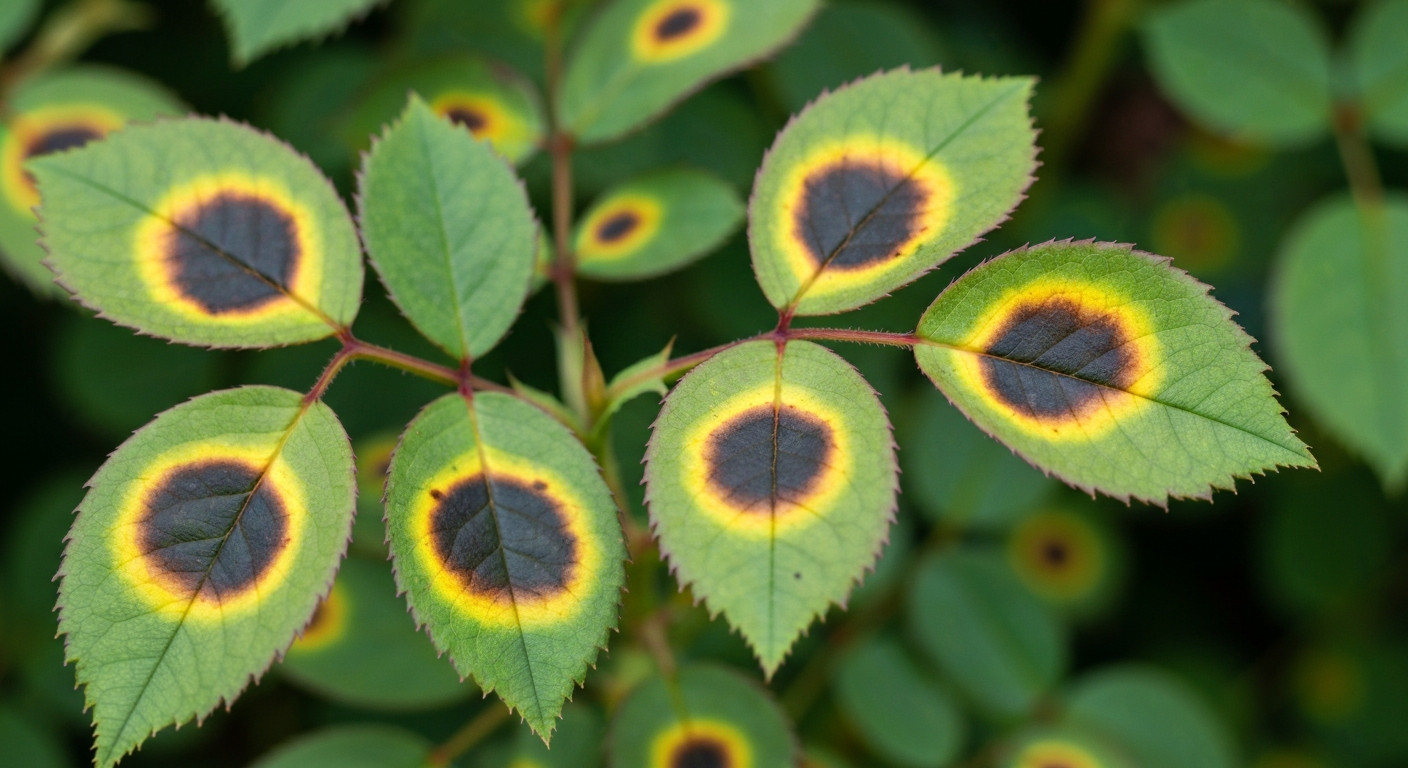
- Distinct Black Spots: The most obvious symptom is the appearance of circular black spots on the upper surface of leaves. These spots typically have fringed or feathery margins, differentiating them from other leaf spots which might be more defined or smooth-edged. They usually start small, around 1/4 inch in diameter, but can expand and merge to cover larger areas of the leaf.
- Yellow Halo: Each black spot is often surrounded by a bright yellow halo. This yellowing indicates the plant’s reaction to the fungal infection and is a key diagnostic feature.
- Leaf Yellowing and Drop: As the disease progresses, the entire leaf around the spots will turn yellow, eventually leading to premature defoliation. Affected leaves often drop off the plant, sometimes even before turning completely yellow. Severe infections can cause a rose bush to lose almost all its leaves, significantly weakening the plant.
- Stem Lesions: In advanced stages, or on highly susceptible varieties, purplish-red, raised lesions may also appear on young stems. These can sometimes develop into cankers, further compromising the plant’s health.
- Reduced Vigor and Flowering: A rose bush constantly shedding leaves due to black spot will have less energy for growth and flowering. You’ll notice fewer, smaller blooms, and the overall plant will appear stressed and unhealthy.
If you’re unsure whether what you’re seeing is black spot or another issue like brown spots on plant leaves, observing the characteristic yellow halo around the black spots is usually a definitive indicator.
Why Your Roses Get Black Spot: Causes and Conditions
Understanding the conditions that favor black spot development is key to both treatment and prevention. The fungus Diplocarpon rosae thrives under specific environmental circumstances:
- Prolonged Leaf Wetness: This is the most critical factor. Black spot spores germinate and infect leaves only when they remain wet for at least 6-7 hours, especially at temperatures between 65-75°F (18-24°C). Overhead watering, rain, and heavy dew are primary culprits.
- Humidity: High humidity levels, even without direct leaf wetness, can create an environment conducive to spore survival and spread.
- Warm Temperatures: While infections can occur over a range of temperatures, the optimal range for black spot development is moderate to warm.
- Poor Air Circulation: Densely planted roses or those surrounded by other plants that impede airflow can trap humidity, extending leaf wetness periods and creating ideal conditions for fungal growth.
- Susceptible Rose Varieties: Some rose cultivars are naturally more prone to black spot than others. Hybrid Teas and many older varieties are often highly susceptible, while many modern shrub roses, floribundas, and Kordes roses have been bred for increased resistance.
- Plant Stress: Roses that are already stressed due to poor nutrition, improper watering, pest infestations, or other diseases (like root rot) may be more vulnerable to black spot infection.
Diagnosing Black Spot: Is It Really Black Spot?
Accurate diagnosis is the first step towards effective sick plant care. While the symptoms of black spot are fairly distinct, it’s always good to be certain, especially since other issues can cause leaf discoloration.
- Observe Closely: Examine both the top and underside of leaves, as well as stems. Look for the classic black spots with yellow halos.
- Consider Environmental Factors: Think about recent weather conditions. Has it been warm and humid with frequent rain or overhead watering?
- Rule Out Other Issues: Be aware that other fungal diseases like powdery mildew on plants (which presents as white powdery patches) or other types of leaf spot disease might look superficially similar but require different treatments.
- Use a Plant Disease Identifier App: For a quick and reliable diagnosis, consider photographing the symptoms with a Plant Disease Identifier app on your iPhone. These apps leverage AI to analyze your plant’s images and provide potential diagnoses and treatment suggestions, helping you confirm if it’s truly black spot. While AI provides informational assistance, it’s important to remember it’s not a substitute for professional agricultural diagnosis.
If you suspect a plant disease but aren’t certain, taking the time to diagnose plant problems accurately will save you time and effort in the long run.
The Ultimate Guide to Rose Black Spot Treatment
Once diagnosed, prompt and consistent action is vital. Rose black spot treatment involves a multi-pronged approach combining cultural practices, organic solutions, and, when necessary, chemical fungicides.
Immediate Cultural Practices (Organic First Line of Defense)
These steps are crucial for both existing infections and preventing future outbreaks. They form the backbone of any effective black spot management strategy.
- Prune Infected Material: As soon as you spot infected leaves, remove them immediately. Prune off any stems showing signs of lesions. Always prune back to healthy wood. This physically removes fungal spores from the plant.
- Sanitize Tools: After pruning, thoroughly clean your pruning shears with a 10% bleach solution or rubbing alcohol. This prevents inadvertently spreading spores to healthy parts of the same plant or to other roses.
- Sanitation is Key: Collect and dispose of all fallen leaves and debris from around the base of the rose bush. This is where overwintering spores reside, ready to reinfect the plant in spring. Do not compost infected material; discard it in the trash.
- Improve Air Circulation: If your roses are densely planted or surrounded by other plants, prune nearby vegetation to allow for better airflow. This helps leaves dry more quickly after rain or watering.
- Watering Wisely: Avoid overhead watering, which wets the leaves and encourages fungal growth. Instead, water at the base of the plant using a soaker hose or drip irrigation. Water in the morning so any accidental splashes can dry quickly in the sun.
Organic Treatment Options
For gardeners preferring a natural approach, several organic treatments can be effective, especially when combined with good cultural practices.
- Neem Oil: A popular organic pesticide and fungicide, neem oil works by disrupting fungal growth. Mix according to package directions and spray all leaf surfaces (top and bottom) until dripping. Apply weekly, especially during periods conducive to black spot. Neem oil also offers some pest control benefits.
- Baking Soda Spray: A homemade solution can help. Mix 1 tablespoon of baking soda, 1 teaspoon of horticultural oil (or mild liquid soap), and 1 gallon of water. Spray thoroughly on all plant surfaces. The baking soda alters the pH on the leaf surface, making it less hospitable for fungal spores. Apply weekly, especially after rain.
- Copper-Based Fungicides: These are natural mineral fungicides that can be effective for black spot. Follow product instructions carefully, as copper can sometimes cause leaf burn if over-applied or used in very hot weather. They act as a protective barrier on the leaf surface.
- Sulfur-Based Fungicides: Similar to copper, sulfur sprays can help prevent and control fungal diseases. Apply according to label instructions, being mindful of temperature restrictions as sulfur can also cause burn in hot conditions.
When to Use Chemical Fungicides
For severe infestations, or if you have highly susceptible rose varieties in an area prone to black spot, chemical fungicides may be necessary. These offer more robust protection and curative properties.
- Contact Fungicides: These fungicides form a protective barrier on the plant surface, preventing spores from germinating and infecting leaves. They need to be reapplied regularly, especially after rain. Examples include chlorothalonil.
- Systemic Fungicides: These are absorbed by the plant and move through its tissues, offering protection from within. They can provide longer-lasting control and some curative action against existing infections. Examples include products containing propiconazole or myclobutanil.
- Application Strategy:
- Read Labels: Always, always follow the product label instructions precisely regarding mixing ratios, application frequency, and safety precautions.
- Rotate Fungicides: To prevent the fungus from developing resistance, rotate between fungicides with different active ingredients. For example, use a systemic fungicide for a few applications, then switch to a contact fungicide, then back to a systemic with a different active ingredient.
- Timing is Key: Apply fungicides preventatively, especially during periods of high humidity or frequent rain, or at the first sign of symptoms. Regular applications (typically every 7-14 days) are often required during the growing season.
- Full Coverage: Ensure complete coverage of all leaf surfaces, including the undersides, and stems.
Remember, fungicides are most effective as a preventative measure or when applied at the very first sign of disease. They cannot “cure” existing black spots on leaves, but they can protect new growth and prevent further spread.
Prevention is Key: Stopping Black Spot Before It Starts
The most effective strategy for managing rose black spot is prevention. By creating an environment where the fungus cannot thrive, you can significantly reduce the incidence and severity of the disease.
Choosing Resistant Varieties
This is your first and best line of defense. When purchasing new roses, look for varieties explicitly labeled as “black spot resistant” or “disease resistant.” Many modern rose breeders have focused on developing cultivars with natural immunity.
- Examples of Resistant Roses: Many Kordes roses, some shrub roses (e.g., ‘Knock Out’ series), and certain floribundas are known for their superior disease resistance. Researching local nurseries or online resources for disease-resistant roses in your climate zone is highly recommended.
Proper Planting and Spacing
Good air circulation is paramount.
- Adequate Spacing: Plant roses far enough apart to allow for excellent air movement between plants. This helps foliage dry quickly after rain or irrigation.
- Sunlight: Plant roses in a location that receives at least 6-8 hours of direct sunlight daily. Sun helps dry leaves and strengthens the plant’s overall health.
Watering Wisdom
As discussed, leaf wetness is the fungus’s best friend.
- Bottom Watering: Always water at the base of the plant using drip irrigation, soaker hoses, or a watering can. Avoid overhead sprinklers.
- Morning Watering: If leaves do get wet, water early in the day so the sun has ample time to dry them before evening.
Mulching for Health
A 2-3 inch layer of organic mulch (like shredded bark, compost, or pine straw) around the base of your roses offers multiple benefits:
- Suppresses Spores: Mulch acts as a barrier, preventing fungal spores from splashing up from the soil onto the lower leaves during watering or rain.
- Moisture Retention: Helps maintain consistent soil moisture, reducing plant stress.
- Weed Control: Reduces weed competition for water and nutrients.
Seasonal Pruning and Sanitation
Consistent garden hygiene is non-negotiable for black spot control.
- Dormant Pruning: In late winter or early spring, before new growth begins, prune out any remaining infected canes or leaves from the previous season. This removes overwintering spores.
- Regular Cleanup: Throughout the growing season, promptly remove and dispose of any infected leaves you find, whether still on the plant or fallen to the ground.
- Tool Sanitization: Always sterilize pruning tools between cuts, especially when working on different plants, to prevent spreading disease.
Common Mistakes to Avoid in Black Spot Management
Even experienced gardeners can make mistakes that hinder effective black spot control.
- Ignoring Early Symptoms: Waiting until the disease is widespread makes treatment much more difficult. Act quickly at the first sign of trouble.
- Improper Watering: Continuing to water overhead or in the evening will negate all other treatment efforts.
- Neglecting Sanitation: Leaving infected leaves on the ground or on the plant allows the fungus to persist and re-infect.
- Using the Same Fungicide Repeatedly: Over-reliance on a single fungicide can lead to the development of resistant fungal strains, rendering the product ineffective. Rotate active ingredients.
- Poor Air Circulation: Overcrowding plants or planting in shaded, humid areas will always be an uphill battle against black spot.
- Giving Up Too Soon: Black spot control requires persistence. A single application of a treatment won’t solve the problem. A consistent, ongoing strategy is necessary.
Beyond Black Spot: A Holistic Approach to Rose Health
While black spot is a major concern, remember that overall plant health is your best defense against all diseases and pests. A strong, healthy rose is better equipped to resist and recover from infections. Ensure your roses receive:
- Adequate Nutrition: Feed your roses with a balanced fertilizer designed for roses, following package directions.
- Consistent Water: Provide regular, deep watering, especially during dry spells.
- Pest Management: Address pest issues promptly, as stressed plants are more susceptible to disease.
- Regular Inspections: Make it a habit to regularly inspect your roses for any signs of trouble, from leaf spots to pest activity. This proactive approach helps you catch problems early.
By combining diligent cultural practices with targeted treatments, you can keep your roses thriving and minimize the impact of black spot. If you ever encounter other issues with your plants, remember resources like plantdiseaseapp.com are available to help you identify and address a wide range of plant diseases.
Conclusion
Rose black spot treatment is an ongoing commitment, but a rewarding one. By understanding the disease, implementing good cultural practices, and utilizing appropriate organic or chemical treatments, you can protect your roses from this common fungal foe. With vigilance and consistent care, your rose garden will continue to be a source of beauty and joy, adorned with healthy foliage and abundant, stunning blooms. Happy gardening!