

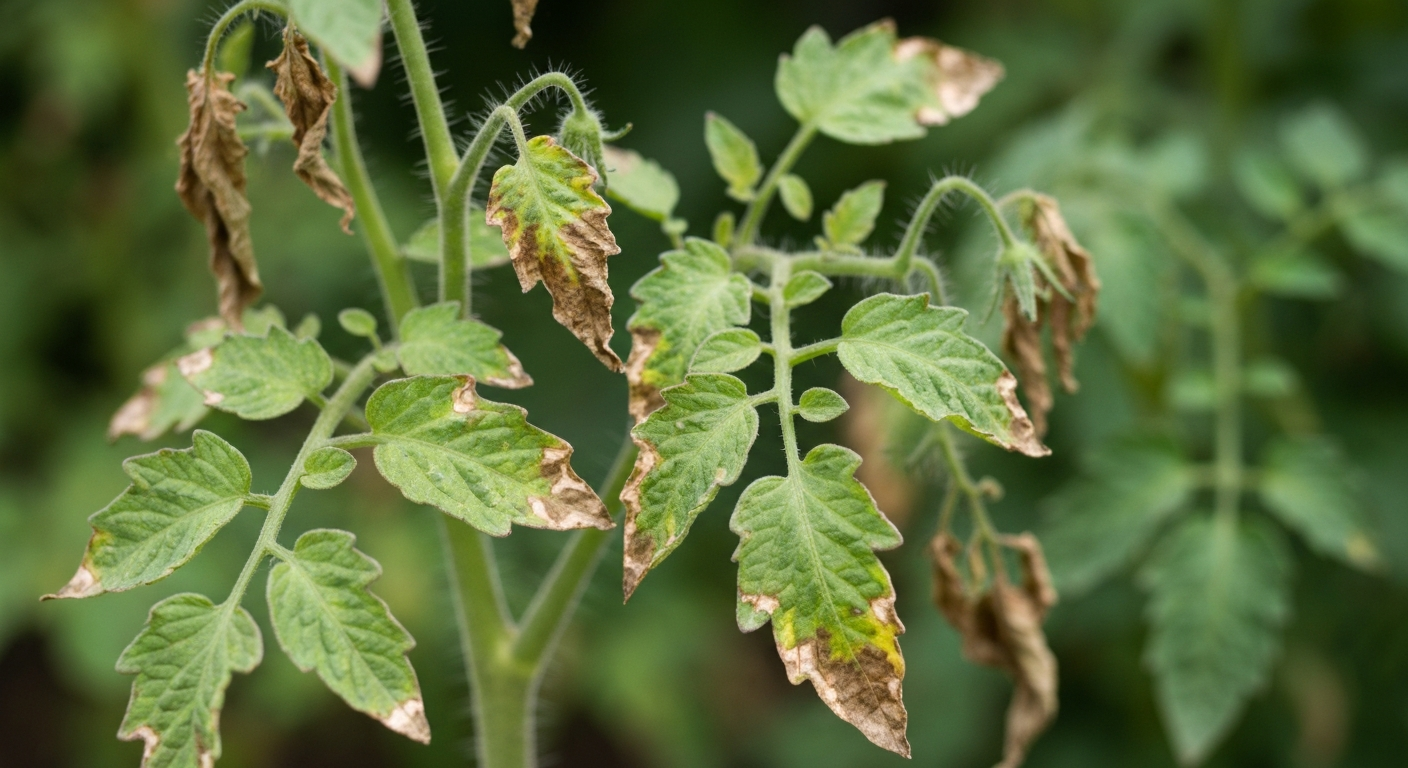
For many home gardeners, the sight of a vibrant tomato plant laden with ripening fruit is the ultimate reward. However, the journey to a bountiful harvest is often fraught with challenges. Tomato plant problems are incredibly common, ranging from annoying pests to devastating diseases and environmental stressors. Understanding how to identify, diagnose, and treat these issues is crucial for successful tomato cultivation. As your Senior Plant Care Editor, I’m here to guide you through the most frequent problems you might encounter and equip you with practical, actionable solutions.
This comprehensive guide will walk you through recognizing symptoms, understanding their causes, and implementing effective strategies to keep your tomato plants healthy and productive. We’ll cover everything from common fungal diseases to pesky insects and environmental woes, ensuring you have the knowledge to tackle whatever your garden throws at you.
The Importance of Early Diagnosis
The first step in addressing any plant problem is early and accurate diagnosis. A small issue, if ignored, can quickly escalate, jeopardizing your entire crop. Regular inspection of your plants – leaves, stems, fruits, and even the soil – is paramount. Look for changes in color, texture, growth patterns, and the presence of any visible pests.
When you spot something amiss, don’t panic! Take a moment to observe carefully. What exactly do you see? Where on the plant is it located? How quickly has it spread? This detailed observation is your best tool. If you’re unsure, photographing the symptoms with an app like the Plant Disease Identifier on your iPhone can provide initial insights, helping you to understand potential issues and guide your next steps. Remember, AI tools are for informational purposes and should not replace professional agricultural advice.
Understanding Common Tomato Plant Problems
Tomato problems can generally be categorized into three main groups: diseases, pests, and environmental/cultural issues. Often, symptoms can overlap, making diagnosis tricky, but knowing the common culprits for each category is a great starting point.
1. Fungal, Bacterial, and Viral Diseases
Tomato plants are susceptible to a wide array of diseases, many of which are caused by fungi, bacteria, or viruses. Early detection and proactive management are key to preventing widespread damage. For a broader look at common ailments, explore our guide to tomato plant diseases.
Early Blight (Alternaria solani)
- Symptoms: Dark brown to black spots, often with concentric rings (like a target pattern), appear on older leaves first. A yellow halo may surround the spots. Can also affect stems (collar rot) and fruits near the stem.
- Causes: Fungal pathogen that thrives in warm, humid conditions. Spores are spread by wind, splashing water, and contaminated tools.
- Treatment & Prevention:
- Remove and destroy infected leaves immediately.
- Improve air circulation by proper spacing and pruning.
- Water at the base of the plant to avoid wetting foliage.
- Mulch around plants to prevent soil splash.
- Use copper or organic fungicides as a preventative measure in disease-prone areas.
- Rotate crops.
Late Blight (Phytophthora infestans)
- Symptoms: Large, irregular, water-soaked spots on leaves and stems, often starting at the tips or edges. On the underside of leaves, a fuzzy white mold may be visible in humid conditions. Fruits develop greasy-looking, firm, brown lesions. Rapid spread.
- Causes: Oomycete (water mold) that thrives in cool, wet, and humid conditions. Highly destructive and can wipe out a crop quickly.
- Treatment & Prevention:
- This disease is highly aggressive. As soon as late blight is suspected, remove and destroy (do not compost) infected plants to prevent spread.
- Choose resistant varieties if you live in an area prone to late blight.
- Maintain good air circulation.
- Apply preventative copper or synthetic fungicides in areas where late blight is common, especially during cool, wet periods.
Fusarium Wilt & Verticillium Wilt
- Symptoms: Yellowing and wilting of leaves, often starting on one side of the plant or one branch. Symptoms progress upwards, leading to plant death. Cross-sectioning the stem near the base may reveal discolored vascular tissue (brown streaking).
- Causes: Soil-borne fungal pathogens that enter through roots and block water uptake. They thrive in warm (Fusarium) or moderate (Verticillium) soil temperatures.
- Treatment & Prevention:
- No chemical cure once infected. Remove and destroy infected plants.
- Choose resistant varieties (look for ‘F’ and ‘V’ on seed packets).
- Practice strict crop rotation (at least 3-4 years).
- Sanitize tools.
Bacterial Spot & Canker
- Symptoms:
- Bacterial Spot: Small, dark, water-soaked spots on leaves that enlarge and become necrotic with yellow halos. Spots on fruit are raised, dark, and scabby.
- Bacterial Canker: Wilting, often starting with lower leaves. Leaves develop white margins that eventually turn brown and crispy. Stems may show light-colored streaks that crack open into cankers. Fruits can develop small, raised spots with white halos (bird’s-eye spot).
- Causes: Bacterial pathogens (e.g., Xanthomonas campestris pv. vesicatoria for spot, Clavibacter michiganensis subsp. michiganensis for canker) spread by splashing water, rain, wind, and contaminated tools.
- Treatment & Prevention:
- Remove and destroy infected plants.
- Avoid overhead watering.
- Sanitize tools thoroughly.
- Use disease-free seeds and transplants.
- Copper-based sprays can offer some preventative protection but are not curative.
Powdery Mildew
- Symptoms: White, powdery patches on the surface of leaves, stems, and sometimes fruit. Infected leaves may turn yellow, curl, and eventually die.
- Causes: Fungal disease (multiple species) that thrives in moderate temperatures and high humidity, but paradoxically, low leaf wetness (it doesn’t need rain to spread, just still, humid air).
- Treatment & Prevention:
- Improve air circulation.
- Remove affected leaves.
- Apply neem oil, sulfur-based fungicides, or bicarbonate solutions (baking soda spray).
- Consider resistant varieties.
- Learn more about managing powdery mildew on plants and explore our topics on powdery mildew.
2. Common Tomato Plant Pests
Pests can weaken plants, transmit diseases, and directly damage fruits. Regular scouting is essential to catch infestations early.
Aphids
- Symptoms: Small, pear-shaped insects clustered on new growth, leaf undersides, and stems. Leaves may appear distorted, yellow, or sticky with honeydew (a sugary excretion), which can lead to sooty mold.
- Treatment: Spray with a strong stream of water to dislodge them. Use insecticidal soap or neem oil. Introduce beneficial insects like ladybugs.
Tomato Hornworms
- Symptoms: Large, green caterpillars with a “horn” at their rear. They voraciously chew leaves, often defoliating entire branches overnight. Dark droppings (frass) may be visible on leaves below.
- Treatment: Hand-pick and destroy them. Look for hornworms with white, rice-like cocoons on their backs – these are parasitic wasp larvae, and you should leave these hornworms to allow the wasps to complete their lifecycle and help control the pest.
Spider Mites
- Symptoms: Tiny arachnids, often difficult to see with the naked eye. Leaves develop stippling (tiny yellow or white dots), turn bronze, and may have fine webbing on the undersides or between stems.
- Treatment: Spray with a strong stream of water. Use insecticidal soap or neem oil. Increase humidity around plants.
Whiteflies
- Symptoms: Small, white, moth-like insects that fly up in a cloud when disturbed from the undersides of leaves. Leaves may turn yellow and become sticky with honeydew.
- Treatment: Use yellow sticky traps. Spray with insecticidal soap or neem oil. Introduce beneficial insects like parasitic wasps.
Environmental Stressors & Nutrient Deficiencies
Sometimes, the problem isn’t a pest or disease but rather an issue with the growing conditions or nutrient availability. These can be just as detrimental to your harvest.
Blossom End Rot
- Symptoms: A dark, sunken, leathery spot appears on the blossom end (bottom) of the fruit.
- Causes: Not a disease, but a physiological disorder caused by a localized calcium deficiency in the developing fruit, often due to inconsistent watering, rapid growth, or damaged roots. It’s not necessarily a lack of calcium in the soil, but rather the plant’s inability to transport it efficiently to the fruit.
- Treatment & Prevention: Ensure consistent, deep watering. Maintain even soil moisture with mulch. Avoid excessive nitrogen fertilization, which can promote lush foliage at the expense of fruit development. If soil tests show calcium deficiency, amend the soil.
Sunscald
- Symptoms: White or yellow patches appear on ripening fruit, often on the side exposed to direct sun. These areas can become thin, papery, and eventually rot.
- Causes: Excessive direct sunlight and heat, especially on fruits that were previously shaded and then suddenly exposed (e.g., after pruning).
- Treatment & Prevention: Provide some shade during the hottest parts of the day if temperatures are extreme. Ensure sufficient foliage to protect developing fruits.
Fruit Cracking
- Symptoms: Cracks appear on ripening tomatoes, often near the stem end.
- Causes: Rapid changes in soil moisture, especially after a dry spell followed by heavy rain or watering. The sudden influx of water causes the fruit to expand faster than its skin can stretch.
- Treatment & Prevention: Maintain consistent soil moisture. Choose crack-resistant varieties.
Yellowing Leaves
- Symptoms: Leaves turn yellow, sometimes uniformly, sometimes between the veins.
- Causes:
- Nitrogen Deficiency: Older, lower leaves turn uniformly yellow and may drop.
- Overwatering/Poor Drainage: Causes roots to suffocate, leading to yellowing and wilting. Can also lead to root rot.
- Underwatering: Leaves may yellow, wilt, and become crispy.
- Magnesium Deficiency: Yellowing between veins (interveinal chlorosis) on older leaves, while veins remain green.
- Diseases: As mentioned, many diseases cause yellowing.
- Treatment & Prevention: Identify the specific cause. Adjust watering. Fertilize with a balanced fertilizer or one specific to the deficiency. Improve drainage.
Leaf Curl
- Symptoms: Leaves roll or curl upwards or downwards.
- Causes:
- Physiological Leaf Roll: Often in response to heat, drought, or excessive pruning. Lower leaves roll upwards and become stiff. This is generally harmless.
- Herbicide Drift: Leaves may curl, twist, and become distorted if exposed to certain herbicides.
- Viral Diseases: Leaves may curl, become stunted, mottled, or discolored.
- Overwatering/Underwaterer: Can also cause stress leading to curling.
- Treatment & Prevention: Identify the cause. If physiological, it often resolves with improved conditions. Avoid using herbicides near your garden. Remove virus-infected plants.
General Treatment & Management Strategies
Once you’ve identified a problem, it’s time to act. Your approach will depend on the specific issue, but here are some general strategies. If you’re struggling to diagnose plant problems or have a generally sick plant, remember our app can help narrow down the possibilities.
Organic Solutions
Many common tomato problems can be managed with organic methods, which are safer for your family, pets, and the environment.
- Neem Oil: A natural pesticide and fungicide that disrupts insect feeding and reproduction, and can inhibit fungal growth. Apply according to package directions.
- Insecticidal Soap: Effective against soft-bodied insects like aphids, whiteflies, and spider mites. Works by disrupting their cell membranes.
- Hand-picking: For larger pests like hornworms, simply picking them off the plant and destroying them is highly effective.
- Companion Planting: Certain plants can deter pests. Marigolds, for example, are known to repel nematodes and some insects. Basil can deter tomato hornworms.
- Beneficial Insects: Encourage natural predators like ladybugs, lacewings, and parasitic wasps by avoiding broad-spectrum pesticides and planting flowers that attract them.
When to Consider Fungicides
For severe fungal diseases, especially in humid climates where diseases spread rapidly, fungicides may be necessary.
- Identification is Key: Always identify the specific disease before applying a fungicide. Different fungicides target different types of fungi.
- Organic Options: Copper and sulfur-based fungicides are approved for organic gardening and can be effective against many fungal and bacterial diseases, especially as preventative measures.
- Synthetic Fungicides: For persistent or aggressive diseases like late blight, synthetic fungicides might offer stronger control. Always read and follow label instructions carefully regarding application rates, timing, and safety precautions.
- Prevention First: Fungicides are generally more effective as a preventative measure or at the very first sign of disease, rather than a cure for widespread infection.
Pruning & Sanitation
- Pruning: Remove yellowing, diseased, or damaged leaves and suckers (non-fruiting shoots) to improve air circulation and reduce disease spread. Always use clean, sharp pruning shears and sanitize them with rubbing alcohol or a bleach solution between plants, especially if you suspect disease.
- Sanitation: Remove fallen leaves, fruits, and plant debris from around the base of your plants. Many disease pathogens can overwinter in plant debris. Clean up your garden beds thoroughly at the end of the season.
Crop Rotation
This is one of the most effective long-term strategies for preventing soil-borne diseases and pests. Avoid planting tomatoes (or other members of the nightshade family like peppers, eggplants, potatoes) in the same spot for at least 3-4 years. This deprives disease pathogens and pest larvae of their host plants, reducing their populations in the soil.
Preventing Tomato Plant Problems: Best Practices
Prevention is always easier than cure. Implementing good cultural practices from the start can significantly reduce the incidence of tomato plant problems.
Proper Site Selection & Soil Preparation
- Sunlight: Tomatoes need at least 6-8 hours of direct sunlight per day.
- Soil: Well-draining, fertile soil rich in organic matter is crucial. A pH between 6.0 and 6.8 is ideal.
- Raised Beds/Containers: If your native soil is poor, consider raised beds or large containers filled with a quality potting mix.
Watering Techniques
- Consistency: Water deeply and consistently, especially during flowering and fruiting. Aim for 1-2 inches of water per week, adjusting for rainfall and weather.
- Avoid Overhead Watering: Water at the base of the plant using drip irrigation, soaker hoses, or a watering can. Wet foliage can encourage fungal diseases like leaf spot disease, which causes brown spots on plant leaves.
- Mulch: Apply a 2-4 inch layer of organic mulch (straw, shredded leaves, wood chips) around plants. Mulch conserves soil moisture, suppresses weeds, and prevents soil splash, which can spread soil-borne pathogens.
Fertilization
- Soil Test: Conduct a soil test to determine your soil’s nutrient levels. This prevents over- or under-fertilization.
- Balanced Feeding: Use a balanced fertilizer during initial growth, then switch to one slightly higher in phosphorus and potassium once flowering begins to support fruit production. Avoid excessive nitrogen, which promotes leafy growth at the expense of fruit.
Support & Air Circulation
- Staking/Caging: Provide sturdy support (stakes, cages, trellises) for your tomato plants. This keeps fruits off the ground, improves air circulation around the foliage, and prevents plants from sprawling, which can lead to disease.
- Spacing: Plant tomatoes at the recommended spacing to ensure good air movement between plants, which helps dry foliage and reduces disease pressure.
Choosing Resistant Varieties
When purchasing seeds or seedlings, look for varieties labeled with disease resistance codes (e.g., ‘VFN’ for Verticillium, Fusarium, and Nematodes; ‘T’ for Tobacco Mosaic Virus; ‘A’ for Alternaria stem canker). This is your first line of defense against many common diseases.
Regular Monitoring
Make it a habit to inspect your tomato plants daily or every other day. Look at the top and bottom of leaves, stems, and developing fruits. The earlier you spot a problem, the easier it is to manage. Remember, you can use our Plant Disease Identifier app to help you identify any suspicious symptoms. For a general overview of plant disease issues, our blog has you covered.
Common Mistakes Home Gardeners Make
Even experienced gardeners can make mistakes. Avoiding these common pitfalls can significantly improve your chances of a successful tomato harvest:
- Overwatering/Underwatering: Both extremes stress plants and make them more susceptible to disease and nutrient deficiencies. Stick to consistent, deep watering.
- Ignoring Early Symptoms: A small spot today can be a widespread infection tomorrow. Act quickly!
- Poor Air Circulation: Overcrowding plants or not pruning properly creates a humid microclimate ideal for fungal diseases.
- Not Rotating Crops: Planting tomatoes in the same spot year after year builds up soil-borne pathogens.
- Improper Fertilization: Too much nitrogen can lead to lush foliage but few fruits, while deficiencies can stunt growth and cause yellowing.
- Using Contaminated Tools: Diseases can easily spread from one plant to another via uncleaned pruning shears.