

As a home gardener, few things are as disheartening as watching a beloved tree begin to decline. The vibrant leaves turn dull, branches lose their vigor, and the tree that once provided shade and beauty starts to look sickly. Understanding tree diseases is the first step toward protecting these valuable assets in your landscape. From subtle discoloration to severe structural damage, tree diseases can manifest in many ways, often requiring keen observation and timely intervention. This guide will walk you through identifying, understanding, and effectively managing common tree ailments, helping you keep your arboreal friends healthy and thriving for years to come.
Why Trees Get Sick: Understanding the Causes
Trees, like all living organisms, are susceptible to a variety of health issues. These problems can stem from a combination of environmental factors, pest infestations, and pathogenic organisms. Recognizing the root cause is crucial for effective treatment.
Environmental Stressors
Many tree diseases are opportunistic, meaning they take hold when a tree is already weakened by stress. Environmental stressors are often the primary culprits:
- Drought: Prolonged lack of water weakens a tree’s defenses, making it more vulnerable to disease.
- Overwatering/Poor Drainage: Saturated soil deprives roots of oxygen, leading to stress and conditions ripe for fungal diseases like root rot.
- Nutrient Deficiencies: Lack of essential nutrients can impair a tree’s immune system and growth.
- Temperature Extremes: Frost damage, heat stress, or sudden temperature fluctuations can injure tissues and create entry points for pathogens.
- Soil Compaction: Compacted soil restricts root growth and water/nutrient absorption.
- Improper Planting: Planting a tree too deep or too shallow, or in unsuitable soil, can cause chronic stress.
Pests as Disease Vectors
While this article focuses on diseases, it’s important to note that pests often play a role. Some insects, like aphids or leafhoppers, can transmit viral or bacterial diseases from one tree to another. Others, like borers, create wounds that allow fungal or bacterial pathogens to enter the tree.
Pathogenic Organisms
The most direct causes of tree diseases are pathogens:
- Fungi: The vast majority of tree diseases are caused by fungi. These microscopic organisms thrive in moist conditions and can cause leaf spots, cankers, wilting, decay, and powdery mildew.
- Bacteria: Bacterial diseases are less common but can be very destructive, causing blights, galls, and leaf scorch.
- Viruses: Viruses are even smaller and often harder to diagnose. They typically cause stunted growth, distorted leaves, and discoloration, and are often spread by insects.
- Oomycetes: Often grouped with fungi, these water molds (like Phytophthora) are responsible for many types of root rot and stem blights.
Common Symptoms of Tree Diseases
Early detection is paramount when dealing with tree diseases. Familiarize yourself with these common symptoms that can indicate a problem:
Leaf Symptoms
- Discoloration: Yellowing (chlorosis), browning, purpling, or premature reddening.
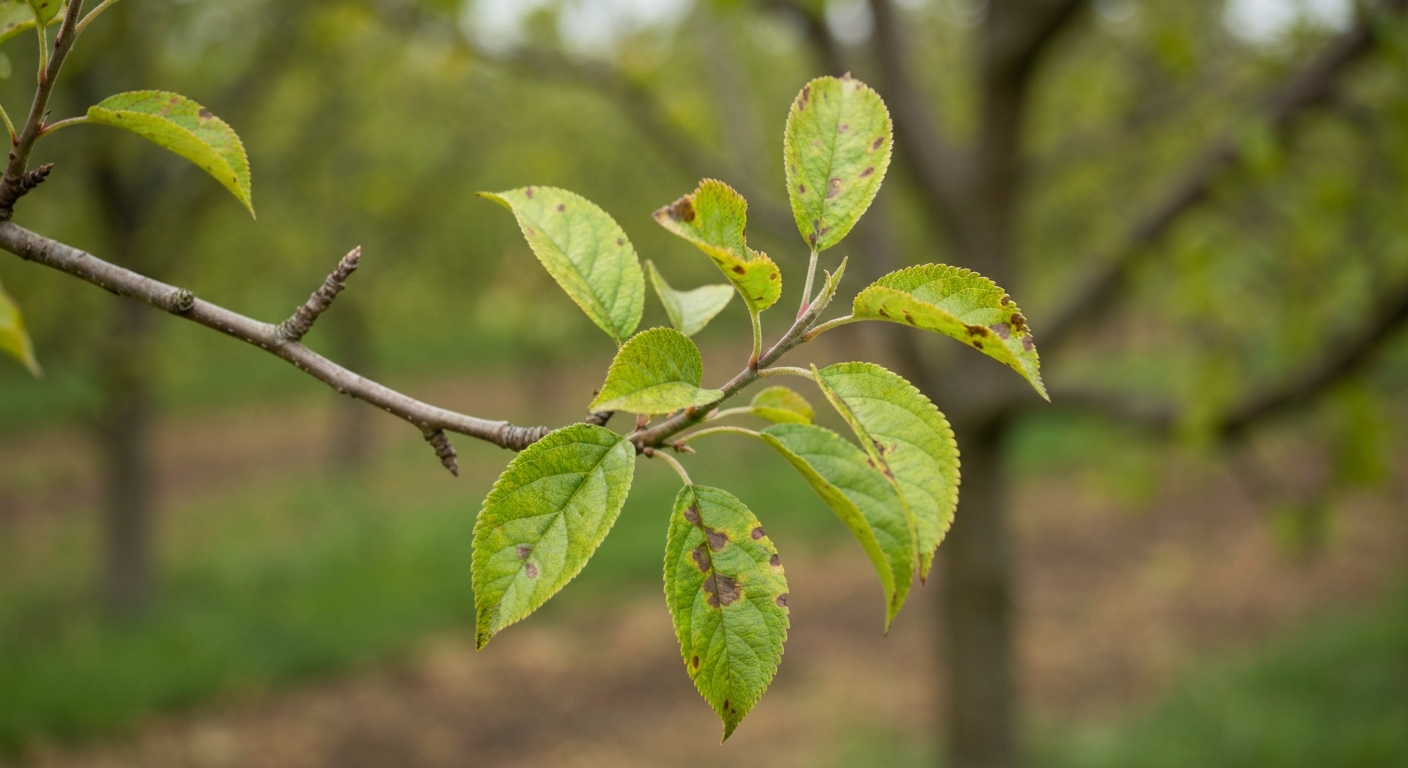
- Spots: Small, circular, irregular, or angular spots on leaves, often with distinct borders or halos. These can be indicative of leaf spot disease.
- Wilting: Drooping or curling leaves, even when the soil is moist, suggesting a problem with water transport.
- Distortion: Crinkled, curled, stunted, or misshapen leaves.
- Premature Leaf Drop: Leaves falling off outside of their normal autumnal schedule.
- Powdery Growth: A white, powdery coating on leaves, stems, and sometimes flowers, characteristic of powdery mildew on plants.
Branch & Twig Symptoms
- Dieback: Branches or twigs dying back from the tips.
- Cankers: Sunken, discolored, or swollen areas on branches or the trunk, often with oozing sap.
- Galls: Abnormal swellings or growths on branches, twigs, or leaves.
- Scabs: Raised, rough spots on fruit or twigs.
Trunk & Bark Symptoms
- Cracks or Splits: Unnatural fissures in the bark.
- Oozing Sap: Sap bleeding from the bark, sometimes discolored or accompanied by slime.
- Decay/Soft Spots: Areas where the bark or wood feels soft or spongy.
- Fruiting Bodies: Mushrooms or conks growing on the trunk or branches, indicating internal wood decay.
- Discoloration: Dark streaks or patches on the bark.
Root Symptoms (Indirect)
Root diseases are harder to spot directly but often manifest as overall tree decline, stunted growth, wilting, or yellowing leaves despite adequate care. This is often the case with root rot.
| Symptom Category | Specific Symptoms | Potential Issues |
|---|---|---|
| Leaves | Yellowing, browning, spots, wilting, premature drop | Nutrient deficiency, drought, fungal leaf spots, bacterial scorch, root problems |
| Branches & Twigs | Dieback, cankers, galls, abnormal growths | Fungal cankers, bacterial blights, insect galls, environmental stress |
| Trunk & Bark | Cracks, oozing sap, decay, mushrooms, discolored areas | Fungal cankers, wood decay, bacterial wetwood, sunscald, borers |
| Overall Tree Vigor | Stunted growth, general decline, sparse canopy | Root rot, severe nutrient deficiency, systemic diseases, significant environmental stress |
Diagnosing Tree Diseases: Your Detective Work
Accurate diagnosis is the cornerstone of effective treatment. Without knowing what you’re dealing with, you might apply the wrong solution, potentially harming your tree further or wasting time and resources. Here’s how to approach diagnosis:
- Observe Carefully: Walk around your tree, examining it from top to bottom. Note the pattern of symptoms: Are they on new leaves or old? One branch or the entire tree? Is the problem worse on one side? Look for specific details like the color, size, and shape of leaf spots, or the texture of bark abnormalities.
- Consider the Environment: Think about recent weather patterns (drought, heavy rain, frost), changes in irrigation, construction nearby, or any recent applications of chemicals. Environmental factors often mimic disease symptoms or predispose trees to infection.
- Check for Pests: Rule out insect infestations. Many pest damages can be mistaken for diseases. Look for insects themselves, webbing, frass (insect droppings), or chewed leaves.
- Use a Diagnostic Tool: For quick identification, a tool like the Plant Disease Identifier app on your iPhone can be incredibly helpful. Simply take a clear photo of the affected area, and the app can provide potential diagnoses and treatment suggestions. It’s a fantastic first step in understanding what might be ailing your tree. You can learn more about how it works by visiting our guide on the Plant Disease Identifier app.
- Research: Once you have a potential diagnosis, research the specific disease. Look up images and descriptions to confirm if your symptoms match.
- When to Call a Professional: While AI-powered tools and online resources are excellent for informational purposes, they are not a substitute for professional agricultural or medical diagnosis. If you’re unsure, if the disease is severe, or if the tree is large and valuable, it’s always best to consult a certified arborist or a local extension agent. They can provide an expert diagnosis and recommend appropriate, often specialized, treatments. For more general guidance on identifying issues, check out our article on diagnose plant problems.
Specific Tree Diseases to Watch Out For
Let’s delve into some of the more common tree diseases home gardeners encounter, categorized by pathogen type.
Fungal Diseases
Fungi are responsible for the vast majority of tree diseases. They thrive in moist conditions and can affect almost any part of a tree.
- Powdery Mildew: This common fungal disease creates a white, powdery coating on leaves, shoots, and sometimes flowers. While rarely fatal, it can weaken young trees and reduce aesthetic value. It’s prevalent on trees like crape myrtles, oaks, and maples. Good air circulation and resistant varieties help. Learn more about controlling powdery mildew or specifically powdery mildew on plants.
- Leaf Spot Diseases: A broad category including diseases like Anthracnose, Tar Spot, and various other fungal leaf spots. Symptoms include distinct brown spots on plant leaves or black spots, often with yellow halos. These usually cause cosmetic damage and premature leaf drop but can weaken a tree over time if severe and recurring. Good sanitation and proper pruning are key.
- Cankers: Fungal cankers (e.g., Nectria, Cytospora) cause sunken, discolored lesions on bark, often leading to dieback of branches beyond the canker. They often appear on stressed trees. Pruning out infected branches and improving tree vigor are primary treatments.
- Root Rot: Caused by various soil-borne fungi and oomycetes (like Phytophthora), root rot occurs in waterlogged soils. Symptoms include wilting, yellowing leaves, stunted growth, and eventual tree decline. Prevention involves ensuring good drainage and avoiding overwatering.
- Wood Decay: Indicated by mushrooms or conks growing on the trunk or branches, wood decay fungi break down the heartwood of a tree. This weakens the tree structurally, making it prone to breakage. Often, by the time fruiting bodies appear, significant internal damage has occurred. Prevention focuses on avoiding wounds and promoting overall tree health.
Bacterial Diseases
Bacterial diseases are generally less common than fungal ones but can be quite serious.
- Bacterial Leaf Scorch (BLS): Often mistaken for drought stress, BLS causes a characteristic browning or scorching of leaf margins, typically progressing inwards. It’s caused by bacteria that clog the tree’s water-conducting tissues. There’s no cure, but managing tree stress can help prolong its life.
- Fire Blight: Primarily affecting apple, pear, and other members of the rose family (including some ornamental trees like hawthorn), fire blight causes branches and blossoms to look scorched, as if by fire. The disease can rapidly spread. Pruning infected branches well into healthy wood and sanitizing tools is crucial.
Viral Diseases
Viral diseases are difficult to diagnose and treat. They often cause stunted growth, distorted leaves, and unusual patterns of discoloration. They are typically spread by sap-sucking insects or through infected pruning tools. There are generally no chemical cures for viral tree diseases; management focuses on removing infected plants and controlling vectors.
Treatment Strategies for Sick Trees
Once you’ve identified a disease, the next step is to implement a treatment plan. Remember, prevention and cultural control are always the first line of defense.
Non-Chemical/Organic Approaches
Many tree diseases can be managed effectively without resorting to synthetic chemicals.
- Pruning Infected Parts: For diseases like cankers, fire blight, and some leaf spots, carefully prune out diseased branches. Make cuts into healthy wood, well below the visible symptoms. Always sanitize your pruning tools with a 10% bleach solution or rubbing alcohol between cuts to prevent spreading the pathogen to other parts of the tree or other plants.
- Improving Air Circulation: For fungal diseases like powdery mildew, thin out dense canopies to allow for better air movement, which reduces humidity around leaves.
- Watering Appropriately: Ensure trees receive adequate water, especially during dry spells, but avoid overwatering. Deep, infrequent watering encourages strong root growth.
- Soil Amendments: Improve soil structure and fertility with organic matter like compost. This enhances drainage, provides nutrients, and supports beneficial soil microbes.
- Sanitation: Rake up and dispose of fallen diseased leaves, fruit, or branches. This removes overwintering spores and reduces inoculum for the next season.
- Resistant Varieties: When planting new trees, choose varieties known to be resistant to common local diseases.
When Fungicides and Pesticides Help
While cultural practices are often sufficient, sometimes chemical interventions are necessary, especially for severe or persistent diseases.
- Fungicides: These are effective against many fungal diseases, such as rusts, powdery mildew, and some leaf spots. They are typically applied preventatively or at the first sign of disease. It’s crucial to identify the specific fungal disease, as different fungicides target different types of fungi. Always follow label instructions carefully regarding application rates, timing, and safety precautions.
- Bactericides: Less common for home gardeners, these may be used for specific bacterial diseases like fire blight in commercial orchards.
- Systemic vs. Contact: Some chemicals are contact (protecting the surface), while others are systemic (absorbed by the plant). Understand which type is appropriate for your situation.
Important Disclaimer: Always read and follow the product label carefully. Misuse of chemical treatments can harm your tree, other plants, beneficial insects, and the environment. Consider consulting a professional for complex applications.
Prevention is Key: Keeping Your Trees Healthy
The best way to deal with tree diseases is to prevent them from occurring in the first place. A healthy tree is a resilient tree.
- Proper Planting: “Right tree, right place” is a golden rule. Choose tree species suitable for your climate, soil type, and available space. Plant correctly, ensuring the root flare is at or slightly above soil level.
- Adequate Watering: Provide consistent, deep watering, especially for young trees and during dry periods. Avoid frequent, shallow watering.
- Nutrition: Conduct a soil test to determine nutrient needs. Fertilize only when necessary and according to recommendations. Over-fertilizing can sometimes promote lush, susceptible growth.
- Mulching: Apply a 2-4 inch layer of organic mulch (like wood chips) around the base of the tree, keeping it a few inches away from the trunk. Mulch conserves moisture, moderates soil temperature, and suppresses weeds.
- Correct Pruning: Prune for good structure, remove dead or crossing branches, and improve air circulation. Use sharp, clean tools. Avoid excessive pruning, which can stress the tree.
- Pest Management: Regularly inspect your trees for signs of pests. Early intervention can prevent them from transmitting diseases or creating wounds.
- Regular Monitoring: Make it a habit to regularly inspect your trees for any changes in appearance. Early detection of symptoms, even subtle ones, can make a huge difference in successful treatment. Our guide on recognizing a sick plant offers more general advice.
Common Mistakes Home Gardeners Make
Even experienced gardeners can make errors that exacerbate tree disease problems.
- Ignoring Early Symptoms: Small spots or minor leaf discoloration might seem insignificant, but they can be the first signs of a serious problem.
- Misdiagnosis: Assuming all leaf spots are the same, or mistaking a nutrient deficiency for a fungal infection, leads to ineffective treatment. This is where tools like our Plant Disease Identifier app can really help by guiding you toward accurate identification. Just snap a photo of the problem on your iPhone!
- Improper Pruning: “Hatracking” (topping a tree) or making flush cuts can severely stress a tree and create large wounds that invite decay fungi.
- Overwatering or Underwatering: Both extremes stress trees and make them vulnerable.
- Applying the Wrong Treatment: Using a fungicide for a bacterial disease, or an insecticide for a fungal issue, is not only ineffective but can also be harmful.
- Neglecting Sanitation: Leaving diseased plant material on the ground allows pathogens to overwinter and reinfect the tree next season.
- Planting Susceptible Varieties: Choosing trees that are known to struggle with common diseases in your region can lead to recurring problems.
Conclusion
Caring for trees is a rewarding endeavor that adds immense value to your property and the environment. While tree diseases can be challenging, a proactive approach combining careful observation, accurate diagnosis, and appropriate cultural practices can keep your trees healthy and resilient. Remember to regularly inspect your trees, understand their specific needs, and don’t hesitate to use available resources—like the Plant Disease Identifier app or a local arborist—when you need assistance. By staying vigilant and informed, you can ensure your trees thrive for generations to come.