

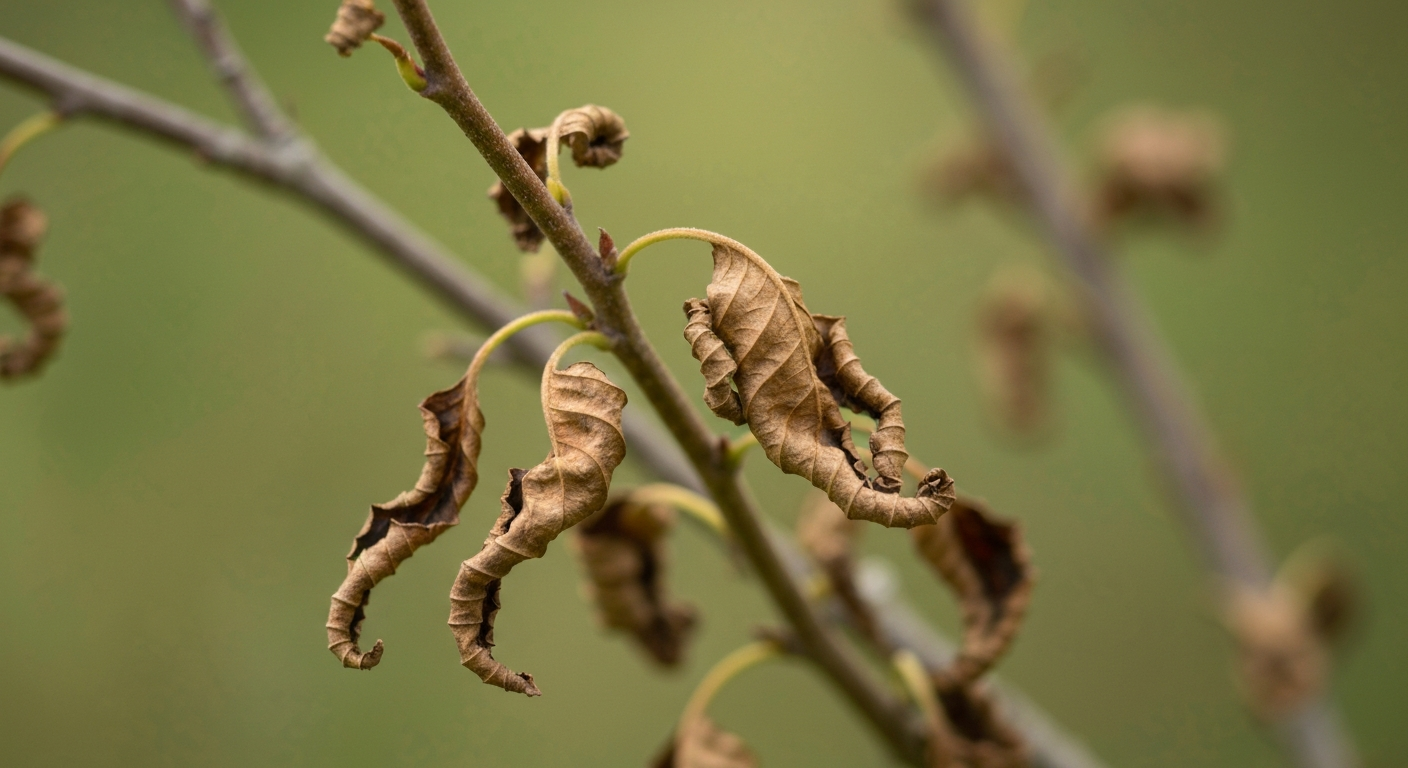
Imagine walking through your garden, admiring your thriving plants, only to notice a sudden, inexplicable decline in one of your favorites. Leaves begin to yellow, branches droop, and despite your best efforts with watering, the plant continues to wither. This heartbreaking scenario is often the calling card of verticillium wilt, a devastating soil-borne fungal disease that acts as a silent killer, slowly but surely choking the life out of hundreds of plant species. As Senior Plant Care Editor for plantdiseaseapp.com, I’m here to help you understand this insidious foe, equip you with the knowledge to identify its presence, and arm you with strategies to protect your garden from its destructive grasp.
What is Verticillium Wilt?
Verticillium wilt is a systemic plant disease caused primarily by two species of fungi: Verticillium dahliae and Verticillium albo-atrum. These fungi are masters of stealth, residing in the soil for many years as microscopic, dormant structures called microsclerotia. When a susceptible plant’s roots grow near these dormant spores, the fungi spring to life, invading the root system. Once inside, they colonize the plant’s xylem – the vascular tissues responsible for transporting water and nutrients from the roots to the rest of the plant.
As the fungi multiply, they essentially clog these essential pipelines. This blockage, combined with toxins produced by the fungi, prevents the plant from accessing the water and nutrients it needs, leading to the characteristic wilting symptoms that give the disease its name. It’s akin to a blocked artery in humans; without proper circulation, the affected parts begin to fail.
Identifying Verticillium Wilt: Symptoms to Watch For
Diagnosing verticillium wilt can be tricky because its symptoms often mimic other plant problems like drought stress, nutrient deficiencies, or even other diseases. However, there are key indicators to look for, often progressing in a specific pattern.
Early Symptoms
- Sudden Wilting: Often, the first sign is a sudden wilting of leaves or branches, particularly during the hottest part of the day, even if the soil is adequately moist. This wilting may temporarily recover overnight or during cooler periods, only to reappear.
- Unilateral Symptoms: A hallmark of verticillium wilt is that symptoms often appear on only one side of a plant, or on a single branch, while the rest of the plant appears healthy. This is because the fungal infection might only be active in a portion of the vascular system.
- Yellowing and Stunting: Affected leaves may start to turn yellow, often beginning at the margins or between the veins, resembling a nutrient deficiency. The overall growth of the plant might also be stunted compared to healthy specimens.
- Leaf Scorch and Browning: As the disease progresses, the yellowed leaves may develop brown, crispy edges, a symptom known as “scorch.” These leaves eventually turn entirely brown and may drop prematurely.
Advanced Symptoms
- Vascular Discoloration: This is perhaps the most definitive diagnostic symptom. If you cut into a diseased stem or branch, especially at the base of the plant, you might observe dark streaks or a brownish discoloration in the woody tissue (xylem). This dark ring is the clogged vascular system. Keep in mind that not all plants show this discoloration prominently, and it can sometimes be confused with other issues like stem borers or other forms of leaf spot disease.
- Dieback: Branches or entire sections of the plant will eventually die back, starting from the tips and progressing downwards.
- Fruit Discoloration (in some cases): For certain fruit-bearing plants, like tomatoes, the fruit might develop a reddish-brown internal discoloration, though this is less common than other symptoms. If you’re seeing issues with your tomatoes, it could be verticillium wilt or other tomato plant diseases.
It’s important to remember that these symptoms can vary slightly depending on the plant species and environmental conditions. If you’re unsure, or seeing general signs of a sick plant, it’s always best to investigate further.
The Culprit: Understanding Verticillium Fungi
The Verticillium species are fascinating and formidable pathogens. Their ability to survive in the soil for incredibly long periods (up to 15 years or more) without a host plant is what makes them so persistent. They do this by forming microsclerotia – tiny, hard, black resting structures that are highly resistant to desiccation, temperature extremes, and chemical treatments.
When conditions are right (e.g., a susceptible host is planted, soil moisture is adequate), these microsclerotia germinate, producing hyphae that grow towards and penetrate the plant’s root tips. Once inside, they release enzymes that break down cell walls, allowing them to spread throughout the xylem. The plant’s natural defense mechanisms, attempting to wall off the infection, inadvertently contribute to the problem by forming gums and tyloses that further block the water-conducting vessels. This is why it’s so difficult for a plant to recover – its own defenses often make the problem worse.
How Verticillium Spreads and Thrives
Understanding how verticillium spreads is crucial for effective prevention.
- Contaminated Soil: This is the primary mode of spread. If soil in one area of your garden is infected, it can be spread to other areas via gardening tools, shoes, water runoff, or even by planting an infected nursery plant in clean soil.
- Infected Plant Material: Planting nursery stock that is already infected, even if it shows no symptoms yet, is a common way to introduce the disease to a new garden bed.
- Weeds: Many common weeds can act as asymptomatic carriers of Verticillium, harboring the fungus in their roots without showing signs of disease, thus maintaining the fungal population in the soil.
- Water: Rain or irrigation water can carry infected soil particles or spores from one area to another.
- Tools: Pruners, shovels, and other gardening tools can transfer microsclerotia or infected plant sap from diseased plants to healthy ones if not properly cleaned and disinfected.
The fungus thrives in cooler soil temperatures (around 55-75°F or 13-24°C) but symptoms often become most apparent during warmer, drier periods when the plant is already under stress and its water demands are high.
Diagnosing Verticillium Wilt: Beyond a Guess
Accurate diagnosis is paramount. Mistaking verticillium wilt for drought or nutrient deficiency can lead to incorrect treatments and further spread of the disease.
- Observe Symptoms: Carefully examine your plant for the symptoms described above, especially the unilateral wilting and yellowing.
- Check for Vascular Discoloration: Make a clean cut on a symptomatic branch or stem. Look for dark streaks or rings in the sapwood just beneath the bark. This is a strong indicator. Note that this test isn’t 100% conclusive or always present, and should ideally be done on a branch that is already severely affected, to minimize harm to the plant.
- Consider Plant History: Has the plant been struggling for a while? Were new plants introduced recently? Have you had issues with wilting in this particular garden bed before?
- Rule Out Other Issues:
- Drought Stress: Does the plant recover after watering? Verticillium wilt often persists even with adequate moisture.
- Root Rot: Check the roots. Are they mushy, dark, and foul-smelling? This would indicate root rot, a different problem entirely.
- Nutrient Deficiencies: Do the symptoms match a specific nutrient deficiency pattern (e.g., interveinal chlorosis for iron deficiency)?
- Pests: Inspect for insect infestations that might cause similar damage.
- Use a Plant Disease Identifier App: If you’re still unsure, take clear photos of the symptoms, including close-ups of leaves, stems, and the overall plant. Using a Plant Disease Identifier app on your iPhone can provide a preliminary diagnosis, helping you narrow down possibilities. Remember, AI tools are informational and not a substitute for professional agricultural advice.
- Laboratory Testing: For definitive diagnosis, especially if you suspect a widespread issue or are dealing with valuable plants, send a sample of the infected stem (including the vascular tissue) to a local agricultural extension office or plant diagnostic lab. They can isolate and identify the Verticillium fungus. This is often the most reliable way to diagnose plant problems.
Plants Susceptible and Resistant to Verticillium Wilt
One of the challenges with verticillium wilt is its incredibly broad host range, affecting hundreds of dicotyledonous plant species. However, there are also many plants that are resistant or immune, which is crucial for garden planning.
Highly Susceptible Plants
This list is not exhaustive but covers many common garden plants:
| Plant Type | Examples Verticillium dahliae and Verticillium albo-atrum are the two main culprits, causing a slow, progressive decline in hundreds of plant species. The fungi reside in the soil as dormant microsclerotia, which are tiny, resilient resting structures. These microsclerotia can survive for up to 15 years, patiently waiting for a susceptible host plant.
When a plant’s roots grow near these dormant spores, the fungi are activated. They penetrate the root system and begin their destructive journey by colonizing the plant’s xylem. The xylem is the plant’s essential vascular tissue, responsible for transporting water and nutrients from the roots to the leaves and other parts of the plant.
As the fungi multiply within the xylem, they effectively clog these vital pipelines. This blockage, combined with toxins produced by the fungi, prevents the plant from accessing the water and nutrients it needs. The result is the characteristic wilting that gives the disease its name, slowly choking the life out of the plant.
Identifying Verticillium Wilt: Symptoms to Watch For
Diagnosing verticillium wilt can be challenging because its symptoms often mimic other common garden problems, such as drought stress, nutrient deficiencies, or even other plant diseases. However, there are key indicators and a typical progression of symptoms to help you identify this specific threat.
Early Symptoms
- Sudden Wilting: One of the earliest and most noticeable signs is the sudden wilting of leaves or branches. This is particularly evident during the hottest part of the day, even when the soil is adequately moist. Interestingly, the wilting might temporarily recover overnight or during cooler periods, only to reappear with the return of heat.
- Unilateral Symptoms: A significant clue for verticillium wilt is when symptoms appear on only one side of a plant or on a single branch, while the rest of the plant initially appears healthy. This “one-sided” effect occurs because the fungal infection might only be active in a specific portion of the vascular system.
- Yellowing and Stunting: Affected leaves often begin to turn yellow. This discoloration typically starts at the margins or between the veins, a pattern sometimes mistaken for a nutrient deficiency. Over time, the overall growth of the plant may also appear stunted compared to healthy specimens in your garden.
- Leaf Scorch and Browning: As the disease progresses, the initial yellowing can give way to brown, crispy edges on the leaves, a symptom often referred to as “scorch.” These leaves eventually turn entirely brown and may drop prematurely, further weakening the plant. If you notice brown spots on plant leaves, it’s worth investigating further.
Advanced Symptoms
- Vascular Discoloration: This is often considered the most definitive diagnostic symptom. If you carefully cut into a diseased stem or branch, especially near the base of the plant, you might observe dark streaks or a brownish discoloration within the woody tissue (xylem) just beneath the bark. This dark ring indicates the clogged vascular system. It’s important to note that not all plants show this discoloration prominently, and it can sometimes be confused with other issues like stem borers or even other forms of leaf spot disease.
- Dieback: As the fungus continues to spread and clog the vascular system, entire branches or significant sections of the plant will eventually die back, typically starting from the tips and progressing downwards.
- Fruit Discoloration (in some cases): For certain fruit-bearing plants, such as tomatoes, the fruit itself might develop a reddish-brown internal discoloration. While less common than other symptoms, it’s another sign of systemic infection. If you’re seeing issues with your tomatoes, it could be verticillium wilt or other tomato plant diseases.
It’s crucial to remember that these symptoms can vary slightly depending on the specific plant species and prevailing environmental conditions. If you’re unsure, or seeing general signs of a sick plant, it’s always best to investigate further.
The Culprit: Understanding Verticillium Fungi
The Verticillium species are both fascinating and formidable pathogens. Their remarkable ability to survive in the soil for incredibly long periods – often up to 15 years or more – without a host plant is what makes them such a persistent problem for gardeners. They achieve this by forming specialized, microscopic, dormant structures called microsclerotia. These tiny, hard, black resting bodies are highly resistant to desiccation, temperature extremes, and many chemical treatments, ensuring the fungus’s survival through unfavorable conditions.
When conditions become favorable, typically when a susceptible host plant’s roots grow nearby and soil moisture is adequate, these microsclerotia germinate. They produce delicate fungal threads called hyphae, which grow towards and penetrate the plant’s delicate root tips. Once inside the root, the fungi release enzymes that break down cell walls, allowing them to spread and colonize the plant’s xylem.
As the fungi multiply, the plant’s natural defense mechanisms are triggered. In an attempt to wall off the infection, the plant produces gums and tyloses (balloon-like outgrowths) within its vascular system. Ironically, these defense mechanisms, while intended to halt the spread, inadvertently contribute to the problem by further blocking the water-conducting vessels. This self-inflicted damage is a major reason why it’s so difficult for a plant to recover from verticillium wilt – its own defenses often exacerbate the vascular blockage.
How Verticillium Spreads and Thrives
Understanding the various ways verticillium wilt spreads is absolutely crucial for implementing effective prevention and management strategies in your garden.
-
Contaminated Soil: The Primary Vector This is by far the most common and significant mode of spread. If soil in one area of your garden is infected with Verticillium microsclerotia, these dormant spores can easily be transported to other, healthy areas. This can happen through:
- Gardening Tools: Shovels, trowels, cultivators, and even pruners can pick up infected soil particles or plant debris. If not properly cleaned and disinfected before moving to another bed, they act as direct carriers.
- Footwear: Gardeners’ boots can carry infected soil from one section of the garden to another.
- Water Runoff: Rain or irrigation water can wash soil particles containing microsclerotia from higher, infected areas to lower, clean areas.
- Movement of Soil: Any physical movement of soil, such as tilling, digging, or even wind carrying dust, can spread the fungus.
-
Infected Plant Material: A Hidden Threat Introducing new plants to your garden without proper inspection can be a major source of infection. Nursery stock that is already infected with Verticillium, even if it shows no visible symptoms yet, can quickly introduce the disease to a previously clean garden bed. Always source plants from reputable nurseries and inspect them thoroughly for any signs of stress or disease before planting.
-
Weeds: Asymptomatic Carriers Many common garden weeds can act as “asymptomatic carriers” of Verticillium. This means they can harbor the fungus