

As a dedicated home gardener, there’s nothing more disheartening than spotting unsightly blemishes on your beloved plants. Among the myriad of plant ailments, alternaria leaf spot stands out as a particularly common and frustrating fungal disease that can affect a wide range of vegetables, ornamentals, and even fruit trees. This guide is designed to equip you with the knowledge and practical strategies needed to identify, treat, and prevent this pervasive issue, helping you maintain a vibrant and productive garden.
Alternaria leaf spot isn’t just a cosmetic problem; it can significantly impact plant vigor, reduce yields, and in severe cases, lead to premature defoliation and plant death. Understanding its lifecycle and preferred conditions is the first step in winning the battle against this fungal foe. We’ll delve into the distinct symptoms that set it apart, explore the environmental factors that encourage its spread, and provide a clear roadmap for both organic and conventional treatment methods. By the end of this article, you’ll feel confident in your ability to protect your green companions from the insidious march of Alternaria.
What is Alternaria Leaf Spot?
Alternaria leaf spot is a collective term for a group of fungal diseases caused by various species of the Alternaria genus. These fungi are ubiquitous in most environments and are opportunists, often striking plants that are stressed, weakened, or growing in conditions favorable to fungal proliferation. While different Alternaria species might target specific hosts – for example, Alternaria solani is notorious for affecting tomatoes and potatoes, while Alternaria brassicicola impacts brassicas – the general symptoms and management strategies are quite similar across the board.
These fungi survive in plant debris, soil, and even on seeds, patiently waiting for the right conditions to emerge. When temperatures are warm (typically 68-86°F or 20-30°C) and moisture is abundant – think prolonged periods of leaf wetness from rain, dew, or overhead irrigation – the spores germinate and infect plant tissue. Once established, the fungus produces more spores, which are then easily spread by wind, splashing water, contaminated tools, or even insects, rapidly expanding the infection throughout your garden. Understanding this cycle is crucial for effective prevention and control.
Identifying Alternaria Leaf Spot: Symptoms to Watch For
Accurate identification is the cornerstone of effective disease management. Alternaria leaf spot has several distinctive characteristics that can help you differentiate it from other common leaf spot diseases, such as those caused by bacterial pathogens or other fungi like powdery mildew. Knowing what to look for will empower you to act quickly.
Distinctive Lesions on Leaves
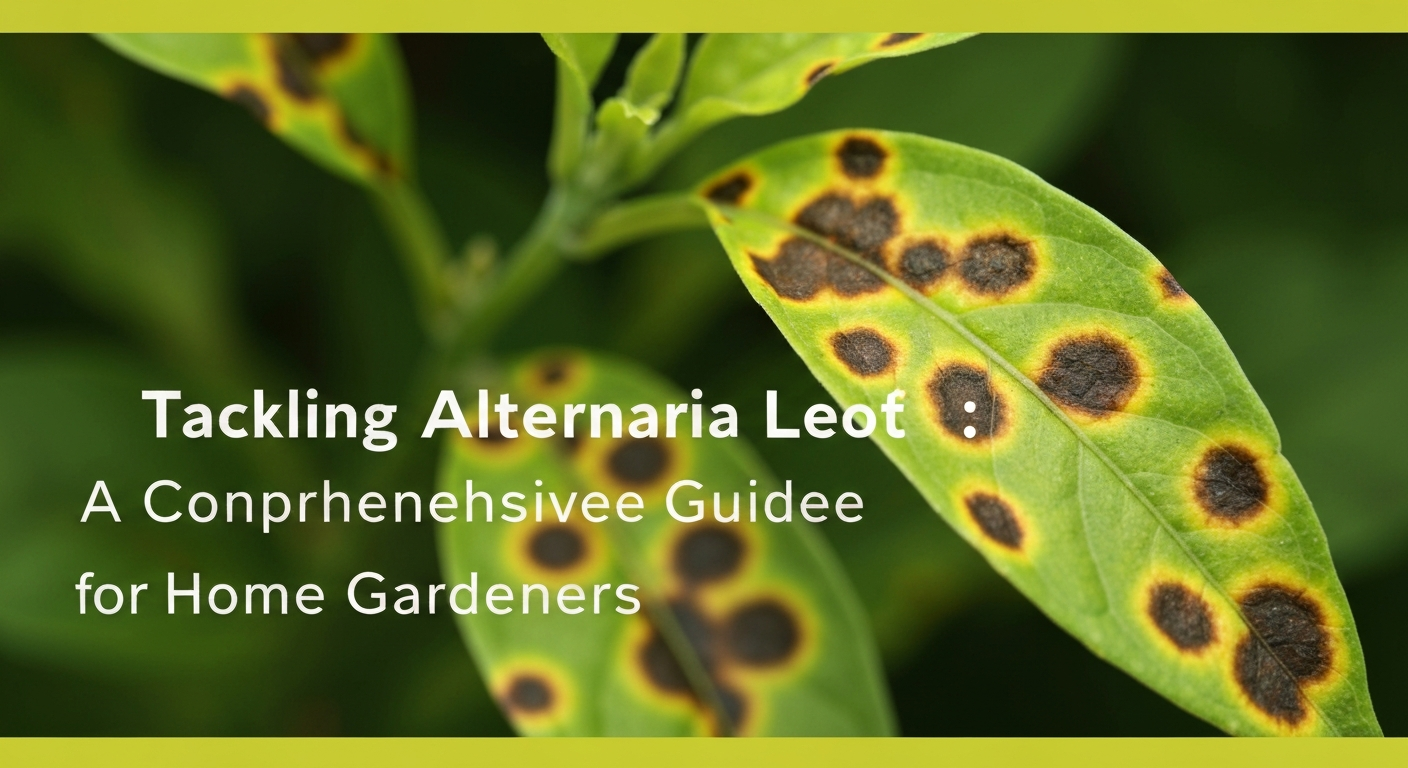
The most prominent symptom of Alternaria leaf spot is the appearance of small, circular spots on the older, lower leaves first. As the disease progresses, these spots expand and develop a characteristic target-like pattern of concentric rings, often surrounded by a yellow halo. The center of these lesions may become dark brown to black and can sometimes fall out, creating a “shot-hole” effect.
- Color: Spots typically start as small, dark brown or black lesions.
- Shape: Circular to irregular, expanding over time.
- Concentric Rings: The most diagnostic feature, resembling a target or bullseye.
- Halo: Often surrounded by a yellow zone, indicating the plant’s reaction to the infection.
- Location: Usually more prevalent on older, lower leaves first, but can spread upwards.
Stem and Fruit Involvement
While primarily known for leaf spots, Alternaria can also affect other parts of the plant, depending on the host and the specific Alternaria species.
- Stems: Dark, elongated lesions may appear on stems, particularly near the soil line or at leaf nodes. These can girdle the stem, leading to wilting and plant collapse, a condition often referred to as ‘damping-off’ in seedlings or ‘stem blight’ in mature plants.
- Fruit: On susceptible fruits like tomatoes and peppers, dark, sunken lesions with concentric rings can form, often near the stem end. These spots can enlarge, become leathery, and make the fruit unmarketable or inedible. In severe cases, secondary rot can set in.
Progression of the Disease
Left unchecked, Alternaria leaf spot can spread rapidly. Infected leaves may turn yellow, wither, and drop prematurely, leading to significant defoliation. This loss of photosynthetic tissue severely weakens the plant, reduces its ability to produce food, and makes it more susceptible to other stresses or diseases. In severe infestations, entire plants can be defoliated and may die, especially if they are young or already stressed.
Here’s a quick reference table for common host plants and their typical Alternaria symptoms:
| Host Plant Group | Typical Symptoms |
|---|---|
| Tomatoes & Potatoes | Dark brown to black spots with concentric rings, yellow halo; often on older leaves first. Can also affect stems and fruit (early blight). |
| Brassicas (Cabbage, Broccoli, Kale) | Dark, sunken spots with concentric rings, often purplish-black. Can cause damping-off in seedlings and head rot in mature plants. |
| Carrots | Small, dark spots on leaves, leading to yellowing and blighting; can affect roots in storage. |
| Peppers & Eggplants | Similar leaf spots to tomatoes; can also affect fruit with dark, sunken lesions. |
| Cucurbits (Melons, Squash) | Small, angular, dark brown spots that enlarge and become irregular. |
| Onions | Small, white spots that turn brown/purple, often with a purplish halo, leading to tip dieback. |
Understanding the Causes and Conditions for Alternaria Leaf Spot
Alternaria leaf spot doesn’t just appear out of nowhere; it requires specific conditions to thrive. Understanding these factors is critical for both preventing and managing outbreaks.
The Fungal Culprit: Alternaria Species
As mentioned, various species within the Alternaria genus are responsible for this disease. These fungi are saprophytic (meaning they can live on dead organic matter) and parasitic (meaning they can infect living plants). They are masters of survival, producing hardy spores that can lie dormant for extended periods in plant debris, soil, or even on weed hosts. When the environment becomes favorable, these spores spring to life.
Environmental Factors: Warmth and Wetness
The primary drivers for Alternaria leaf spot development are warm temperatures and prolonged periods of leaf wetness.
- Temperature: Most Alternaria species prefer temperatures ranging from 68°F to 86°F (20°C to 30°C). Cooler temperatures slow its progression, but it can still occur.
- Moisture/Humidity: This is perhaps the most critical factor. Spores require moisture to germinate and infect plant tissue. Extended periods of leaf wetness (6-12 hours or more) from rain, heavy dew, fog, or overhead irrigation provide the perfect breeding ground. High humidity also contributes to spore production and spread.
- Poor Air Circulation: Dense plantings or lack of airflow within the plant canopy can trap moisture, extending leaf wetness duration and creating an ideal microclimate for the fungus.
Spore Dispersal and Plant Stress
- Wind and Splashing Water: These are the primary methods of spore dispersal. Wind can carry spores over long distances, while splashing raindrops can move spores from infected lower leaves to healthy upper foliage.
- Contaminated Tools and Hands: Pruning shears, stakes, and even your hands can pick up spores and transfer them between plants if not properly sanitized.
- Infected Seeds and Transplants: The fungus can be seed-borne or present on infected transplants, introducing the disease into your garden from the start.
- Plant Stress: Weakened or stressed plants are more susceptible to infection. Factors like nutrient deficiencies, drought stress, insect damage, or root problems can compromise a plant’s natural defenses, making it an easier target for Alternaria. For instance, plants suffering from issues like root rot are often more vulnerable to secondary infections.
Diagnosing Alternaria Leaf Spot in Your Garden
Accurate diagnosis is crucial. While the symptoms of Alternaria leaf spot are often quite distinctive, it can sometimes be confused with other plant diseases.
Visual Inspection and Symptom Recognition
Start by carefully examining your plants, paying close attention to the lower, older leaves first. Look for the characteristic dark, circular spots with concentric rings and possibly a yellow halo. Check stems and fruit if applicable. Compare what you see with reliable images of Alternaria leaf spot.
Using Technology for Diagnosis
If you’re unsure, or if you’re dealing with multiple symptoms, technology can be a great help. You can easily photograph the affected leaves and use a plant disease identifier app on your iPhone. These apps use AI to analyze your photos and provide potential diagnoses, offering a quick and convenient way to get a preliminary identification. While AI is a fantastic informational tool, remember it’s not a substitute for professional agricultural advice. Always cross-reference with other sources.
Differentiating from Other Leaf Spot Diseases
It’s important to distinguish Alternaria from other issues that cause spots on leaves.
- Bacterial Leaf Spot: Often characterized by angular spots (limited by leaf veins) that may appear water-soaked and lack the distinct concentric rings.
- Septoria Leaf Spot: On tomatoes, Septoria causes smaller, circular spots with dark brown margins and a tiny gray or tan center, often with tiny black dots (fruiting bodies) visible within the spot. It typically lacks the prominent concentric rings of Alternaria.
- Other Fungal Leaf Spots: Many other fungi cause leaf spots, but the target-like pattern is a strong indicator for Alternaria. For a broader understanding of various leaf spot issues, refer to our guide on leaf spot disease or brown spots on plant leaves. If you’re dealing with roses, black spot on roses is another distinct fungal issue. When you have a sick plant, the first step is always to diagnose plant problems accurately.
Treatment Strategies: Getting Rid of Alternaria Leaf Spot
Once Alternaria leaf spot has taken hold, a multi-pronged approach is often necessary. The goal is to halt the spread, protect new growth, and support the plant’s recovery.
Cultural Practices (Organic First)
These are your first line of defense and often the most effective for home gardeners.
- Pruning and Sanitation:
- Remove Infected Parts: Carefully prune off and destroy (do not compost in home piles) any infected leaves, stems, or fruit as soon as you spot them. This reduces the fungal load. Use clean, sharp pruning shears and sterilize them with a 10% bleach solution or rubbing alcohol between cuts and between plants to prevent spreading spores.
- Clear Debris: At the end of the season, meticulously remove all plant debris from the garden beds. Alternaria overwinters in infected plant material, so a clean garden minimizes future outbreaks.
- Improve Air Circulation:
- Proper Spacing: Ensure adequate spacing between plants to allow for good airflow. This helps leaves dry faster after watering or rain.
- Strategic Pruning: For dense plants, judiciously prune some inner leaves to improve air circulation within the canopy.
- Watering Wisely:
- Avoid Overhead Irrigation: Water plants at the base using drip irrigation or soaker hoses. If using a sprinkler, water early in the morning so foliage has ample time to dry before evening.
- Deep, Infrequent Watering: Encourage deep root growth by watering deeply but less frequently, rather than shallowly and often.
Organic Solutions
For gardeners preferring organic methods, several options can help manage Alternaria.
- Neem Oil: A natural botanical insecticide and fungicide. Neem oil can disrupt the fungal lifecycle. Apply according to package directions, ensuring thorough coverage of all leaf surfaces. It’s most effective as a preventative or at the very early stages of infection. Reapply regularly, especially after rain.
- Copper-Based Fungicides: These are generally approved for organic gardening and can be effective against Alternaria. Copper acts as a protectant, preventing spore germination. Apply thoroughly to all plant surfaces, especially new growth. Follow label instructions precisely regarding mixing ratios and application frequency.
- Baking Soda Spray: While often touted as a homemade remedy, baking soda (sodium bicarbonate) sprays have limited efficacy against established fungal diseases like Alternaria. They can slightly alter leaf surface pH, which might inhibit some fungal growth, but they are not a strong curative. If you choose to use it, mix 1 teaspoon of baking soda with 1 quart of water and a few drops of horticultural oil or insecticidal soap (as an emulsifier). Test on a small area first to ensure no leaf burn.
Chemical Fungicides (When Necessary)
For severe outbreaks or in commercial settings, chemical fungicides may be considered. For home gardeners, these are typically a last resort, especially if cultural practices and organic options haven’t sufficed.
- Types of Fungicides: Look for fungicides labeled for “early blight” (often caused by Alternaria solani) or general “leaf spot” control on your specific plant type. Common active ingredients include chlorothalonil, mancozeb, or azoxystrobin.
- Application: Always read and strictly follow the product label instructions for mixing, application rates, frequency, and personal protective equipment (PPE). Fungicides are protectants, meaning they work best when applied before infection or at the very first sign, creating a barrier against spore germination. They generally won’t cure already infected tissue but can prevent further spread.
- Rotation: To prevent the fungus from developing resistance, it’s advisable to rotate between fungicides with different active ingredients if multiple applications are needed.
Prevention is Key: Stopping Alternaria Before It Starts
The best defense against Alternaria leaf spot is a strong offense. Proactive prevention strategies can significantly reduce the likelihood of an outbreak and keep your garden healthy.
- Choose Resistant Varieties: When purchasing seeds or transplants, look for varieties that are specifically labeled as resistant or tolerant to Alternaria species or “early blight.” This is one of the most effective long-term strategies.
- Crop Rotation: Do not plant susceptible crops (e.g., tomatoes after tomatoes, or brassicas after brassicas) in the same spot year after year. A 2-3 year rotation cycle with non-host plants (like legumes or corn) helps break the disease cycle by depriving the fungus of its preferred host and allowing spores in the soil to die off.
- Proper Spacing and Air Circulation: As mentioned in treatment, this is crucial for prevention too. Ensure plants have enough room to grow, allowing air to circulate freely and foliage to dry quickly.
- Watering Practices: Always water at the base of the plant in the morning. Avoid overhead watering, especially in the evening, to minimize prolonged leaf wetness.
- Garden Hygiene:
- Sanitize Tools: Regularly clean and sterilize garden tools, especially pruning shears, after use and between plants.
- Remove Weeds: Weeds can serve as alternative hosts for Alternaria fungi and can also impede air circulation.
- Clear Debris: Promptly remove and dispose of any fallen leaves or plant debris. Do not compost infected material in your home compost pile, as spores can survive.
- Balanced Fertilization: Provide plants with balanced nutrition. Over-fertilizing with nitrogen can promote lush, tender growth that is more susceptible to disease, while nutrient deficiencies can stress plants. A soil test can help determine your garden’s specific needs.
- Monitor Regularly: Make it a habit to inspect your plants frequently, especially during warm, humid weather. Early detection allows for prompt action, preventing the disease from becoming widespread. Regular checks are also key to identifying other common plant diseases like powdery mildew on plants or issues common to specific crops such as tomato plant diseases.
Common Mistakes When Dealing with Alternaria Leaf Spot
Even experienced gardeners can make mistakes. Avoiding these common pitfalls can significantly improve your success in managing Alternaria leaf spot.
- Ignoring Early Symptoms: Many gardeners overlook small spots on lower leaves, assuming they’re harmless. By the time the disease is widespread and obvious, it’s much harder to control. Early detection and immediate action are vital.
- Improper Watering: Continuing to water overhead or in the evening, even after identifying the disease, will only exacerbate the problem by providing the perfect conditions for fungal spread.
- Not Sanitizing Tools: Using unsterilized pruning shears or other tools to remove diseased foliage can inadvertently spread spores to healthy plants, undoing your efforts.
- Composting Infected Material: Throwing infected leaves and stems into your home compost pile allows the Alternaria fungus to survive and potentially re-infect your garden when you use the compost.
- Over-fertilizing with Nitrogen: While plants need nutrients, excessive nitrogen can lead to lush, soft growth that is more vulnerable to fungal attack. Focus on balanced nutrition.
- Misdiagnosis: Assuming any leaf spot is Alternaria without careful inspection can lead to ineffective treatment. For example, treating bacterial blight with a fungicide won’t work. If you’re unsure, utilize resources like our plant disease identifier or consult local extension services. Understanding general plant disease principles is always helpful for accurate identification.
Specific Considerations for Key Plants
While the general principles apply, some plants are particularly susceptible or have specific nuances when dealing with Alternaria.
Tomatoes and Potatoes
These are classic hosts for Alternaria solani, which causes early blight. The disease is a major concern for both crops.
- Prevention: Prioritize resistant varieties, crop rotation, and good air circulation. Staking tomatoes helps keep foliage off the ground, reducing splashback. Mulching around the base can also prevent soil-borne spores from splashing onto lower leaves.
- Treatment: Prompt removal of infected lower leaves is crucial. Organic copper or conventional chlorothalonil fungicides are often used if the disease is persistent. For more specific advice on tomato plant diseases or general tomato diseases, consult dedicated resources.
Cruciferous Vegetables (Cabbage, Broccoli, Kale, etc.)
Alternaria brassicicola and Alternaria brassicae are common culprits here.
- Prevention: Ensure good air circulation, especially when plants are maturing and forming heads. Use certified disease-free seeds.
- Treatment: Remove infected outer leaves. Fungicides labeled for brassicas may be necessary in severe cases, particularly if growing for commercial purposes.
Carrots
Alternaria dauci can cause significant leaf blight, reducing root size and quality.
- Prevention: Space rows adequately, practice crop rotation, and use disease-free seeds.
- Treatment: Fungicides are often applied preventatively in commercial carrot production. For home gardens, focus on cultural practices.
Conclusion
Alternaria leaf spot is a persistent adversary for home gardeners, but it is far from an unbeatable one. By understanding its symptoms, the conditions it favors, and implementing a diligent approach to cultural practices, organic treatments, and preventative measures, you can significantly reduce its impact on your garden. Regular monitoring, prompt action, and a commitment to garden hygiene are your most powerful tools. Remember, a healthy garden is a resilient garden. With the right knowledge and consistent effort, you can protect your plants and enjoy a bountiful harvest, free from the blight of Alternaria.
Disclaimer: The information provided in this article is for general informational purposes only and does not constitute professional agricultural or medical advice. Always consult with a qualified professional for specific diagnoses and treatment recommendations for your plants. AI-powered diagnostic tools are informational and should not replace expert advice.