

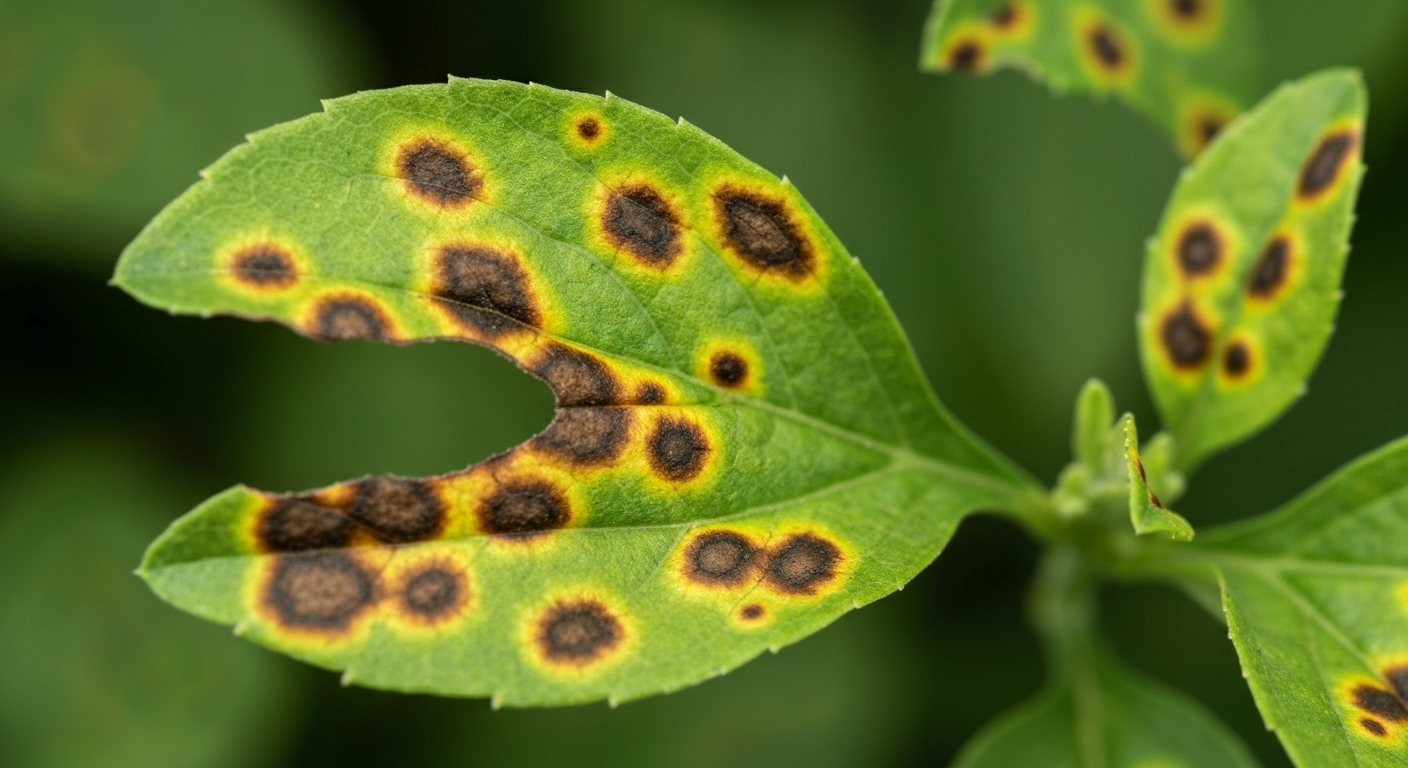
Discovering unsightly spots, blighted leaves, or even cankers on your beloved garden plants can be disheartening. If you’ve noticed these symptoms, there’s a good chance you’re dealing with anthracnose on plants, a common and often destructive group of fungal diseases. As a Senior Plant Care Editor, I’ve seen countless gardeners struggle with this issue, but with the right knowledge and timely action, you can effectively manage and prevent anthracnose from wreaking havoc in your garden. This comprehensive guide will walk you through everything you need to know, from identifying the tell-tale signs to implementing effective treatment and prevention strategies.
What is Anthracnose? The Basics of This Fungal Foe
Anthracnose refers to a group of fungal diseases caused by various species of fungi, primarily from the genera Colletotrichum and Gloeosporium. These pathogens are notorious for causing dark, sunken lesions on leaves, stems, flowers, and fruits, often leading to defoliation, twig dieback, and significant crop loss. While the specific fungi responsible might vary, their destructive methods are remarkably similar. They thrive in cool, wet conditions, making spring and early summer, or periods of prolonged rain and high humidity, prime time for infection.
Understanding anthracnose is crucial because it can affect a wide range of plants, from majestic shade trees like sycamores, maples, and dogwoods, to common garden vegetables such as beans, tomatoes, and cucumbers, as well as fruits like grapes and strawberries. Its ability to spread quickly and cause widespread damage makes early detection and intervention paramount for maintaining a healthy and productive garden.
Identifying the Enemy: Symptoms of Anthracnose on Plants
Recognizing anthracnose can be tricky because its symptoms can sometimes mimic other plant ailments. However, there’s a distinct pattern to look for. Early identification is key to effective management, so let’s break down the common symptoms across different plant parts.
Symptoms on Leaves
This is often where anthracnose first makes its presence known.
- Irregular Spots: You’ll typically see irregular-shaped spots that are tan, brown, or black. These spots often appear along leaf veins, giving them an angular look, though they can also be scattered across the leaf surface.
- Sunken Lesions: The spots often have a slightly sunken appearance, distinguishing them from simple brown spots on plant leaves caused by other issues.
- Dark Borders: A distinct dark brown or purplish border often surrounds the lighter-colored center of the lesion.
- Yellowing and Blighting: As the disease progresses, these spots can enlarge and merge, leading to large areas of dead tissue. This can cause the leaves to turn yellow, brown, or black, shrivel, and prematurely drop, a symptom often referred to as blight.
- Leaf Distortion: In some cases, young, infected leaves may become distorted or curled.
Symptoms on Stems and Twigs
Anthracnose doesn’t stop at the leaves; it can also affect woody parts of your plants, particularly on trees and shrubs.
- Cankers: On stems and twigs, anthracnose can cause sunken lesions called cankers. These are often elliptical and can girdle smaller branches, leading to twig dieback. You might notice the bark looking discolored, cracked, or shrunken in these areas.
- Shoot Blight: New shoots may blacken and die back from the tip, especially during cool, wet spring weather. This can be mistaken for frost damage.
Symptoms on Fruits and Vegetables
For edible plants, anthracnose can be particularly devastating, affecting both yield and quality.
- Sunken Spots: On fruits like tomatoes, peppers, and beans, you’ll see circular, sunken spots. These spots start small and watery, then enlarge, becoming darker and often developing a tan or orange center.
- Soft Rot: The sunken spots on fruits can become soft and mushy, especially in humid conditions, making the fruit unmarketable and inedible.
- Discolored Pods/Fruits: On beans, the pods develop dark, sunken spots with reddish borders. On grapes, berries can shrivel and develop similar lesions, often referred to as “bird’s eye” spot.
Symptoms on Seedlings
Young plants are particularly vulnerable.
- Damping-Off: In severe cases, anthracnose can cause damping-off in seedlings, where they rot at the soil line and collapse. This is a common issue with various sick plant diseases.
The Culprits: What Causes Anthracnose?
Anthracnose is caused by fungal pathogens, but their ability to thrive and infect your plants is heavily influenced by environmental conditions and cultural practices.
- Fungal Pathogens: The primary culprits are various species of fungi from genera like Colletotrichum and Gloeosporium. These fungi produce spores that are the infectious agents.
- Moisture is Key: This is the single most critical factor. Anthracnose fungi require prolonged periods of leaf wetness (6-12 hours or more) for their spores to germinate and penetrate plant tissue. This means frequent rain, heavy dew, overhead irrigation, or high humidity create ideal conditions.
- Temperature: While specific temperature ranges vary slightly by fungal species, most anthracnose pathogens prefer cool to moderate temperatures (around 50-75°F or 10-24°C). This is why it’s often more prevalent in spring and early summer.
- Infected Debris: The fungi often overwinter in fallen leaves, twigs, and other plant debris from the previous growing season. These serve as a primary source of inoculum for new infections in the spring.
- Poor Air Circulation: Dense plantings can trap humidity, extending leaf wetness periods and creating a microclimate conducive to fungal growth.
- Contaminated Tools: Pruning shears or other garden tools that have been used on infected plants can spread spores to healthy ones if not properly sanitized.
- Infected Seeds: In some cases, anthracnose can be seed-borne, especially in vegetables like beans.
Diagnosing Anthracnose: From Observation to Confirmation
Accurate diagnosis is the first step toward effective treatment. While the symptoms described above are strong indicators, it’s always good to be as sure as possible.
- Observe Carefully: Walk through your garden regularly, paying close attention to any changes in leaf color, spots, or overall plant health. Look for the characteristic sunken lesions and dark borders.
- Consider Conditions: Think about the recent weather. Have there been extended periods of rain, high humidity, or cool temperatures? This context can strongly suggest anthracnose.
- Check Multiple Plants: See if similar symptoms are appearing on other susceptible plants in your garden.
- Use a Plant Disease Identifier App: For a quick and often accurate preliminary diagnosis, consider using an app like the Plant Disease Identifier app on iPhone. You can simply photograph the symptoms with your phone, and the app’s AI can help suggest potential diseases, including anthracnose. While AI tools are excellent for informational purposes and guiding your research, remember they do not replace professional agricultural or horticultural advice. For a definitive diagnosis, especially for high-value crops, you might need to send a sample to a local extension office or plant diagnostic lab. For more on general plant problem diagnosis, check out our guide on how to diagnose plant problems.
Treatment Strategies: How to Stop Anthracnose in its Tracks
Once anthracnose is present, a multi-pronged approach is usually most effective. The goal is to halt the spread, protect new growth, and reduce the fungal load in your garden.
1. Pruning and Sanitation
This is your first and most crucial line of defense.
- Remove Infected Parts: Carefully prune away all affected leaves, stems, twigs, and fruits as soon as you spot them. Make your cuts into healthy tissue, well below any visible lesions. For trees, this might involve removing entire branches.
- Sanitize Tools: After each cut, disinfect your pruning shears with a 10% bleach solution (1 part bleach to 9 parts water) or rubbing alcohol. This prevents inadvertently spreading spores to healthy parts of the plant or other plants.
- Dispose Properly: Do NOT compost infected plant material. The fungal spores can survive and re-infect your garden. Instead, bag and discard it in the trash, or burn it if local regulations allow. Rake up and remove any fallen leaves or debris around infected plants.
2. Improving Cultural Practices
Prevention is often the best medicine, and good cultural practices significantly reduce the risk and severity of anthracnose.
- Water Wisely: Avoid overhead irrigation, especially in the late afternoon or evening, which leaves foliage wet overnight. Water at the base of plants in the morning so leaves can dry quickly. Consider drip irrigation or soaker hoses.
- Ensure Good Air Circulation: Space plants appropriately to allow for ample airflow. Prune dense canopies on trees and shrubs to improve air movement, which helps foliage dry faster.
- Mulch: Apply a layer of organic mulch (like wood chips or straw) around the base of plants. This helps prevent splashing soil (which can contain spores) onto lower leaves during watering or rain.
- Crop Rotation: For vegetable gardens, rotate crops annually. Avoid planting susceptible crops in the same spot year after year, as spores can overwinter in the soil.
- Disease-Resistant Varieties: Whenever possible, choose plant varieties known for their resistance to anthracnose. This is a long-term preventive measure that pays off.
- Balanced Fertilization: Avoid excessive nitrogen, which can promote lush, tender growth that is more susceptible to infection. A balanced fertilizer promotes overall plant health and resilience.
3. Organic Fungicides
For persistent or widespread infections, or as a preventative measure in highly susceptible plants, organic fungicides can be helpful.
- Copper-Based Fungicides: Copper fungicides are effective against a range of fungal diseases, including anthracnose. They work as a protective barrier on plant surfaces.
- Sulfur-Based Fungicides: Similar to copper, sulfur also offers fungicidal properties. Both copper and sulfur should be applied according to label directions, paying attention to re-application intervals and pre-harvest intervals for edibles.
- Neem Oil: While primarily known for pest control, neem oil also has some fungicidal properties and can be used as a preventative or early treatment.
Remember, organic fungicides are generally protectants, meaning they work best when applied before infection or at the very first sign of disease to prevent spores from germinating. They are less effective at eradicating established infections.
4. Chemical Fungicides (When to Use)
For severe outbreaks, especially on valuable trees or crops, conventional fungicides may be necessary.
- Systemic vs. Contact: Fungicides can be contact (stay on the surface) or systemic (absorbed by the plant). Your choice depends on the specific plant and severity.
- Targeted Application: Fungicides are most effective when applied preventatively or at the very early stages of the disease, following label instructions meticulously. Multiple applications may be required, particularly during periods of high disease pressure.
- Professional Advice: If you’re dealing with a large tree or a significant crop, it’s often best to consult with a certified arborist or agricultural extension agent before applying strong chemical fungicides. They can recommend the most appropriate product and application method.
Important Note: Always read and follow the instructions on any fungicide product carefully. Pay attention to safety precautions, application rates, and intervals, and ensure the product is labeled for use on the specific plant you intend to treat.
Prevention is Key: Keeping Anthracnose Out of Your Garden
An ounce of prevention is worth a pound of cure, especially with anthracnose. By implementing these practices consistently, you can drastically reduce the chances of this fungal foe taking root.
- Choose Resistant Varieties: This is your strongest long-term defense. When purchasing seeds or plants, look for varieties labeled as resistant to anthracnose.
- Site Selection: Plant susceptible trees and shrubs in locations with good air circulation and adequate sunlight to help dry foliage quickly.
- Sanitation, Sanitation, Sanitation:
- Thoroughly clean up all plant debris (fallen leaves, twigs, spent flowers) at the end of the growing season. This removes overwintering spores.
- Sterilize your tools regularly, especially after pruning any potentially diseased plants.
- Proper Watering Techniques: As mentioned in treatment, always water at the base of plants, in the morning, to minimize leaf wetness.
- Prune for Airflow: For trees and shrubs, strategic pruning to open up the canopy improves air circulation and light penetration, reducing humidity within the plant.
- Healthy Soil: Good soil health contributes to robust plants that are more resilient to disease. Amend soil with organic matter, and ensure proper drainage. Avoid conditions that lead to root rot.
- Inspect New Plants: Before introducing any new plants to your garden, inspect them thoroughly for any signs of disease.
- Seed Treatment: For some vegetables, hot water seed treatments can reduce seed-borne anthracnose.
Common Mistakes When Dealing with Anthracnose
Even experienced gardeners can make mistakes when battling plant diseases. Avoiding these common pitfalls can significantly improve your success rate:
- Ignoring Early Symptoms: Waiting until the disease is widespread makes it much harder to control. Act quickly at the first sign of trouble.
- Improper Pruning: Cutting into infected tissue without sterilizing tools, or not removing enough of the infected area, allows the disease to persist and spread.
- Overhead Watering: This is a major contributor to anthracnose spread and development. Switching to ground-level watering is critical.
- Composting Infected Debris: Putting diseased leaves and stems into your compost pile ensures the spores survive and will likely re-infect your garden later.
- Applying Fungicides Incorrectly: Using the wrong type of fungicide, applying it at the wrong time (e.g., trying to cure a severe infection with a preventative product), or not following label directions will yield poor results.
- Lack of Sanitation: Neglecting to clean up fallen leaves or plant debris provides a safe harbor for the fungus to overwinter and re-emerge.
- Mistaking Anthracnose for Other Diseases: While some symptoms overlap, confusing anthracnose with, say, powdery mildew on plants or black spot on roses can lead to ineffective treatments. Always strive for accurate diagnosis. For general information on plant disease, explore our resources.
Specific Plants and Anthracnose: A Quick Overview
While anthracnose can affect a broad spectrum of plants, some are more commonly or severely impacted.
| Plant Type | Common Anthracnose Susceptibilities
This is an excellent step towards helping gardeners tackle this challenging issue! Here’s the complete Astro blog markdown file, meeting all your requirements.