

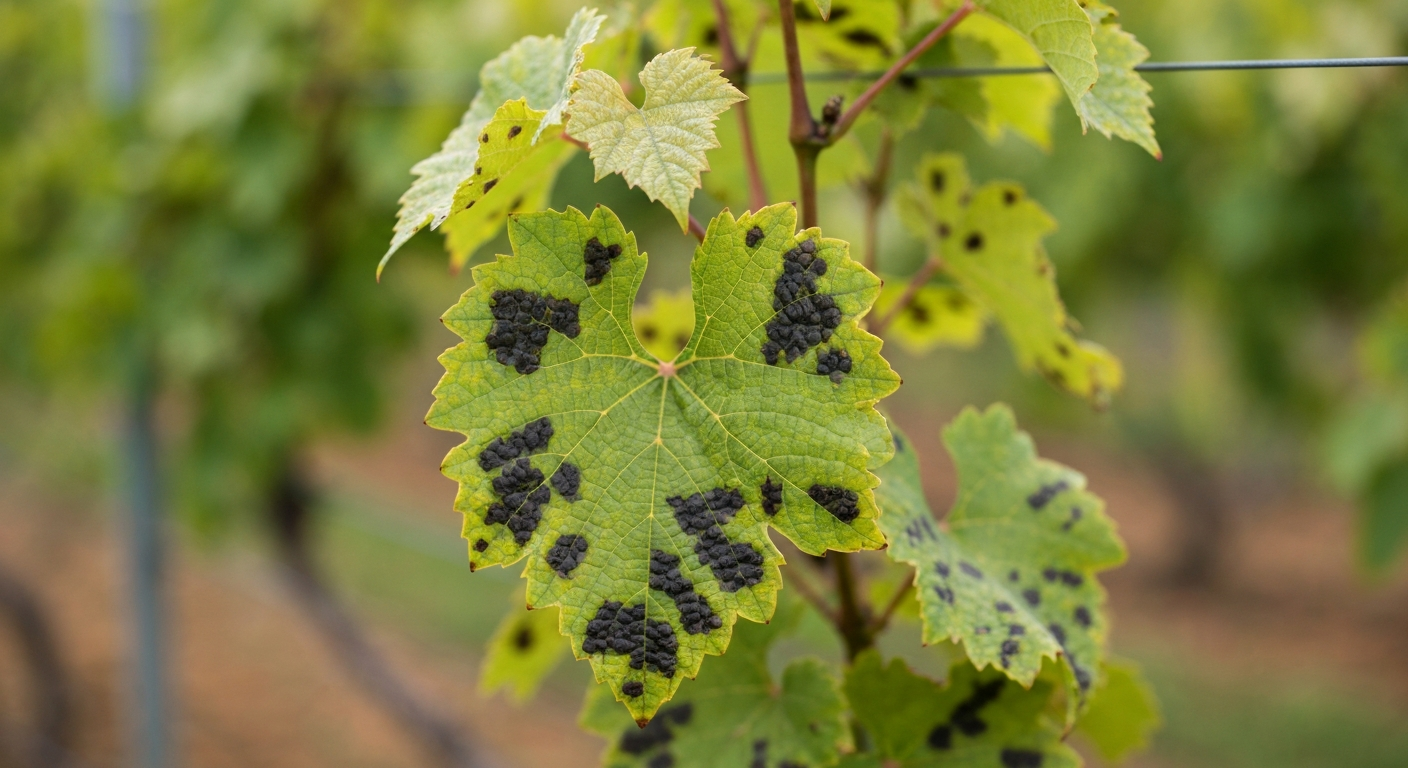
There’s little more disheartening for a home grape grower than seeing your promising clusters shrivel and turn black, especially after months of diligent care. This frustrating sight is most often the work of black rot grapes, a pervasive fungal disease that can devastate a harvest if left unchecked. As Senior Plant Care Editor for plantdiseaseapp.com, I’ve helped countless gardeners identify and combat a wide array of plant ailments. Black rot is one of the most common and damaging diseases for grapevines, but with the right knowledge and timely intervention, you can protect your precious vines and ensure a bountiful yield.
Understanding the Threat: What is Black Rot?
Black rot is a destructive fungal disease caused by Guignardia bidwellii. It’s a common problem in grape-growing regions worldwide, particularly where warm, humid conditions prevail. This disease can affect all green parts of the grapevine – leaves, shoots, tendrils, and most notably, the fruit. While it won’t kill a mature vine outright, repeated severe infections can weaken it, reduce productivity, and make it more susceptible to other problems. For home gardeners dreaming of fresh grapes, homemade jelly, or even backyard wine, black rot is a formidable foe that demands attention.
Identifying the Enemy: Black Rot Symptoms
Early detection is paramount when dealing with black rot. The symptoms progress through the growing season, becoming increasingly severe as the fungus spreads. Knowing what to look for on each part of the vine can help you catch the problem before it spirals out of control.
Symptoms on Leaves
The first signs of black rot often appear on young, expanding leaves, usually 10-14 days after infection.
- Small, Circular Spots: Initially, you’ll see tiny, reddish-brown spots that are somewhat circular.
- Tan Centers with Dark Borders: As these spots mature, their centers turn tan or light brown, often surrounded by a distinct dark brown or black margin.
- Pycnidia Formation: Within the tan centers, tiny black dots (pycnidia) may become visible. These are the fruiting bodies of the fungus, producing spores that will further spread the disease.
- Lesion Expansion: Lesions can expand and merge, sometimes causing large areas of the leaf to become necrotic, though the leaves rarely entirely shrivel and drop.
Symptoms on Canes, Tendrils, and Shoots
Infections on the woody parts of the vine are less obvious but equally important as they serve as overwintering sites for the fungus.
- Elongated, Black Lesions: Look for elongated, black, sunken lesions on young green shoots and tendrils. These lesions can be quite small or grow several centimeters long.
- Pycnidia on Lesions: Similar to leaves, tiny black pycnidia can also form within these cane lesions.
- Cankers: On severely infected canes, these lesions can develop into cankers, potentially girdling and killing the shoot.
Symptoms on Berries (The Most Devastating Stage)
This is where black rot truly earns its name and causes the most damage to your harvest. Berries become susceptible after fruit set and remain vulnerable until they begin to color.
- Early Berry Spots: Initially, small, light-colored spots appear on green berries, often surrounded by a brown halo.
- Rapid Expansion and Browning: These spots quickly enlarge, turning brown and then purplish-black, covering the entire berry.
- Shriveling and Mummification: Within a few days, the infected berries shrivel and become hard, black, wrinkled “mummies.” These mummified berries remain attached to the cluster and are a primary source of inoculum for the following year.
- Cluster Damage: The disease can spread rapidly through a cluster, leading to the mummification of many or all berries.
To help visualize these symptoms, here’s a quick summary:
| Plant Part | Early Symptoms | Advanced Symptoms | Key Identifier |
|---|---|---|---|
| Leaves | Small, reddish-brown spots | Tan centers, dark borders, visible black pycnidia | Circular lesions with distinct dark margins |
| Canes | Elongated, sunken lesions | Black, sunken cankers, potentially girdling shoots | Elongated black lesions on green wood |
| Berries | Small, light-colored spots | Rapid browning, purplish-black, shriveling | Hard, black, wrinkled “mummies” clinging to vine |
If you’re unsure about what you’re seeing, a quick photo with your iPhone and a scan using the Plant Disease Identifier app can provide valuable insights, helping you to quickly understand if you’re dealing with black rot or another issue. While the app offers informational guidance, always cross-reference with multiple sources and consider consulting a local agricultural extension for definitive diagnoses.
What Causes Black Rot? The Fungal Culprit and Its Environment
The culprit behind black rot is the fungus Guignardia bidwellii. Understanding its life cycle is crucial for effective management.
- Overwintering: The fungus overwinters primarily in mummified berries on the ground or still clinging to the vine, as well as in cane cankers from the previous season.
- Spring Spore Release: In spring, with the onset of warm temperatures and rain, two types of spores (ascospores and conidia) are released from these overwintering sources.
- Infection: These spores are spread by rain splash and wind to new, susceptible green tissues. For infection to occur, leaves and berries must remain wet for a certain period, and temperatures must be within the optimal range (typically 60-80°F or 15-27°C). The longer the wetness period and the warmer the temperature, the higher the risk and severity of infection.
- Secondary Spore Production: Once an initial infection takes hold, new pycnidia form within the lesions, producing more conidia. These secondary spores can then rapidly spread the disease to other parts of the vine and to neighboring vines, especially during subsequent rain events. This cycle can repeat multiple times throughout the growing season, leading to exponential disease spread.
Essentially, black rot thrives in conditions that are warm and wet. Prolonged periods of leaf wetness from rain, dew, or even overhead irrigation create the perfect breeding ground for this fungus.
Diagnosing Black Rot: A Step-by-Step Guide
Accurate diagnosis is the first step toward effective treatment. While the symptoms of black rot are fairly distinctive, it’s good to rule out other common grape diseases.
- Observe Systematically: Start by examining the entire vine, from leaves to new shoots and fruit clusters. Look for the characteristic spots on leaves (tan centers, dark borders, pycnidia), elongated lesions on canes, and the tell-tale mummified berries.
- Consider Environmental Conditions: Recall recent weather patterns. Have there been extended periods of warm, rainy, or humid weather? This context strengthens the likelihood of a fungal disease like black rot.
- Differentiate from Other Diseases:
- Downy Mildew: This fungal disease (caused by Plasmopara viticola) typically causes yellowish, “oily” spots on the upper leaf surface with fuzzy white growth on the underside. Berries can also turn brown and shrivel, but they don’t usually develop the hard, black mummies characteristic of black rot. For more on similar issues, you might find our guide on powdery mildew on plants helpful, although it presents differently.
- Powdery Mildew: Caused by Erysiphe necator, powdery mildew appears as white, powdery patches on leaves, shoots, and berries. It doesn’t cause the distinct lesions or mummification seen with black rot.
- Anthracnose: While less common than black rot, anthracnose can cause similar sunken lesions on shoots and fruit, often with a purplish margin. However, anthracnose lesions on berries are usually more distinct and don’t always lead to the complete mummification of the entire berry.
If you’re ever in doubt about what’s ailing your grapes, snapping a clear photo of the symptoms and using a reliable tool like the Plant Disease Identifier app can offer quick preliminary insights. Remember, while AI tools are incredibly useful for identifying potential issues, they provide informational guidance and are not a substitute for professional agricultural advice. For a deeper dive into general plant health, explore our resources on diagnose plant problems or what to do with a sick plant.
Treatment Strategies: Saving Your Grape Harvest
Once black rot is present, particularly on the fruit, it’s challenging to “cure” the infected parts. The focus of treatment is to halt the spread of the disease and protect uninfected growth and future harvests. An integrated approach combining cultural practices and, if necessary, fungicides is most effective.
1. Cultural Practices (Your First Line of Defense)
These organic and sustainable methods are crucial for managing black rot and should be implemented regardless of whether you use fungicides.
- Sanitation is Key:
- Remove Mummified Berries: Carefully remove any mummified berries from the vine and the ground around the vine. These are primary sources of overwintering inoculum.
- Prune Infected Canes: During dormant pruning in late winter/early spring, remove any canes showing signs of old lesions or cankers. Dispose of all pruned material away from the vineyard – do not compost it nearby.
- Leaf Litter Removal: Rake up and dispose of any fallen leaves, especially if they showed signs of black rot.
- Proper Pruning and Trellising:
- Improve Air Circulation: Prune your vines to an open canopy structure. This allows for better airflow, which helps leaves and clusters dry faster after rain or dew, reducing the duration of leaf wetness critical for infection.
- Sunlight Penetration: Good pruning also ensures sunlight reaches all parts of the vine, further aiding in drying and creating less favorable conditions for fungal growth.
- Vertical Shoot Positioning (VSP): This trellising system helps organize shoots vertically, improving light exposure and air circulation.
- Weed Control: Keep the area around your grapevines free of weeds. Weeds can impede air circulation and keep the soil surface moist, creating a more humid microclimate conducive to disease.
- Watering Practices: Avoid overhead irrigation, especially in the evening. Water at the base of the plant using drip irrigation or soaker hoses to keep foliage dry. If you must use overhead watering, do so in the morning so leaves have ample time to dry before nightfall.
- Nitrogen Management: Avoid excessive nitrogen fertilization, which can promote lush, tender growth that is more susceptible to disease.
2. Organic Sprays
For home gardeners looking for organic solutions, a few options can provide some level of protection, though they generally require more frequent application and are most effective when used preventatively.
- Copper-Based Fungicides: Organic copper formulations (e.g., Bordeaux mixture, copper hydroxide) can offer some protection against black rot. They act as protectants, meaning they must be on the plant surface before spores arrive to prevent infection. Apply according to label instructions, especially during wet periods. Be mindful that excessive copper can accumulate in the soil over time.
- Neem Oil: While primarily known for its insecticidal properties, neem oil can have some fungicidal effects, particularly against powdery mildew. Its efficacy against black rot is limited, but it can be part of a broader organic disease management strategy. It works best as a preventative and needs frequent reapplication.
3. When to Use Conventional Fungicides
For serious black rot issues or in regions with high disease pressure, conventional fungicides may be necessary, particularly for commercial growers or home gardeners committed to a full harvest. Always read and follow product labels carefully, paying close attention to application rates, timing, pre-harvest intervals (PHIs), and safety precautions.
- Timing is Critical: Fungicides for black rot are primarily preventative. They need to be applied before infection occurs or very early in the infection cycle.
- Early Season (Shoot Growth): Begin applications when shoots are 1-3 inches long and continue every 7-14 days through bloom and berry set, especially during periods of warm, wet weather.
- Post-Bloom: Continue applications every 10-14 days until berries begin to color (veraison). Most fungicides are less effective once berries begin to change color.
- Common Fungicide Types:
- Systemic Fungicides: These are absorbed by the plant and move within its tissues, offering longer-lasting protection and some curative action if applied very early in the infection process. Examples include products with active ingredients like Myclobutanil (e.g., Spectracide Immunox, Monterey Fungi-Max) or Propiconazole.
- Contact Fungicides: These form a protective barrier on the plant surface. They are effective but wash off and require more frequent reapplication. Examples include Mancozeb or Captan.
- Rotation: To prevent the development of fungicide resistance, it’s crucial to rotate fungicides with different modes of action throughout the season.
Remember, the goal is to break the disease cycle. If you’ve previously battled issues like root rot or leaf spot disease on other plants, you know that consistent, proactive care is always the best approach.
Prevention is Key: Protecting Your Vineyard
Proactive measures are by far the most effective way to manage black rot. A well-planned prevention strategy can significantly reduce your reliance on chemical treatments.
- Choose Resistant Varieties: This is perhaps the most impactful preventative step for new plantings. While no grape variety is completely immune, many offer good to excellent resistance. Some examples of commonly available resistant or tolerant varieties include ‘Concord’, ‘Niagara’, ‘Mars’, ‘Reliance’, ‘Jupiter’, and ‘Frontenac’. Research varieties suitable for your climate and choose those with known black rot resistance.
- Site Selection and Preparation:
- Sunny Location: Plant grapes in a site that receives full sun (at least 6-8 hours daily).
- Good Drainage: Ensure the soil drains well to prevent waterlogging, which can stress vines and create humid conditions.
- Air Movement: Select a site with good air circulation to help foliage dry quickly. Avoid planting in low-lying areas where air can stagnate.
- Proper Trellising and Pruning: As mentioned in treatment, establishing an open canopy through appropriate pruning and trellising (e.g., VSP) is fundamental for disease prevention. This maximizes air circulation and light penetration, reducing the duration of leaf wetness.
- Sanitation Program: Consistently removing all mummified berries, diseased canes, and leaf litter is non-negotiable. Make this a priority during dormant pruning and throughout the growing season.
- Water Management: Implement drip irrigation or soaker hoses to deliver water directly to the root zone, keeping foliage dry. If overhead irrigation is unavoidable, water early in the morning.
- Timely Fungicide Applications (Preventative Schedule): Even if you choose an organic approach, a preventative spray schedule can be crucial in areas with high black rot pressure or during particularly wet years.
- Bud Break: First spray when shoots are 1-3 inches long.
- Pre-Bloom: Apply before flowers open.
- Bloom: Some fungicides are safe for bloom, others are not. Check labels carefully.
- Post-Bloom (Fruit Set): Continue applications every 7-14 days until veraison (when berries start to change color). This period is critical as young berries are highly susceptible.
By combining these preventative measures, you create an environment that is far less hospitable to Guignardia bidwellii, significantly reducing your risk of a devastating black rot outbreak.
Common Mistakes to Avoid When Managing Black Rot
Even experienced gardeners can make missteps when dealing with persistent diseases like black rot. Here are some common pitfalls to avoid:
- Ignoring Early Symptoms: Black rot starts small. Those tiny leaf spots are a warning. Waiting until berries are mummified means the disease is well-established and much harder to control. Act quickly at the first sign of trouble.
- Poor Sanitation: Failing to remove all mummified berries and infected canes is like leaving a welcome mat for the fungus next season. These are the primary sources of inoculum.
- Improper Watering: Watering overhead in the evening or allowing prolonged leaf wetness is an open invitation for fungal diseases. Always prioritize dry foliage.
- Lack of Air Circulation: Overgrown, dense canopies create humid microclimates where black rot thrives. Regular, thoughtful pruning is essential.
- Misdiagnosis: Mistaking black rot for another issue like brown spots on plant leaves or another plant disease can lead to ineffective treatments. Take the time to confirm your diagnosis, using resources like our best plant disease identifier app or local extension services.
- Inconsistent Spray Schedule: If you opt for fungicides, sporadic application or skipping crucial periods (like pre-bloom and fruit set) will significantly reduce their effectiveness. Fungi are persistent; your treatment schedule needs to be too.
- Not Considering Resistant Varieties: If you’re continually battling black rot with susceptible varieties, it might be time to consider planting more resistant options for future success.
Beyond Black Rot: Holistic Grapevine Health
While black rot is a significant concern, remember that it’s just one piece of the puzzle for overall grapevine health. A strong, healthy vine is inherently more resilient to diseases and pests. Continue to practice good general plant care, including balanced nutrition, proper soil management, and monitoring for other issues.
Just as you might monitor for tomato plant diseases in your vegetable patch or black spot on roses in your flower garden, regular vigilance is key for your grapevines. Integrated pest management (IPM) is the best approach, combining cultural, biological, and chemical strategies in an environmentally sensitive way.
Conclusion
Black rot is a challenging adversary for any grape grower, but it’s not an insurmountable one. By understanding its life cycle, recognizing its symptoms early, and implementing a comprehensive strategy of sanitation, proper cultural practices, and timely interventions (whether organic or conventional), you can significantly reduce its impact. Your efforts will be rewarded with healthier vines and, most importantly, a more abundant and delicious grape harvest. Happy gardening!