

Gardening is a rewarding endeavor, but it comes with its share of challenges, and few are as disheartening as seeing your beloved plants succumb to disease. Among the most common and destructive culprits is botrytis blight, often referred to as gray mold. This pervasive fungal disease can decimate a wide range of plants, from delicate flowers and ornamental shrubs to valuable fruits and vegetables. Understanding how to identify, treat, and prevent botrytis blight is crucial for any gardener hoping to maintain a healthy and vibrant garden.
In this comprehensive guide, we’ll delve deep into the world of gray mold. We’ll explore its characteristic symptoms, the conditions that favor its development, and practical strategies to combat it. Whether you’re a seasoned gardener or just starting out, arming yourself with this knowledge will empower you to protect your plants and enjoy a more successful growing season.
What Exactly is Botrytis Blight?
Botrytis blight is a plant disease caused by the fungus Botrytis cinerea. This opportunistic pathogen is ubiquitous in the environment and can lie dormant, waiting for the right conditions to strike. It’s particularly notorious for its ability to infect a vast array of plant species, making it a universal threat. Botrytis cinerea is a necrotrophic fungus, meaning it kills host cells to obtain nutrients, leading to the characteristic rot and decay associated with the disease. Its spores are easily dispersed by wind, splashing water, and even contaminated tools or hands, allowing it to spread rapidly through a garden or greenhouse.
Recognizing the Symptoms of Botrytis Blight
Identifying botrytis blight early is key to successful management. The symptoms can vary slightly depending on the host plant and environmental conditions, but there are several hallmark signs to look for. The most distinctive feature is the fuzzy, gray mold that gives the disease its common name.
General Symptoms to Watch For:
- Fuzzy Gray Mold: This is the most diagnostic symptom. You’ll see a soft, grayish-brown, fuzzy growth, especially on decaying or damaged plant tissue. This mold is actually a mass of fungal spores.
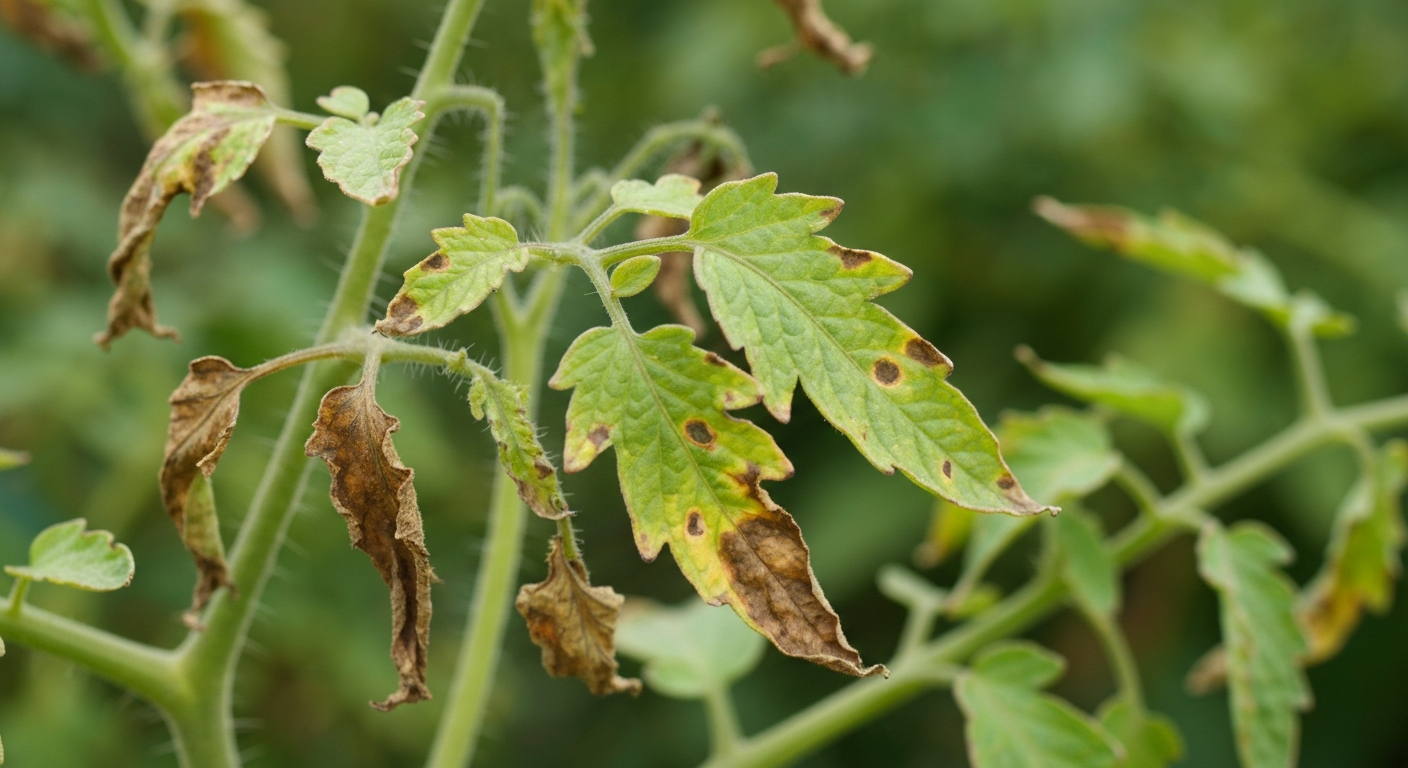
- Brown Spots and Lesions: Initially, small, water-soaked spots might appear on leaves, petals, or stems. These quickly enlarge and turn brown or tan. Unlike some other leaf spot diseases that might be more defined, botrytis lesions often have a soft, spreading margin.
- Bud and Flower Blight: Flower buds may fail to open, turning brown and mushy. Opened flowers can develop brown spots, wilt, and become covered with the characteristic gray mold. This is often referred to as “bud blast.”
- Stem Cankers and Dieback: On stems, especially near the soil line or at wound sites, brown lesions can develop. These can girdle the stem, leading to wilting and dieback of the plant parts above the affected area.
- Fruit and Vegetable Rot: Botrytis blight is a significant post-harvest disease, but it also attacks ripening fruit in the garden. Strawberries, raspberries, tomatoes, grapes, and beans are particularly susceptible. Infected fruits develop soft, watery spots that quickly turn brown and become covered in gray mold. This can be devastating for a harvest.
- Seedling Damping-Off: In cool, wet conditions, Botrytis cinerea can cause damping-off in seedlings, leading to young plants collapsing and dying.
Symptoms by Plant Part (Table):
| Plant Part | Common Symptoms |
|---|---|
| Leaves | Water-soaked spots, turning brown/tan; fuzzy gray mold. |
| Stems | Brown lesions, cankers, wilting, dieback. |
| Buds | Fail to open, turn brown, mushy; fuzzy gray mold. |
| Flowers | Brown spots on petals, wilting, rotting; fuzzy gray mold. |
| Fruits | Soft, watery spots, rapidly browning; extensive gray mold. |
| Seedlings | Collapse at soil line (damping-off). |
If you notice any of these signs, especially the distinctive gray fuzz, it’s time to take action. For a quick initial assessment, you can even try photographing the symptoms with your Plant Disease Identifier app on iPhone to help narrow down the possibilities.
Common Plants Affected by Botrytis Blight
The list of plants susceptible to botrytis blight is extensive, covering a broad spectrum of ornamentals, fruits, and vegetables. This wide host range makes it a challenge for almost any gardener.
Ornamentals:
- Roses (can be confused with black spot on roses)
- Peonies
- Impatiens
- Petunias
- Geraniums
- Cyclamen
- Begonias
- Poinsettias
- African Violets
- Snapdragons
- Zinnias
- And many more herbaceous plants
Fruits and Vegetables:
- Strawberries
- Raspberries
- Blueberries
- Grapes
- Tomatoes (a common problem among tomato plant diseases)
- Lettuce
- Beans
- Cucumbers
- Peppers
- Onions
- Cabbage
Given its broad impact, understanding how to manage this disease is vital for protecting your entire garden.
Understanding the Causes and Conditions for Botrytis Blight
Botrytis cinerea is an omnipresent fungus, but it only becomes a problem when environmental conditions are just right for its spores to germinate and infect plants. Understanding these factors is crucial for effective prevention.
Key Conditions Favoring Botrytis Blight:
- High Humidity: This is perhaps the most critical factor. Prolonged periods of high humidity (above 85%) on plant surfaces, often due to dew, fog, rain, or excessive watering, create the ideal moist environment for spores to germinate.
- Cool to Moderate Temperatures: While botrytis can tolerate a range, it thrives in cooler temperatures, typically between 50-70°F (10-21°C). This is why it’s often more prevalent in spring and fall, or in cool, damp growing environments like greenhouses.
- Poor Air Circulation: Overcrowded plants, dense foliage, and lack of air movement prevent plant surfaces from drying out quickly after watering or rain, leading to prolonged periods of wetness.
- Wounded or Damaged Plant Tissue: The fungus often enters plants through wounds caused by pruning, insects, hail, frost, or mechanical damage. Senescing (aging) or stressed plant tissues are also highly susceptible.
- Splashing Water: Overhead watering or heavy rain can splash spores from infected plant debris onto healthy plant parts, facilitating spread.
- Plant Debris: Infected plant material left on the soil surface provides a reservoir for the fungus, allowing it to overwinter and release spores in subsequent seasons.
- Weakened or Stressed Plants: Plants that are already stressed due to nutrient deficiencies, drought, or other diseases are more vulnerable to infection.
Essentially, any situation that keeps plant surfaces wet for extended periods in cool, still air will significantly increase the risk of a botrytis blight outbreak.
Diagnosing Botrytis Blight
Accurate diagnosis is the first step towards effective treatment for any sick plant. While the fuzzy gray mold is often a dead giveaway for botrytis blight, it’s important to differentiate it from other issues.
Steps for Diagnosing Botrytis Blight:
- Visual Inspection: Start by carefully examining your plants. Look for the characteristic gray, fuzzy growth, especially on dying flowers, buds, leaves, or fruits. Check for brown, water-soaked lesions that spread rapidly. Pay attention to areas where moisture might linger.
- Consider Environmental Conditions: Think about the recent weather. Have there been prolonged periods of cool, wet, or humid weather? Is your garden or greenhouse poorly ventilated? These factors strongly suggest botrytis.
- Distinguish from Other Fungi:
- Powdery Mildew: Unlike botrytis, powdery mildew typically appears as a white, powdery coating that can be rubbed off, and rarely causes soft rot. Learn more about powdery mildew on plants to differentiate.
- Downy Mildew: This often appears as purplish-gray fuzzy growth on the underside of leaves, with yellow spots on the upper side.
- Other Leaf Spot Diseases: While botrytis causes brown spots on plant leaves, many other fungi also do. Botrytis spots tend to be softer, more spreading, and often accompanied by the gray mold.
- Root Rot: If your plant shows wilting without visible aerial symptoms, you might be dealing with root rot from overwatering, rather than botrytis blight.
- Utilize Tools: For a quick preliminary diagnosis, consider using a plant disease identifier app. By uploading a clear photo of the symptoms, AI can often provide a likely diagnosis and suggest potential treatments.
- When to Seek Expert Help: If you’re unsure of the diagnosis, or if the disease is widespread and severe despite your efforts, it may be time to consult a local agricultural extension office or a certified arborist/horticulturist. They can often provide more definitive answers and tailored advice. Remember, AI tools are informational and not a substitute for professional agricultural advice.
Learning to diagnose plant problems effectively is a valuable skill for any gardener, and botrytis blight is a prime example of a disease where early and accurate identification makes all the difference.
Effective Treatment Strategies for Botrytis Blight
Once botrytis blight has taken hold, a multi-pronged approach is usually necessary to manage it. The focus should be on cultural controls first, with fungicides as a supplementary measure for severe cases.
1. Cultural Controls (Your First Line of Defense):
These are the most important and sustainable methods for treating and preventing botrytis blight.
- Prune and Remove Infected Plant Parts: As soon as you spot symptoms, carefully prune away all affected leaves, stems, flowers, and fruits. Cut well below the visible signs of infection into healthy tissue.
- Crucial Tip: Always sterilize your pruning shears or scissors with rubbing alcohol or a 10% bleach solution between each cut, and especially between plants. This prevents inadvertently spreading spores.
- Improve Air Circulation:
- Thinning: Prune out dense interior foliage to allow better airflow through the plant canopy.
- Spacing: Ensure plants are adequately spaced according to their mature size to prevent overcrowding.
- Reduce Humidity:
- Watering Practices: Water plants at the base, directly onto the soil, rather than overhead. This keeps foliage dry. Water in the morning to allow any moisture on leaves to evaporate quickly.
- Greenhouse/Indoor Ventilation: If growing indoors or in a greenhouse, use fans to promote air movement and reduce humidity.
- Sanitation:
- Remove Debris: Regularly clean up fallen leaves, spent flowers, and any other plant debris from around the base of your plants. This material can harbor Botrytis cinerea spores.
- Weed Control: Keep weeds in check, as they can also impede air circulation and contribute to humidity.
- Avoid Wounding: Be careful when handling plants, pruning, or working in the garden to minimize damage that could create entry points for the fungus.
2. Organic Fungicides:
For moderate infections or as a preventive measure in high-risk conditions, some organic options can be helpful.
- Neem Oil: This botanical oil has fungicidal properties and can help suppress fungal growth. Apply according to label instructions, ensuring good coverage. It works best as a preventative or for very early-stage infections.
- Copper or Sulfur-Based Fungicides: These are traditional organic fungicides that can be effective against botrytis blight. They act as protectants, forming a barrier on plant surfaces. Apply before infection takes hold or at the very first signs. Always follow label directions carefully.
3. Chemical Fungicides (For Severe Cases):
For widespread and severe outbreaks, particularly in commercial settings or highly valuable crops, chemical fungicides may be considered. For home gardeners, these should generally be a last resort, as cultural controls are often sufficient and more environmentally friendly.
- Active Ingredients: Look for fungicides with active ingredients such as chlorothalonil, iprodione, or azoxystrobin.
- Application: Fungicides are most effective when applied preventatively or at the very first sign of disease. They often work by preventing spores from germinating or inhibiting fungal growth.
- Read the Label: Always, always read and follow the manufacturer’s instructions precisely regarding mixing ratios, application methods, frequency, and safety precautions. Different fungicides have different target plants and re-entry intervals.
- Rotation: To prevent the fungus from developing resistance, it’s advisable to rotate between fungicides with different active ingredients if multiple applications are needed.
Remember that fungicides are generally protectants, meaning they prevent new infections but often do not cure existing ones. Their effectiveness relies heavily on proper timing and thorough coverage.
Preventing Botrytis Blight: Your Best Defense
Prevention is always better than cure, especially with a pervasive disease like botrytis blight. By adopting proactive gardening practices, you can significantly reduce the risk of an outbreak.
- Optimal Plant Spacing: Give your plants room to breathe! Follow recommended spacing guidelines for each plant species to ensure good air circulation around and within the plant canopy. This helps foliage dry quickly after rain or watering.
- Proper Watering Techniques:
- Water at the Base: Always water the soil directly, avoiding wetting the foliage.
- Morning Watering: Water early in the day to allow any accidental moisture on leaves to evaporate before evening.
- Avoid Overwatering: Ensure good drainage to prevent waterlogged soil, which can stress plants and make them more susceptible to plant disease.
- Excellent Garden Sanitation:
- Remove Debris: Regularly remove all dead or decaying plant material, fallen leaves, spent flowers, and weeds from your garden beds. This eliminates potential overwintering sites for the fungus.
- Sterilize Tools: Clean and sterilize your pruning shears, trowels, and other gardening tools regularly, especially after working with diseased plants.
- Pruning for Airflow: Prune out any dense, interior growth to improve air movement through the plant. Remove any weak, damaged, or senescing (aging) leaves or stems, as these are prime targets for infection.
- Choose Resistant Varieties: When available, select plant varieties that are known to have some resistance to botrytis blight. While not foolproof, this can offer an extra layer of protection.
- Provide Adequate Ventilation (Greenhouses/Indoors): In enclosed environments, use fans to circulate air and reduce humidity. Ensure proper spacing between pots.
- Protect from Wounds: Minimize physical damage to plants from gardening activities, pests, or environmental factors. Wounds are easy entry points for Botrytis cinerea.
- Crop Rotation: In vegetable gardens, practice crop rotation. Planting the same crop in the same spot year after year can lead to a buildup of pathogens in the soil.
- Monitor Regularly: Make it a habit to inspect your plants frequently for any early signs of disease. Early detection drastically improves the chances of successful management.
By integrating these preventive measures into your routine, you create an environment that is less hospitable to botrytis blight, allowing your plants to thrive.
Common Mistakes to Avoid When Dealing with Botrytis Blight
Even with the best intentions, gardeners can sometimes make mistakes that inadvertently worsen a botrytis blight problem or hinder recovery. Being aware of these pitfalls can save your plants.
- Ignoring Early Symptoms: Many gardeners might dismiss a few brown spots or a touch of gray fuzz, hoping it will go away. Botrytis blight spreads rapidly, and delaying action allows the disease to become deeply entrenched and much harder to control.
- Overhead Watering in the Evening: Watering foliage late in the day means plants stay wet overnight, creating perfect conditions for fungal spore germination. Always water at the base and in the morning.
- Poor Garden Sanitation: Leaving infected plant debris on the ground or in the compost pile (unless it’s a hot compost) provides a continuous source of spores for re-infection. Cleanliness is paramount.
- Not Sterilizing Tools: Using unsterilized pruning shears to remove diseased plant parts is a common way to spread spores to healthy parts of the same plant or to other plants in the garden.
- Overcrowding Plants: While it’s tempting to pack plants in for a lush look, overcrowding severely restricts airflow, leading to stagnant, humid conditions that botrytis loves.
- Relying Solely on Fungicides: Fungicides are tools, not magic bullets. Without addressing the underlying environmental and cultural issues that favor the disease, fungicides will only offer temporary relief and may lead to resistance over time.
- Not Understanding the Disease Cycle: If you don’t grasp why botrytis blight appears (cool, wet, humid conditions), you won’t effectively implement the preventive measures needed to stop its recurrence.
- Composting Infected Material Incorrectly: Unless your compost pile reaches consistently high temperatures (which most home composts do not), botrytis spores can survive and be reintroduced to your garden with the finished compost. It’s safer to dispose of severely infected material.
By avoiding these common errors, you significantly improve your chances of managing botrytis blight effectively and maintaining a healthier garden.
Conclusion
Botrytis blight, or gray mold, is a formidable adversary for any gardener, capable of turning lush foliage and bountiful harvests into a fuzzy, decaying mess. However, by understanding its symptoms, the conditions it thrives in, and employing a combination of diligent cultural practices and, when necessary, targeted treatments, you can protect your plants.
Remember, prevention is your most powerful tool. Maintaining good air circulation, practicing proper watering techniques, ensuring impeccable garden sanitation, and regularly inspecting your plants are fundamental steps. While the Plant Disease Identifier app can offer a helpful first step in diagnosing issues, consistent vigilance and proactive care from you are truly what makes the difference. With patience and persistence, you can keep botrytis blight at bay and ensure your garden remains a source of joy and abundance. Happy gardening!