

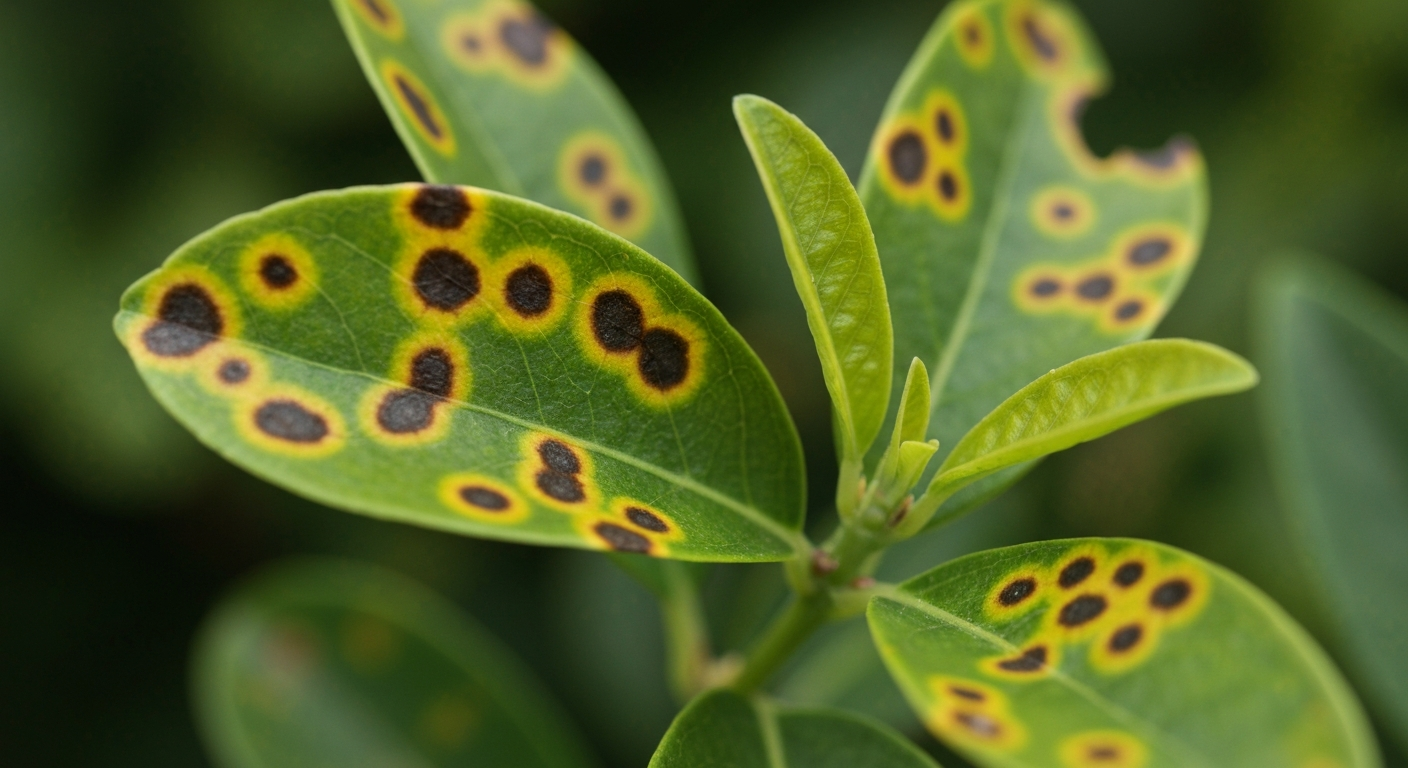
As a home gardener, there are few things more disheartening than spotting unsightly blemishes on your beloved plants. Among the myriad of plant ailments, cercospora leaf spot stands out as a particularly common and frustrating fungal disease. It can affect a wide range of plants, from your favorite garden vegetables like beets and peppers to beautiful ornamentals such as hydrangeas and crape myrtles. Understanding this persistent pathogen is the first step toward protecting your plants, preserving your harvest, and maintaining the vibrant beauty of your garden.
This comprehensive guide will walk you through everything you need to know about cercospora leaf spot: how to spot its telltale signs, what conditions favor its development, effective treatment strategies (both organic and chemical), and, most importantly, how to prevent it from ever taking hold. By arming yourself with this knowledge, you’ll be better equipped to keep your plants healthy and thriving, even in the face of this widespread fungal threat.
Understanding Cercospora Leaf Spot: A Persistent Pathogen
Cercospora leaf spot is a fungal disease caused by various species of the Cercospora genus. These fungi are notorious for their ability to produce distinctive spots on plant leaves, which, if left unchecked, can lead to defoliation, reduced plant vigor, and significant crop loss in edible plants. Unlike some other diseases that might be localized to specific regions or conditions, Cercospora fungi are widespread and can thrive in diverse environments, making them a global concern for gardeners and farmers alike.
The impact of cercospora leaf spot extends beyond just aesthetics. For vegetable gardeners, it can severely diminish yields, as damaged leaves reduce the plant’s ability to photosynthesize effectively. In ornamental plants, the premature yellowing and dropping of leaves can strip away their beauty and weaken the plant, making it more susceptible to other stresses. Early detection and proactive management are crucial to minimizing its impact.
Identifying the Signs: Cercospora Leaf Spot Symptoms
Recognizing cercospora leaf spot early is vital for effective management. While symptoms can vary slightly depending on the specific Cercospora species and the host plant, there are common characteristics that will help you identify this disease. When you notice any signs of a sick plant, it’s important to investigate promptly.
Common Visual Symptoms:
- Distinct Leaf Spots: This is the most characteristic symptom. Spots typically start small and circular, eventually enlarging. They often have a light tan or gray center with a reddish, purple, or brown border. This distinct “halo” effect is a key identifier.
- Angular Shape: On some plants, especially those with prominent leaf veins like spinach or Swiss chard, the spots may appear angular, constrained by the veins.
- Target-like Rings: Sometimes, especially as spots mature, they may develop concentric rings, giving them a “target” appearance.
- Leaf Yellowing and Drop: As the disease progresses, numerous spots can merge, causing entire leaves to turn yellow, wither, and drop prematurely. This defoliation can be severe, particularly on lower, older leaves first.
- Fuzzy Growth (Rare but Possible): Under very humid conditions, you might occasionally see a faint, fuzzy, grayish growth on the underside of the spots, which are the fungal spores.
- Stem and Petiole Lesions: While primarily a leaf disease, severe infections can sometimes cause elongated, sunken spots on stems and petioles (leaf stalks).
Symptom Variations by Plant Type:
| Plant Type | Typical Cercospora Leaf Spot Appearance
Cercospora leaf spot, caused by various species of the fungus Cercospora, is a prevalent plant disease that can affect a broad spectrum of plants, from common garden vegetables to prized ornamentals. While it rarely kills a mature plant outright, severe infections can significantly weaken it, reduce yields, and mar its aesthetic appeal. As a Senior Plant Care Editor, I often guide gardeners through identifying and managing these kinds of leaf spot diseases, which are among the most common issues we see.
Let’s dive into the specifics of this disease, so you can confidently diagnose and treat it in your garden.
What is Cercospora Leaf Spot?
At its core, cercospora leaf spot is a fungal infection that primarily targets plant foliage. The fungus thrives in warm, humid conditions, making many temperate and subtropical regions ideal breeding grounds. It’s not a single species of fungus but rather a genus (Cercospora) with many different species, each often host-specific or with a narrow range of preferred hosts. For example, the Cercospora beticola species specifically attacks beets, chard, and spinach, while others might target peppers or hydrangeas.
Understanding that this disease is caused by a living organism (a fungus) is key to comprehending its spread and how to combat it.
What Causes Cercospora Leaf Spot? The Environmental Triggers
The presence of the Cercospora fungus spores alone isn’t enough for an outbreak. Specific environmental conditions and cultural practices create the perfect storm for this disease to take hold and spread rapidly.
The Fungus and Its Lifecycle:
The Cercospora fungus overwinters in infected plant debris left in the garden or in the soil. When spring arrives and conditions become favorable, the dormant spores become active.
- Spore Release: Spores are primarily released from infected plant tissue and carried by wind, splashing rain, or overhead irrigation water to healthy leaves.
- Infection: For infection to occur, the spores need a film of water on the leaf surface for several hours, typically 12-24 hours. They then germinate and penetrate the leaf tissue.
- Disease Development: Once inside, the fungus grows and produces new spots. Within a week or two, new spores are produced on these spots, ready to be spread to other leaves and plants, starting the cycle anew.
Environmental Factors that Promote Cercospora:
- Warm Temperatures: Cercospora fungi generally thrive in temperatures between 70°F and 90°F (21°C and 32°C).
- High Humidity and Moisture: Prolonged periods of leaf wetness are crucial for spore germination and infection. This can be due to frequent rain, dew, fog, or overhead irrigation.
- Poor Air Circulation: Densely planted gardens or areas with stagnant air prevent leaves from drying quickly, creating an ideal microclimate for fungal growth.
- Weakened Plants: Plants under stress from nutrient deficiencies, drought, or other pests are often more susceptible to infection.
Diagnosing Cercospora Leaf Spot in Your Garden
Accurate diagnosis is the cornerstone of effective treatment. While the symptoms are often distinct, it’s easy to confuse cercospora leaf spot with other brown spots on plant leaves or other fungal issues like powdery mildew on plants or black spot on roses.
Steps for Diagnosis:
- Observe Closely: Get up close and personal with your plants. Examine both the top and underside of the leaves. Look for the characteristic spots: light centers with dark, often reddish-purple, margins. Note their size, shape, and distribution on the plant. Are they mostly on older, lower leaves, or are they spreading upwards?
- Consider Environmental Conditions: Think about the recent weather. Has it been warm and humid? Have you been watering overhead? These factors can strongly suggest a fungal issue.
- Rule Out Other Issues:
- Nutrient Deficiencies: These often cause uniform yellowing or discoloration, not distinct spots with halos.
- Pest Damage: Insect feeding usually leaves holes, chewing marks, or stippling, not fungal spots.
- Other Fungal Diseases: This is where it gets tricky. Many fungi cause leaf spots. For instance, early blight on tomatoes (caused by Alternaria solani) also creates target-like spots but typically has more defined concentric rings and often appears earlier in the season than late blight. For more on tomato issues, see our guide on tomato plant diseases.
- Use Technology: For a quick and often accurate preliminary diagnosis, consider using our Plant Disease Identifier app on your iPhone. Simply photograph the affected leaves, and the app’s AI can help you identify potential diseases, including cercospora leaf spot, by comparing your images to its extensive database. While AI is informational and not a substitute for professional agricultural advice, it’s an excellent tool for home gardeners to diagnose plant problems quickly. You can also explore the best plant disease identifier app options available.
Effective Treatment Strategies for Cercospora Leaf Spot
Once you’ve confirmed cercospora leaf spot, it’s time to act. Treatment involves a combination of cultural practices and, in some cases, fungicides. The goal is to stop the spread, protect new growth, and allow your plant to recover.
Organic Approaches: Your First Line of Defense
For many home gardeners, organic and cultural methods are preferred for managing plant disease. These strategies focus on improving plant health and creating an environment unfavorable to the fungus.
-
Sanitation is Key:
- Remove Infected Leaves: As soon as you spot infected leaves, carefully prune them off. Dispose of them in the trash, not your compost pile, to prevent the fungus from spreading.
- Clean Up Debris: At the end of the growing season (or even during it), thoroughly clean up all fallen leaves and plant debris. This is where the fungus overwinters.
- Sterilize Tools: Always clean and sterilize your pruning shears and other garden tools after working with infected plants. A 10% bleach solution or rubbing alcohol works well. This prevents you from inadvertently spreading spores to healthy plants.
-
Improve Air Circulation and Spacing:
- Proper Spacing: When planting, ensure adequate space between plants. This allows for better airflow, which helps leaves dry more quickly after rain or watering.
- Pruning: For dense plants, judiciously prune some inner branches or leaves to improve air circulation within the canopy.
-
Watering Practices:
- Water at the Base: Always water the soil directly at the base of your plants, avoiding overhead irrigation. Soaker hoses or drip irrigation are excellent choices. This keeps the foliage dry, denying the fungus the moisture it needs to germinate.
- Morning Watering: If you must water overhead, do it in the morning to give leaves ample time to dry before evening.
-
Organic Fungicides:
- Neem Oil: A natural botanical oil that acts as an anti-feedant, repellent, and fungicide. Apply according to label directions, ensuring good coverage of all leaf surfaces. It’s most effective as a preventative or at the very first signs of disease.
- Copper-based Fungicides: These are broad-spectrum organic fungicides that can help protect healthy foliage from infection. They act as a barrier. Apply preventatively or at the first sign of disease, following all label instructions.
- Baking Soda Spray (DIY): A mixture of 1 tablespoon baking soda, 1 tablespoon horticultural oil, and 1 gallon of water can sometimes help. It alters the pH on the leaf surface, making it less hospitable for fungal growth. Test on a small area first.
Chemical Fungicides: When and How to Use Them
For severe, widespread infections, or if you’re growing highly susceptible plants in a high-risk environment, chemical fungicides may be necessary. These are often a last resort for home gardeners but can be very effective when used correctly.
- When to Use: Consider fungicides if the disease is rapidly defoliating your plants, significantly impacting yield, or if organic methods have proven insufficient.
- Types of Fungicides:
- Chlorothalonil: A common broad-spectrum fungicide effective against many leaf spot diseases, including Cercospora.
- Myclobutanil (e.g., Spectracide Immunox): A systemic fungicide that is absorbed by the plant, offering some internal protection.
- Thiophanate-methyl: Another systemic option.
- Application:
- Read the Label: This is paramount. Fungicide labels provide critical information on application rates, timing, safety precautions, and specific plants they are registered for.
- Timing: Fungicides are primarily protectants, meaning they work best when applied before or at the very first signs of disease to prevent infection or stop its spread. They cannot “cure” already damaged tissue.
- Coverage: Ensure thorough coverage of all leaf surfaces, including the undersides. Repeat applications may be necessary according to label instructions, especially during periods of active fungal growth or wet weather.
- Rotation: To prevent the fungus from developing resistance, rotate different types of fungicides if you are using them frequently.
Important Note: Always wear appropriate personal protective equipment (gloves, eye protection) when applying fungicides, and keep children and pets away from treated areas until dry. Never apply more than the label recommends.
Prevention is Key: Stopping Cercospora Before It Starts
The best defense against cercospora leaf spot is a strong offense. Implementing preventative measures can save you a lot of headache and heartache down the line.
- Choose Resistant Varieties: Whenever possible, select plant varieties that are known to have resistance or tolerance to Cercospora species. Many seed catalogs and plant nurseries will indicate this.
- Crop Rotation: If you’re growing vegetables, rotate your crops annually. Since the fungus can overwinter in soil debris, planting the same crop in the same spot year after year provides a continuous host for the pathogen. Rotate susceptible plants with non-host crops for at least 2-3 years.
- Proper Plant Spacing: As mentioned in treatment, good spacing is crucial for prevention. Ensure plants have enough room to grow and for air to circulate freely around them.
- Strategic Watering: Continue to practice bottom watering or drip irrigation. Avoid overhead watering, especially in the evening, to keep foliage dry.
- Garden Hygiene:
- Prompt Cleanup: Regularly remove any fallen leaves or plant debris throughout the growing season.
- End-of-Season Cleanup: A thorough garden cleanup at the end of the season is critical to remove overwintering spores.
- Maintain Plant Health: Healthy, vigorous plants are more resilient to disease. Provide adequate nutrients through balanced fertilization, ensure proper soil drainage, and manage other pests and stresses.
- Monitor Regularly: Make it a habit to inspect your plants frequently, especially during warm, humid weather. Early detection of any plant disease makes management much easier.
Common Mistakes to Avoid When Dealing with Cercospora Leaf Spot
Even experienced gardeners can make mistakes. Avoiding these common pitfalls will improve your chances of success against cercospora leaf spot.
- Ignoring Early Symptoms: Small spots can quickly multiply and spread. Don’t wait until half your plant is defoliated to take action. Early intervention is critical.
- Overhead Watering: This is perhaps the biggest culprit in spreading and exacerbating fungal diseases. Switching to ground-level watering is one of the most impactful changes you can make.
- Composting Infected Material: Throwing infected leaves into your compost pile is like inviting the fungus back next season. Always dispose of diseased plant material in the trash.
- Not Sanitizing Tools: Using dirty shears to prune an infected plant, then using them on a healthy one, is a sure way to spread the disease.
- Misdiagnosis: Assuming all leaf spots are the same can lead to ineffective treatments. While many leaf spots share symptoms, understanding the specific pathogen (or at least the type of pathogen, e.g., fungal vs. bacterial) is important. For instance, treatment for a fungal leaf spot like Cercospora will differ significantly from managing root rot, which is often caused by overwatering and poor drainage.
- Over-reliance on Fungicides: Fungicides are tools, not magic bullets. They are most effective when used in conjunction with good cultural practices. Using them without addressing underlying environmental issues is