

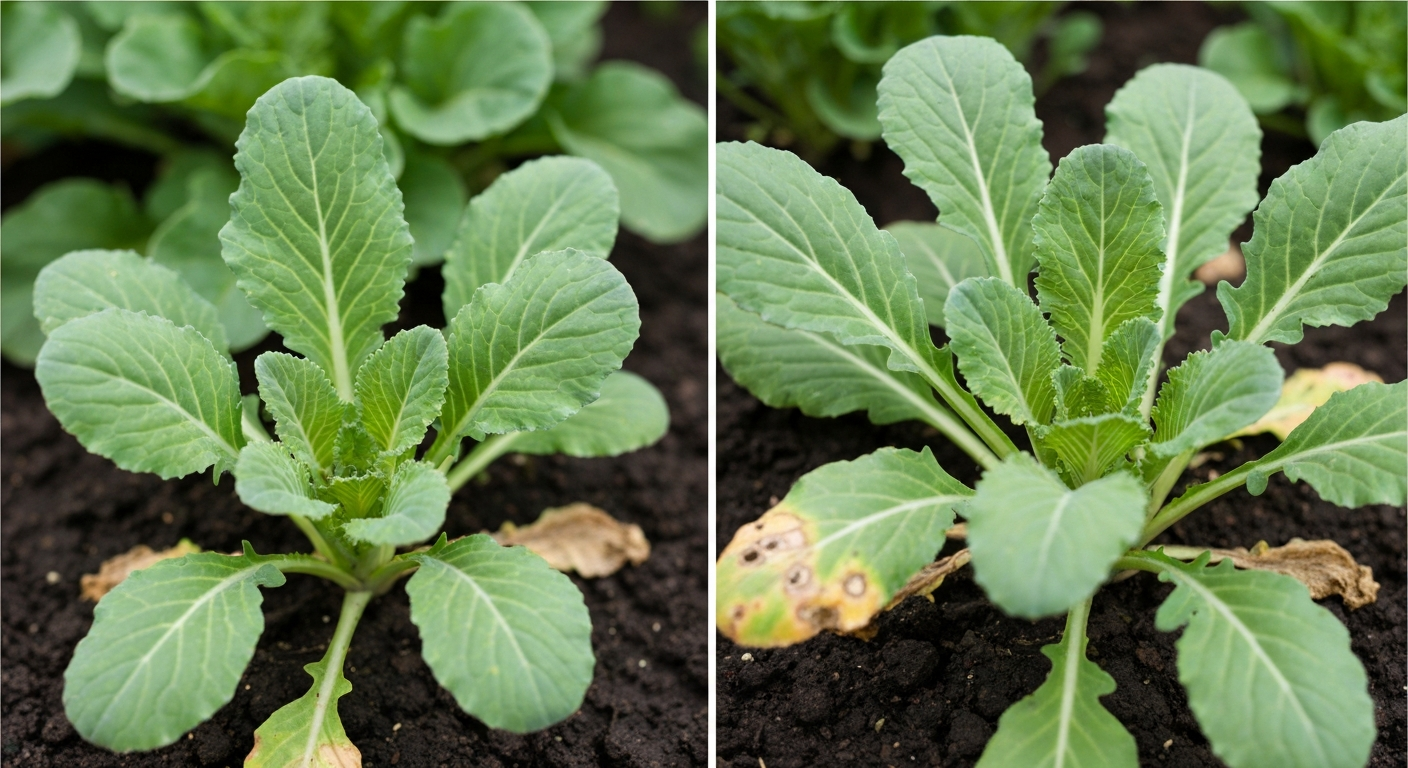
Gardening is a rewarding endeavor, but every green thumb eventually faces the challenge of plant diseases. Among the most formidable foes for those who love to grow cabbage, broccoli, kale, Brussels sprouts, and other members of the Brassica family is a devastating condition known as clubroot brassicas. This soil-borne disease can turn a promising harvest into a disheartening failure, leaving you with stunted, wilting plants and deformed roots. But don’t despair! Understanding clubroot is the first step towards managing and preventing it in your garden. As your Senior Plant Care Editor at plantdiseaseapp.com, I’m here to equip you with the knowledge to combat this persistent pathogen and protect your precious brassica crops.
What is Clubroot and Why is it So Devastating for Brassicas?
Clubroot is a serious disease caused by the soil-borne protist Plasmodiophora brassicae. While often referred to as a fungus, it’s actually a ‘slime mold’ that specifically targets the roots of plants in the Brassicaceae (cabbage) family. When present in your soil, this pathogen invades the root cells, causing them to swell and distort, forming characteristic galls or “clubs.”
Why is it so devastating? Because these galls severely impair the plant’s ability to absorb water and nutrients from the soil. Imagine trying to drink water through a straw that’s been squeezed shut in multiple places – that’s essentially what happens to an infected brassica plant. This leads to the visible above-ground symptoms like wilting and stunted growth, ultimately reducing yield or even killing the plant outright. The spores of Plasmodiophora brassicae are also incredibly resilient, capable of surviving in the soil for many years, making eradication a significant challenge once established.
Recognizing the Signs: Symptoms of Clubroot on Brassicas
Early detection is crucial for managing clubroot. While the most definitive signs are below ground, there are several above-ground indicators that should raise a red flag.
Above-Ground Symptoms
- Wilting: This is often the first noticeable symptom. Plants may wilt during the hottest part of the day, even when the soil is adequately moist. Initially, they might recover overnight, but as the disease progresses, wilting becomes permanent. This wilting is often confused with simple drought stress, but persistent wilting despite proper watering is a key differentiator.
- Stunted Growth: Infected plants will grow slowly and remain significantly smaller than healthy plants of the same age.
- Yellowing or Purplish Discoloration: Leaves may turn yellow, sometimes with a purplish tint, indicating nutrient deficiency due to impaired root function. This can sometimes be mistaken for general nutrient deficiencies, but when combined with wilting and stunted growth, it points strongly to clubroot.
- Poor Head Formation (for heading brassicas): Cabbage, broccoli, or cauliflower may fail to form heads, or the heads will be very small and loose.
- Premature Death: In severe cases, young plants can die off quickly, while older plants may linger, producing little to no harvest.
Below-Ground Symptoms: The Definitive Evidence
To confirm clubroot, you must examine the roots. Gently dig up a suspicious plant, being careful not to damage the roots.
- Galls and Swellings: The most characteristic symptom is the presence of swollen, distorted, or club-shaped roots. These galls can vary in size from small nodules to large, irregular masses, often resembling ginger roots. They can appear on the main taproot and smaller feeder roots.
- Decay: As the disease progresses, the galls may begin to rot, especially in wet conditions, leading to a foul odor. This further compromises the plant’s ability to absorb water and nutrients.
Common Brassicas Susceptible to Clubroot:
| Crop Type | Examples |
|---|---|
| Cabbage | Green cabbage, red cabbage, savoy cabbage |
| Broccoli | Heading broccoli, sprouting broccoli |
| Cauliflower | White, purple, and green varieties |
| Kale | Curly kale, Lacinato kale, Red Russian |
| Brussels Sprouts | All varieties |
| Kohlrabi | Green and purple kohlrabi |
| Turnips | All turnip varieties |
| Radishes | Red, white, and daikon radishes |
| Mustard Greens | Oriental mustard, mizuna |
| Rutabaga | All varieties |
Beyond cultivated crops, many common weeds in the brassica family, such as shepherd’s purse and wild mustard, can also host Plasmodiophora brassicae, acting as reservoirs for the disease.
The Culprit: Understanding the Causes of Clubroot
The primary cause of clubroot is the pathogen Plasmodiophora brassicae. However, its presence alone isn’t always enough for a full-blown outbreak. Several environmental factors and cultural practices contribute to its development and spread.
The Pathogen: Plasmodiophora brassicae
This microscopic, soil-borne organism is not a true fungus but an obligate parasite, meaning it can only survive and reproduce within living host cells. It produces resting spores that are incredibly tough and can lie dormant in the soil for decades, waiting for suitable host roots to grow nearby.
Favorable Conditions for Clubroot Development
- Acidic Soil pH: This is perhaps the most critical factor. Plasmodiophora brassicae thrives in acidic soils, typically with a pH below 6.5. As the pH approaches 7.0 and above (alkaline), the pathogen’s activity is significantly reduced, and disease severity dramatically decreases.
- Wet, Poorly Drained Soil: High soil moisture levels and poor drainage create an ideal environment for the pathogen to move through the soil and infect roots. Saturated soils also stress brassica plants, making them more susceptible. This is a common factor in many plant diseases, including various forms of root rot.
- Warm Soil Temperatures: The disease is most active in soil temperatures between 65-77°F (18-25°C). This often coincides with typical brassica growing seasons.
- Presence of Host Plants: The pathogen needs brassica roots to complete its life cycle. Continuous planting of brassicas in the same location allows the spore population to build up over time.
How Clubroot Spreads
- Infected Soil: The most common way clubroot spreads is through the movement of infected soil. This can happen via:
- Contaminated tools and equipment: Shovels, hoes, tillers, and even boots can carry spores from one area to another.
- Runoff water: Rain or irrigation water can wash spores from infected areas to healthy ones.
- Infected plant debris: Even small pieces of infected roots left in the soil can contain viable spores.
- Infected Seedlings: Purchasing and planting brassica seedlings that are already infected, even if they show no visible symptoms yet, can introduce the disease to your garden.
- Wind and Animals: While less common, strong winds can carry dust particles with spores, and animals moving through infected soil can also contribute to spread.
Diagnosing Clubroot: A Step-by-Step Approach
Accurate diagnosis is crucial for effective management. If you suspect your brassicas are suffering from a disease, follow these steps:
- Observe Above-Ground Symptoms: Look for persistent wilting, stunted growth, and discolored leaves, especially during warm weather. Are these symptoms isolated to your brassicas, or are other plant families showing similar signs? If it’s a general issue, you might be dealing with something like a nutrient deficiency or widespread root rot.
- Examine the Roots: This is the most critical step. Gently dig up an affected plant, taking care not to disturb the root ball too much. Wash the soil off the roots under a gentle stream of water. Look for the characteristic galls or swellings. If you see these, it’s highly likely you have clubroot.
- Rule Out Other Issues:
- Nutrient Deficiencies: While clubroot causes yellowing, it’s usually accompanied by wilting and galls. A general nutrient deficiency might cause uniform yellowing without root distortion.
- Root-Knot Nematodes: These also cause galls on roots, but nematode galls are typically smaller, more uniform, and usually appear as distinct swellings on individual roots, not the large, irregular club-like masses of clubroot.
- Drought Stress: Wilting from drought will resolve quickly with watering, unlike clubroot wilting.
- Other Plant Diseases: Be sure to rule out other common brassica diseases that affect leaves, such as powdery mildew on plants or various leaf spot disease issues, which have very different symptoms.
- Utilize Technology for Confirmation: If you’re unsure, take clear photos of your plant’s symptoms, especially the roots, and use an app like the Plant Disease Identifier app on your iPhone. Photographing symptoms from different angles can often provide quick, AI-powered insights into potential problems. Remember, while AI tools are incredibly helpful for initial identification, they are informational and not a substitute for professional agricultural or horticultural advice. For definitive confirmation, especially if you plan extensive mitigation, a soil test by a local extension office or agricultural lab might be necessary. This is particularly useful for diagnosing a wide range of sick plant issues.
Effective Treatment Strategies for Clubroot
Once clubroot is established in your soil, treating it on individual plants is nearly impossible. The focus shifts to soil management, prevention, and reducing the pathogen’s load for future crops.
Organic Approaches
- Soil pH Adjustment (Liming): This is the most effective organic control. Clubroot spores are significantly inhibited in alkaline soils (pH 7.0 or higher).
- Soil Test First: Before adding anything, get a soil test to determine your current pH. Your local extension office can help.
- Apply Lime: If your pH is acidic, apply agricultural lime (calcium carbonate) or dolomitic lime (which also adds magnesium) to raise the pH. The amount needed depends on your current pH and soil type. Follow soil test recommendations carefully. It can take several months for lime to fully impact soil pH, so plan ahead.
- Strict Crop Rotation: Avoid planting any brassica family crops in affected areas for at least 3-7 years, preferably longer if possible. This deprives the pathogen of a host, slowly reducing the spore population. Rotate with non-host crops like legumes, corn, or alliums. This is a fundamental principle for preventing many soil-borne issues, similar to how rotation helps manage tomato plant diseases.
- Solarization: In hot climates, covering moist, tilled soil with clear plastic for 4-6 weeks during the hottest part of summer can heat the soil to temperatures lethal to Plasmodiophora brassicae spores. This requires consistent high temperatures and direct sunlight.
- Resistant Varieties: Select and plant clubroot-resistant brassica varieties. Many seed catalogs and nurseries now offer options labeled “CR” (Clubroot Resistant). While not entirely immune, these varieties can tolerate the disease much better.
- Improve Soil Drainage: Amend heavy clay soils with plenty of organic matter (compost) to improve drainage and aeration, making the environment less favorable for the pathogen.
- Raised Beds or Containers: If your garden soil is heavily infected, consider growing brassicas in raised beds or large containers filled with fresh, disease-free potting mix. Ensure these are not contaminated by existing garden soil.
When Fungicides Might Help (and Their Limitations)
For home gardeners, chemical fungicides are generally not an effective or recommended solution for clubroot.
- Limited Efficacy: Most fungicides are not effective against Plasmodiophora brassicae because it’s not a true fungus, and its lifecycle within the plant roots makes it difficult to reach.
- Preventive, Not Curative: Any available chemical treatments are typically used as pre-plant soil treatments in commercial agriculture to reduce spore load, not to cure infected plants. These are often not available or practical for home garden use and can have environmental concerns.
- Professional Guidance: If you are managing a very large garden or small farm and are considering chemical options, it is imperative to consult with an agricultural extension specialist. They can provide advice on appropriate, legally permitted products and application methods, if any are suitable for your specific situation. Always follow label instructions meticulously.
For the average home gardener, focusing on the organic and cultural methods listed above will yield much better results and be more environmentally friendly.
Prevention is Key: Stopping Clubroot Before it Starts
Given the difficulty of treating clubroot once it’s present, prevention is by far the most effective strategy.
- Test and Adjust Soil pH: Regularly test your soil pH (every 2-3 years) and maintain it at 7.0 or above. If it’s acidic, incorporate agricultural lime as recommended by your soil test results. It takes time for lime to work, so apply it well in advance of planting.
- Practice Strict Crop Rotation: This is non-negotiable. Do not plant brassicas in the same spot more than once every 3-7 years. The longer the rotation, the better. Rotate with unrelated crops like legumes (peas, beans), corn, potatoes, or onions.
- Sanitation, Sanitation, Sanitation:
- Clean Tools: Always clean and disinfect garden tools (shovels, hoes, trowels) after working in areas where clubroot might be present. A 10% bleach solution or rubbing alcohol can be used.
- Clean Boots: Clean soil off your boots before moving between different garden beds or properties.
- Remove Infected Plants: Promptly remove and destroy (do not compost in your home compost) any plants showing clubroot symptoms. Bag them and dispose of them in municipal waste.
- Weed Control: Control brassica weeds (e.g., shepherd’s purse, wild mustard) as they can host the pathogen.
- Source Healthy Plants: Purchase brassica seedlings from reputable nurseries that guarantee disease-free stock. Inspect roots before planting if possible. Better yet, start your own seeds in sterile potting mix.
- Raised Beds and Containers: If your garden soil is known to be contaminated, grow brassicas in raised beds filled with new, clean topsoil or in containers with sterile potting mix. Ensure there’s a barrier between the clean soil and contaminated ground.
- Improve Soil Drainage: Ensure your garden beds have good drainage. Amend heavy clay soils with plenty of organic matter to improve soil structure and aeration.
- Avoid Overwatering: While clubroot needs moisture, overwatering can exacerbate problems by creating soggy conditions. Water deeply and less frequently, allowing the topsoil to dry out slightly between waterings.
- Consider Resistant Varieties: Make it a habit to look for clubroot-resistant varieties when selecting seeds or starts. This is an easy way to build an extra layer of defense.
- General Plant Health: Healthy, vigorous plants are generally more resilient to all kinds of stressors, including diseases. Ensure your plants receive adequate sunlight, nutrients, and proper spacing. While clubroot is aggressive, good overall plant health can help them withstand minor infections. This approach is beneficial for preventing a range of issues, from brown spots on plant leaves to specific problems like black spot on roses.
Common Mistakes Gardeners Make with Clubroot
Even experienced gardeners can make mistakes when dealing with a tricky pathogen like clubroot. Avoiding these pitfalls can significantly improve your chances of success.
- Ignoring Early Symptoms: Dismissing wilting as just “needing water” or stunted growth as “poor soil” without investigating further. Early diagnosis, even if it means sacrificing a plant for root inspection, is crucial.
- Not Testing Soil pH: Guessing at soil pH or applying lime without a prior test can be ineffective or even detrimental. Too much lime can lead to other nutrient deficiencies.
- Inadequate Crop Rotation: Planting brassicas back in the same spot too soon or rotating with other brassica family crops (e.g., following cabbage with kale). True rotation means switching to an entirely different plant family.
- Poor Sanitation Practices: Using contaminated tools or walking through infected areas and then into clean ones without cleaning boots. This is one of the easiest ways to spread the disease.
- Composting Infected Material: Adding clubroot-infected plants to your home compost pile. Unless you have a very hot, professionally managed compost system, the spores will likely survive and spread the disease when you use the compost.
- Misdiagnosing the Problem: Confusing clubroot galls with root-knot nematode galls or simply thinking stunted growth is due to nutrient deficiency. While nutrient deficiencies can occur, the root galls are the key distinguishing feature of clubroot. Learning to diagnose plant problems accurately is a critical skill.
- Relying Solely on “Resistant” Varieties: While resistant varieties are a great tool, they are not a silver bullet. They should be used in conjunction with good soil management and cultural practices, especially if clubroot pressure is high.
Long-Term Soil Health for Brassicas
Beyond immediate prevention, fostering long-term soil health is your best defense against clubroot and many other soil-borne diseases.
- Build Organic Matter: Regularly amending your soil with well-rotted compost, aged manure, or other organic materials improves soil structure, drainage, and microbial diversity. A healthy soil microbiome can sometimes suppress pathogens.
- Minimize Soil Compaction: Avoid walking on garden beds, especially when wet, to prevent compaction. Compacted soil hinders root growth and drainage, creating conditions favorable for clubroot.
- Cover Cropping: Planting cover crops during off-seasons can protect soil, add organic matter, and improve fertility. Choose non-brassica cover crops to avoid hosting the clubroot pathogen.
- Sustainable Practices: Embrace an integrated pest management (IPM) approach that combines cultural, biological, and physical controls rather than relying on a single method. This holistic view contributes to a resilient garden ecosystem.
Conclusion
Clubroot is a formidable challenge for any brassica grower, but it is not an insurmountable one. By understanding its symptoms, causes, and most importantly, implementing robust preventative measures, you can protect your cabbage, broccoli, kale, and other beloved brassicas. Remember, vigilance, good sanitation, meticulous soil pH management, and strict crop rotation are your most powerful tools. Don’t let the thought of clubroot deter you from enjoying the bounty of your brassica patch. With the right knowledge and consistent effort, you can cultivate a healthy, productive garden free from this devastating disease. Happy gardening!