

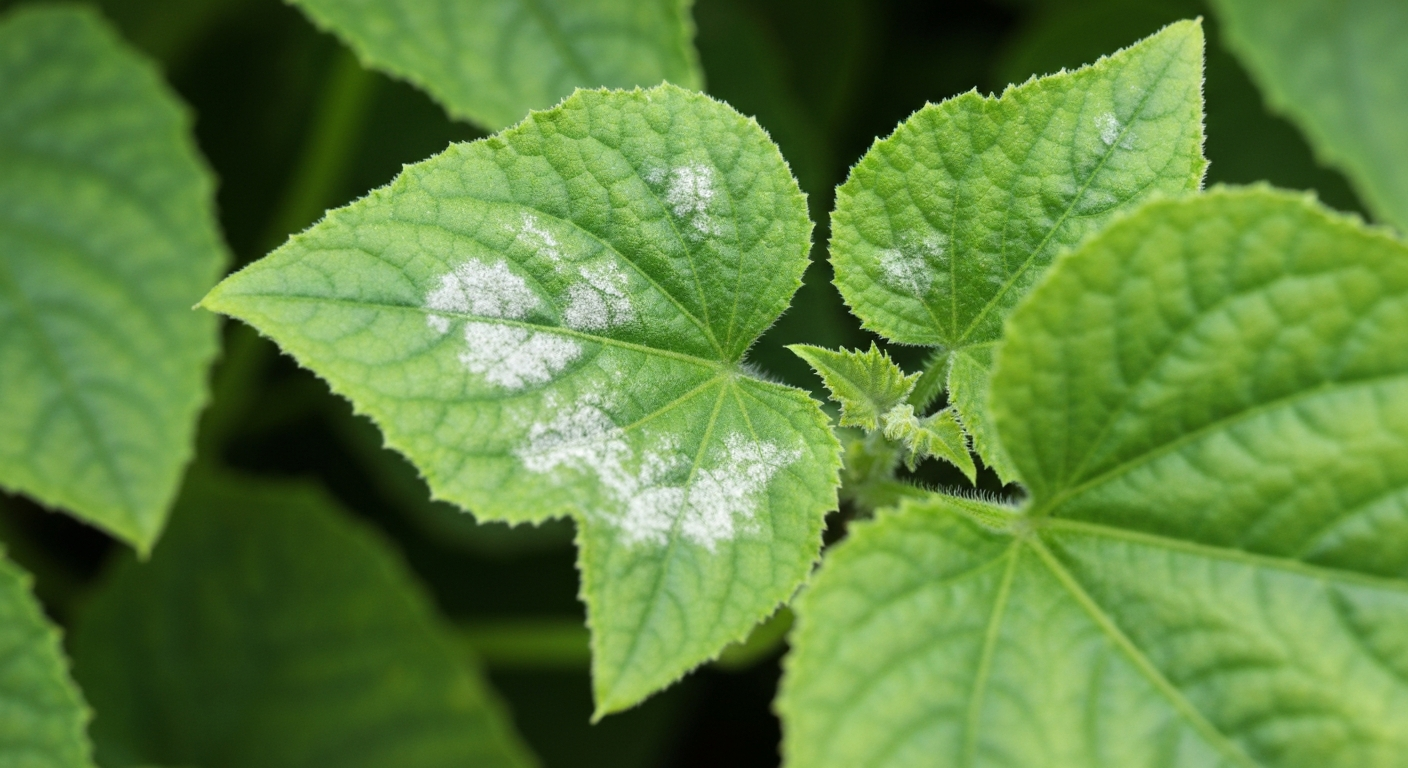
As a home gardener, there’s little more disheartening than seeing your thriving cucumber plants suddenly succumb to a pervasive disease. Among the most common and recognizable culprits is cucumber powdery mildew. This fungal disease can quickly blanket leaves, stunt growth, and diminish your harvest, turning lush green foliage into a dusty, white mess. But don’t despair! With the right knowledge and timely action, you can effectively manage and prevent powdery mildew, ensuring your cucumber patch remains productive and healthy.
This comprehensive guide will walk you through everything you need to know about cucumber powdery mildew, from identifying its tell-tale signs to implementing effective treatment and prevention strategies. Let’s get your cucumbers back on track!
Understanding Cucumber Powdery Mildew: The Basics
Powdery mildew is a general term for a group of fungal diseases caused by various species of fungi from the order Erysiphales. For cucumbers, the primary culprits are Podosphaera xanthii and Erysiphe cichoracearum. Unlike some other fungal diseases, powdery mildew doesn’t require wet leaf surfaces for infection; it thrives in moderate temperatures (60-80°F or 15-27°C) and high humidity, especially when combined with poor air circulation.
While rarely fatal to mature plants, a severe infection significantly weakens the plant by reducing its ability to photosynthesize, leading to premature leaf drop, stunted growth, and a drastically reduced yield of poor-quality fruit.
Identifying Cucumber Powdery Mildew: Symptoms to Watch For
Catching powdery mildew early is crucial for effective management. Here’s what to look for:
Early Signs
The first indicators of cucumber powdery mildew are often subtle:
- Small, circular, white, powdery spots: These typically appear on the upper surfaces of older leaves first, though they can also show up on the undersides, stems, and even flower buds.
- Dusty appearance: The spots look like someone has lightly dusted the leaves with flour or talcum powder.
- Slight discoloration: Before the white spots are prominent, you might notice a very faint yellowing or purpling on the leaf surface where the mildew is beginning to establish.
Advanced Symptoms
As the disease progresses, the symptoms become much more pronounced and damaging:
- Spreading patches: The initial spots enlarge and merge, eventually covering entire leaves, making them appear completely white.
- Leaf yellowing and browning: Heavily infected leaves will turn yellow, then brown, become brittle, and eventually shrivel and die.
- Stunted growth: The plant’s overall growth will slow, and new leaves may be smaller and distorted.
- Reduced fruit production: Flowers may drop prematurely, and developing cucumbers may be smaller, fewer in number, and have a tougher skin or less flavor.
- Direct fruit infection (less common): In severe cases, the powdery white growth can appear directly on the cucumber fruit, making them unappetizing, though still generally safe to eat after washing.
It’s important to distinguish powdery mildew from other common cucumber ailments. For instance, it’s different from leaf spot disease, which typically presents as distinct dark spots with defined borders, or brown spots on plant leaves which can have various causes. The distinctive powdery, flour-like coating is the key identifier for powdery mildew.
Causes and Conditions Favoring Powdery Mildew Development
Understanding why powdery mildew appears can help you prevent it. Several environmental and cultural factors contribute to its development:
- Moderate Temperatures: Powdery mildew thrives in temperatures between 60-80°F (15-27°C). Cooler nights followed by warm days are ideal.
- High Humidity: While it doesn’t need wet leaves, high humidity in the air (e.g., from morning dew or lack of air circulation) promotes spore germination and spread.
- Poor Air Circulation: Overcrowded plants create a stagnant, humid microclimate that is perfect for fungal growth. This is a common issue in many home gardens.
- Shade: Plants growing in too much shade are more susceptible, as sunlight can inhibit fungal growth.
- Stressed Plants: Weakened or stressed plants (due to improper watering, nutrient deficiencies, or other pests) are more vulnerable to disease.
- Nitrogen-Rich Fertilizers: Excessive nitrogen can promote lush, tender growth that is more susceptible to infection.
- Susceptible Varieties: Some cucumber varieties are naturally more prone to powdery mildew than others.
Diagnosing Powdery Mildew on Cucumbers
Accurate diagnosis is the first step towards effective treatment.
Visual Inspection
The most common method is simply visual inspection. Regularly walk through your garden, paying close attention to the undersides and upper surfaces of leaves, especially older ones closer to the ground. Look for the characteristic white, powdery patches.
Distinguishing from Other Issues
It’s easy to mistake some issues for others, especially if you’re new to gardening. For example, some insect infestations can leave behind a white, fuzzy residue, but this will typically rub off differently or reveal the insects themselves. Powdery mildew is firmly attached to the leaf surface and has a distinct texture. If you’re seeing more generalized browning or wilting, you might be dealing with a more serious issue like root rot or another type of plant disease.
Using Technology for Diagnosis
If you’re unsure, technology can be a great help. Take a clear photo of the affected leaves with your iPhone and use a Plant Disease Identifier app. Apps like plantdiseaseapp.com can analyze symptoms from your photos and provide instant potential diagnoses and treatment suggestions. While AI is informational and not a substitute for agricultural professional advice, it can be a fantastic tool for home gardeners to quickly identify what might be afflicting their sick plant and guide them towards solutions. You can learn more about how these tools work to diagnose plant problems.
Effective Treatment Strategies for Cucumber Powdery Mildew
Once you’ve confirmed powdery mildew, it’s time to act. A combination of cultural practices and targeted treatments will give you the best chance of success.
Organic Approaches
For home gardeners, especially those focused on organic methods, several effective treatments can help manage powdery mildew.
- Pruning: Carefully remove and dispose of any heavily infected leaves, stems, or even entire plants if they are beyond saving. This reduces the amount of fungal spores in your garden. Always sanitize your pruning shears with rubbing alcohol or a bleach solution between cuts to avoid spreading the disease. Do not compost diseased plant material.
- Neem Oil: A natural, organic pesticide and fungicide, neem oil works by disrupting the fungus’s life cycle. Mix according to package directions and spray thoroughly, ensuring coverage on both the top and bottom of leaves. Apply every 7-14 days until the infection is under control, and then as a preventative.
- Baking Soda Solution: A simple homemade remedy. Mix 1 tablespoon of baking soda with 1 teaspoon of liquid soap (like Castile soap) in 1 gallon of water. Spray generously on affected plants every 5-7 days. The baking soda alters the pH on the leaf surface, making it inhospitable for the fungus.
- Milk Spray: A solution of 1 part milk (any type, but skim milk is often recommended) to 9 parts water can also be effective. Spray on leaves, especially in sunny conditions, as the sun interacting with the milk can create compounds that combat the mildew. Apply weekly.
- Horticultural Oils: These oils, often petroleum- or plant-based, smother the fungal spores. Apply according to label instructions, usually every 7-14 days. Be cautious when applying in hot weather, as oils can cause leaf burn.
- Potassium Bicarbonate: Similar to baking soda but often more effective and less prone to cause leaf burn. Mix 1 tablespoon per gallon of water with a little horticultural soap and spray weekly.
Chemical Fungicides (When to Consider)
If organic methods aren’t sufficient, or if the infection is widespread and severe, you might consider using a chemical fungicide. Always choose a product labeled for use on cucumbers and powdery mildew, and follow the instructions precisely.
- Sulfur-based Fungicides: These are common and effective against powdery mildew, but they can be phytotoxic (harmful to plants) in hot weather (above 90°F or 32°C).
- Chlorothalonil: A broad-spectrum fungicide that can be effective.
- Myclobutanil: A systemic fungicide that is absorbed by the plant, offering longer-lasting protection.
- Copper-based Fungicides: Can be used, but generally less effective against powdery mildew than sulfur or other specialized fungicides.
Important Note: Always rotate fungicides if you are using chemical options to prevent the fungus from developing resistance. And remember, the goal is to control, not eradicate. Fungicides are best used as part of a broader prevention and management strategy, not as a standalone solution.
Preventing Cucumber Powdery Mildew: Your Best Defense
Prevention is always easier and more effective than treatment. By implementing these strategies, you can significantly reduce the risk of powdery mildew outbreaks in your cucumber patch. You can also apply these principles to prevent powdery mildew on plants in general.
1. Choose Resistant Varieties
Many cucumber varieties are bred for resistance to powdery mildew. Look for labels like “PM-resistant” or “PMR” when purchasing seeds or starts. This is your first and most powerful line of defense.
2. Ensure Good Air Circulation
- Proper Spacing: Plant cucumbers with adequate space between them, following recommended guidelines on seed packets. Overcrowding creates humid, still air pockets.
- Pruning: Regularly prune the lower, older leaves that often yellow and become susceptible. Remove any leaves that are touching the ground or that create dense, shaded areas within the plant canopy. This improves airflow and reduces humidity.
- Trellising: Train vining cucumbers up a trellis or cage. This lifts them off the ground, improves air circulation, and exposes more foliage to sunlight, which is detrimental to the fungus.
3. Smart Watering Techniques
- Water at the Base: Avoid overhead watering, which can splash spores onto leaves and increase humidity around the foliage. Water the soil directly at the base of the plant using drip irrigation or a soaker hose.
- Morning Watering: If you must water overhead, do so in the morning so the leaves have ample time to dry completely before evening.
4. Sanitation
- Remove Plant Debris: Keep your garden beds free of plant debris, especially at the end of the season. Infected leaves and stems can harbor spores that will overwinter and re-infect next year’s crop.
- Clean Tools: Sterilize your gardening tools after working with infected plants to prevent spreading spores to healthy ones.
5. Crop Rotation
While powdery mildew spores don’t typically survive long in the soil, rotating your crops helps break disease cycles and improves soil health. Avoid planting cucumbers (or other cucurbits like squash or melons) in the same spot year after year.
6. Balanced Nutrition
Avoid over-fertilizing with high-nitrogen fertilizers, which can promote lush, tender growth that is more susceptible to mildew. A balanced fertilizer program that supports overall plant health is best.
7. Monitor Regularly
Frequent inspection is key. Make it a habit to check your cucumber plants every few days, especially the undersides of leaves. Early detection means easier treatment.
Here’s a quick summary of prevention strategies:
| Prevention Strategy | How It Helps |
|---|---|
| Resistant Varieties | Genetic resistance makes plants less likely to get infected. |
| Proper Spacing | Improves air circulation, reduces humidity around leaves. |
| Pruning | Increases airflow, removes susceptible lower leaves. |
| Trellising | Lifts foliage off the ground, enhances air circulation and sun exposure. |
| Bottom Watering | Keeps leaves dry, preventing spore germination. |
| Morning Watering | Allows leaves to dry quickly, especially important for overhead watering. |
| Garden Sanitation | Removes overwintering spores from infected plant debris. |
| Crop Rotation | Breaks disease cycles in the soil. |
| Balanced Fertilization | Avoids promoting susceptible, tender new growth. |
| Regular Monitoring | Enables early detection and faster intervention. |
Common Mistakes to Avoid When Dealing with Powdery Mildew
Even with the best intentions, gardeners can make mistakes that exacerbate powdery mildew issues.
- Ignoring Early Signs: Thinking “it’s just a little bit of white dust” is a common oversight. Powdery mildew spreads rapidly, so early intervention is critical.
- Improper Watering: Overwatering can stress plants, and overhead watering creates humid conditions conducive to mildew. Underwatering also stresses plants, making them more vulnerable.
- Overcrowding: Planting cucumbers too close together is a prime cause of poor air circulation, creating a perfect breeding ground for mildew.
- Not Sanitizing Tools: Using uncleaned tools after pruning an infected plant can unknowingly spread spores to healthy plants.
- Composting Diseased Material: Adding infected leaves to your compost pile can allow spores to survive and re-infect your garden when the compost is used.
- Applying Fungicides Incorrectly: Not covering all leaf surfaces (especially undersides), applying at the wrong time of day, or ignoring label instructions can make treatments ineffective or even harmful.
- Giving Up Too Soon: Powdery mildew often requires consistent, repeated treatments, especially for organic methods. Don’t stop at the first sign of improvement; continue with preventative applications.
When to Call it Quits: Severely Infected Plants
While powdery mildew usually doesn’t kill mature cucumber plants outright, there comes a point where an infection is so severe that treatment becomes impractical or uneconomical. If most of the leaves are covered in mildew, turning yellow or brown, and the plant is no longer producing healthy new growth or fruit, it might be best to remove it entirely. This prevents the further spread of spores to other plants in your garden. Dispose of severely infected plants in the trash, not the compost.
Beyond Cucumbers: Other Plants Susceptible to Powdery Mildew
While this article focuses on cucumber powdery mildew, it’s worth remembering that many other plants can be affected by different strains of powdery mildew. Squash, melons, zucchini, tomatoes (though less common than tomato plant diseases like early blight), roses (black spot on roses is a different fungus, but roses get powdery mildew too), grapes, and even ornamental plants are common targets. The general principles of prevention—good air circulation, resistant varieties, and proper sanitation—apply across the board. For more general information on this common issue, visit our Powdery Mildew topic hub.
Conclusion
Cucumber powdery mildew is a common adversary for home gardeners, but it doesn’t have to ruin your harvest. By understanding its symptoms, causes, and implementing proactive prevention and timely treatment strategies, you can keep your cucumber plants healthy and productive. Remember to monitor your plants regularly, act quickly at the first sign of trouble, and prioritize good garden hygiene. With a little diligence, you’ll be enjoying crisp, delicious cucumbers from your garden all season long!