

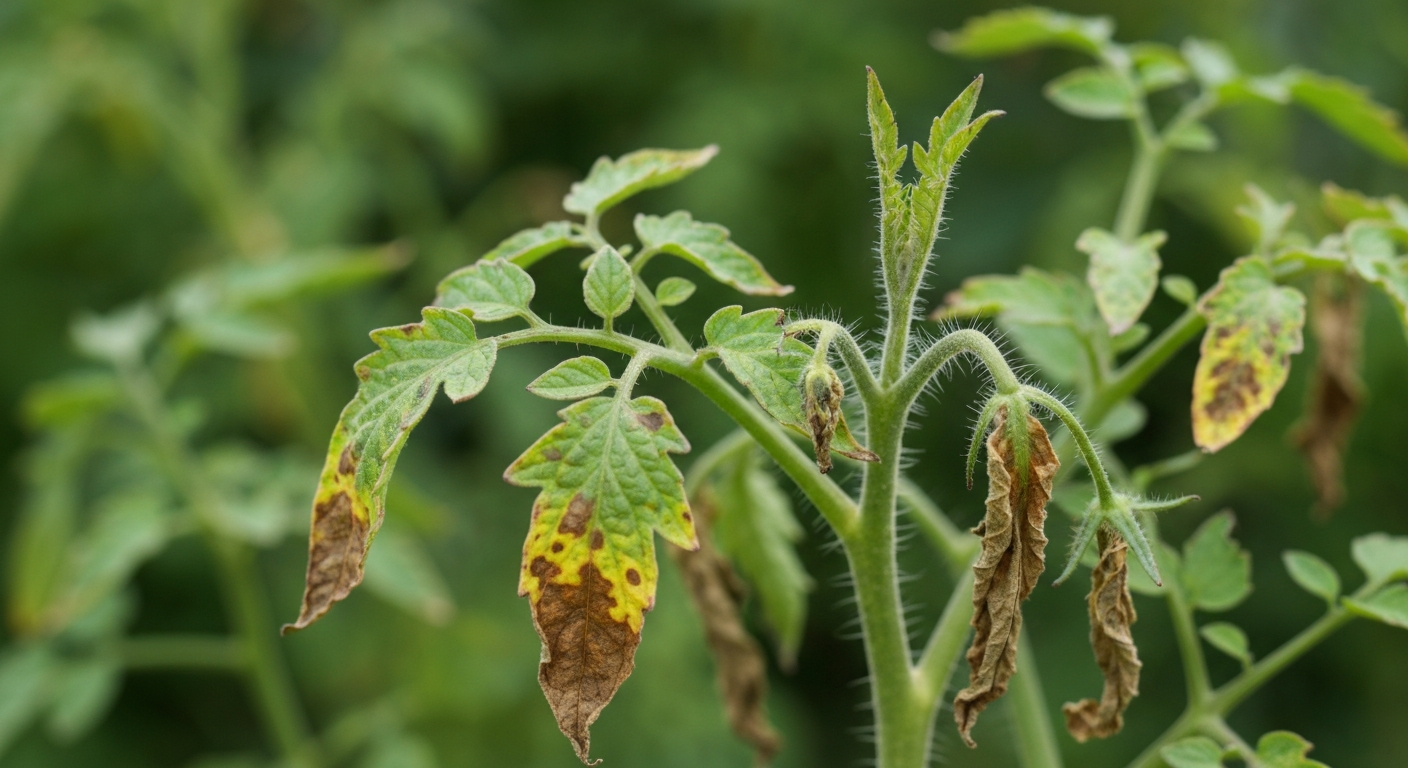
Discovering dark, spreading lesions on your cherished tomato plants can be disheartening, especially when they suddenly appear and spread with alarming speed. If you’re seeing water-soaked spots on leaves, stems, and even fruit, you might be facing the formidable challenge of late blight tomatoes. This devastating disease, caused by the oomycete Phytophthora infestans, is infamous for its ability to wipe out entire tomato and potato crops seemingly overnight, particularly during periods of cool, wet weather. Understanding how to identify, prevent, and manage late blight is crucial for any home gardener hoping to protect their harvest.
What is Late Blight? A Destructive Foe
Late blight is a notorious plant disease, best known for its role in the 19th-century Irish potato famine. While potatoes are its most famous victim, tomatoes are equally susceptible. The pathogen, Phytophthora infestans, is not a true fungus but an oomycete, often referred to as a water mold. It thrives in specific environmental conditions: cool temperatures (between 60-70°F or 15-21°C) combined with high humidity and prolonged leaf wetness (6-10 hours). Under these ideal conditions, the disease can spread explosively, destroying foliage, stems, and fruit in a matter of days.
The spores of Phytophthora infestans are microscopic and can travel long distances on wind currents or be splashed by rain and irrigation water. This rapid dissemination makes it incredibly challenging to control once established in a region. For home gardeners, early detection and swift action are paramount to mitigating its impact and preventing its spread to neighboring plants or gardens.
Identifying Late Blight on Your Tomatoes: Key Symptoms
Early and accurate identification of late blight is your best defense. The symptoms progress rapidly, so consistent monitoring of your tomato plants is essential.
Symptoms on Leaves
- Initial Spots: The first signs often appear as small, irregular, water-soaked spots on the upper surfaces of older leaves. These spots are typically dark green to black.
- Enlargement and Browning: These spots quickly enlarge into large, dark brown to black lesions, often surrounded by a pale green or yellowish halo. The affected areas can expand to cover entire leaves.
- Fuzzy Undersides: In humid conditions, a characteristic fuzzy, white, downy mold may be visible on the undersides of the infected leaves, particularly at the margins of the lesions. This is the sporulation of the pathogen.
- Rapid Blighting: Infected leaves will quickly shrivel, turn brown, and look scorched or frosted, giving the plant a “blighted” appearance.
Symptoms on Stems and Petioles
- Dark Lesions: Dark brown to black lesions can develop on stems, petioles (leaf stalks), and even the main stem. These lesions often girdle the stem, causing the entire plant part above the lesion to wilt and collapse.
- Water-Soaked Appearance: Like the leaf lesions, stem lesions can appear water-soaked and greasy.
Symptoms on Fruit
- Firm, Brown Blotches: Green and ripe tomatoes can both be affected. The fruit develops large, firm, irregular, dark brown to black blotches. These blotches often have a greasy or oily appearance.
- Internal Rot: The discoloration extends into the fruit’s flesh, leading to a firm, reddish-brown rot. Unlike some other fruit rots, late blight-infected fruit remains firm for a while before eventually collapsing.
- Secondary Infections: The damaged areas on the fruit can become entry points for secondary bacterial or fungal infections, leading to a soft, mushy rot.
It’s important to differentiate these symptoms from other common issues that cause brown spots on plant leaves or other forms of leaf spot disease.
Distinguishing Late Blight from Similar Tomato Diseases
Many plant diseases share similar symptoms, making accurate diagnosis challenging. Here’s how late blight typically differs from other common tomato plant diseases:
| Feature | Late Blight | Early Blight | Septoria Leaf Spot | Bacterial Spot |
|---|---|---|---|---|
| Pathogen | Phytophthora infestans (Oomycete) | Alternaria solani (Fungus) | Septoria lycopersici (Fungus) | Xanthomonas campestris pv. vesicatoria (Bacteria) |
| Conditions | Cool (60-70°F), very wet, high humidity | Warm (75-85°F), humid, wet foliage | Moderate (68-77°F), very wet, splashing water | Warm, humid, rainy, overhead irrigation |
| Leaf Spots | Large, irregular, water-soaked, dark brown/black | Smaller, target-like rings, dark brown | Small (1/8”), circular, dark brown with dark speck in center | Small, greasy, water-soaked, dark, raised lesions |
| Fuzzy Growth | White, downy mold on undersides (humid) | No fuzzy growth | No fuzzy growth | No fuzzy growth |
| Stem Lesions | Large, dark, greasy, can girdle stems | Dark, sunken lesions, often near soil line | Less common, small dark spots | Small, elongated, dark, slightly raised |
| Fruit Symptoms | Large, firm, greasy, dark brown blotches | Dark, leathery, sunken spots with concentric rings | Less common, small scabby spots | Small, dark, scabby spots, often with halos |
| Spread Rate | Extremely rapid, devastating | Slower, progressive | Moderate | Rapid in ideal conditions |
When in doubt, especially if you have a sick plant that doesn’t quite fit these descriptions, taking a clear photo of the symptoms with your iPhone and using a Plant Disease Identifier app can provide a quick, preliminary analysis. While AI tools offer valuable information, remember they are for informational purposes and not a substitute for professional agricultural diagnosis.
The Culprits: What Causes Late Blight?
Late blight doesn’t just appear out of nowhere; it requires specific conditions to take hold and spread. Understanding these factors is key to prevention.
The Pathogen: Phytophthora infestans
This microscopic organism is the direct cause. It survives primarily on living plant tissue. In temperate regions, it often overwinters in infected potato tubers left in the soil or in volunteer potato plants that sprout from overlooked tubers. It can also be introduced via infected tomato transplants or through spores carried on the wind from infected fields or gardens miles away.
Environmental Conditions
- Temperature: The pathogen thrives in cool temperatures, ideally between 60-70°F (15-21°C). Temperatures above 80°F (27°C) can slow its development, but it won’t kill it.
- Moisture and Humidity: This is the most critical factor. Prolonged periods of leaf wetness (6-10 hours) are necessary for spores to germinate and infect plant tissue. High relative humidity (above 90%) is also crucial for the pathogen to produce new spores. Misty rain, heavy dew, fog, and overhead irrigation create perfect conditions.
- Lack of Air Circulation: Dense foliage prevents leaves from drying quickly, extending the period of leaf wetness and creating a humid microclimate ideal for disease development.
Once these conditions align, the pathogen can produce millions of spores (sporangia) which are then easily dispersed by wind and splashing water, leading to rapid spread throughout a garden or even an entire agricultural region.
Diagnosing Late Blight: Steps for Home Gardeners
When faced with concerning symptoms, a systematic approach to diagnosis is crucial. This will help you decide on the best course of action for your sick plant.
- Observe Closely: Walk through your garden regularly, paying close attention to your tomato plants. Look for the characteristic symptoms described above: irregular, water-soaked dark spots on leaves, stems, and fruit. Check the undersides of leaves for fuzzy white mold, especially during humid periods.
- Check Environmental Conditions: Recall the recent weather. Have there been extended periods of cool, wet weather, fog, or heavy dew? This context significantly increases the likelihood of late blight.
- Compare with Other Diseases: Use resources like this article or other guides on diagnose plant problems to compare the symptoms with early blight, Septoria leaf spot, or bacterial spot. The rapid spread and distinct fuzzy growth (when present) are strong indicators of late blight.
- Utilize Technology: For a quick preliminary analysis, consider taking clear, well-lit photos of the affected parts of your tomato plant with your iPhone and using a Plant Disease Identifier app. These apps can offer potential diagnoses and direct you to relevant information. Remember, AI tools are for informational guidance and not a substitute for professional agricultural advice.
- Confirm (If Possible): If you’re still unsure and the disease is spreading rapidly, contact your local agricultural extension office. They can often provide definitive identification and specific recommendations for your region.
Acting quickly upon a suspected diagnosis is vital, as late blight’s destructive potential is immense.
Treatment Strategies: Saving Your Tomato Plants
Once late blight is confirmed, effective treatment involves a combination of immediate action, cultural practices, and, in some cases, fungicides.
Immediate Action: Containment is Key
- Remove Infected Parts: As soon as you spot symptoms, carefully remove and destroy all infected leaves, stems, and fruit. Do not compost these materials, as the pathogen can survive and spread. Bag them securely and dispose of them in the trash.
- Isolate Severely Infected Plants: If a plant is heavily infected, it’s often best to remove the entire plant to prevent further spread. Again, dispose of it properly in the trash.
- Clean Tools: Sanitize pruning shears and other tools with a 10% bleach solution or rubbing alcohol after each use, especially after working with infected plants, to avoid spreading spores.
Organic Approaches
For gardeners preferring organic methods, prevention and early intervention are critical.
- Copper-Based Fungicides: Organic copper fungicides can be effective protectants against late blight. They work by creating a barrier on the plant surface that prevents spore germination. These need to be applied preventatively or at the very first sign of disease and reapplied regularly, especially after rain, according to product label instructions.
- Biofungicides: Some biological fungicides contain beneficial microbes that compete with or inhibit the growth of Phytophthora infestans. Look for products labeled for late blight control and follow application guidelines.
- Cultural Practices: These are fundamental to organic disease management and are discussed in detail in the “Prevention is Key” section.
Chemical Fungicides: When and How
For severe outbreaks or in regions prone to late blight, conventional fungicides may be necessary, especially for commercial growers. Home gardeners should exercise caution and follow all label instructions meticulously.
- Types of Fungicides:
- Protectant Fungicides: These work by forming a protective barrier on the plant surface, preventing infection. Chlorothalonil is a common active ingredient. They must be applied before infection occurs or at the very first sign.
- Systemic Fungicides: These are absorbed by the plant and move through its tissues, offering some post-infection control. However, Phytophthora infestans can develop resistance, and systemic options for home gardeners are less common for this specific disease.
- Application: Apply fungicides thoroughly to all plant surfaces, especially the undersides of leaves. Reapply according to label instructions, typically every 7-14 days, and especially after rain.
- Safety: Always wear appropriate personal protective equipment (gloves, eye protection) and follow all safety precautions on the product label. Observe pre-harvest intervals (PHI) to ensure harvested fruit is safe for consumption.
Important Disclaimer: Neither this article nor the Plant Disease Identifier app provides professional agricultural or medical advice. Always consult with your local agricultural extension service or a certified professional for specific recommendations tailored to your situation and region. The information provided is for general guidance only.
Prevention is Key: Protecting Your Harvest
The best way to deal with late blight is to prevent it from ever taking hold. Proactive measures are far more effective than trying to cure an established infection.
1. Choose Resistant Varieties
When selecting tomato seeds or transplants, look for varieties that are specifically bred for resistance to Phytophthora infestans. While no variety is 100% immune, resistant types can significantly reduce your risk. Examples include ‘Mountain Magic’, ‘Defiant PhR’, ‘Iron Lady’, and ‘Celebrity’ (some resistance).
2. Ensure Good Air Circulation
- Proper Spacing: Plant tomato seedlings with adequate space between them according to package directions. Overcrowding leads to dense foliage, which traps humidity and prevents leaves from drying quickly.
- Pruning: Regularly prune lower leaves and suckers (non-fruiting side shoots) to improve air flow within the plant canopy. Remove any leaves that touch the soil, as soil can harbor pathogens.
- Staking or Caging: Support your tomato plants with stakes or cages to keep them upright and off the ground, further enhancing air circulation and reducing leaf wetness.
3. Smart Watering Practices
- Water at the Base: Always water the soil directly at the base of your plants, avoiding overhead irrigation that wets the foliage. Drip irrigation or soaker hoses are ideal.
- Morning Watering: Water in the morning so that any accidental wetting of leaves has ample time to dry before evening.
- Avoid Overwatering: While tomatoes need consistent moisture, overwatering can contribute to humid conditions around the plant.
4. Sanitation is Paramount
- Clean Up Debris: At the end of the growing season, meticulously remove and destroy all tomato (and potato) plant debris from your garden. Do not compost infected material. This helps eliminate overwintering sites for the pathogen.
- Weed Control: Keep your garden free of weeds, as they can also impede air circulation and host other diseases.
- Tool Sterilization: Regularly clean and sterilize your gardening tools, especially after pruning any potentially diseased plants.
5. Crop Rotation
- Rotate Crops: Avoid planting tomatoes or potatoes in the same spot year after year. A 3-4 year rotation with non-solanaceous crops (like corn, beans, squash) is recommended to break disease cycles.
- Avoid Proximity to Potatoes: If possible, plant tomatoes far away from potato patches, as potatoes are also highly susceptible to late blight and can be a source of infection.
6. Monitor and Act Fast
- Regular Inspections: Make it a habit to inspect your plants daily, especially during cool, wet weather.
- Early Intervention: If you spot any suspicious symptoms, act immediately by removing affected parts or plants and considering preventative sprays.
Common Mistakes to Avoid
Even experienced gardeners can make mistakes that inadvertently encourage late blight or hinder its management.
- Misdiagnosis: One of the most common errors is confusing late blight with other diseases like early blight or Septoria leaf spot. While some treatments overlap, late blight requires a more aggressive and immediate response due to its rapid spread. If unsure, get a second opinion or use diagnostic tools like the best plant disease identifier app.
- Delayed Action: Late blight spreads incredibly fast. Waiting even a few days to remove infected plant material or apply treatments can allow the disease to become widespread and uncontrollable.
- Composting Infected Material: Placing infected tomato plants or fruit in your compost pile is a surefire way to ensure the pathogen survives and reinfects your garden in subsequent seasons. Always bag and trash diseased material.
- Overhead Watering: Watering from above, especially in the evening, creates the perfect conditions for spore germination and spread. It’s a prime contributor to many fungal and oomycete diseases, including powdery mildew on plants and late blight.
- Planting Too Densely: While you might want to maximize your harvest, overcrowding reduces air circulation, keeps foliage wet, and creates ideal microclimates for disease.
- Ignoring Resistant Varieties: Skipping resistant varieties in favor of heirloom or favorite types without considering disease pressure can set you up for disappointment.
- Neglecting Sanitation: Leaving plant debris in the garden over winter or not cleaning tools between plants can carry over pathogens from one season or plant to the next.
- Ignoring Weather Forecasts: Being aware of upcoming cool, wet periods allows you to take preventative measures, such as applying fungicides before conditions become favorable for disease.
Remember that late blight is distinct from other problems like root rot, which is a soil-borne issue often caused by overwatering, or black spot on roses, which is a specific fungal disease of roses. Focusing your efforts on the correct diagnosis and specific prevention/treatment for Phytophthora infestans is key.
Beyond the Garden Bed: Preventing Spread
Late blight doesn’t respect garden boundaries. Its airborne spores can travel long distances, making regional control a community effort.
- Community Awareness: If late blight is reported in your area, be extra vigilant and inform your gardening neighbors about the symptoms and prevention strategies.
- Responsible Disposal: Emphasize proper disposal of infected material to prevent your garden from becoming a source of inoculum for others.
- Monitor Volunteer Potatoes: Keep an eye out for volunteer potato plants in your garden or nearby fields, as these can be significant reservoirs for the pathogen. Remove them promptly.
- Source of Transplants: Purchase tomato transplants from reputable nurseries that ensure their plants are disease-free. Inspect any new plants thoroughly before bringing them into your garden.
Conclusion
Late blight tomatoes can be a devastating sight for any gardener, but with vigilance, knowledge, and timely action, you can protect your plants and salvage your harvest. By understanding the symptoms, recognizing the conditions that favor the disease, and implementing a robust prevention strategy, you empower yourself to combat this formidable foe. Remember that early detection, proper sanitation, good air circulation, and smart watering are your most potent weapons. Stay informed, inspect your plants regularly, and don’t hesitate to take decisive action to keep your tomato patch healthy and productive. Happy gardening!