

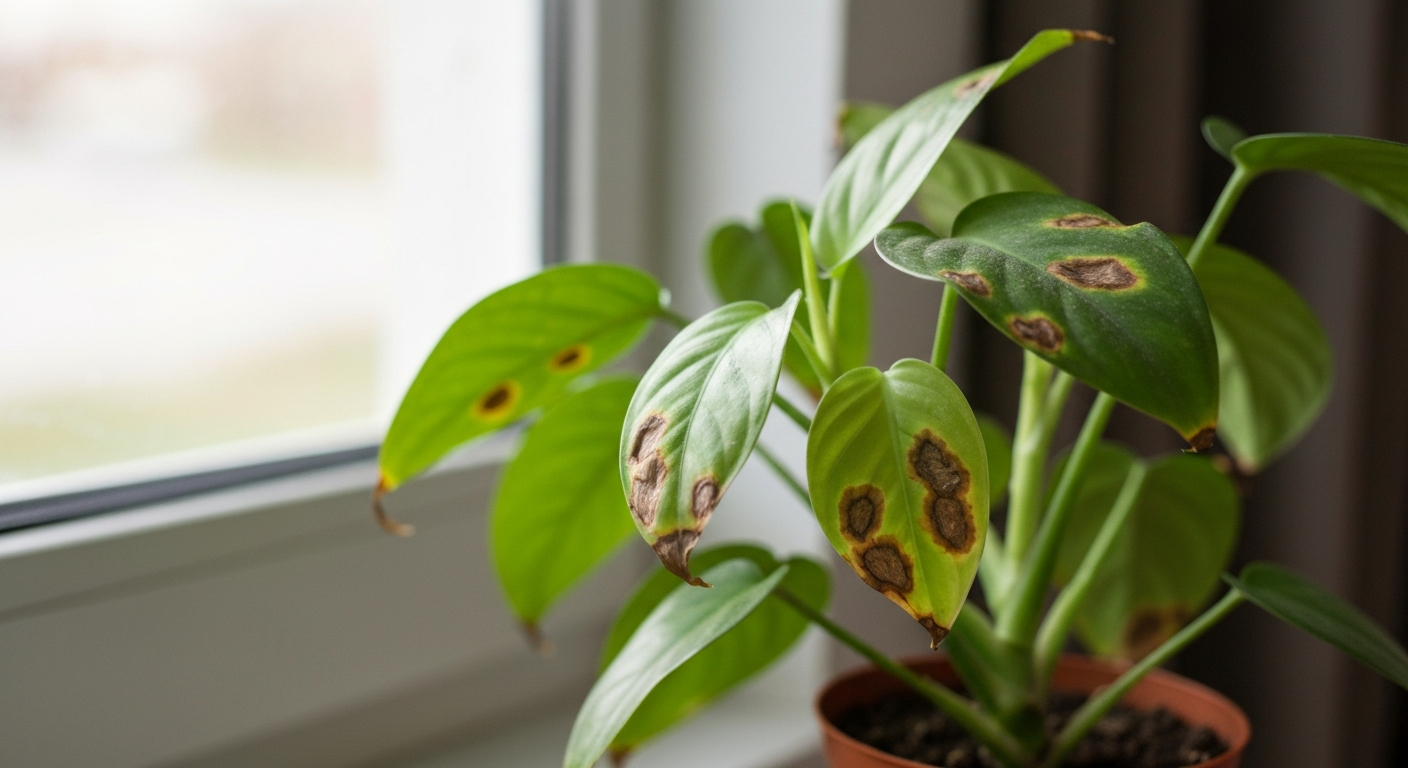
As a Senior Plant Care Editor, I’ve seen countless plant owners grapple with common houseplant issues. Among the most frequent concerns for enthusiasts of the magnificent Monstera plant is monstera leaf spot. These unsightly blemishes can appear seemingly overnight, causing panic and concern for the health of your beloved plant. But fear not! With the right knowledge and timely intervention, you can effectively manage and prevent this common problem. This comprehensive guide will walk you through identifying the symptoms, understanding the causes, and implementing practical solutions to keep your Monstera thriving. For more general advice on tackling various indoor plant ailments, check out our hub on /topics/houseplant-problems/.
Recognizing the Signs: Symptoms of Monstera Leaf Spot
Identifying leaf spot early is crucial for effective treatment. While symptoms can vary slightly depending on whether the cause is fungal or bacterial, there are common indicators to watch for.
Early Symptoms:
- Small, discolored spots: These are often the first sign, appearing as tiny yellow, brown, or black dots on the leaves.
- Irregular shapes: The spots might be round, oval, or angular, sometimes appearing along leaf veins.
- Water-soaked appearance: Especially with bacterial infections, spots may initially look dark green and saturated with water.
Advanced Symptoms:
- Enlarging spots: Over time, the spots will grow in size, often merging to form larger blotches.
- Yellow halos: Many leaf spots, particularly fungal ones, develop a distinct yellow border around the spot, indicating the plant’s reaction to the pathogen.
- Crispy or necrotic tissue: As the disease progresses, the affected areas of the leaf may dry out, become brittle, and turn brown or black, resembling dead tissue.
- Holes in leaves: Severely affected spots might eventually fall out, leaving holes in the leaf blade.
- Defoliation: In advanced cases, heavily spotted leaves may yellow entirely and drop prematurely.
- Fuzzy growth: Some fungal leaf spots might exhibit a fuzzy or powdery growth (mycelium) on the underside of the leaves, though this is less common with typical leaf spot and more indicative of issues like /blog/powdery-mildew-on-plants/.
Here’s a quick reference table for common leaf spot symptoms on Monstera:
| Symptom Feature | Fungal Leaf Spot (Common) | Bacterial Leaf Spot (Less Common, but serious) |
|---|---|---|
| Appearance | Round to irregular spots, distinct margins, often with yellow halo. | Irregular, angular spots, often water-soaked or greasy, dark green to black. |
| Color | Brown, black, tan, or reddish-brown. | Dark brown to black, sometimes with a translucent appearance. |
| Texture | Dry, papery, or crispy in advanced stages. | Soft, mushy, or slimy, especially when wet; can exude sticky ooze. |
| Progression | Spots grow and merge, can lead to defoliation. | Spreads rapidly, often along veins, causing blight and plant decline. |
| Odor | Generally no distinct odor. | May have a foul odor, especially if severe. |
If you notice any of these signs, it’s time to take action. Ignoring them can lead to a more widespread infection, potentially weakening your plant significantly. For a broader understanding of various plant disease symptoms, our resource library is a great place to start.
The Root of the Problem: Common Causes of Monstera Leaf Spot
Monstera leaf spot is primarily caused by pathogenic organisms – either fungi or bacteria. However, these pathogens don’t just appear out of nowhere; they thrive under specific environmental conditions that often stem from improper plant care. Understanding these underlying causes is key to prevention and effective treatment.
Fungal Leaf Spot
Fungal pathogens are the most common culprits behind leaf spot on Monsteras. These microscopic fungi, such as Cercospora, Phyllosticta, or Colletotrichum species, produce spores that are easily spread by wind, water splash, or contaminated tools.
Key contributing factors for fungal leaf spot:
- High Humidity and Poor Air Circulation: Monsteras appreciate humidity, but stagnant, overly humid conditions (above 70-80% for prolonged periods) without good airflow create a perfect breeding ground for fungal spores. Moisture clinging to leaves for extended periods allows spores to germinate.
- Overwatering: Consistently wet soil and leaves are a major stressor. Overwatering can lead to /blog/root-rot/, which weakens the plant’s overall health and makes it more susceptible to opportunistic fungal infections.
- Overhead Watering: Watering from above, especially late in the day, leaves water droplets on foliage for hours, promoting fungal growth.
- Crowding: Plants placed too close together restrict airflow, trapping moisture and increasing the risk of disease spread.
- Poor Drainage: Potting mixes that retain too much moisture or pots without adequate drainage holes contribute to overly wet conditions.
Bacterial Leaf Spot
Bacterial leaf spot, caused by bacteria such as Pseudomonas or Xanthomonas species, is generally less common but can be more aggressive and challenging to treat. These bacteria enter the plant through natural openings (stomata) or small wounds.
Key contributing factors for bacterial leaf spot:
- High Humidity and Warm Temperatures: Bacterial diseases thrive in warm, humid environments.
- Water Splash: Bacteria easily spread from infected leaves to healthy ones via water droplets during watering or rainfall.
- Contaminated Tools: Using unsterilized pruning shears can spread bacteria from one plant to another.
- Wounds: Any damage to the leaves or stems can provide an entry point for bacteria.
- Poor Sanitation: Leaving fallen, infected leaves in the pot or on the floor allows pathogens to persist and reinfect.
Environmental Stressors (Indirect Causes)
While not direct causes of leaf spot, these factors weaken your Monstera, making it more vulnerable to infection:
- Inadequate Light: A Monstera in low light may not photosynthesize efficiently, leading to a weaker immune system. It also means the soil will stay wet longer, increasing the risk of both root rot and leaf spot.
- Nutrient Deficiencies: Unhealthy plants are less resilient. Ensure your Monstera receives balanced nutrition.
- Pest Infestations: Pests like spider mites or thrips can stress the plant and even create tiny wounds, providing entry points for pathogens.
Understanding these causes is the first step in prevention. For a more detailed look at leaf spot diseases across different plants, refer to our article on /blog/leaf-spot-disease/.
Accurate Diagnosis: Pinpointing Your Monstera’s Issue
Diagnosing the exact type of leaf spot (fungal vs. bacterial) can be challenging, even for experienced gardeners. However, a careful observation combined with a process of elimination can help you make an informed decision about treatment. Accurate diagnosis is critical because treatments for fungal and bacterial infections differ significantly.
Steps for Diagnosing Monstera Leaf Spot:
- Isolate the Plant: Immediately move the affected Monstera away from other plants to prevent potential spread. This is a critical first step for any /blog/sick-plant/.
- Examine Symptoms Closely:
- Location: Where do the spots appear first? Are they on older leaves, new growth, or evenly distributed?
- Appearance: Refer to the table above. Are the spots round with distinct halos (often fungal), or angular and water-soaked (often bacterial)? Do they have a fuzzy texture?
- Progression: How quickly are the spots spreading? Rapid spread often points to bacterial issues.
- Odor: Gently smell the affected areas. A foul, rotting odor might indicate a bacterial infection.
- Review Your Care Routine:
- Watering: Are you overwatering? Is the soil constantly soggy? Do you water from above, getting leaves wet?
- Humidity & Airflow: Is the plant in a very humid, stagnant environment? Are plants crowded?
- Light: Is your Monstera getting appropriate indirect light? Too little light can stress the plant.
- Potting Medium & Drainage: Is the soil well-draining? Does the pot have drainage holes?
- Recent Changes: Have you recently moved the plant, repotted it, or introduced new plants?
- Consider the Plant Disease Identifier App: Sometimes, visual inspection isn’t enough. For quick and often accurate identification, consider using a tool like the Plant Disease Identifier app. Simply take a clear photo of the symptoms on your iPhone, and the app’s AI can help you narrow down the possibilities. You can learn more about how it works here: /blog/plant-disease-identifier/. While AI is a powerful informational tool, remember it’s not a substitute for professional agricultural diagnosis.
- Look for Other Signs: Check for pests, which can also cause leaf damage and stress the plant, making it more susceptible to disease.
By systematically going through these steps, you’ll gain a much clearer picture of what’s affecting your Monstera. This methodical approach is key to /blog/diagnose-plant-problems/ effectively.
First Aid for Your Monstera: Immediate Steps
Once you’ve identified leaf spot on your Monstera, immediate action is crucial to halt its spread and give your plant the best chance of recovery. These initial steps are vital before you even consider specific treatments.
- Isolate the Infected Plant: This cannot be stressed enough. Move your affected Monstera away from all other houseplants. This prevents spores or bacteria from spreading via air currents, water splash, or direct contact.
- Prune Affected Leaves: Using clean, sharp, sterilized pruning shears (you can sterilize them with rubbing alcohol or a 10% bleach solution), carefully cut off all leaves showing significant signs of leaf spot.
- Cut at the petiole (leaf stem) close to the main stem.
- Avoid touching healthy parts of the plant with contaminated tools or hands.
- Dispose of the infected leaves in the trash, not your compost pile, to prevent further spread of pathogens.
- Sterilize your tools after each cut if you suspect a highly contagious or bacterial issue, and definitely after you’re done pruning.
- Improve Air Circulation:
- If your plant is in a crowded spot, give it more space.
- Consider placing a small fan nearby on a low setting for a few hours a day to gently circulate air around the foliage. This helps dry leaf surfaces and discourages pathogen growth.
- Adjust Watering Habits:
- Water at the base: Always water the soil directly, avoiding getting the leaves wet.
- Water in the morning: This allows any accidental splashes on leaves to dry quickly throughout the day.
- Check soil moisture: Only water when the top 2-3 inches of soil are dry to the touch. Overwatering is a major contributor to leaf spot and other issues like brown spots on plant leaves.
- Clean Up Debris: Remove any fallen leaves or plant debris from the pot and surrounding area. These can harbor pathogens.
These initial actions create a less hospitable environment for the disease and give your Monstera a fresh start.
Organic Treatment Options for Monstera Leaf Spot
For many home gardeners, organic solutions are preferred for their safety and environmental benefits. While these treatments are often most effective for fungal leaf spots and as preventative measures, they can still play a role in managing bacterial issues by improving plant health.
1. Neem Oil
Neem oil is a popular organic pesticide and fungicide derived from the neem tree. It works by disrupting the life cycle of fungi and deterring pests.
- How to use: Mix concentrated neem oil with water and a small amount of insecticidal soap (as an emulsifier) according to package directions.
- Application: Spray all leaf surfaces (top and bottom) until dripping, focusing on affected areas. Apply in the evening or early morning to avoid leaf burn in direct sunlight.
- Frequency: Repeat every 7-14 days until symptoms subside and new growth appears healthy.
- Benefits: Non-toxic to humans and pets when used correctly, also helps control common pests.
2. Copper-Based Fungicides (Organic-Approved)
Some copper-based fungicides are approved for organic gardening and can be quite effective against a range of fungal and bacterial diseases.
- How to use: Follow the manufacturer’s instructions carefully for mixing and application rates.
- Application: Apply as a foliar spray to all plant surfaces.
- Frequency: Typically applied every 7-10 days, or as recommended on the label, until the disease is under control.
- Caution: While organic, copper can accumulate in the soil over time and can be toxic in high concentrations. Use sparingly and only when necessary. Always wear appropriate protective gear.
3. Horticultural Oils and Soaps
Insecticidal soaps and horticultural oils can sometimes help by suffocating fungal spores or bacteria on leaf surfaces, though they are primarily used for pest control.
- How to use: Mix according to package directions.
- Application: Spray thoroughly on leaves.
- Frequency: Use as a spot treatment or general preventative, but be cautious about overuse, which can sometimes harm beneficial insects or cause leaf damage.
4. Improve Environmental Conditions (The Most Important Organic “Treatment”)
As discussed, poor environmental conditions are often the root cause. Addressing these is the most effective “organic treatment.”
- Ensure Good Airflow: Space plants out, use a fan.
- Proper Watering: Water at the base, allow soil to dry between waterings.
- Appropriate Light: Provide bright, indirect light to strengthen the plant.
- Humidity Management: While Monsteras like humidity, balance it with good airflow. Avoid prolonged periods of very high humidity without ventilation.
By combining these organic treatments with diligent care, you can often bring your Monstera back to health without resorting to synthetic chemicals.
When to Consider Fungicides: Chemical Solutions
While organic methods are often sufficient for mild to moderate fungal leaf spot, there are situations where chemical fungicides might be necessary. This is especially true for severe, rapidly spreading fungal infections, or when organic options have failed. It’s important to note that most fungicides are preventative or protective, meaning they work best to prevent new infections or stop the spread, rather than curing already damaged tissue.
Important Considerations Before Using Fungicides:
- Identify the Pathogen: Fungicides are generally effective against fungal diseases, but largely ineffective against bacterial leaf spot. If you suspect a bacterial infection, fungicides will not help, and you should focus on sanitation and environmental control.
- Read Labels Carefully: Always follow the manufacturer’s instructions precisely regarding mixing ratios, application methods, frequency, and safety precautions. Over-application can harm your plant or yourself.
- Safety First: Wear appropriate personal protective equipment (gloves, eye protection, mask) when handling and applying fungicides. Apply in a well-ventilated area, preferably outdoors.
- Test Patch: If you’re unsure how your Monstera will react, test the fungicide on a small, inconspicuous leaf first and wait 24-48 hours for any adverse reactions.
Types of Fungicides for Monstera Leaf Spot:
- Broad-Spectrum Fungicides: These are designed to control a wide range of fungal diseases. Active ingredients often include chlorothalonil or mancozeb.
- Use: Effective for preventing new fungal infections and stopping the spread of existing ones.
- Application: Typically applied as a foliar spray.
- Frequency: Usually every 7-14 days during active disease periods, or as a preventative during high-risk times.
- Systemic Fungicides: These are absorbed by the plant and move through its tissues, offering protection from within. Active ingredients might include propiconazole or myclobutanil.
- Use: Can be more effective for established infections as they offer longer-lasting protection.
- Application: Can be applied as a foliar spray or a soil drench.
- Frequency: Less frequent application often required due to systemic action.
- Copper-Based Fungicides: As mentioned in the organic section, some copper compounds are also used as conventional fungicides, effective against both fungal and bacterial diseases.
- Use: Good for both prevention and treatment of a broad spectrum of pathogens.
- Application: Foliar spray.
- Frequency: As per label instructions.
When to Use Fungicides:
- When organic treatments have not controlled the spread of a confirmed fungal leaf spot.
- For severe, rapidly spreading fungal infections that threaten the plant’s survival.
- As a preventative measure if your Monstera has a history of severe fungal leaf spot and environmental conditions are highly conducive to disease.
Remember, fungicides are a tool, not a magic bullet. They should always be used in conjunction with good cultural practices (proper watering, airflow, sanitation) to achieve the best results.
Prevention is Key: Keeping Monstera Leaf Spot at Bay
An ounce of prevention is worth a pound of cure, especially when it comes to plant diseases. Implementing good cultural practices is the most effective way to prevent monstera leaf spot and maintain a healthy, thriving plant.
- Proper Watering Techniques:
- Water only when needed: Allow the top 2-3 inches of soil to dry out completely before watering again. Use your finger to check soil moisture.
- Water thoroughly: When you do water, saturate the soil until water drains from the bottom of the pot.
- Bottom watering: Consider bottom watering to avoid getting leaves wet altogether. Place the pot in a tray of water for 20-30 minutes, allowing the soil to soak up water from the drainage holes.
- Avoid overhead watering: This is a major cause of leaf wetness, which promotes fungal and bacterial growth.
- Water in the morning: If leaves do get wet, morning watering allows them to dry quickly throughout the day.
- Ensure Excellent Air Circulation:
- Space out your plants: Don’t crowd your Monstera with other plants. Allow ample space for air to move freely around its foliage.
- Use a fan: In particularly humid or stagnant environments, a small oscillating fan on a low setting for a few hours daily can greatly improve airflow.
- Ventilation: Ensure the room has good overall ventilation.
- Provide Optimal Light Conditions:
- Bright, indirect light: Monsteras thrive in bright, indirect light. While too little light doesn’t directly cause leaf spot, it weakens the plant and can cause the soil to remain wet for too long, creating conditions favorable for disease.
- Avoid direct sun: Intense direct sunlight can scorch leaves, creating wounds that pathogens can exploit.
- Maintain Good Hygiene and Sanitation:
- Sterilize tools: Always sterilize pruning shears and other tools before and after use, especially when moving between different plants. Use rubbing alcohol or a 10% bleach solution.
- Remove debris: Promptly remove any fallen leaves, spent flowers, or other plant debris from the pot and surrounding area. These can harbor pathogens.
- Clean leaves: Occasionally wipe down leaves with a damp cloth to remove dust and potential pathogen spores.
- Use Well-Draining Potting Mix and Pots:
- Chunky, airy mix: Monsteras prefer a well-draining, aerated potting mix. A mix containing perlite, orchid bark, and coco coir is ideal.
- Drainage holes: Always use pots with adequate drainage holes to prevent waterlogging.
- Quarantine New Plants:
- Before introducing any new plant to your collection, quarantine it for at least 2-4 weeks. This allows you to observe it for any signs of pests or diseases, including leaf spot, before it can spread to your established plants.
- Avoid Over-Fertilizing:
- While Monsteras need nutrients, over-fertilizing can lead to excessive, soft growth that is more susceptible to disease. Follow fertilizer instructions carefully.
By consistently applying these preventative measures, you significantly reduce the risk of your Monstera developing leaf spot and contribute to its overall long-term health.
Common Mistakes to Avoid When Dealing with Leaf Spot
Even with the best intentions, it’s easy to make mistakes that can hinder your Monstera’s recovery or even worsen the leaf spot problem. Being aware of these common pitfalls can help you navigate the treatment process more effectively.
- Overwatering (Again!): This is by far the most common mistake. Many gardeners, seeing a stressed plant, assume it needs more water. However, consistently wet soil creates the perfect anaerobic environment for root rot and exacerbates leaf spot by keeping leaves moist. Always check soil moisture before watering.
- Ignoring Air Circulation: Even if you water correctly, stagnant air allows humidity to linger on leaf surfaces, inviting fungal and bacterial growth. Don’t underestimate the power of good airflow.
- Not Isolating Infected Plants: Thinking “it’s just a few spots” and keeping an infected Monstera near healthy plants is a recipe for disaster. Pathogens spread easily. Isolation is non-negotiable.
- Using Unsterilized Tools: Pruning infected leaves with dirty shears can spread the disease to healthy parts of the same plant or to other plants entirely. Sterilize your tools before and after each use.
- Applying Treatments Incorrectly: Whether it’s neem oil or a chemical fungicide, incorrect dilution, improper application (e.g., spraying in direct sun), or applying too frequently can harm your plant, cause leaf burn, or be ineffective. Always read and follow product instructions precisely.
- Expecting Instant Results: Plant recovery takes time. Don’t get discouraged if you don’t see immediate improvement. Treatments work to stop the spread and allow new, healthy growth to emerge. Be patient and consistent with your care routine.
- Applying Fungicides to Bacterial Infections: Most fungicides target fungi and are ineffective against bacteria. If you have a bacterial leaf spot, focusing on chemical fungicides will be a waste of time and potentially harmful to your plant. Accurate diagnosis is crucial.
- Composting Infected Material: Throwing infected leaves into your compost pile can allow pathogens to survive and spread to other plants when you use the compost. Always dispose of diseased plant material in the trash.
- Over-Pruning Healthy Leaves: While removing infected leaves is important, don’t go overboard and remove too many healthy leaves. Your plant needs its foliage for photosynthesis to recover. Focus on the most affected parts.
- Giving Up Too Soon: Sometimes, a Monstera might look rough, but with consistent care, it can make a remarkable comeback. Don’t lose hope!
By avoiding these common mistakes, you’ll significantly improve your chances of successfully managing and preventing monstera leaf spot, leading to a healthier and happier plant.
Beyond Leaf Spot: When to Seek Further Help (and a Disclaimer)
While this guide provides comprehensive advice on monstera leaf spot, there are instances where the problem might be more complex, or you might be facing a different kind of plant ailment. Sometimes, what looks like leaf spot could be an environmental issue (like mineral deposits from hard water or even sunburn), or it could be indicative of another disease entirely, such as /blog/black-spot-on-roses/ (though less common on Monstera) or a more systemic issue.
If you’ve followed all the steps in this guide, and your Monstera’s condition isn’t improving, or if it seems to be worsening rapidly, it might be time to:
- Consult a Local Nursery or Extension Office: These resources often have experts who can physically examine your plant or samples and provide tailored advice for your specific region and conditions.
- Utilize Advanced Diagnostics: For very persistent or unusual symptoms, a plant pathology lab can perform tests to definitively identify the pathogen.
Important Disclaimer:
Please remember that the information provided in this article, including insights from AI-powered tools like the Plant Disease Identifier app, is for informational purposes only. It is designed to assist home gardeners in making informed decisions about plant care and is not a substitute for professional agricultural or horticultural advice. Plant Disease Identifier, while highly advanced, offers informational guidance based on visual recognition and data analysis. For critical agricultural decisions, large-scale crop management, or highly complex plant health issues, always consult with a certified agricultural professional or plant pathologist.
Conclusion
Dealing with monstera leaf spot can be frustrating, but it’s a common challenge that every plant parent might face. By understanding the symptoms, identifying the root causes, and implementing a consistent routine of prevention and treatment, you can restore your Monstera to its lush, vibrant self. Remember that patience and consistent care are your best tools. Keep a close eye on your plant, adjust its environment as needed, and don’t hesitate to use the resources available to you. Your Monstera will thank you for your diligence!