

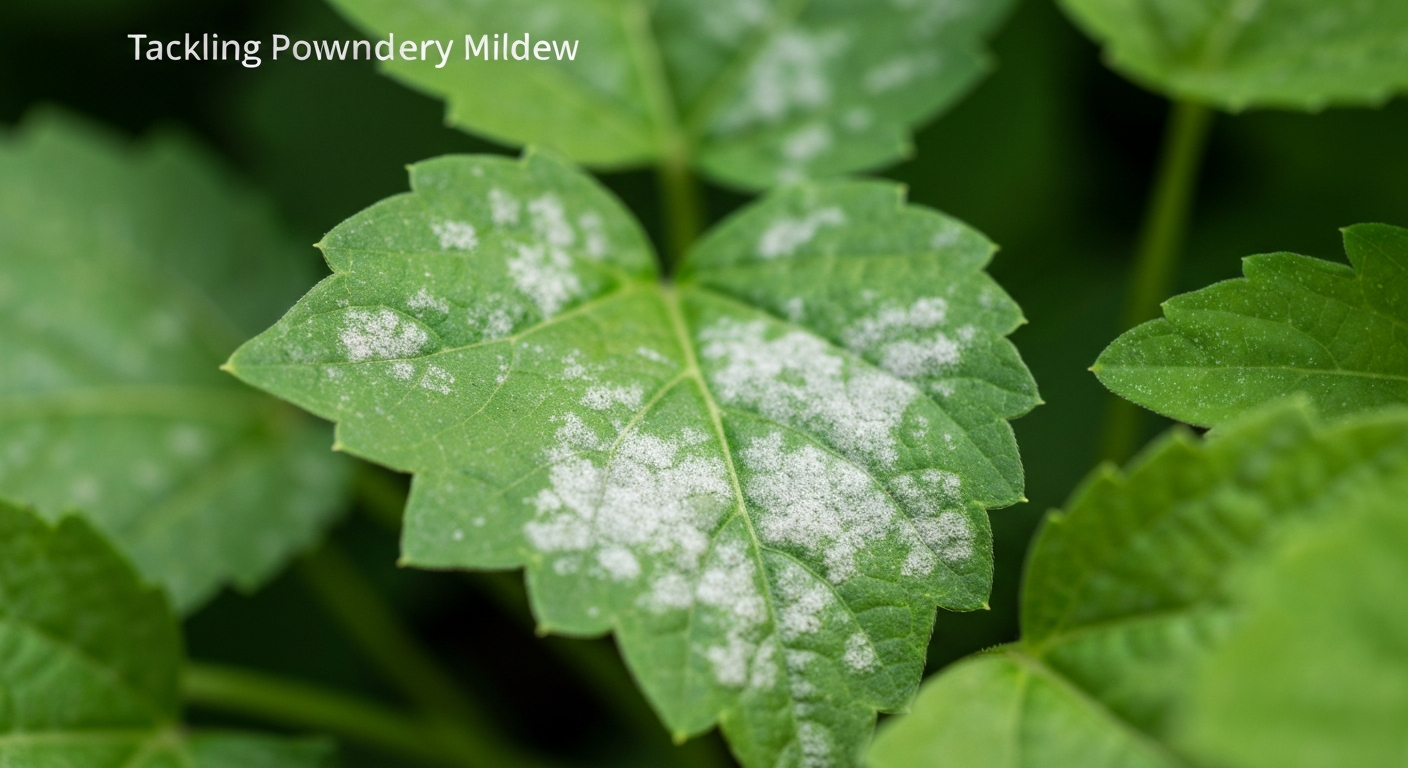
When you notice a mysterious white, powdery coating on your beloved plants, there’s a good chance you’re dealing with powdery mildew. This common fungal disease is a familiar foe for gardeners worldwide, capable of weakening plants, reducing yields, and generally making your garden look less vibrant. But don’t despair! With the right knowledge and timely action, you can effectively manage and prevent powdery mildew, ensuring your plants thrive.
What Exactly is Powdery Mildew?
Powdery mildew isn’t a single disease but rather a group of related fungal diseases caused by various species of fungi within the Erysiphaceae family. Despite the different species, they all share a common characteristic: they produce a distinctive white, powdery growth on the surface of plant tissues. Unlike some other fungi that require wet leaf surfaces to germinate, powdery mildew fungi can thrive in conditions of high humidity without direct moisture on the leaves, making them particularly tricky to combat.
Identifying Powdery Mildew: Symptoms to Look For
Spotting powdery mildew early is crucial for effective treatment. Here’s what to keep an eye out for:
The Classic White, Powdery Spots
The most obvious symptom is the appearance of white to grayish, powdery spots or patches on the surface of leaves, stems, flowers, and sometimes even fruits. These spots often look like someone has dusted your plants with flour or talcum powder. Initially, they might be small and scattered, but they can quickly grow and merge, eventually covering entire leaves or plant parts.
Where Does it Appear?
- Leaves: Often, you’ll first see it on the upper sides of older leaves, but it can appear on both surfaces. Infected leaves may turn yellow, curl, or become distorted. Severely infected leaves can eventually turn brown, become brittle, and drop prematurely.
- Stems: Younger stems and new growth are particularly vulnerable, showing the same white, powdery coating.
- Flowers: Flower buds and blooms can also be affected, leading to distorted flowers, reduced bloom size, or a complete failure to open.
- Fruits: While less common, some fruits, like squash, grapes, and apples, can develop powdery patches, affecting their appearance and quality.
Progression of the Disease
As the disease progresses, the initial white spots might turn a dull gray or even brownish. The plant’s ability to photosynthesize is compromised as the fungus blocks sunlight from reaching the chlorophyll in the leaves. This leads to weakened plants, stunted growth, and reduced fruit or flower production. In severe cases, especially on young or stressed plants, powdery mildew can cause significant defoliation and even lead to the plant’s demise.
Many plants are susceptible, but some are notorious hosts. You might frequently encounter it on roses, lilacs, phlox, zinnias, cucumbers, squash, melons, grapes, and even certain types of tomato plants. If you suspect your plant is sick and showing these symptoms, a quick photo with the Plant Disease Identifier app on your iPhone can help confirm your suspicions and provide immediate insights into what you’re facing. For more details on identifying this specific issue, you can also refer to our detailed guide on powdery mildew on plants.
The Culprits: What Causes Powdery Mildew?
Understanding the conditions that favor powdery mildew is key to both prevention and treatment.
Specific Fungal Species
As mentioned, various fungal species cause powdery mildew. Each species typically has a limited host range, meaning the powdery mildew affecting your roses won’t necessarily jump to your cucumbers, though some might affect related plant families. For instance, Podosphaera xanthii is a common culprit on cucurbits, while Erysiphe necator targets grapes.
Environmental Factors
Powdery mildew thrives under a specific set of environmental conditions:
- High Humidity, Dry Leaves: This is a crucial distinction. Unlike many fungi that need wet leaf surfaces for spore germination, powdery mildew spores can germinate on dry surfaces when the surrounding air humidity is high (typically 60-90%). This often happens in still, humid air, especially at night.
- Moderate Temperatures: The fungi prefer temperatures between 60-80°F (15-27°C). They tend to slow down or become dormant in extreme heat (above 90°F / 32°C) or cold.
- Poor Air Circulation: Crowded planting, dense foliage, and lack of air movement create pockets of high humidity around plants, providing an ideal environment for the fungus to flourish.
- Shade or Low Light: Plants growing in shaded areas are often more susceptible because the lack of direct sunlight allows humidity to linger and can weaken the plant’s overall health, making it more vulnerable.
- Over-fertilization (Nitrogen): Excessive nitrogen fertilizer can promote lush, soft, new growth, which is particularly tender and susceptible to infection.
Diagnosing Powdery Mildew: A Step-by-Step Approach
Accurate diagnosis is the first step toward effective treatment. While powdery mildew has distinctive symptoms, it’s always good to be thorough. For general guidance on how to diagnose plant problems, consult our comprehensive resources.
- Visual Inspection: Start by carefully examining your plants, especially the leaves, stems, and any new growth. Look for the characteristic white, powdery patches.
- Rub Test: Gently try to rub off a small patch of the white growth. If it rubs off easily, leaving a relatively clean surface underneath, it’s highly likely to be powdery mildew. This helps differentiate it from some other fungal growths or even dust.
- Check Both Sides of Leaves: While often more prominent on the upper surface, check the undersides of leaves as well.
- Consider the Plant Type: Is the affected plant known to be susceptible to powdery mildew (e.g., squash, roses, zinnias, grapes)? This can further confirm your diagnosis.
- Environmental Scan: Review the environmental conditions in your garden. Have there been periods of high humidity, moderate temperatures, and perhaps poor air circulation?
- Rule Out Other Issues: While distinct, ensure it’s not another issue like a nutrient deficiency, spider mites (which can leave a dusty appearance from their webbing), or other types of plant disease that might present differently.
- Use a Plant Disease Identifier: For quick and confident identification, especially if you’re new to gardening, consider using a digital tool. Taking a clear photo of the symptoms with an app like our Plant Disease Identifier can provide immediate analysis and suggested treatments, helping you to diagnose plant problems effectively.
Remember, while AI-powered apps offer valuable information and potential diagnoses, they are for informational purposes and not a substitute for professional agricultural or horticultural advice.
Effective Treatment Strategies for Powdery Mildew
Once you’ve confirmed powdery mildew, act quickly! Early intervention significantly improves your chances of saving the plant and preventing further spread.
Early Intervention is Key
The moment you spot those tell-tale white patches, begin treatment. The longer you wait, the more established the fungus becomes, making it harder to eradicate.
Pruning Affected Parts
For localized infections, carefully prune off and dispose of all infected leaves, stems, and flowers. Do NOT compost infected plant material, as the spores can survive and spread. Bag them and discard them in the trash. Always sterilize your pruning shears with rubbing alcohol or a 10% bleach solution between cuts and between plants to avoid spreading spores.
Organic Solutions
Many home gardeners prefer organic methods, which can be very effective, especially for mild to moderate infections.
- Neem Oil: A natural fungicide derived from the neem tree. It works as an anti-feedant, growth regulator, and suffocant. Mix according to package directions and spray thoroughly, covering all affected surfaces. Reapply every 7-14 days.
- Baking Soda Spray: A simple homemade remedy. Mix 1 tablespoon of baking soda (sodium bicarbonate) with 1 teaspoon of horticultural oil (or mild liquid soap) in a gallon of water. Spray thoroughly on all plant surfaces, including undersides of leaves. The baking soda changes the pH on the leaf surface, making it inhospitable for the fungus. Reapply weekly.
- Milk Spray: A surprisingly effective treatment! Mix one part milk (any type, but skim milk is often recommended) with nine parts water. Spray plants weekly. The proteins in the milk are believed to produce an antiseptic effect when exposed to sunlight.
- Horticultural Oils: Lightweight oils like jojoba oil or paraffinic oil can smother fungal spores and prevent them from germinating. Ensure the product is labeled for use on edible plants if applying to fruits or vegetables. Apply as directed, typically every 7-14 days.
- Potassium Bicarbonate: Similar to baking soda but often considered more effective and less likely to cause leaf burn. Mix 1 tablespoon per gallon of water, possibly with a little horticultural oil or soap as a spreader.
Chemical Fungicides (When to Use Them)
For severe, widespread infections, highly susceptible plants, or when organic methods aren’t providing sufficient control, chemical fungicides may be necessary.
- Types: Look for fungicides containing active ingredients like sulfur, chlorothalonil, myclobutanil, or triforine. Systemic fungicides can be absorbed by the plant and provide longer-lasting protection.
- Application: Always read and strictly follow the product label instructions regarding mixing ratios, application frequency, safety precautions, and pre-harvest intervals (if treating edible plants). Over-application can harm your plants, and improper use can be ineffective or dangerous.
- Rotation: To prevent the fungi from developing resistance, it’s wise to rotate between different types of fungicides with different active ingredients if you need to apply them regularly.
Here’s a quick comparison of common treatment types:
| Treatment Type | Pros | Cons | Best For |
|---|---|---|---|
| Pruning | Immediate removal of infected parts | Only for localized infections | First step, combined with other treatments |
| Neem Oil | Organic, multi-purpose, safe for beneficials | Requires consistent application, can be slow | Mild to moderate infections, prevention |
| Baking Soda/Milk Sprays | Cheap, readily available, organic | Less potent, frequent application needed | Mild infections, small gardens |
| Horticultural Oils | Organic, suffocates spores | Can burn plants in hot sun, careful application | Prevention, early intervention |
| Chemical Fungicides | Fast-acting, highly effective | Potential environmental/health concerns, resistance | Severe infections, high-value crops, widespread outbreaks |
Preventing Powdery Mildew: Best Practices for a Healthy Garden
Prevention is always better than cure. By implementing good cultural practices, you can significantly reduce the risk of powdery mildew taking hold in your garden. For more general information on this topic, visit our powdery mildew topic page.
- Choose Resistant Varieties: When buying seeds or plants, look for varieties that are specifically labeled as “powdery mildew resistant” (PMR). This is your strongest defense.
- Ensure Proper Spacing and Air Circulation: Overcrowding is a prime culprit for fungal diseases. Give your plants enough room to grow, allowing air to circulate freely between them. This helps dry out foliage and reduces humidity around the plant.
- Strategic Watering:
- Water at the Base: Always water the soil directly, avoiding overhead watering that wets the leaves. While powdery mildew doesn’t need wet leaves to germinate, overhead watering can spread spores.
- Water in the Morning: If you must water overhead, do so in the morning so the foliage has ample time to dry completely before evening.
- Avoid Overwatering: Ensure good drainage to prevent waterlogged soil, which can stress plants and make them more susceptible to disease, including issues like root rot.
- Adequate Sunlight: Plant susceptible plants in locations that receive appropriate sunlight. Most garden plants prefer full sun, which helps keep leaves dry and discourages fungal growth.
- Garden Sanitation:
- Remove Debris: Promptly remove and discard any fallen leaves or plant debris, especially if they show signs of disease.
- Sterilize Tools: Regularly clean and sterilize your pruning shears and other garden tools to prevent the spread of spores.
- Balanced Fertilization: Avoid excessive nitrogen fertilization, which promotes lush, tender new growth that is more susceptible to infection. Use a balanced fertilizer and follow recommended application rates.
- Regular Monitoring: Make it a habit to inspect your plants regularly, especially during periods when powdery mildew is most active (moderate temperatures, high humidity). Early detection allows for immediate action.
- Prune for Airflow: If plants become too dense, strategically prune inner branches or lower leaves to improve air circulation within the plant canopy.
Common Mistakes When Dealing with Powdery Mildew
Even experienced gardeners can make mistakes. Here are some common pitfalls to avoid:
- Ignoring Early Signs: Thinking “it’s just a little bit” can quickly lead to a full-blown infestation. Act immediately!
- Improper Disposal of Infected Material: Tossing infected leaves into the compost pile is a surefire way to reintroduce spores to your garden. Always bag and discard.
- Over-reliance on a Single Treatment: Fungi can develop resistance. Rotating treatments, especially fungicides, is crucial. For organic methods, consistent application and combining with cultural practices yield the best results.
- Not Addressing Environmental Factors: Simply spraying a treatment without improving air circulation or adjusting watering habits is like putting a band-aid on a gushing wound.
- Applying Treatments Incorrectly: Not following product label instructions, applying too much or too little, or spraying at the wrong time of day (e.g., oils in direct hot sun can cause leaf burn) can be ineffective or harmful.
- Expecting a One-Time Fix: Powdery mildew often requires ongoing vigilance and repeated applications, especially if conditions remain favorable for the fungus.
Beyond Powdery Mildew: Other Leaf Issues
While powdery mildew has a distinct look, it’s important to differentiate it from other common leaf problems. For instance, brown spots on plant leaves could indicate a range of issues from nutrient deficiencies to bacterial blights. Similarly, leaf spot disease encompasses many different fungal or bacterial infections that cause distinct spots, often with defined margins and colors other than pure white. Black spot on roses, for example, is another common fungal issue, but it presents as distinct black spots with yellow halos, not a powdery coating. Understanding these differences helps in accurate diagnosis and targeted treatment.
Final Thoughts and Disclaimer
Powdery mildew is a persistent garden problem, but it’s far from unbeatable. By understanding its symptoms, causes, and effective prevention and treatment strategies, you can maintain a healthy and vibrant garden. Regular monitoring, good cultural practices, and prompt action are your best tools in this ongoing battle.
Remember, while tools like the best plant disease identifier app can provide valuable insights and information, they are designed as aids for home gardeners and not a substitute for professional agricultural or horticultural advice. Always exercise caution and consult local experts for severe or persistent plant health issues.
Happy gardening!