

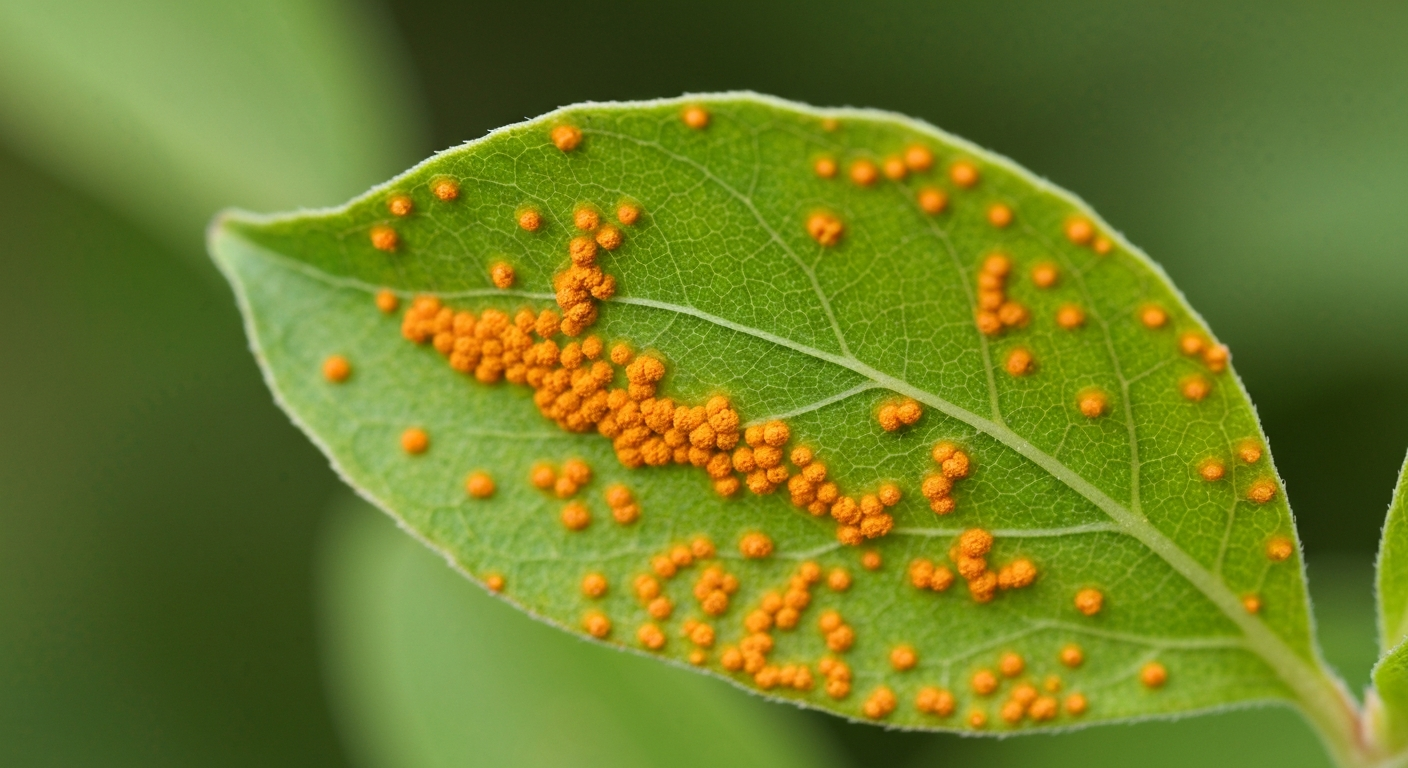
There are few sights more disheartening for a gardener than discovering their beloved plants covered in suspicious, powdery spots. Among the most common and persistent fungal foes is rust on plants, a widespread disease that can weaken and even destroy a variety of garden favorites. From the vibrant leaves of your roses to the tender foliage of your beans, rust can strike almost anywhere, leaving behind a tell-tale trail of orange, brown, or yellow pustules that resemble specks of rust on metal. As Senior Plant Care Editor for plantdiseaseapp.com, I’m here to guide you through understanding, identifying, treating, and most importantly, preventing this pervasive plant ailment.
What Exactly is Rust on Plants?
Rust is a collective term for a group of plant diseases caused by various species of fungi belonging primarily to the order Pucciniales. These fungi are obligate parasites, meaning they cannot survive without a living host plant. Unlike some other plant pathogens that might live in the soil, rust fungi depend on the plant’s tissues for their nutrients, which is why they produce such visible symptoms directly on the leaves and stems.
There are thousands of different rust species, each often highly specific to particular plant families or even individual plant species. For instance, the rust that attacks your hollyhocks is unlikely to be the same species that affects your bean plants, though their symptoms might look similar. This specificity is both a challenge and an advantage: it means a rust outbreak on one plant type might not immediately jump to an unrelated neighbor, but it also means there are many different rusts to contend with depending on what you grow.
Recognizing the Enemy: Symptoms of Rust Disease
Identifying rust early is crucial for effective management. The symptoms are often quite distinctive, though they can sometimes be confused with other issues like leaf spot disease or nutrient deficiencies. Here’s what to look for:
The Signature Pustules
The most characteristic symptom of rust is the appearance of small, raised, powdery pustules or lesions, typically on the undersides of leaves. These pustules are spore-producing structures that erupt through the plant’s epidermis.
- Color: Initially, these pustules are often bright orange, yellow, or reddish-brown. As the disease progresses, they may darken to a deep brown or black.
- Location: While most prominent on the undersides of leaves, they can also appear on the upper leaf surfaces, stems, and sometimes even fruits or flowers.
- Texture: When brushed, these pustules release a powdery cloud of spores, which is where the “rust” appearance comes from.
Other Visible Signs
Beyond the pustules, rust can cause a range of other symptoms:
- Yellowing or Browning: Affected leaves may develop yellow or pale green spots on their upper surfaces, directly above the pustules on the underside. These areas can later turn brown or necrotic.
- Leaf Drop: Severely infected leaves often turn yellow, then brown, and fall prematurely. This defoliation can weaken the plant significantly, reduce photosynthesis, and impact fruit or flower production.
- Distorted Growth: In some cases, rust can cause stems to swell, distort, or develop cankers. Flowers might be stunted or fail to form properly.
- Reduced Vigor: Overall, infected plants may appear stunted, lack vigor, and produce fewer or smaller fruits/flowers.
Here’s a quick look at common rust symptoms on popular garden plants:
| Plant Type | Common Rust Species | Key Symptoms |
|---|---|---|
| Roses | Phragmidium mucronatum | Orange pustules on undersides, yellow/orange spots on upper surfaces, premature defoliation, distorted stems. |
| Beans | Uromyces appendiculatus | Small, reddish-brown pustules, often with yellow halos, primarily on undersides of leaves. |
| Hollyhocks | Puccinia malvacearum | Bright orange to reddish-brown pustules densely covering undersides of leaves, stems, and sometimes flowers. |
| Fuchsias | Pucciniastrum epilobii | Orange-brown pustules on undersides, yellowing and browning of upper leaf surfaces. |
| Garlic/Onions | Puccinia allii | Orange-yellow spots that develop into elongated pustules on leaves and flower stalks. |
| Snapdragons | Puccinia antirrhini | Small, reddish-brown pustules on leaves and stems, leading to yellowing and wilting. |
The Culprits: What Causes Rust?
Understanding the conditions that favor rust development is key to prevention. Rust fungi thrive under specific environmental conditions and spread through various means:
Fungal Spores and Dispersal
The primary way rust spreads is through its microscopic spores. These spores are incredibly resilient and can be dispersed by:
- Wind: The most common method. Spores can travel long distances on air currents, infecting new plants far from the initial source.
- Water: Rain splash or overhead irrigation can dislodge spores and carry them to healthy plant parts or neighboring plants.
- Contaminated Tools: Pruning shears, gloves, or even clothing that has come into contact with infected plants can transfer spores.
- Infected Plant Material: Introducing new plants that are already infected, or leaving diseased plant debris in the garden, can perpetuate the cycle.
Environmental Factors
Rust fungi are particularly fond of certain conditions:
- Humidity and Moisture: High humidity and prolonged periods of leaf wetness are critical for spore germination and infection. This is why rust often flares up during damp weather or in crowded gardens where air circulation is poor.
- Temperature: Most rust fungi prefer moderate temperatures, typically between 50-75°F (10-24°C), though this can vary by species.
- Poor Air Circulation: Densely planted gardens or areas with inadequate airflow create microclimates of high humidity, perfect for rust.
Diagnosing Rust: Is It Really Rust?
While rust symptoms are often distinct, it’s possible to confuse them with other plant ailments. Proper diagnosis is the first step toward effective treatment.
Visual Inspection
Carefully examine your plants, especially the undersides of leaves. Look for the characteristic powdery pustules. If you gently rub a suspected spot and a reddish-orange powder comes off on your finger, it’s a strong indicator of rust.
Differentiating from Other Diseases
- Powdery Mildew: This fungal disease also creates a powdery coating, but it’s typically white or grayish and appears on the upper leaf surfaces, lacking the distinct orange or brown coloration and raised pustule structure of rust.
- Black Spot on Roses: Another common rose disease, black spot causes distinct circular black spots with fringed margins, often surrounded by yellow halos. It doesn’t produce the powdery, rust-colored pustules.
- Brown Spots on Plant Leaves: While rust can cause browning, general brown spots might be due to a variety of issues, including bacterial infections, other fungal diseases, or environmental stress. Rust’s pustules are the key differentiator.
If you’re unsure whether those suspicious spots are truly rust or something else, photographing the symptoms with your Plant Disease Identifier app on iPhone can provide quick informational insights. Our AI-powered tool can help you get a preliminary identification, guiding you toward the right course of action for your sick plant. Remember, while our app offers valuable information, it’s not a substitute for professional agricultural advice, especially for severe or widespread issues. It’s a fantastic tool to help home gardeners diagnose plant problems and learn more about plant disease in general.
A Closer Look: Common Plants Affected by Rust
Rust is a widespread problem, affecting a vast array of ornamental, vegetable, and fruit plants. Here are some of the most frequently impacted in home gardens:
- Roses: Rose rust is a persistent problem, especially in humid climates. It often appears in spring and can quickly defoliate plants if not managed, weakening them and reducing bloom production.
- Beans (Snap, Pole, Lima): Bean rust can severely impact yields, causing premature leaf drop and reducing the quality of pods. It’s particularly prevalent in warm, humid conditions.
- Hollyhocks: Hollyhock rust is notorious for its aggressive nature, often covering entire plants in orange pustules and causing significant defoliation and stem distortion.
- Fuchsias: Fuchsia rust can be quite disfiguring, causing leaves to yellow and drop, impacting the plant’s ornamental appeal.
- Garlic and Onions (Alliums): Allium rust can reduce bulb size and vigor, especially if it strikes early in the growing season.
- Daylilies: While generally tough, daylilies can suffer from daylily rust, leading to unsightly spots and weakened plants.
- Tomatoes: Although less common than some other tomato plant diseases, tomato rust can occur, especially in humid environments, causing similar rust-colored spots and defoliation.
Treatment Strategies: How to Get Rid of Rust
Once rust has appeared, a multi-pronged approach combining cultural practices, organic treatments, and sometimes chemical controls is usually most effective.
1. Cultural and Organic Methods (Your First Line of Defense)
These methods focus on improving plant health and reducing the conditions favorable to the fungus.
-
Pruning and Sanitation:
- Remove Infected Parts: As soon as you spot rust, carefully prune off and destroy (do not compost) any infected leaves, stems, or other plant parts. This reduces the amount of fungal spores in your garden.
- Clean Up Debris: Rust spores can overwinter on fallen leaves and plant debris. Thoroughly clean up all plant matter from around affected plants, especially at the end of the growing season.
- Sterilize Tools: Always clean your pruning shears and other tools with a 10% bleach solution or rubbing alcohol between cuts and between plants to prevent spreading spores.
-
Improve Air Circulation:
- Proper Spacing: When planting, ensure adequate space between plants to allow for good airflow. This helps foliage dry quickly after rain or watering.
- Strategic Pruning: For dense plants, judiciously prune some inner branches to open up the canopy and improve air circulation.
-
Watering Wisely:
- Water at the Base: Always water plants at the soil level, avoiding overhead irrigation that wets the foliage.
- Morning Watering: If overhead watering is unavoidable, do it in the morning so the leaves have ample time to dry before evening. Prolonged leaf wetness is a rust magnet.
-
Organic Sprays:
- Neem Oil: An organic fungicide and insecticide, neem oil can be effective against rust when applied regularly and thoroughly. It works best as a preventative or at the very first sign of disease. Mix according to label directions and apply to all plant surfaces, especially undersides of leaves.
- Sulfur Dust/Spray: Elemental sulfur is a traditional organic fungicide effective against many fungal diseases, including rust. It works best as a preventative or early treatment. Apply as a dust or mix as a spray according to product instructions. Be cautious when using sulfur in hot weather (above 90°F / 32°C) as it can cause plant burn.
- Baking Soda Spray (Limited Efficacy): While some gardeners use a mixture of baking soda (1 teaspoon per quart of water) with a few drops of horticultural oil or insecticidal soap, its effectiveness against rust is generally less consistent than neem oil or sulfur. It primarily works by altering the pH on the leaf surface.
2. Chemical Controls (When Fungicides Help)
For severe or persistent rust problems, especially in highly susceptible plants or in climates very conducive to rust, fungicides may be necessary.
- Timing is Key: Fungicides are most effective when applied preventatively or at the very first sign of disease. They work by preventing spore germination and infection, not by curing already infected tissue.
- Types of Fungicides:
- Copper-based Fungicides: Organic-approved and effective against many fungal diseases, including some rusts.
- Systemic Fungicides: Products containing active ingredients like Myclobutanil or Propiconazole (often labeled for black spot on roses, but also effective on rust) are absorbed by the plant and provide longer-lasting protection.
- Contact Fungicides: Chlorothalonil is a common contact fungicide that protects plant surfaces. It needs to be reapplied regularly, especially after rain.
- Always Read the Label: Fungicides can be powerful chemicals. Always follow the manufacturer’s instructions precisely regarding mixing ratios, application frequency, safety precautions, and target plants. Over-application can harm your plants or the environment.
- Rotate Fungicides: To prevent the development of fungicide-resistant strains of rust, it’s a good practice to alternate between different types of fungicides with different active ingredients.
Prevention is Key: Stopping Rust Before It Starts
The best way to deal with rust is to prevent it from ever taking hold. Proactive measures can save you a lot of headache and heartache.
- Choose Resistant Varieties: Many plant breeders have developed varieties that are resistant or highly tolerant to common rust diseases. When purchasing seeds or plants, look for descriptions like “rust-resistant” on the label. This is particularly important for plants like beans, roses, and snapdragons.
- Practice Good Garden Hygiene:
- Remove Debris: Regularly clear away fallen leaves and plant debris, especially at the end of the growing season. This eliminates overwintering sites for spores.
- Weed Control: Some weeds can act as alternate hosts for rust fungi. Keep your garden weed-free.
- Ensure Proper Spacing and Airflow: As mentioned in treatment, adequate spacing between plants is crucial. Avoid overcrowding your garden beds.
- Water Smart: Stick to watering at the base of plants in the morning.
- Crop Rotation: For vegetable gardens, especially those prone to rust (like beans or alliums), practice crop rotation. Don’t plant the same rust-susceptible crop in the same spot year after year. This helps break the disease cycle.
- Monitor Regularly: Inspect your plants frequently, particularly during periods of high humidity or wet weather. Catching rust early makes it much easier to manage.
Common Mistakes When Dealing with Rust
Even experienced gardeners can make mistakes when battling plant diseases. Avoiding these common pitfalls can improve your success rate:
- Ignoring Early Signs: Rust spreads rapidly. Delaying action allows the disease to become widespread and harder to control.
- Overhead Watering: This is perhaps the most common mistake. Wet foliage provides the perfect environment for rust spores to germinate.
- Composting Infected Material: Rust spores can survive in compost piles, especially if the pile doesn’t reach high enough temperatures to kill pathogens. Always bag and discard infected plant material.
- Not Sterilizing Tools: Using contaminated pruning shears is a sure way to spread rust from one plant to another, or even from one part of a plant to a healthy part.
- Over-fertilizing with Nitrogen: While plants need nutrients, excessive nitrogen fertilizer can promote lush, tender growth that is more susceptible to disease. A balanced fertilizer is usually best.
- Relying Solely on Fungicides: Fungicides are tools, not magic bullets. They work best in conjunction with good cultural practices. Without addressing underlying environmental issues, rust will likely return.
- Planting Susceptible Varieties in Problematic Areas: If you know your garden struggles with a specific rust (e.g., hollyhock rust), repeatedly planting susceptible varieties will lead to continuous outbreaks. Opt for resistant alternatives.
When to Call for Help (or Use Your App)
While this guide provides comprehensive information, sometimes a gardener needs a little extra help. If you’ve tried various methods and the rust persists, or if you’re dealing with a particularly valuable or widespread infection, consider consulting a local agricultural extension office or a certified arborist/horticulturist. They can provide professional diagnosis and tailored recommendations for your specific situation.
For quick, informational insights into identifying potential plant diseases or confirming your suspicions, remember your Plant Disease Identifier app on iPhone. Simply snap a picture of the affected leaves, and the app can offer a preliminary identification and suggest potential issues like rust, root rot, or other common ailments. It’s a fantastic resource for home gardeners looking to understand and address their plant problems more effectively.
Conclusion
Rust on plants is a formidable opponent, but it’s not an unbeatable one. By understanding its symptoms, causes, and effective management strategies, you can protect your garden from its damaging effects. Remember that prevention is always the best cure, so focusing on good garden hygiene, proper watering, adequate spacing, and choosing resistant varieties will go a long way in keeping your plants healthy and vibrant. With vigilance and consistent effort, you can enjoy a rust-free garden and revel in the beauty of your thriving plants. Happy gardening!