

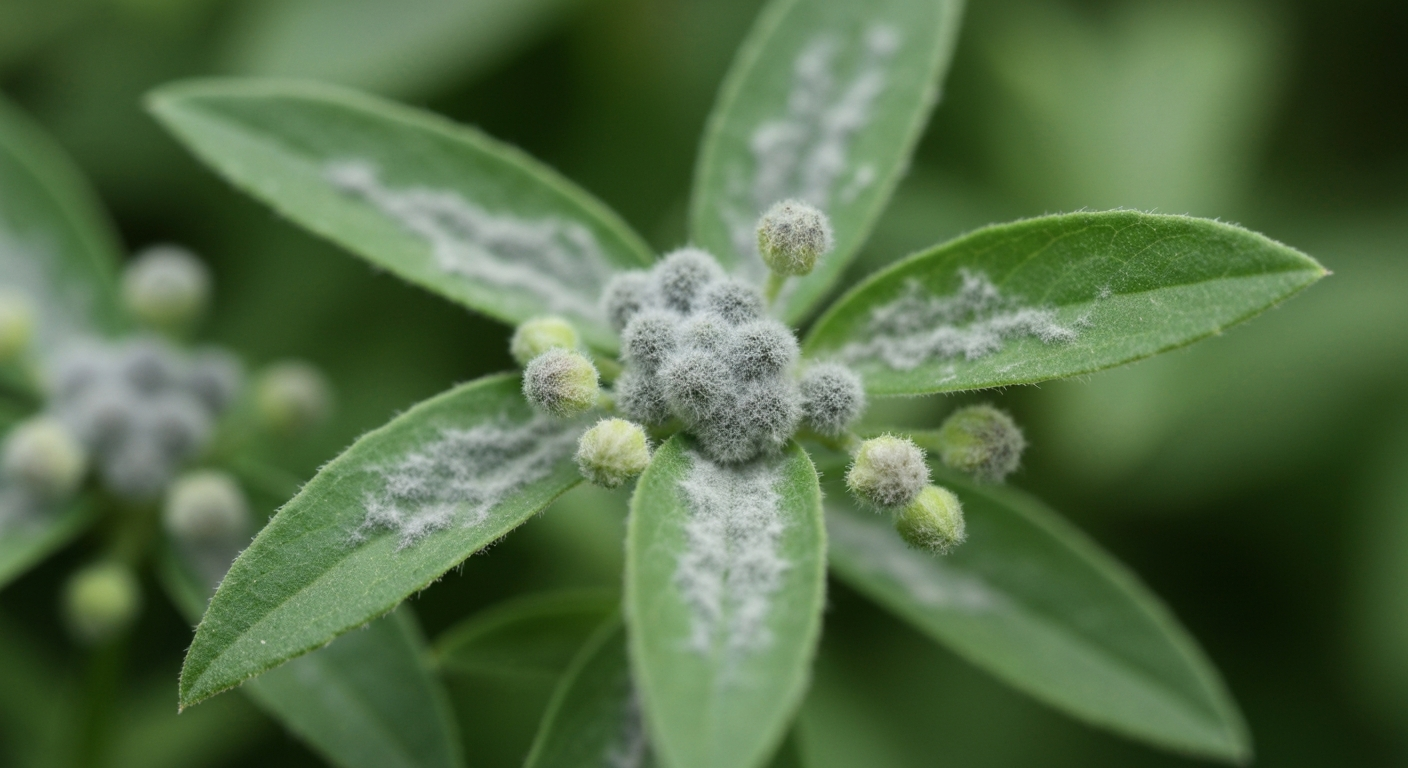
As home gardeners, we pour our hearts into nurturing our plants, only to sometimes face the disheartening reality of disease. Among the more formidable adversaries is sclerotinia white mold, a destructive fungal pathogen that can quickly decimate a garden patch if not identified and managed promptly. This guide will equip you with the knowledge to recognize, treat, and most importantly, prevent this unwelcome guest from taking hold of your beloved plants.
What is Sclerotinia White Mold?
Sclerotinia white mold, also known as white mold, stem rot, or cottony rot, is caused by fungi in the genus Sclerotinia, primarily Sclerotinia sclerotiorum. This pathogen is notorious for its wide host range, affecting over 400 species of plants, making it a significant concern for vegetable gardens, ornamental beds, and even large-scale agriculture. Unlike some other fungal diseases that might just disfigure leaves, Sclerotinia white mold directly attacks stems and fruits, leading to rapid wilting and plant death. Its most defining characteristic is the production of hard, black, seed-like survival structures called sclerotia, which are key to its persistence and spread.
Plants Susceptible to Sclerotinia White Mold
While Sclerotinia sclerotiorum is an equal-opportunity destroyer, certain plants are more frequently or severely affected, particularly broadleaf plants. Understanding which of your garden inhabitants are most at risk can help you be more vigilant.
Common Garden Vegetables:
- Beans (snap beans, lima beans): Highly susceptible, with pods and stems rotting.
- Tomatoes: Can suffer from stem rot and fruit rot, especially when fruits touch the soil or other infected parts. For more on tomato woes, check out our guide to tomato plant diseases.
- Lettuce: Particularly vulnerable, often developing rot at the base.
- Cabbage and other Brassicas (broccoli, cauliflower): Stem and head rot are common.
- Carrots: Can develop soft rot, especially in storage.
- Potatoes: Stem rot and tuber rot.
- Peppers: Similar to tomatoes, stem and fruit rot.
- Squash and Cucumbers: Fruit rot, stem rot.
Ornamental Plants:
- Zinnias: Stem rot.
- Sunflowers: Head rot and stem rot.
- Petunias: Stem rot.
- Impatiens: Stem rot.
- Many other broadleaf ornamentals.
Narrow-leafed plants like corn and grasses are generally resistant, which is an important consideration for crop rotation strategies.
Recognizing the Symptoms: Early Detection is Key
Identifying sclerotinia white mold early is crucial for effective management. The symptoms can vary slightly depending on the plant species and environmental conditions, but there are distinct signs to look for.
Key Symptoms to Watch For:
- Water-soaked Lesions: Often the first visible symptom, these appear on stems, leaves, or fruits, usually near the soil line or where plant parts are in contact with each other or the soil. They look dark, soft, and somewhat translucent.
- White, Cottony Fungal Growth: This is the most diagnostic symptom. A fluffy, white, mold-like growth rapidly develops over the water-soaked lesions. It looks much like cotton batting and can quickly cover significant portions of the plant. This growth differentiates it from some other diseases like powdery mildew on plants, which has a more powdery appearance.
- Stem Rot and Girdling: The fungus attacks the stem, causing it to rot and weaken. This girdling effect disrupts water and nutrient flow, leading to rapid wilting of leaves and entire plant sections above the infection point, even if the plant still appears green initially.
- Sclerotia Formation: Within the white fungal growth, small, hard, black structures begin to form. These are the sclerotia, which look like tiny rat droppings, mustard seeds, or pebbles, ranging from 1/16 to 1/2 inch (1-10 mm) in size. Their presence confirms Sclerotinia white mold and is critical for the disease’s survival.
- Soft Rot of Fruits and Leaves: Infected fruits become soft, watery, and mushy, often covered in the white fungal growth and sclerotia. Leaves may yellow, wilt, and eventually turn brown and collapse.
- Overall Plant Collapse: As the disease progresses, the plant will rapidly wilt, turn brown, and eventually collapse entirely.
It’s important to differentiate white mold from other common plant problems. For instance, while wilting can be a symptom of root rot, white mold will have the characteristic fuzzy growth and sclerotia on the above-ground parts. If you’re unsure, photographing the symptoms and using a tool like our Plant Disease Identifier app on your iPhone can provide quick insights into what might be ailing your plant.
Understanding the Cause: The Sclerotinia Fungus
The life cycle of Sclerotinia sclerotiorum is crucial to understanding how to combat it. This fungus is a soil-borne pathogen, meaning it lives and survives in the soil, making it particularly challenging to eradicate.
The Life Cycle of Sclerotinia White Mold:
- Sclerotia Survival: The hard, black sclerotia are the primary survival structures. They can remain dormant and viable in the soil for several years (up to 7-8 years or even longer), resisting adverse conditions like drought and temperature extremes.
- Germination: When conditions become favorable – typically cool to moderate temperatures (59-75°F or 15-24°C) combined with high soil moisture or humidity – the sclerotia germinate.
- Apothecia Formation (Primary Infection): Most commonly, sclerotia germinate to produce small, tan, mushroom-like structures called apothecia. These apothecia release millions of microscopic spores (ascospores) into the air.
- Ascospore Dispersal: The airborne ascospores are carried by wind to nearby susceptible plants. They usually infect senescing (aging) flowers or plant parts that have been damaged.
- Mycelial Growth (Secondary Infection): Once an ascospore lands on a susceptible plant part and conditions are moist, it germinates and infects the plant. The fungus rapidly grows as white, cottony mycelium (the fuzzy growth).
- Direct Mycelial Spread: The fungal mycelium can also grow directly from germinating sclerotia in the soil to infect plant parts at or below the soil line. It can also spread from an infected plant to a healthy one through direct contact, especially in dense plantings.
- New Sclerotia Formation: As the infected plant tissue dies, the fungus produces new sclerotia within the decaying plant material or on its surface. These sclerotia fall to the soil, replenishing the soil inoculum and continuing the cycle.
High humidity, prolonged leaf wetness (from rain, dew, or irrigation), and dense plant canopies that reduce air circulation create the perfect environment for this fungus to thrive and spread.
Diagnosing Sclerotinia White Mold in Your Garden
Accurate diagnosis is the first step toward effective treatment. While the classic white, cottony growth and black sclerotia are strong indicators, it’s good to follow a systematic approach when you notice a sick plant.
- Visual Inspection: Regularly inspect your plants, especially during periods of cool, wet weather. Look for the initial water-soaked lesions, particularly at the base of stems or where leaves and fruits touch the soil.
- Check for White Fungal Growth: If you see any wilting, carefully examine the affected areas for the characteristic fluffy, white mold. This is the most definitive visual cue.
- Search for Sclerotia: Gently part the white fungal growth or examine the decaying plant tissue for the small, black, hard sclerotia. Their presence confirms Sclerotinia white mold.
- Consider Environmental Conditions: Think about recent weather patterns. Has it been cool and wet? Have your plants been consistently damp? These conditions strongly favor white mold.
- Rule Out Similar Issues: Be careful not to confuse it with other fungi. For example, some saprophytic fungi might grow on dead organic matter, but they won’t typically cause the rapid wilting and stem rot seen with Sclerotinia. Leaf spot disease or brown spots on plant leaves are also distinct and usually don’t have the fluffy white growth.
- Use a Plant Disease Identifier: When in doubt, a quick photo with your iPhone and our Plant Disease Identifier app can help confirm your suspicions or point you in another direction. Remember, AI tools provide informational guidance, not professional diagnosis, but they are a fantastic first step in understanding plant disease.
Treatment Strategies: Saving Affected Plants
Once sclerotinia white mold is established, treatment can be challenging, but not impossible, especially if caught early. The focus is on containing the spread and removing the source of inoculum.
Immediate Action:
- Remove Infected Plants: As soon as you confirm the presence of white mold, carefully remove all affected plant parts, or ideally, the entire plant if the infection is widespread. Do this gently to avoid dislodging sclerotia or scattering spores.
- Dispose Properly: DO NOT COMPOST infected plant material. The sclerotia can survive composting and reintroduce the disease. Bag all infected debris and dispose of it in the trash or by burning, if local regulations allow.
- Sanitize Tools: Thoroughly clean and sanitize any gardening tools that came into contact with infected plants (pruners, shovels) with a 10% bleach solution or rubbing alcohol to prevent further spread.
Organic and Cultural Approaches:
For home gardeners, cultural practices are the cornerstone of managing white mold once it appears.
- Improve Air Circulation: If the infection is minor and localized, prune surrounding foliage to open up the plant canopy. This increases air flow and helps dry out leaves and stems, creating an environment less favorable for fungal growth.
- Reduce Humidity: Avoid overhead watering, which keeps foliage wet for extended periods. Water at the base of plants in the morning so that any incidental moisture on leaves has time to dry during the day.
- Solarization (for heavily infested beds): In areas with intense summer sun, you can try solarizing the soil. Cover the affected garden bed with clear plastic sheeting for 4-6 weeks during the hottest part of the summer. The heat generated can kill sclerotia in the top few inches of soil.
- Deep Plowing/Tilling (Controversial): Some sources suggest deep plowing to bury sclerotia, making it harder for them to germinate. However, others argue this merely stores them for later and can bring up old sclerotia. For small garden beds, removing soil is safer.
When Fungicides May Help:
Fungicides are generally not recommended as a primary treatment for home gardeners once an infection is severe, as they are most effective as preventative measures or early interventions.
- Limited Efficacy on Established Disease: Once the white, cottony growth and sclerotia are visible, fungicides may only slow the progression, not cure the plant.
- Preventative Use: If you have a history of Sclerotinia white mold and are planting highly susceptible crops, some gardeners might consider applying a preventative fungicide registered for Sclerotinia before or at the time of planting, following all label instructions carefully.
- Consult Local Extension: Always consult your local agricultural extension office for recommendations on specific fungicides suitable for your region and crops, and whether they are appropriate for home garden use.
- Biological Fungicides: Some biological fungicides containing Coniothyrium minitans (a hyperparasite of Sclerotinia sclerotiorum) can be applied to the soil to reduce sclerotia viability. These are typically applied in the fall after harvest or in the spring before planting.
For most home gardeners, focusing on sanitation and prevention is far more effective and environmentally friendly than relying on chemical fungicides for established infections.
Preventing Sclerotinia White Mold: Your Best Defense
Prevention is by far the most effective strategy against sclerotinia white mold. Since the sclerotia can persist in the soil for years, a multi-pronged approach is essential.
Key Prevention Strategies:
- Crop Rotation: This is paramount. Avoid planting susceptible crops in the same spot year after year. Rotate with non-host plants like corn, wheat, or other grasses for at least 3-5 years. This helps reduce the build-up of sclerotia in the soil.
- Garden Sanitation:
- Remove Plant Debris: Promptly remove and destroy all plant debris at the end of the growing season. This includes stems, leaves, and any fallen fruits, especially if there was any sign of disease.
- Weed Control: Many weeds can act as alternative hosts for Sclerotinia. Keep your garden beds free of weeds.
- Proper Spacing and Air Circulation:
- Avoid Overcrowding: Plant vegetables and ornamentals with adequate spacing to allow for good air movement between plants. This helps dry foliage quickly after rain or irrigation.
- Pruning: Prune lower leaves or dense foliage, especially on larger plants like tomatoes, to improve air circulation around the base.
- Watering Practices:
- Water at the Base: Use drip irrigation or soaker hoses to deliver water directly to the plant roots, keeping foliage dry.
- Morning Watering: If overhead watering is unavoidable, do it in the morning to allow leaves to dry completely before evening.
- Soil Health:
- Improve Drainage: Sclerotinia thrives in wet conditions. Amend heavy clay soils with organic matter to improve drainage.
- Beneficial Microbes: Healthy soil with a rich microbial community can sometimes naturally suppress pathogens. Consider adding compost or beneficial microbial inoculants.
- Resistant Varieties: While truly immune varieties are rare, some plant cultivars show more resistance or tolerance to Sclerotinia white mold than others. Research varieties recommended for your region.
- Mulching: While mulching can retain soil moisture, which is sometimes a risk factor, a thick layer of organic mulch can also create a physical barrier between germinating sclerotia and susceptible plant parts. Ensure the mulch doesn’t keep the plant base excessively damp.
- Deep Burying of Sclerotia: If you have an area with a known history of Sclerotinia, deep plowing (8-10 inches) can bury sclerotia deep enough to prevent them from germinating and releasing spores. However, this is often a large-scale agricultural practice and can bring up old sclerotia in subsequent years if not done consistently. For home gardens, solarization or careful soil replacement is often more practical.
Common Mistakes Home Gardeners Make
Even with good intentions, it’s easy to make mistakes that can exacerbate a Sclerotinia white mold problem.
- Composting Infected Material: This is perhaps the biggest mistake. Sclerotia are tough and will survive most home composting piles, ensuring the disease returns to your garden.
- Overhead Watering: Watering from above, especially in the evening, keeps foliage wet, creating the perfect humid environment for the fungus. This also contributes to other issues like black spot on roses and powdery mildew.
- Overcrowding Plants: Dense plantings restrict air circulation, trapping moisture and humidity around plants, which is ideal for Sclerotinia.
- Ignoring Weeds: Many weeds can harbor the fungus, acting as a bridge between growing seasons or susceptible crops.
- Ignoring Symptoms: Delaying action once symptoms are noticed allows the fungus to produce more sclerotia, increasing the inoculum in your soil for future seasons. If you see a sick plant, act fast!
- Planting Susceptible Crops in the Same Spot: Failure to rotate crops ensures that sclerotia in the soil will infect new plants year after year.
Beyond Sclerotinia: When to Seek Expert Advice
While our app and this guide provide valuable information to help you diagnose plant problems and manage common issues, it’s important to remember that AI-driven tools offer informational guidance, not professional agricultural or medical diagnosis. If you’re dealing with a widespread or persistent Sclerotinia white mold problem, especially in a large garden or if you rely on your harvest, consulting a local agricultural extension agent or a certified plant pathologist is always a wise step. They can offer tailored advice, confirm diagnoses, and recommend region-specific solutions.
Conclusion
Sclerotinia white mold is a formidable foe in the garden, but with vigilance, understanding, and consistent preventative measures, you can protect your plants. Early identification of its characteristic fuzzy white growth and dark sclerotia, coupled with prompt removal of infected material and a strong commitment to cultural practices like crop rotation and good air circulation, are your best tools in this battle. By implementing these strategies, you’ll be well on your way to a healthier, more productive garden. For more insights into maintaining plant health, explore our full range of articles at plantdiseaseapp.com, your go-to resource for understanding and managing plant diseases.