

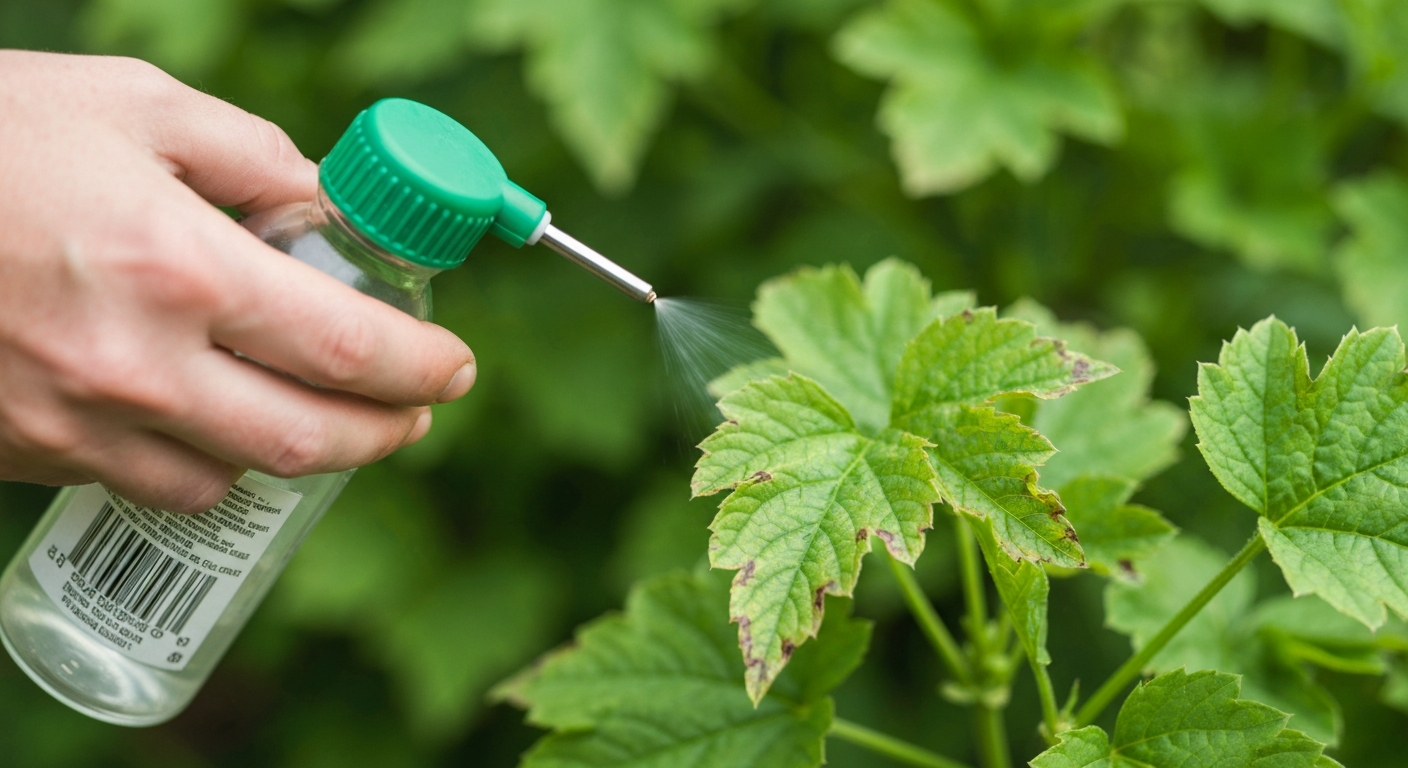
As a dedicated gardener, few things are as disheartening as seeing your thriving plants fall victim to disease. Among the most common and frustrating culprits is Septoria leaf spot, a fungal infection that can quickly defoliate plants, especially tomatoes, peppers, and potatoes, severely impacting your harvest. The good news is that with early detection and consistent effort, effective septoria leaf spot treatment is entirely possible. This comprehensive guide from plantdiseaseapp.com will walk you through everything you need to know to identify, treat, and prevent this pervasive plant problem.
What is Septoria Leaf Spot?
Septoria leaf spot is a common fungal disease caused primarily by Septoria lycopersici on tomatoes, and other Septoria species on different host plants. While tomatoes are its most famous victim, it can also affect other solanaceous crops like potatoes, eggplants, and peppers, as well as various ornamental plants and weeds. This disease thrives in warm, humid conditions, making it a particular menace during late spring and summer months, especially after periods of rain or heavy dew. It typically starts on the lower leaves and gradually works its way up the plant, causing significant defoliation if left unchecked.
Identifying Septoria Leaf Spot: Symptoms to Look For
Early and accurate identification is crucial for successful septoria leaf spot treatment. The symptoms are quite distinctive once you know what to look for, but can sometimes be confused with other issues like Early Blight or bacterial leaf spots.
Here’s how to spot Septoria leaf spot:
- Small, Circular Spots: The most characteristic symptom is the appearance of numerous small (1/16 to 1/8 inch in diameter), circular spots on the lower, older leaves.
- Dark Brown Borders with Tan or Gray Centers: Each spot typically has a dark brown margin surrounding a lighter tan or gray center.
- Tiny Black Dots (Pycnidia): A key diagnostic feature, especially visible with a magnifying glass, are the tiny black pinprick-like dots within the tan centers of the spots. These are the pycnidia, which are the fungal fruiting bodies containing spores.
- Yellow Halo (Sometimes): Occasionally, a faint yellow halo may surround the spots, though this is not always present or as pronounced as in some other diseases.
- Leaf Yellowing and Dropping: As the disease progresses, the infected leaves will turn yellow, then brown, and eventually shrivel and drop off the plant. This defoliation can be severe, exposing fruit to sunscald and drastically reducing the plant’s ability to photosynthesize, leading to reduced yield and poor fruit quality.
- Stem Lesions: While less common, spots can also appear on stems, petioles, and even the calyxes of the fruit, though the fruit itself is rarely affected directly.
If you’re unsure about the symptoms you’re seeing, consider taking a photo of the affected leaves with your iPhone and using a plant disease identifier app to help with a preliminary diagnosis. Remember, while AI tools can offer helpful insights, they are for informational purposes and not a substitute for professional agricultural advice.
What Causes Septoria Leaf Spot? Understanding the Culprit
Septoria leaf spot is caused by a fungus. For tomatoes, the primary culprit is Septoria lycopersici. Like most fungal diseases, it relies on specific environmental conditions to thrive and spread.
Key factors contributing to its development and spread include:
- Moisture: This is the most critical factor. The fungus requires prolonged periods of leaf wetness (typically 6-12 hours) for its spores to germinate and infect plant tissue. Rain, overhead irrigation, heavy dew, and high humidity all contribute to leaf wetness.
- Warm Temperatures: Septoria leaf spot thrives in temperatures between 68-77°F (20-25°C). Cooler or hotter temperatures can slow its progression, but it can still be active outside this range.
- Infected Plant Debris: The fungus overwinters in infected plant residue left in the garden soil from previous seasons. Spores can remain viable for several years in this debris.
- Weeds: Certain weeds in the Solanaceae family (e.g., nightshade) can act as alternative hosts for the fungus, harboring it until conditions are right to infect your cultivated plants.
- Splashing Water: When raindrops or irrigation water hit infected leaves or contaminated soil, they can splash spores onto healthy leaves, spreading the disease rapidly.
- Wind: Wind can carry spores over short distances, further aiding in dissemination.
- Contaminated Tools and Hands: Pruning shears, stakes, or even your hands can pick up spores from infected plants and transfer them to healthy ones if not properly sanitized.
Understanding these causes is fundamental to developing an effective strategy for both septoria leaf spot treatment and prevention.
Diagnosing Septoria Leaf Spot
Accurate diagnosis is the first step toward effective management. Here’s a breakdown of how to confirm you’re dealing with Septoria leaf spot:
- Visual Inspection: Start by carefully examining the lower leaves of your plants. Look for the characteristic small, circular spots with dark borders and lighter centers. Crucially, try to identify the tiny black dots (pycnidia) within the spots – these are the definitive sign of Septoria.
- Differentiate from Similar Diseases:
- Early Blight: Caused by Alternaria solani, Early Blight spots are typically larger, more irregular, and often have concentric rings, creating a “bull’s-eye” pattern. They don’t usually have the distinct black dots of Septoria. You can learn more about brown spots on plant leaves to help differentiate.
- Bacterial Spot: Bacterial spots are often smaller, water-soaked, and lack the distinct fungal fruiting bodies. They might also appear more angular, especially on pepper plants.
- Powdery Mildew: This is a much different fungal disease, appearing as a white, powdery coating on leaves. You can find more information on powdery mildew on plants.
- Utilize Technology: As mentioned earlier, taking a clear photo of the symptoms and using a plant disease identifier app can provide a quick preliminary diagnosis. Our app, plantdiseaseapp.com, is designed to help home gardeners quickly get insights into what might be ailing their plants. However, always use these results as a guide and confirm with further research or, if necessary, a local agricultural extension office.
- Consider Plant History: Think about recent weather conditions (warm, wet periods) and the history of your garden (e.g., have you grown tomatoes in the same spot for years? Was there infected debris left over?). This context can often support your diagnosis.
For a broader understanding of how to diagnose plant problems generally, our blog has many helpful resources.
Effective Septoria Leaf Spot Treatment Strategies
Once you’ve confirmed Septoria leaf spot, it’s time to act. A multi-pronged approach combining cultural practices and, if necessary, fungicides, offers the best chance for successful septoria leaf spot treatment.
The First Line of Defense: Cultural Practices & Organic Solutions
These methods are crucial for managing the disease and are often sufficient for mild to moderate infections, especially when implemented early.
- Pruning Infected Leaves: This is your immediate action. Carefully remove all affected leaves as soon as you spot them. Pay attention to the lower leaves first. Use clean, sharp pruning shears and immediately bag and dispose of the infected foliage away from your garden (do not compost, as the spores can survive). Be judicious; don’t remove more than about a third of the plant’s foliage at once, as the plant still needs leaves for photosynthesis.
- Improve Air Circulation: Dense foliage creates a humid microclimate perfect for fungal growth.
- Proper Spacing: Ensure adequate spacing between plants when planting to allow for good airflow.
- Pruning Healthy Foliage: Lightly prune non-fruiting suckers and lower leaves (especially those touching the ground) to further improve air circulation.
- Staking or Caging: Support plants like tomatoes with stakes or cages to keep foliage off the ground and promote better airflow.
- Watering Wisely: This is paramount for preventing the spread of the fungus.
- Avoid Overhead Watering: Water at the base of the plant using drip irrigation or a soaker hose. If you must use overhead sprinklers, do so early in the morning so leaves can dry completely before nightfall.
- Deep, Infrequent Watering: Encourage deep root growth by watering deeply but less frequently, rather than shallowly and often.
- Sanitation is Key:
- Remove Plant Debris: At the end of the season, meticulously clean up all plant debris, especially from susceptible plants. The fungus overwinters in this material.
- Sterilize Tools: Always clean and sterilize your pruning shears and other gardening tools with a 10% bleach solution or rubbing alcohol between plants and after each use to prevent spreading spores.
- Weed Control: Remove weeds, especially those in the nightshade family, as they can host the Septoria fungus.
- Mulching: Apply a layer of organic mulch (straw, shredded leaves, wood chips) around the base of your plants. This acts as a barrier, preventing soil-borne spores from splashing up onto the lower leaves during watering or rain.
- Crop Rotation: This is a long-term preventative strategy. Avoid planting tomatoes or other susceptible crops in the same spot for at least 2-3 years. Rotate with non-host plants like corn, beans, or squash to break the disease cycle. This is especially important if you’ve had a severe outbreak of tomato plant diseases.
- Organic Fungicides (Preventative/Early Stage): For gardeners preferring organic solutions, copper-based or sulfur-based fungicides can be effective, especially when applied preventatively or at the very first signs of disease. Neem oil can also offer some fungicidal properties and deter pests, though it’s generally less potent against established fungal infections. Always follow label instructions carefully.
When to Consider Fungicides
For severe infections or when cultural practices alone aren’t enough to control the spread, especially in very humid climates, chemical fungicides may be necessary. These are generally preventative or protective, meaning they work by forming a barrier on the plant surface to prevent new infections, rather than curing existing spots.
- Contact Fungicides: These create a protective layer on the plant surface. Examples include chlorothalonil (often sold as Daconil) and mancozeb. They need to be reapplied regularly, especially after rain, as they wash off.
- Systemic Fungicides: These are absorbed by the plant and move within its tissues, offering longer-lasting protection. However, there are fewer systemic options readily available and effective for Septoria leaf spot for home gardeners, and resistance can develop. Always check product labels for specific diseases they target.
Important Considerations for Fungicide Use:
- Timing is Key: Fungicides are most effective when applied before infection occurs or at the very first sign of disease. They cannot “cure” already infected tissue.
- Coverage: Ensure thorough coverage of all leaf surfaces, especially the undersides, for maximum effectiveness.
- Follow Label Instructions: Always read and strictly adhere to the manufacturer’s instructions regarding mixing ratios, application frequency, safety precautions, and pre-harvest intervals (PHI).
- Rotate Fungicides: To prevent the development of fungicide-resistant strains of the fungus, it’s good practice to alternate between different types of fungicides with different active ingredients.
Here’s a quick comparison of general treatment options:
| Treatment Type | Pros | Cons | Best For |
|---|---|---|---|
| Pruning | Immediate removal of infected material, reduces spore load | Can stress plant if too much is removed, requires ongoing vigilance | Early stages, managing spread |
| Cultural Practices | Sustainable, improves overall plant health, no chemical residue | Requires consistency, may not be enough for severe outbreaks | Prevention, mild cases, long-term health |
| Organic Fungicides | Environmentally friendlier, often OMRI-listed | Less potent than synthetic, requires frequent application | Prevention, early stages, organic gardens |
| Synthetic Fungicides | Highly effective, can control severe outbreaks | Chemical residue, potential environmental impact, resistance issues | Severe infections, commercial growers |
Preventing Septoria Leaf Spot: Your Best Defense
Prevention is always better than cure, especially with fungal diseases like Septoria leaf spot. By implementing good gardening practices, you can significantly reduce the risk of this disease taking hold in your garden. Many of the preventative measures are the same as the cultural treatment methods.
- Choose Resistant Varieties: When available, select tomato varieties specifically bred for resistance to Septoria leaf spot. While no variety is 100% immune, these can offer a significant advantage.
- Practice Crop Rotation Diligently: As discussed, rotating your crops away from susceptible plants for at least 2-3 years is vital to break the disease cycle and deplete spores in the soil.
- Sanitize Your Garden: Thoroughly clean up all plant debris at the end of the growing season. This includes fallen leaves, stems, and any leftover fruit. Do not compost infected material unless your compost pile reaches consistently high temperatures capable of killing pathogens. Also, disinfect all gardening tools regularly.
- Optimal Plant Spacing: Ensure adequate spacing between your plants to promote excellent air circulation. This helps leaves dry quickly, making it harder for fungal spores to germinate.
- Proper Watering Techniques: Always water at the base of the plant, using drip irrigation or soaker hoses, to keep foliage dry. If overhead watering is unavoidable, do it in the early morning to allow leaves to dry completely before evening.
- Mulch Application: Apply a 2-4 inch layer of organic mulch around the base of your plants. This creates a physical barrier that prevents soil-borne fungal spores from splashing up onto lower leaves during rain or irrigation.
- Support Plants: Use stakes, cages, or trellises to keep tomato plants and other susceptible crops off the ground. This improves air circulation and prevents leaves from coming into contact with contaminated soil.
- Regular Monitoring: Regularly inspect your plants, especially the lower leaves, for any early signs of disease. Early detection allows for prompt intervention, preventing widespread infection. For more general advice on dealing with a sick plant, check out our other resources.
Common Mistakes to Avoid in Septoria Leaf Spot Management
Even experienced gardeners can make mistakes that inadvertently contribute to the spread or severity of Septoria leaf spot. Avoiding these pitfalls can greatly improve your success with septoria leaf spot treatment.
- Ignoring Early Symptoms: Delaying action when you first spot a few infected leaves allows the fungus to multiply and spread rapidly. Early pruning and intervention are critical.
- Overhead Watering: This is perhaps the most common mistake. Wet leaves are an open invitation for Septoria spores to germinate and infect. Always water the soil, not the foliage.
- Not Sanitizing Tools: Using unsterilized pruning shears to remove infected leaves and then moving to healthy plants is a surefire way to spread the disease throughout your garden.
- Planting Too Densely: Overcrowded plants create a humid, stagnant environment ideal for fungal growth. Give your plants room to breathe.
- Composting Infected Material: Throwing infected leaves and stems into your home compost pile can allow the fungus to overwinter and reinfect your garden the following season. Always dispose of diseased material in the trash.
- Not Practicing Crop Rotation: Planting susceptible crops in the same spot year after year allows Septoria spores to accumulate in the soil, ensuring a recurring problem.
- Misdiagnosis: Confusing Septoria leaf spot with other diseases like Early Blight or bacterial spots can lead to ineffective treatment. While many cultural practices overlap, specific fungicide recommendations or other targeted treatments might differ. If you’re encountering leaf spot disease and are unsure, consult resources or use our app.
- Applying Fungicides Incorrectly: Using the wrong type of fungicide, applying it at the wrong time (e.g., after a heavy rain without reapplication), or failing to cover all plant surfaces will reduce its effectiveness. Always read and follow label instructions.
Beyond Septoria: General Plant Health & Disease Management
While this guide focuses on septoria leaf spot treatment, it’s important to remember that many of the principles of prevention and care apply to a wide range of plant ailments. Good garden hygiene, proper watering, adequate air circulation, and consistent monitoring are your best tools against most plant diseases.
If you’re dealing with other issues, perhaps root rot or another type of plant disease, the same foundational practices for maintaining robust plant health will serve you well. Our website offers extensive resources on how to diagnose plant problems and manage various issues, from specific diseases like black spot on roses to general plant health. For those looking for a reliable tool, the best plant disease identifier app can be invaluable.
Conclusion
Septoria leaf spot can be a formidable foe for any home gardener, but it is far from an insurmountable challenge. By understanding its symptoms, causes, and implementing a proactive strategy combining cultural practices with targeted treatments when necessary, you can effectively manage and prevent this disease. Remember, consistency in your gardening practices—from proper watering and spacing to diligent sanitation and prompt removal of infected material—is the cornerstone of a healthy, productive garden. Stay vigilant, act quickly, and your plants will thank you with a bountiful harvest.