

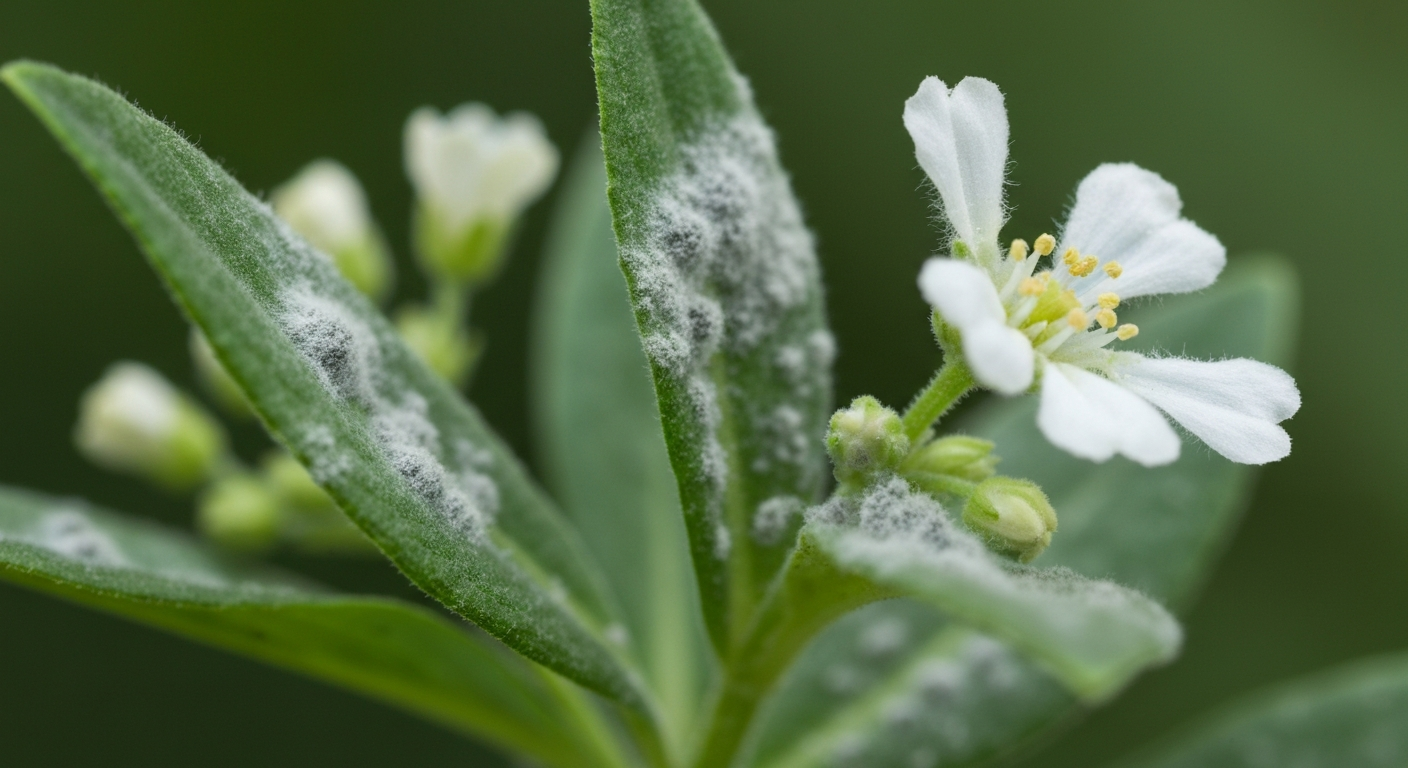
Discovering white mold on plants can be disheartening for any gardener. This isn’t just a cosmetic issue; it’s a serious fungal disease, primarily caused by Sclerotinia sclerotiorum, that can devastate a wide range of crops and ornamental plants. Known for its fluffy, cottony growth and the distinctive hard, black survival structures it leaves behind, white mold can quickly spread through a garden if not identified and managed promptly. As Senior Plant Care Editor, I’m here to guide you through understanding, treating, and most importantly, preventing this common garden foe.
Understanding White Mold: The Basics of Sclerotinia
White mold, also commonly referred to as Sclerotinia stem rot or cottony rot, is a disease caused by the fungus Sclerotinia sclerotiorum. This pathogen is notorious for its broad host range, affecting over 400 species of plants, including many popular garden vegetables like beans, lettuce, cabbage, carrots, tomatoes, and even sunflowers. Unlike some other fungal diseases that might just blemish leaves, white mold attacks stems, leaves, and fruits, often leading to rapid wilting and plant death.
The key to understanding and managing white mold lies in recognizing its unique life cycle and the conditions under which it thrives. The fungus produces structures called sclerotia – small, hard, black bodies that resemble rat droppings or irregular seeds. These sclerotia are the overwintering stage of the fungus, allowing it to survive in the soil for many years, waiting for the right conditions to germinate and unleash new infections.
Identifying White Mold on Your Plants: Key Symptoms
Early and accurate identification is crucial for effective management. While the “white” appearance might seem straightforward, it’s important to distinguish white mold from other white-colored plant issues, such as powdery mildew.
Here are the tell-tale symptoms of white mold:
- Fluffy, Cottony White Growth: This is the most characteristic symptom. You’ll observe a dense, white, cotton-like fungal growth, typically appearing on stems, at the base of the plant near the soil line, or on leaves and fruits that are in contact with the soil. This growth can quickly engulf plant parts.
- Water-Soaked Lesions: Before the white fungal growth becomes prominent, you might notice soft, water-soaked lesions on stems, leaves, or fruits. These areas will soon be covered by the white mycelium.
- Black Sclerotia: This is the definitive diagnostic feature. Within or on the fluffy white growth, you will find small, hard, black structures. These sclerotia vary in size and shape, from tiny mustard seeds to larger pebbles, and are often mistaken for insect droppings or soil debris. Their presence confirms Sclerotinia white mold.
- Wilting and Collapse: As the fungus girdles stems, it blocks the plant’s vascular system, preventing water and nutrients from reaching the upper parts. This leads to rapid wilting of leaves and stems, often followed by the entire plant collapsing and dying. This wilting can sometimes be confused with root rot or general stress, but the presence of the white fungal growth and sclerotia clarifies the diagnosis.
- Stem Rot: The affected stem areas become soft and mushy, eventually rotting away. This is particularly common at the soil line.
- Fruit and Head Rot: For crops like lettuce, cabbage, or tomatoes, the fungus can directly infect the heads or fruits, causing them to rot from the inside out, often with the characteristic white growth visible. For instance, in tomato plant diseases, white mold can be particularly devastating to the fruit.
Differentiating from Powdery Mildew: It’s vital not to confuse white mold with powdery mildew. Powdery mildew appears as a thin, powdery white coating that can be wiped off leaves, and it does NOT produce fluffy growth or sclerotia. White mold is much more aggressive and destructive to plant tissue.
What Causes White Mold and How Does It Spread?
Understanding the causes and spread of white mold is fundamental to its control.
The Pathogen: Sclerotinia sclerotiorum
As mentioned, the culprit is the fungus Sclerotinia sclerotiorum. Its ability to produce sclerotia is key to its persistence and widespread impact. These sclerotia are essentially fungal survival capsules, allowing the pathogen to lie dormant in the soil for many years, sometimes up to a decade, even without a host plant.
Environmental Conditions Favoring Disease
White mold thrives under specific environmental conditions:
- Cool Temperatures: The fungus prefers cooler temperatures, typically between 50-70°F (10-21°C). This makes it a common problem in spring and fall, or in cooler summer climates.
- High Humidity and Moisture: Prolonged periods of leaf wetness and high humidity are critical for spore germination and infection. This often occurs in dense plantings where air circulation is poor, or during periods of frequent rainfall or overhead irrigation.
- Dense Plant Canopies: Closely spaced plants create a microclimate of high humidity and reduced airflow, which is ideal for white mold development and spread.
- Soil Moisture: While not directly infecting through roots, moist soil is necessary for sclerotia germination and the production of apothecia (small, mushroom-like structures that release spores).
How White Mold Spreads
The primary methods of spread include:
- Sclerotia in Soil: The most common source of inoculum is sclerotia already present in the soil from previous infections.
- Airborne Spores: When conditions are right, sclerotia germinate to produce apothecia, which release millions of airborne ascospores. These spores are carried by wind to susceptible plant tissues, particularly senescing (aging) flowers or leaves, which provide an initial food source for the fungus to establish.
- Contaminated Tools and Equipment: Garden tools, machinery, and even shoes can pick up sclerotia from infected areas and transport them to healthy parts of the garden.
- Irrigation Water: Water splash can move sclerotia or fungal fragments to new plants.
- Infected Plant Debris: Leaving infected plant material in the garden allows sclerotia to return to the soil, perpetuating the disease cycle.
Diagnosing White Mold in Your Garden
Accurate diagnosis is the first step in effective treatment. When you suspect a sick plant, a systematic approach is best.
- Visual Inspection: Start by carefully examining your plants, especially at the base of stems, in dense foliage, and on any wilting parts. Look for the characteristic fluffy white growth.
- Confirm Sclerotia: The presence of the hard, black sclerotia embedded within or near the white fungal growth is the definitive indicator of Sclerotinia. If you see white growth but no sclerotia, you might be dealing with something else, like a severe case of powdery mildew or even saprophytic fungi that are harmlessly breaking down dead plant material.
- Consider Environmental Factors: Reflect on recent weather conditions. Have there been cool temperatures and high humidity? Are your plants densely packed? These factors support a white mold diagnosis.
- Use a Plant Disease Identifier App: For quick, preliminary identification, consider photographing the symptoms with an app like the Plant Disease Identifier app on your iPhone. While AI tools are excellent for informational purposes and guiding your research, they are not a substitute for professional agricultural advice. They can help you narrow down possibilities and act quickly.
- Professional Confirmation (if needed): If you’re unsure or dealing with a widespread issue in a large garden or farm, sending a sample to a local agricultural extension office for lab analysis can provide a definitive diagnosis. This is especially important if you’re trying to diagnose plant problems that are unusual or persistent.
Treating White Mold on Plants: Organic and Chemical Approaches
Once you’ve confirmed white mold, immediate action is necessary to prevent its spread. Treatment strategies involve a combination of cultural practices, organic remedies, and, in severe cases, fungicides.
Cultural and Mechanical Treatments
These are your first line of defense:
- Immediate Removal of Infected Plants: As soon as you spot white mold, carefully remove the entire infected plant, including as much of the surrounding soil as possible, to collect any sclerotia. Place it in a sealed bag and dispose of it in the trash; do NOT compost it. Sclerotia can survive composting and reinfect your garden.
- Sanitation: Thoroughly clean all gardening tools after use, especially after handling infected plants. A 10% bleach solution or rubbing alcohol can effectively sanitize tools. Remove any plant debris from the garden beds.
- Improve Air Circulation: Prune lower leaves on healthy plants to improve airflow around the base and reduce humidity. Ensure adequate spacing between plants.
- Watering Practices: Avoid overhead irrigation, which wets foliage and creates ideal conditions for fungal growth. Instead, water at the base of plants using drip irrigation or soaker hoses. Water in the morning to allow foliage to dry quickly.
Organic Treatments
For home gardeners preferring organic solutions, several options can help manage white mold, especially in early stages or as a preventative measure.
- Biological Control Agents: Some commercial products contain beneficial fungi like Coniothyrium minitans (now Microsclerotium sphaerosporum), which is a hyperparasite of Sclerotinia sclerotiorum. It attacks and destroys sclerotia in the soil. These are typically applied to the soil before planting or at the first sign of disease.
- Neem Oil: While primarily known as an insecticide, neem oil also has some fungicidal properties. It can be used as a preventative spray or to suppress mild fungal growth. Ensure good coverage and follow product instructions carefully.
- Copper-Based Fungicides: Organic copper fungicides can offer some protection, especially when applied preventatively or at the first sign of disease. They work by disrupting fungal enzymes. Always follow label directions for mixing and application.
- Compost Tea: Some gardeners use compost tea as a foliar spray to boost plant immunity and introduce beneficial microbes that can compete with pathogens. Its effectiveness against established white mold may be limited, but it can be part of an overall plant health strategy.
Chemical Fungicides
For severe infestations or in high-value crops, chemical fungicides may be necessary.
- Consult Local Experts: Before applying any chemical fungicide, it’s highly recommended to consult your local agricultural extension office for recommendations specific to your region and crop. They can provide guidance on appropriate products and application timing.
- Targeted Fungicides: Fungicides effective against Sclerotinia often contain active ingredients like boscalid, thiophanate-methyl, or fluazinam. These are typically applied as a foliar spray or a soil drench, depending on the product and crop.
- Timing is Key: Fungicides are most effective when applied preventatively or at the very early stages of infection. Once the disease is widespread and sclerotia have formed, fungicides become less effective.
- Read Labels Carefully: Always follow the manufacturer’s instructions for mixing, application rates, safety precautions, and pre-harvest intervals.
Important Disclaimer: While the Plant Disease Identifier app can provide valuable information and help you identify potential issues like plant disease, it’s an informational tool. For precise diagnosis or professional agricultural advice, especially concerning fungicide use, consult with a certified plant pathologist or your local extension service.
Preventing White Mold: Long-Term Strategies
Prevention is always better than cure, especially with a persistent pathogen like Sclerotinia. Implementing these long-term strategies will significantly reduce your risk.
Crop Rotation
This is arguably the most critical preventative measure. Since sclerotia can survive in the soil for years, avoid planting susceptible crops in the same spot year after year. A rotation of at least 3-5 years with non-host plants (e.g., grasses, corn, small grains) can help reduce the pathogen load in the soil.
Improve Soil Health and Drainage
- Organic Matter: Incorporate well-rotted compost into your soil to improve its structure and drainage, which can make conditions less favorable for fungal pathogens.
- Raised Beds: If you have consistently wet or poorly draining soil, consider planting in raised beds.
Proper Plant Spacing and Air Circulation
- Follow Guidelines: Adhere to recommended plant spacing guidelines for your specific crops. Overcrowding creates humid microclimates that white mold loves.
- Pruning: Regularly prune the lower leaves of plants to improve air circulation around the base and allow sunlight to penetrate, helping to dry out foliage.
Sanitation, Sanitation, Sanitation!
- Remove Debris: Promptly remove and dispose of all plant debris, especially at the end of the growing season. This reduces potential overwintering sites for sclerotia.
- Clean Tools: Always clean and disinfect gardening tools, stakes, and containers, especially if they’ve been used in an area where white mold was present.
Watering Wisely
- Drip Irrigation/Soaker Hoses: Use these methods to deliver water directly to the plant roots, keeping foliage dry.
- Morning Watering: If overhead watering is unavoidable, do it in the morning so leaves have ample time to dry before evening.
Resistant Varieties
Whenever possible, choose plant varieties that are known to have some resistance or tolerance to Sclerotinia sclerotiorum. This information is often found on seed packets or plant tags.
Soil Solarization
In some regions with intense summer sun, soil solarization can be an effective way to reduce sclerotia in the top few inches of soil. This involves covering moist soil with clear plastic sheeting for 4-6 weeks during the hottest part of the summer. The sun’s heat penetrates the plastic, raising soil temperatures to levels lethal to sclerotia and other pathogens.
Common Mistakes When Dealing with White Mold
Even experienced gardeners can make mistakes. Avoiding these common pitfalls will improve your chances of success against white mold.
- Misidentification: As discussed, confusing white mold with powdery mildew or another leaf spot disease leads to incorrect treatment. Powdery mildew, for example, is treated very differently. Always look for the fluffy growth and crucial black sclerotia. If you see brown spots on plant leaves or black spot on roses, these are also distinct issues requiring different approaches.
- Composting Infected Material: This is a major error. Composting plant material with sclerotia guarantees that you’ll reintroduce the fungus to your garden with future compost applications. Always bag and discard infected plants.
- Ignoring Soil Contamination: White mold is primarily a soil-borne pathogen. Just removing infected plant parts without addressing the sclerotia in the soil will lead to recurring problems. Crop rotation and soil treatments are essential.
- Overwatering/Poor Air Circulation: Continuing with watering practices that keep foliage wet or maintaining dense plantings will perpetuate the problem, even after initial treatment.
- Lack of Sanitation: Using dirty tools or leaving plant debris around provides ample opportunity for the fungus to spread and overwinter.
- Waiting Too Long: White mold spreads rapidly. Delaying treatment allows the fungus to produce more sclerotia and infect more plants, making control much more difficult.
- Relying Solely on Fungicides: While fungicides can be helpful, they are rarely a standalone solution for white mold. They must be integrated with cultural and sanitation practices for long-term control.
Conclusion
White mold on plants, caused by Sclerotinia sclerotiorum, is a formidable foe in the garden, but it’s not invincible. By understanding its symptoms, life cycle, and preferred conditions, you can implement a comprehensive strategy for both treatment and prevention. Remember the importance of early identification, diligent sanitation, proper watering, and effective crop rotation. With these practices, you can protect your plants and maintain a thriving, healthy garden. Keep an eye on your garden, and if you ever spot those tell-tale fluffy white growths and black sclerotia, you’ll be equipped with the knowledge to act swiftly and decisively.